
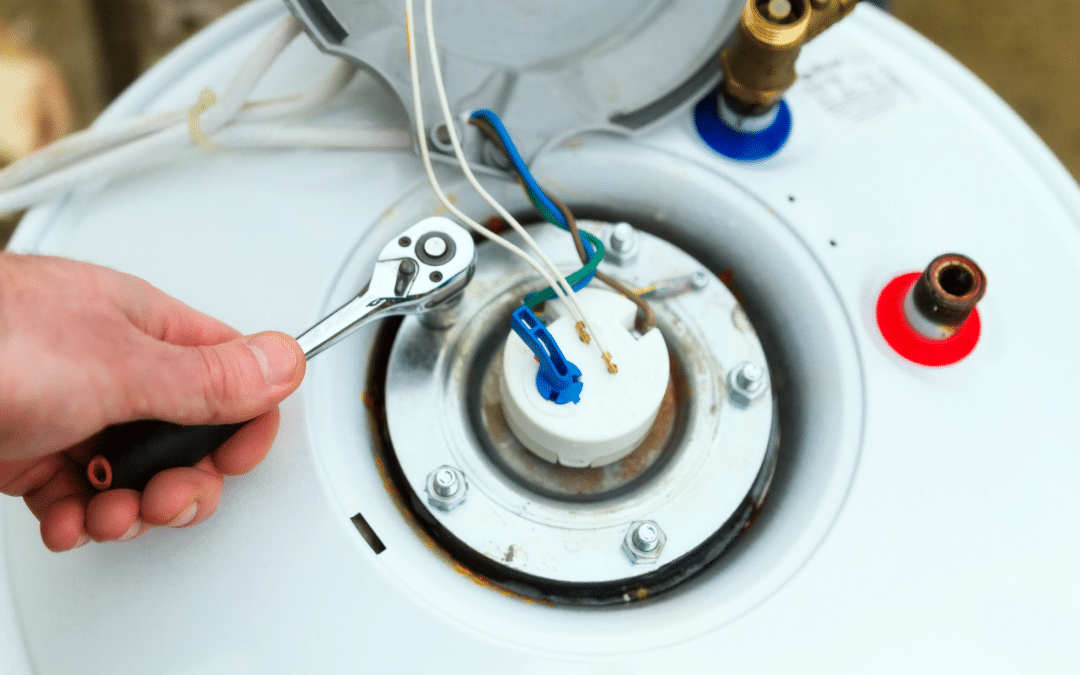
What Is the Cost of Water Heater Repair? A Quick Answer Before You Call
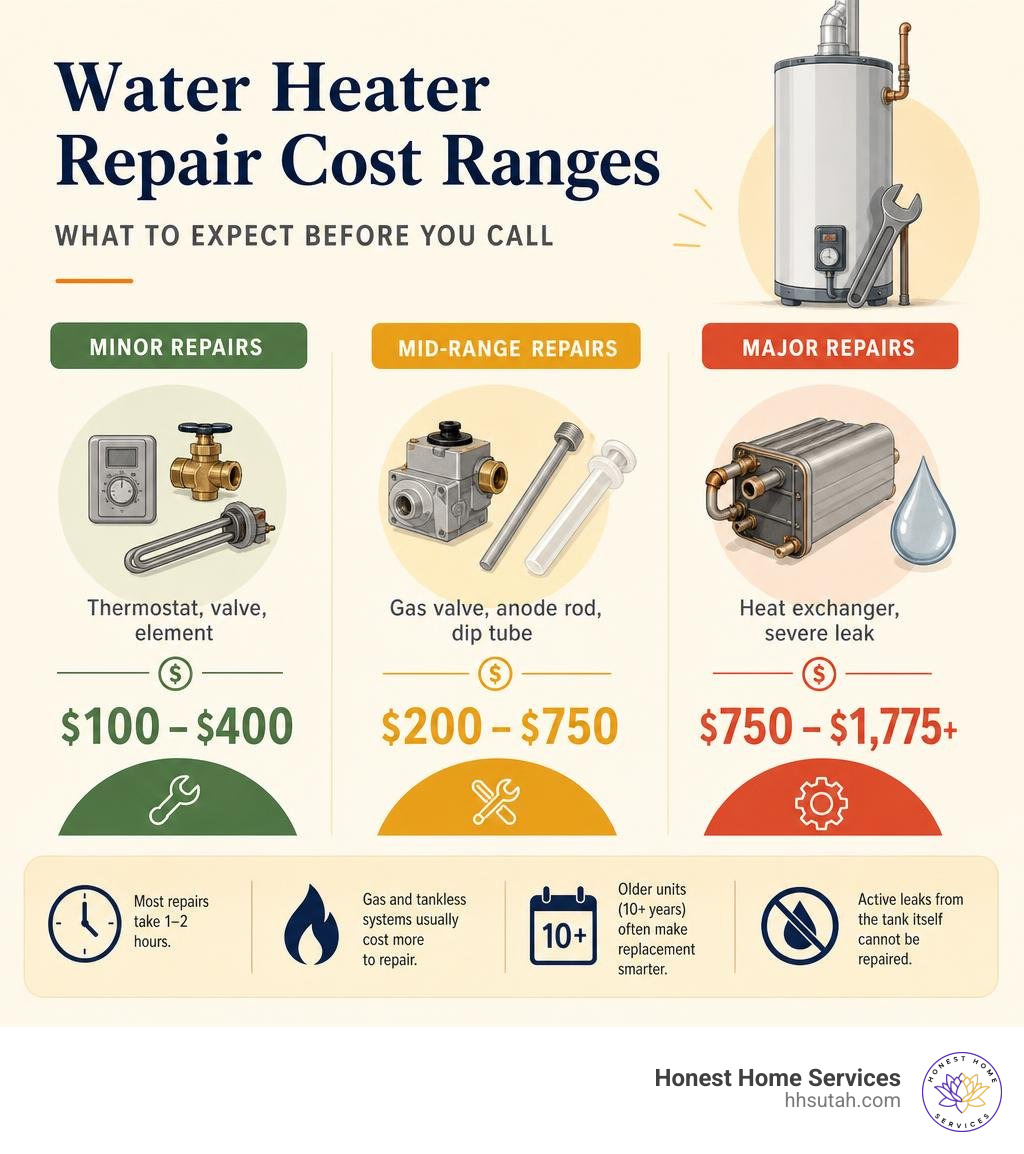
The cost of water heater repair typically falls between $150 and $700 for most homeowners, though the full range runs from as little as $90 for a simple fix to over $1,775 for a complex job. Here’s a fast breakdown to help you size up your situation before picking up the phone:
| Repair Type | Typical Cost Range |
|---|---|
| Minor repairs (thermostat, valve, element) | $100 – $400 |
| Mid-range repairs (gas valve, anode rod, dip tube) | $200 – $750 |
| Major repairs (heat exchanger, severe leak) | $750 – $1,775+ |
| Diagnostic / service call fee | $75 – $200 |
| Preventive maintenance visit | $100 – $250 |
A few key things to know upfront:
- Most repairs take 1–2 hours of labor.
- Gas and tankless systems usually cost more to repair than standard electric tank units.
- Older units (10+ years) often make replacement the smarter financial move.
- Active leaks from the tank itself cannot be repaired — that’s a full replacement situation.
At Honest Home Services, we’ve spent over 20 years helping Northern Utah homeowners navigate the real cost of water heater repair — from quick thermostat swaps to full system diagnostics — always with upfront, transparent pricing. We’re here to help you make the right call fast.
Understanding the Real Cost of Water Heater Repair
When your morning shower turns into an icy shock, your first thought is probably about your budget. Understanding how much will your broken water heater cost to fix is the first step to getting your home comfort back on track.
According to national data, including the Angi 2026 Cost Data, the average homeowner spends roughly $600 on a typical water heater fix. However, the total bill can range from under $100 for a minor adjustment to upwards of $1,800 for complex, multi-part failures in high-end systems.
The final invoice is determined by a combination of diagnostic fees, local labor rates, and the specific parts required. Most professional plumbers charge an hourly rate between $50 and $150, and most standard component swaps require one to two hours of active labor. By understanding these variables, you can avoid surprises when the technician hands you the bill.
Average Cost of Water Heater Repair by System Type
The type of water heater installed in your utility closet dictates the complexity of the repair and the cost of the replacement parts.
Tank Units vs. Tankless Systems
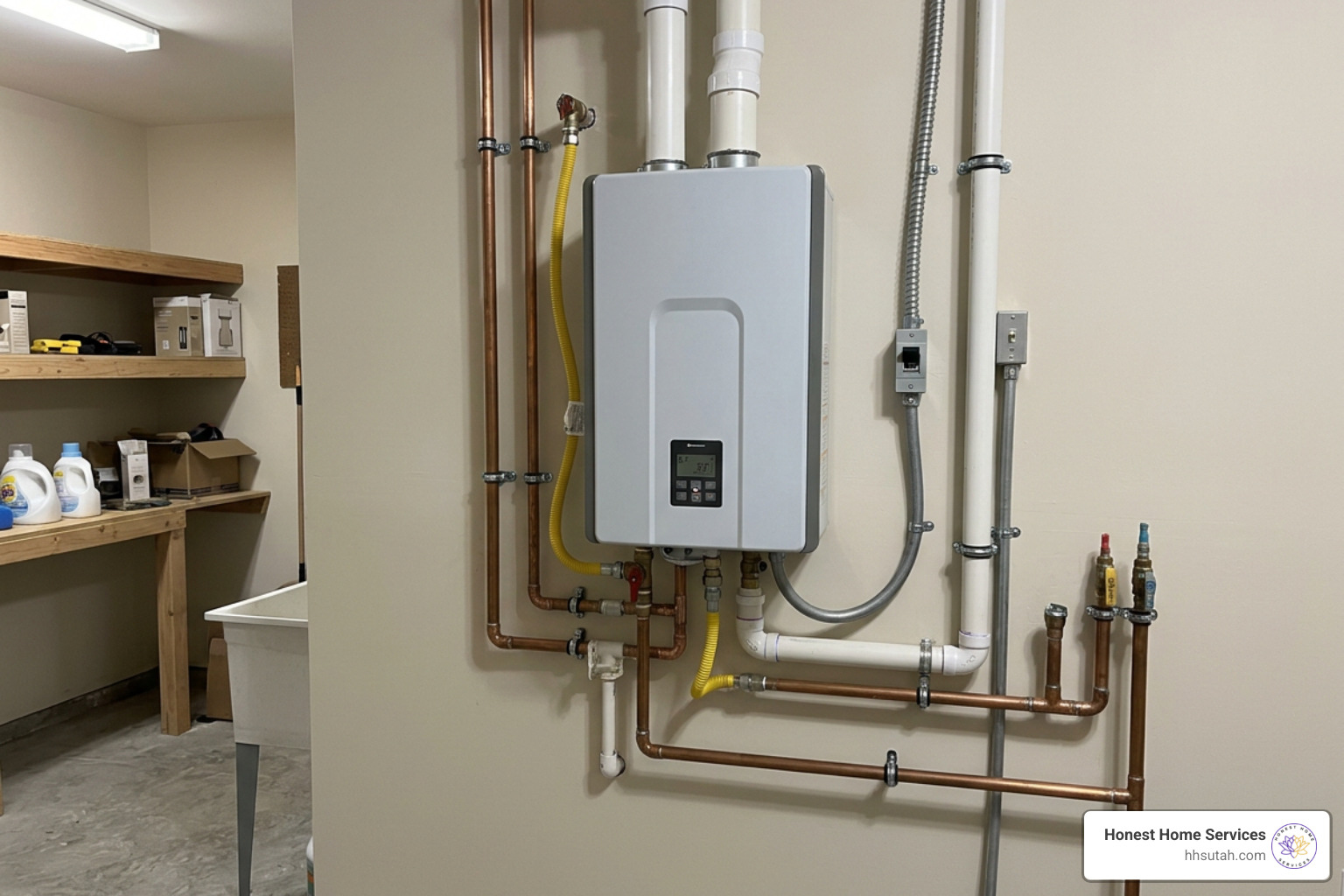
Traditional storage tank units are simpler machines. They rely on basic physics, a metal tank, a couple of heating elements or a burner assembly, and a handful of valves. Because the technology is straightforward, troubleshooting is fast, and replacement parts are widely available and inexpensive.
Tankless systems, on the other hand, are complex electronic appliances. They utilize flow sensors, digital control boards, modulating gas valves, and compact heat exchangers to heat water on demand. While they are highly efficient and can last up to 20 years with proper care, repairing them requires specialized diagnostic tools and training. A failed control board or heat exchanger in a tankless unit will naturally sit at the higher end of the repair spectrum.
Gas Heaters vs. Electric Models
Gas water heaters require venting systems, gas control valves, pilot assemblies, and thermocouples. Working with gas demands extra safety precautions, which can slightly elevate labor rates. Electric models use upper and lower heating elements controlled by independent thermostats. These components are relatively simple to test with a multimeter and quick to swap out.
| Water Heater Type | Common Repair Complexity | General Cost Category |
|---|---|---|
| Electric Tank | Low to Moderate | Budget-Friendly |
| Gas Tank | Moderate | Mid-Range |
| Electric Tankless | Moderate to High | Mid-Range to High |
| Gas Tankless | High | Premium |
How to Estimate Your Cost of Water Heater Repair by Component
If you already have an idea of which part has failed, you can estimate your repair expenses more accurately. Industry resources like the ConsumerAffairs Cost Guide highlight how costs scale based on the specific component involved:
- Thermostats: Electric water heaters have two thermostats. If one fails, you may experience lukewarm water or run out of hot water rapidly. Swapping a thermostat is a quick job. If you are handy, you can read our guide on how to swap your water heater thermostat without a pro to see what the process looks like.
- Heating Elements: In electric units, the heating elements do the heavy lifting. Over time, sediment coats these elements, causing them to burn out. Replacing your hot water element the easy way is a common professional service that restores your hot water quickly.
- Anode Rod: This is a sacrificial rod designed to attract corrosive elements in the water, protecting the steel tank from rusting. Replacing this rod every 3 to 5 years is a vital maintenance step that prevents a catastrophic tank failure.
- Temperature & Pressure (T&P) Relief Valve: This crucial safety device releases water if the pressure or temperature inside the tank gets too high. If it begins to drip or fail, it must be replaced immediately.
- Gas Control Valve: This component regulates the gas flow to the burner. Because it is a complex safety device, replacing a gas control valve is a mid-to-high range repair.
Key Factors That Influence Your Repair Estimate
No two plumbing jobs are identical. Several external variables will shift your final estimate up or down.
Labor and Diagnostic Fees
Most reputable plumbing companies charge a flat service call or diagnostic fee to cover the time and travel required to assess your system. This fee typically ranges from $75 to $200. The good news? At Honest Home Services, we often waive or credit this diagnostic fee toward the final cost of the repair if you choose us to perform the work.
Additionally, emergency repairs—such as those scheduled late at night, on weekends, or during major holidays—often incur after-hours surcharges. To keep costs down, try to schedule non-emergency repairs during standard business hours.
Hard Water and Regional Impact
Geography plays a massive role in how often your water heater will need attention. Here in Northern Utah—including Salt Lake City, Layton, Sandy, and West Jordan—our municipal water contains high levels of dissolved minerals, particularly calcium and magnesium.
This hard water accelerates sediment buildup at the bottom of tank units and creates scale deposits inside tankless heat exchangers. If you own a tankless system in our region, regular descaling is non-negotiable. If your system is struggling, you may need to look into specialized fast tankless water heater repair Salt Lake City services to clear out that stubborn Utah scale.
Understanding local gas water heater service costs and scheduling annual flushes can save you from premature system failures.
Common Water Heater Problems and What They Cost to Fix
Water heaters are generally reliable, but they do exhibit clear warning signs when something goes wrong. If you are experiencing issues, check our guide on identifying a common water heater problem to narrow down the culprit.
No Hot Water or Lukewarm Water
If your water is completely cold, the root cause depends on your fuel source:
- On electric units: It is usually a tripped high-limit switch, a tripped circuit breaker, or a burned-out upper heating element.
- On gas units: It is often a pilot light that has blown out, a faulty thermocouple, or a failing gas control valve.
A thermocouple is a safety sensor that detects whether the pilot flame is lit; if it fails, the system won’t release gas to the burner. You can learn more about this fix in our ultimate guide to thermocouple replacement.
If your water is warm but doesn’t last long, the culprit is usually a broken dip tube (which directs incoming cold water to the bottom of the tank) or a failed lower heating element. To prevent these mineral-related burnouts, we highly recommend keeping up with your anode rod maintenance. Take a look at our step-by-step anode rod swap guide to understand how this simple part protects your entire system.
Leaks and Pressure Issues
If you notice water pooling around the base of your heater, you must act quickly. First, determine where the leak is originating:
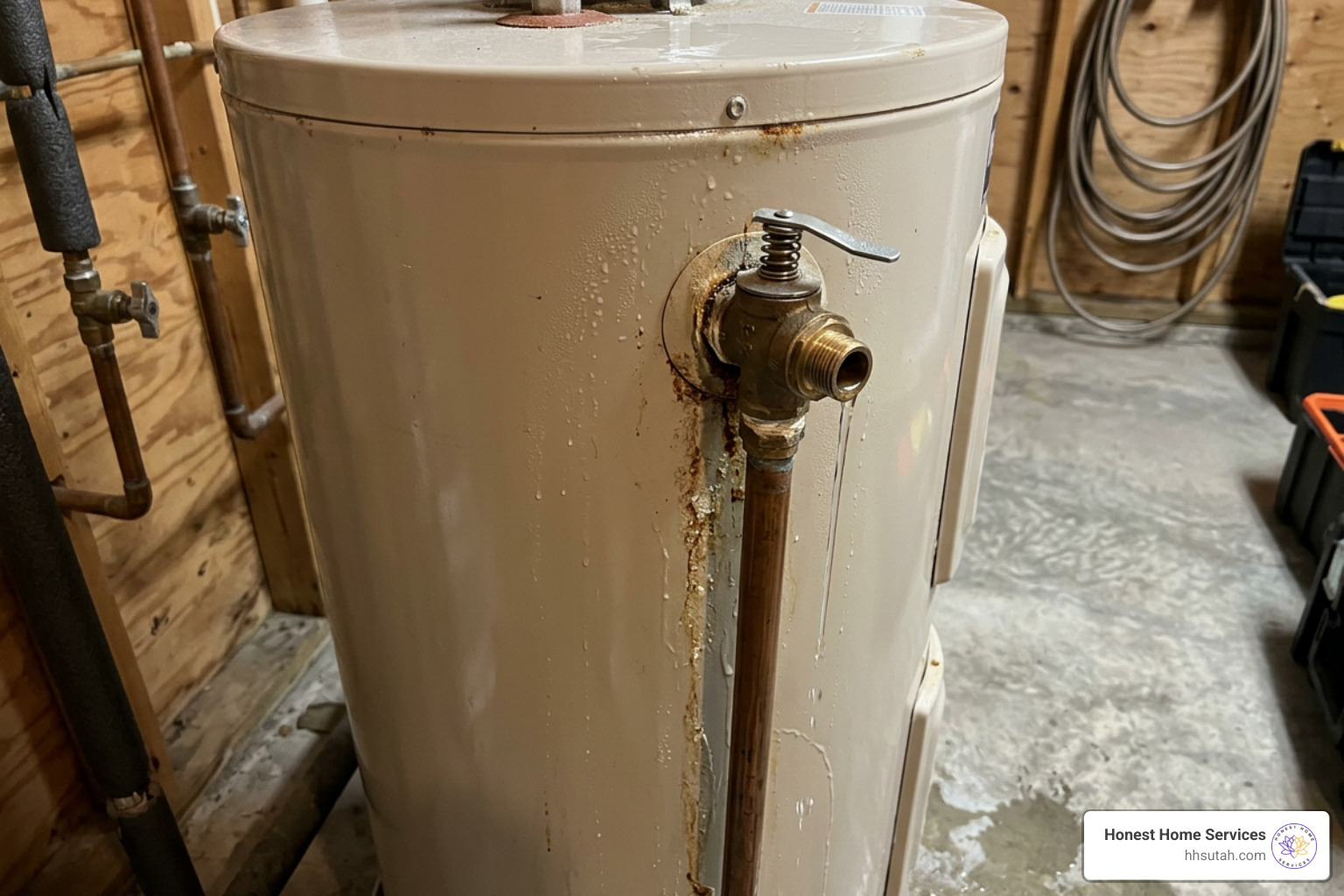
- From a valve or fitting: Leaks from the top connections, the drain valve, or the T&P valve are highly repairable. If your pressure relief valve is dripping, it might be due to normal thermal expansion. Read up on the weeping valve troubleshooting guide to see if you need an expansion tank installed to meet local plumbing codes.
- From the bottom of the tank: If water is leaking from the metal jacket of the tank itself, the inner steel liner has rusted through. This cannot be patched or repaired. You must shut off the water supply immediately and prepare for a replacement. For help managing this, see our article on how to stop the drip and fix your leaky water heater.
Repair vs. Replace: Making the Right Financial Decision
When faced with a hefty repair estimate, you have to ask yourself: Is it worth fixing this old unit, or should I invest that money into a brand-new system?

To make an objective choice, refer to the guidelines in the Complete Water Guide Repair vs Replace resource, or consult our detailed from cold showers to comfort understanding hot water heater repair replacement guide.
When to Choose Repair
Repairing your system is generally the most sensible and cost-effective route if:
- The unit is young: Standard tank water heaters last 8 to 12 years. If yours is under 6 or 7 years old, it has plenty of life left.
- The issue is minor: Swapping out a pilot assembly, a thermostat, or a heating element is a routine, budget-friendly fix.
- It is covered by warranty: Most water heaters come with a 6- to 12-year manufacturer’s warranty on the tank and key parts. Always check your warranty status before paying out of pocket. If you need a professional to handle a warrantied component swap, read about fixing the flow and what to do when your hot water heater needs repair.
When Replacement is the Better Value
You should strongly consider replacing your water heater if:
- The tank is leaking: As mentioned, a rusted-through tank is a ticking time bomb for water damage.
- The 50% Rule applies: If the cost of the repair exceeds 50% of the price of a brand-new unit, put that money toward an upgrade.
- The unit is past its prime: If your tank is over 10 years old (or your tankless unit is past 15 years) and starting to break down frequently, you are better off upgrading to a modern, energy-efficient model.
When you are ready to explore your options, our hot water heater installation guide 2026 and our breakdown of the real cost of water heater replacement with labor will help you budget accurately.
How to Get a Fast and Accurate Estimate
If your hot water is out, you don’t want to wait days for a quote. To get a fast and accurate estimate from a professional plumber, follow these steps before you call:
- Locate the Data Plate: This is the large sticker on the side of your water heater. Take a clear picture of it with your phone. It contains the model number, serial number, tank capacity, and manufacture date.
- Identify the Fuel Source: Know whether your system runs on electricity, natural gas, or propane.
- Note the Symptoms: Is the water completely cold, lukewarm, or cycling between hot and cold? Are you hearing loud rumbling, popping, or banging noises? Is there active pooling water?
- Determine the Accessibility: Is your water heater in an easily accessible basement, a tight crawlspace, or a closet behind a stackable washer/dryer? Accessibility affects labor time.
If you are dealing with a major leak or a complete system failure over the weekend, don’t panic. You can reach out to our team for emergency water heater repair fast reliable 247 service. If you live in Davis County, we also have a dedicated guide on how to handle a water heater meltdown in Layton to help you minimize property damage.
DIY Troubleshooting Before Calling a Pro
Before you pay for a professional diagnostic visit, perform these three quick checks. You might save yourself a service call fee entirely! Our guide on how to fix broken water heater issues like a pro walks you through these basic checks:
- Check the Circuit Breaker: For electric units, locate your home’s main electrical panel. If the breaker labeled “Water Heater” has tripped, flip it completely off and then back on.
- Check the High-Limit Reset Button: Electric water heaters have a red safety reset button located on the upper thermostat (behind the upper access panel). Turn off the breaker, remove the panel, push the red button until it clicks, and turn the power back on.
- Verify the Pilot Light: For gas units, look through the viewing glass at the bottom of the heater. If the pilot flame is out, follow the manufacturer instructions on the side of the tank to safely relight it.
Frequently Asked Questions About Water Heater Repairs
How much does a water heater tune-up or maintenance visit cost?
According to the Cost to Service Water Heater: Price Guide for U.S. Homes – Current Cost, a professional preventative maintenance visit generally costs between $100 and $250. This service typically includes flushing the tank to remove calcified sediment, testing the heating elements or cleaning the burner assembly, inspecting the anode rod, and testing the T&P safety valve. Regular maintenance every 1 to 2 years can extend your system’s lifespan by several years and keep your monthly energy bills low.
Does a home warranty cover water heater repairs?
Yes, most standard home warranty plans cover water heater repairs and replacements due to normal wear and tear. However, you will still be responsible for paying your plan’s trade service call fee (usually $75 to $125). That home warranties may not cover pre-existing conditions, secondary damage caused by leaks, or code upgrades required during a replacement. Always read your policy’s fine print before filing a claim.
Can I DIY a water heater repair, and what are the risks?
While a handy homeowner can easily handle basic tasks like relighting a pilot light, replacing a decorative trim piece, or performing a routine sediment flush, we strongly advise against DIY component replacements. Working on a water heater involves high-voltage electricity, natural gas lines, carbon monoxide venting, and pressurized hot water.
An error during a DIY gas valve replacement can lead to gas leaks, fire, or carbon monoxide poisoning. Similarly, an incorrectly wired heating element can cause electrical shocks or short circuits. Additionally, many manufacturers will void your warranty if parts are not installed by a licensed professional, and local municipalities often require plumbing permits for replacements.
Conclusion
Navigating the cost of water heater repair doesn’t have to be stressful. By understanding the common pain points of your specific system, keeping up with regular sediment flushes, and knowing when to transition from repair to replacement, you can make smart, budget-friendly decisions for your home.
At Honest Home Services, we are proud to be the trusted comfort partners for families across Northern Utah. Whether you are dealing with a minor thermostat issue in Salt Lake City, a hard water buildup in Layton, or need an emergency diagnostic in Draper, our local, expert technicians are ready to help. We stand behind our work with guaranteed customer satisfaction, fair pricing, and honest advice.
Ready to get your hot water back? View our comprehensive guide on hot water repair cost or contact us today to schedule your fast, transparent service estimate!