

Why Hot Water Repair Matters for Your Home
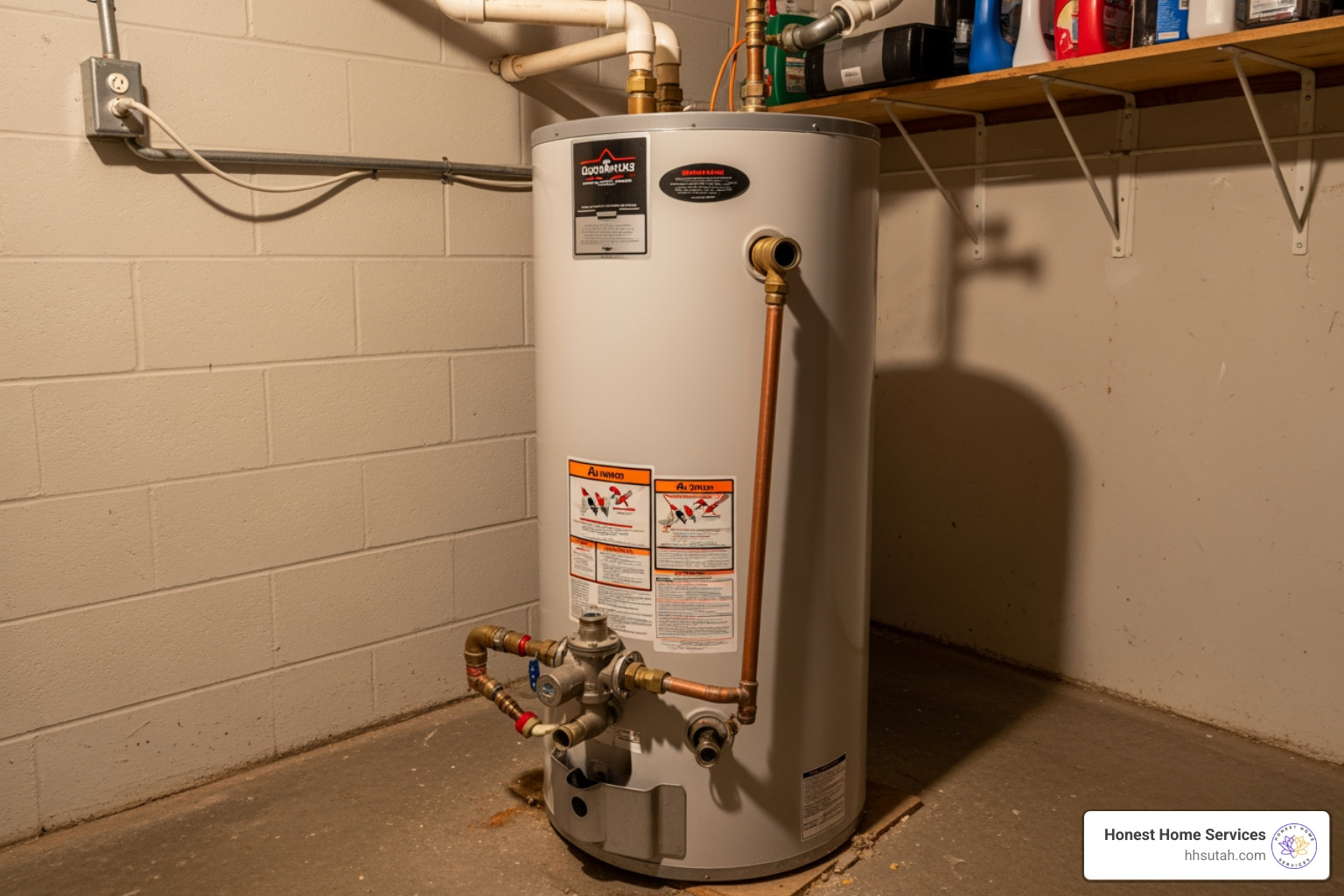
Hot water repair becomes urgent the moment you step into an icy shower or find a puddle forming beneath your tank. The average conventional water heater lasts eleven years before requiring replacement, but most units need some form of repair every 2-3 years. Here’s what you need to know when your water heater starts showing signs of trouble:
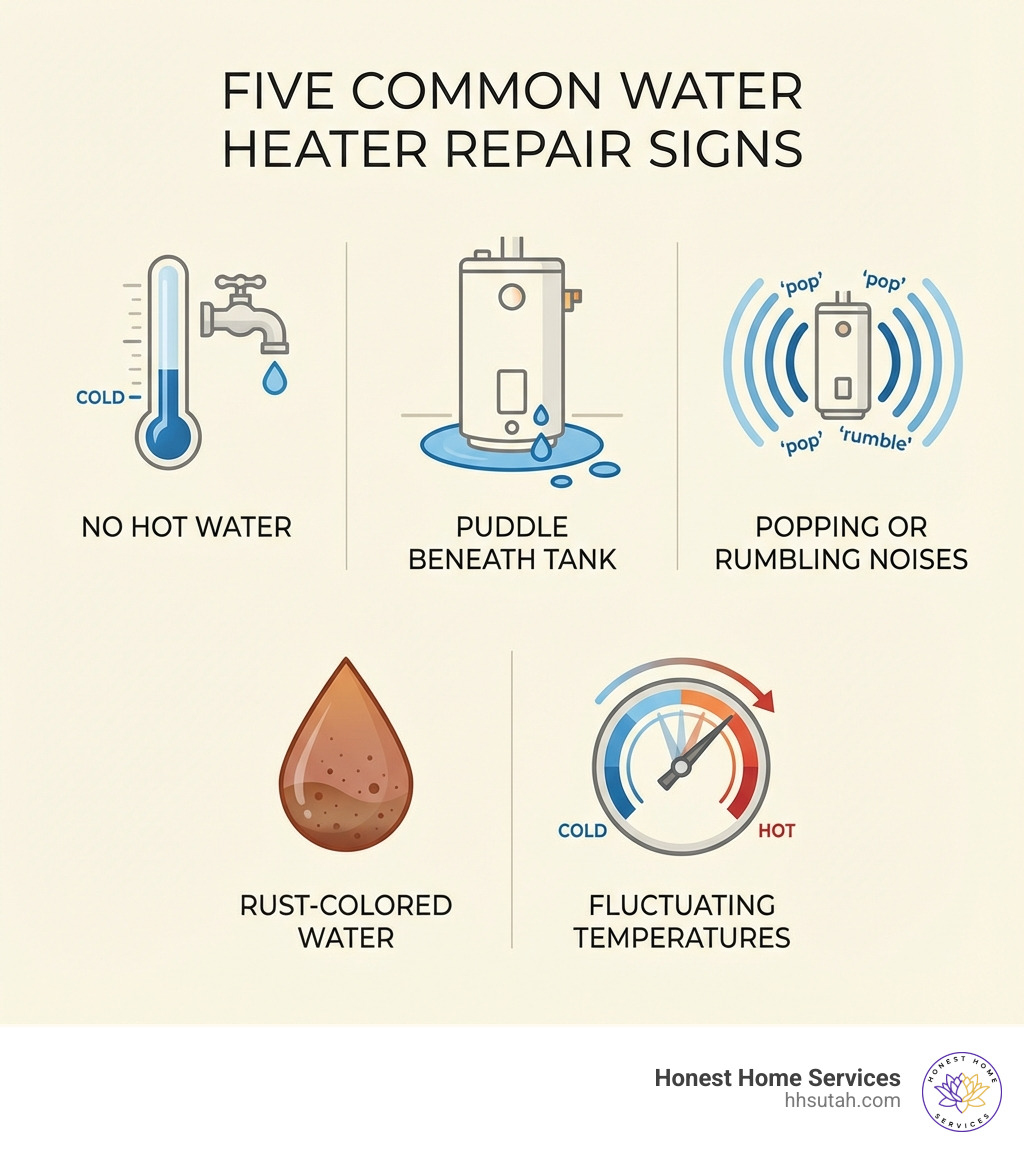
Common Signs Your Water Heater Needs Repair:
- No hot water or insufficient hot water – Often caused by faulty heating elements, thermostat issues, or sediment buildup
- Leaking water – May indicate a failing pressure relief valve, loose drain valve, or tank corrosion
- Strange noises (popping, rumbling, whistling) – Usually signals sediment buildup or mineral deposits
- Discolored or smelly water – Points to a corroding anode rod or bacteria in the tank
- Fluctuating temperatures – Suggests thermostat or heating element problems
Understanding these warning signs helps you catch problems early, when repairs often cost under $300 and can extend your unit’s life by several years. However, if your water heater is over 10 years old or the tank itself is leaking, replacement typically becomes more cost-effective than continued repairs.
The repair vs. replace decision depends on several factors: the age of your unit, the specific problem, repair costs, and whether you’re dealing with a gas or electric model. Electric water heaters are generally simpler and safer to repair, with heating element replacements costing $200-$300. Gas models can be more complex, with gas control valve repairs ranging from $300-$500.
Some basic troubleshooting—like checking circuit breakers, testing pilot lights, or flushing sediment—can be done safely at home. But issues involving gas lines, electrical components, or internal tank problems require professional expertise to ensure safety and proper repair.
At Honest Home Services, we’ve been providing expert hot water repair services to Northern Utah homeowners and businesses for over 20 years, handling everything from simple thermostat replacements to complex gas valve repairs. Our licensed and insured team understands that a broken water heater disrupts your entire household, which is why we focus on prompt, reliable service with transparent pricing.
Diagnosing the Problem: Common Signs Your Water Heater Needs Repair
When your water heater isn’t performing as it should, it often sends out distress signals. Recognizing these signs can save you from a complete breakdown and costly emergency repairs. We’ve seen it all across Salt Lake City, Davis County, and throughout Northern Utah, and we’re here to help you understand what your water heater is trying to tell you.
For a deeper dive into common issues, you can visit our page on Common Water Heater Problems.
No Hot Water or Insufficient Hot Water
This is arguably the most jarring sign your water heater needs attention. What causes this sudden cold shock?
- Faulty Heating Element: In electric models, a failed heating element can result in lukewarm or no hot water. Replacement typically costs $200-$300.
- Faulty Thermostat: A malfunctioning thermostat won’t signal the unit to heat water, leading to incorrect temperatures. Replacement usually costs $150-$200.
- Sediment Buildup: Minerals from Northern Utah’s water can settle in the tank, forming a barrier that insulates the water from the heat source. This reduces hot water supply and increases heating time.
- Undersized Unit: If your hot water demand has increased, your unit may be too small. This is a capacity issue, not a repair, and may require an upgrade.
- Gas Pilot Light Out (Gas Heaters): For gas heaters, the pilot light is often the first thing to check if you have no hot water.
- Tripped Circuit Breaker (Electric Heaters): An electric water heater won’t heat if its circuit breaker has tripped.
Leaks and Puddles
A puddle around your water heater is never a good sign and can range from a simple fix to a catastrophic failure.
- Leaking Tank: A leak from the tank itself indicates internal corrosion and almost always requires a full replacement, costing $1,500 to $3,000.
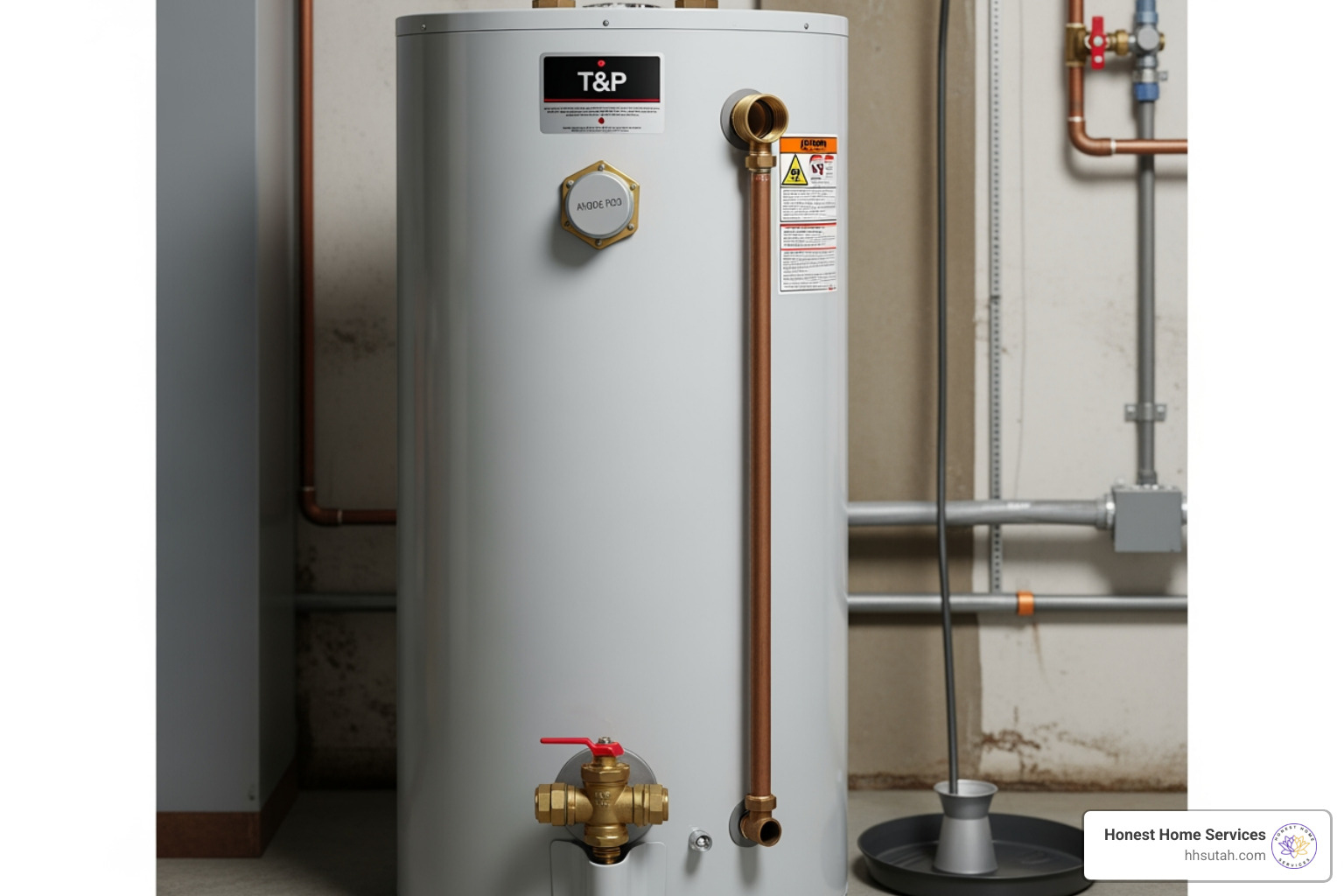
- Faulty T&P Valve: The Temperature and Pressure (T&P) Relief Valve is a safety device that releases water to prevent excessive pressure or temperature. A leak or whistle from the valve could mean it’s faulty or signaling a dangerous internal condition. Proper function is critical. Learn more about this vital component here: More about the Temperature and Pressure (T&P) Relief Valve.
- Loose Drain Valve: The drain valve at the bottom of the tank can loosen or wear out, causing leaks. This is usually a straightforward repair.
- Damaged Gaskets: Gaskets around heating elements or other access points can degrade and cause leaks.
- Pipe Connection Issues: Leaks can originate from the inlet or outlet pipes, which can often be tightened or replaced.
Unusual Noises: Popping, Rumbling, or Whistling
Unusual sounds from your water heater demand attention.
- Sediment Buildup: Popping or rumbling is the most common noise, caused by trapped water boiling under a layer of mineral sediment. This is common with Northern Utah’s hard water and reduces efficiency, increasing energy bills.
- Mineral Deposits on Heating Elements: In electric heaters, mineral deposits can coat the heating elements, causing them to hum or vibrate.
- Water Hammer: A banging or ticking noise when water flow stops abruptly. This is a pipe pressure issue that can stress your water heater’s connections.
- High Water Pressure: Excessive water pressure can strain your water heater and plumbing system, leading to various noises.
- Failing Valve: A whistling sound often indicates restricted water flow from a valve, which could signal dangerously high pressure and requires immediate attention.
Discolored Water or Bad Odors
Discolored or smelly hot water is a clear sign of a problem.
- Corroding Tank: Rust-colored water indicates the tank’s protective lining has failed and the tank is rusting, usually signaling the need for replacement.
- Failing Anode Rod: The “sacrificial” anode rod corrodes to protect the tank. Once depleted, the tank starts to rust, causing discolored water. Replacing it can extend the tank’s life.
- Bacteria in the Tank: A rotten-egg smell is usually caused by bacteria reacting with the anode rod, common with well water. Raising the temperature to 140°F (with safety valves) or changing the anode rod can solve this.
- Rusty Pipes: Old galvanized pipes in your home can also contribute to rust-colored water.
Basic Troubleshooting Steps You Can Take
Before calling for hot water repair, some basic troubleshooting can save you time and money. Safety always comes first! If you’re ever unsure or uncomfortable, especially when dealing with gas or electricity, it’s always best to call a professional.
For Electric Water Heaters
Electric water heaters are generally safer for DIY troubleshooting, but caution is still paramount.
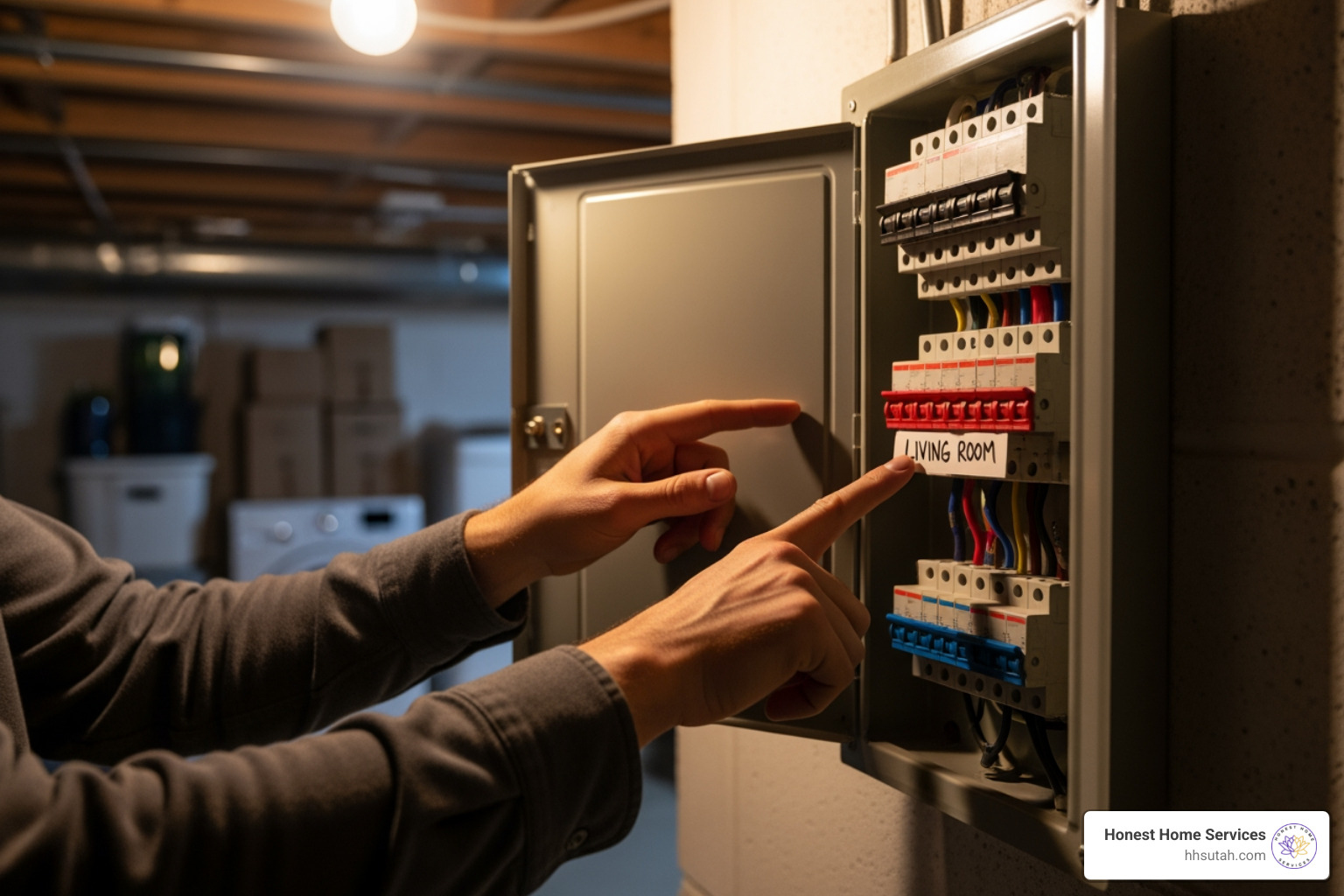
- Check Circuit Breaker: Find the water heater’s breaker in your electrical panel. If it’s tripped, switch it fully OFF, then back ON. If it trips again, call a professional immediately as there’s a more serious electrical issue.
- Reset High-Temperature Cutoff Switch: Electric heaters have a red reset button (usually behind an access panel). Press it to reset. If it keeps tripping, it indicates a problem like a faulty thermostat or heating element.
- Test Heating Elements (with caution): If you have a multimeter and electrical knowledge, you can test heating elements for continuity. A bad element will have no continuity. Parts cost $10-$60.
- Check Thermostat Settings: Ensure the thermostat is set to your desired temperature, typically around 120°F.
For Gas Water Heaters
Troubleshooting a gas water heater involves flammable fuel, so extra caution is advised. If you smell gas, leave the area immediately and call the gas company and then us.
- Check Pilot Light: If there’s no heat, check the pilot light. Follow the manufacturer’s instructions on the unit to relight it safely.
- Ensure Gas Supply is On: Make sure the gas shut-off valve to the water heater is fully open.
- Inspect Thermocouple: If the pilot won’t stay lit, you may have a faulty thermocouple. This safety device shuts off gas if it doesn’t sense a flame. A professional replacement costs around $200.
- Check Thermostat Settings: Just like electric units, ensure the thermostat is set correctly.
For All Water Heaters
These general checks apply regardless of your water heater’s fuel source.
- Check for Obvious Leaks: Visually inspect the entire unit. Minor leaks from connections can sometimes be tightened, but leaks from the tank usually mean replacement.
- Listen for Noises: Pay attention to any unusual sounds like popping, rumbling, or hissing.
- Check Water Color: If your hot water is discolored, let it run for a few minutes. If it doesn’t clear, the problem is likely the water heater.
- Flush the Tank to Remove Sediment: Annually flushing the tank is crucial maintenance, especially with Northern Utah’s hard water. Connect a hose to the drain valve and let it run until the water is clear to remove efficiency-robbing sediment.
For more detailed troubleshooting, you can refer to A guide on how to fix your water heater. If these basic steps don’t resolve the issue, or if you’re dealing with gas or complex electrical components, it’s always safer to call our team of professionals at Honest Home Services.
The Decision Point: When to Repair vs. Replace Your Water Heater
Deciding whether to invest in hot water repair or replace the unit is a tough choice for homeowners. Making the right call can save you significant money and hassle in the long run. There are clear advantages to replacement, especially if your unit is aging or constantly breaking down. You can learn more about the benefits of a new unit on our page about Advantages of Water Heater Replacement.
Key Factors to Consider
We advise our customers in Salt Lake County, Davis County, and beyond to consider these factors when weighing repair vs. replacement:
| Factor | Repair Usually Better | Replace Usually Better |
|---|---|---|
| Age of Unit | Under 10 years old | Over 10 years old (conventional) or 15+ years (tankless) |
| Repair Cost | Under $300 (often prolongs life) | Over $500 (or more than 50% of new unit cost) |
| Tank Condition | No leaks, good internal condition | Leaking from the tank itself |
| Frequency of Issues | First time, minor issue | Recurring problems, frequent breakdowns |
| Energy Efficiency | Unit is already relatively efficient | Older, inefficient unit (pre-2015 energy standards) |
The average conventional water heater lasts about eleven years. Tankless water heaters can last around 20 years. If your unit is over 10 years old or shows signs of internal tank leakage, replacement is usually more cost-effective. Preventative care can extend your water heater’s life by 3–5 years.
Understanding the Cost of Hot Water Repair
The cost of hot water repair varies widely. Knowing these typical costs helps you make an informed decision.
- Average Repair Costs: Repairs range from $90 to $1,750, depending on the heater type, issue, and local labor rates.
- Heating Element Replacement Cost: This repair for electric heaters typically costs $200-$300. The part itself is inexpensive ($10-$60).
- Thermostat Replacement Cost: This repair costs between $150 and $200. The part is about $20.
- Gas Control Valve Cost: A complex repair for gas heaters, this ranges from $300 to $500 due to its critical safety function.
- Anode Rod Cost: The part is about $50, with professional replacement costing around $250-$300.
- Leaking Tank: A leak from the tank itself indicates severe internal corrosion and requires replacement, costing $1,500 to $3,000 for a new unit and installation.
- Pilot Light/Thermocouple: For gas heaters, this repair costs $120-$200.
- Igniter: Replacing an igniter can cost $75-$350.
For more information on various repair costs and issues, explore our Tag: Water Heater Repair section.
Professional Hot Water Repair: When and Why to Call an Expert
While some troubleshooting is DIY-friendly, many hot water repair tasks require professional expertise for safety and a lasting solution. We understand the urgency of a broken water heater, which is why we offer 24/7 emergency support. If you’re facing a crisis, check out our guide on Handling Emergency Water Heater Repairs.
Benefits of Hiring a Professional
Choosing a professional for your hot water repair brings several undeniable advantages:
- Correct Diagnosis: Our technicians accurately diagnose the root cause, preventing trial-and-error repairs and ensuring it’s fixed right the first time.
- Long-Term Solutions: We provide lasting repairs with quality parts to extend your unit’s life and efficiency, backed by our satisfaction guarantee.
- Safety Compliance: Professionals adhere to safety protocols and building codes, mitigating the risks of high pressure, electricity, and gas.
- Efficiency Optimization: A professional repair ensures your unit operates at peak efficiency, lowering energy bills and providing consistent hot water.
- Peace of Mind: Knowing an expert has serviced your water heater provides invaluable peace of mind.
DIY vs. Professional Hot Water Repair
We believe in empowering homeowners, but also in knowing when to call for help.
- Simple Tasks (DIY Friendly):
- Flushing the Tank
- Checking/Relighting Pilot Light
- Resetting a Tripped Breaker or High-Temp Cutoff
- Checking Thermostat Settings
- Tightening Loose Connections
- Complex Tasks (Call a Pro):
- Heating Element Replacement: Requires electrical expertise.
- Valve Repair/Replacement: Tricky and critical for safety.
- Anode Rod Replacement: Can be challenging to access and replace correctly.
- Gas Control Valve Repair: Highly specialized task involving gas lines.
- Internal Tank Leaks: Requires professional replacement.
Gas vs. Electric Complexity: For gas water heaters, we always recommend professional help for anything beyond relighting the pilot due to inherent risks. While electric heaters allow for more DIY, electrical work should only be done by those with experience.
When in doubt, call us out! It’s always better to be safe than sorry. Our team at Honest Home Services is ready to assist homeowners throughout Lehi, Saratoga Springs, and all our Northern Utah service areas.
Frequently Asked Questions about Water Heater Repair
Here are answers to common questions we receive about hot water repair.
How can regular maintenance prevent costly repairs?
Regular maintenance is a small investment that prevents much larger, more expensive problems.
- Annual Flushing: Removes sediment buildup, which improves efficiency, reduces noise, and prevents damage.
- Anode Rod Inspection: Inspecting and replacing the anode rod every 3-5 years prevents tank corrosion and is much cheaper than a full replacement.
- T&P Valve Testing: Annual testing ensures this critical safety device works correctly.
- Extends Lifespan: Proper maintenance can add 3-5 years to your water heater’s life.
- Improves Efficiency: A well-maintained unit heats water more efficiently, lowering your energy bills.
- Prevents Sediment Buildup: Regular maintenance directly combats this common problem, especially with our area’s hard water.
Most units need servicing every 2–3 years, but older systems may require annual attention. A small investment in a check-up can prevent a costly replacement.
What is the average lifespan of a water heater?
The lifespan of your water heater depends on its type, maintenance, and water quality.
- Conventional Tank Water Heaters: Average about eleven years, but can last 20+ years with good maintenance.
- Tankless Water Heaters: Often last around 20 years with proper maintenance.
- Maintenance Impact: Regular maintenance is key and can extend your water heater’s life by 3–5 years.
- Water Quality Factors: Hard water, common in Northern Utah, accelerates corrosion and sediment buildup. A water softener can extend your unit’s life.
Why is my new water heater already having problems?
While rare, new water heaters can have problems for a few reasons:
- Improper Installation: This is a leading cause of early failure. Incorrect installation can cause leaks, supply problems, and inefficiency.
- Faulty Part from Manufacturer: Occasionally, a new unit has a defective part, which is typically covered by the manufacturer’s warranty.
- Incorrect Size for Home: An undersized unit will constantly struggle to keep up, leading to insufficient hot water and premature wear.
- Water Quality Issues: Even a new heater can suffer from very hard water, which can cause sediment to build up quickly.
Conclusion: Restoring Your Comfort and Peace of Mind
Dealing with a faulty water heater is never fun. From the shock of a cold shower to the worry of a leaking tank, these issues can quickly disrupt the comfort and routine of your home. But as we’ve explored, understanding the common signs, knowing some basic troubleshooting, and making informed decisions about repair versus replacement can empower you to tackle these challenges effectively.
Remember to:
- Diagnose Symptoms: Pay attention to any unusual noises, leaks, temperature changes, or water discoloration.
- Attempt Simple Troubleshooting: For minor issues, a quick check of the circuit breaker, pilot light, or thermostat settings might be all it takes.
- Make an Informed Repair vs. Replace Decision: Consider your water heater’s age, the cost of repair, and the severity of the problem. If it’s old and leaking, replacement is often the smartest choice.
- Prioritize Maintenance: Regular flushing and inspections are your best defense against costly breakdowns and can significantly extend your unit’s life.
When the problem is beyond a simple fix, or if you’re dealing with the complexities of gas lines or high-voltage electricity, the value of professional help cannot be overstated. Our team at Honest Home Services is dedicated to providing honest, reliable, and affordable plumbing services, including expert hot water repair, throughout Northern Utah. We proudly serve Salt Lake City, Salt Lake County, Davis County, Clearfield, Layton, Kaysville, Farmington, Bountiful, West Valley, Murray, West Jordan, South Jordan, Bluffdale, Herriman, Draper, Park City, Tooele, Lehi, and Saratoga Springs.
We’re here to restore your hot water, your comfort, and your peace of mind, guaranteed. For expert assistance in Northern Utah, schedule your Salt Lake City Water Heater Repair with us today.