
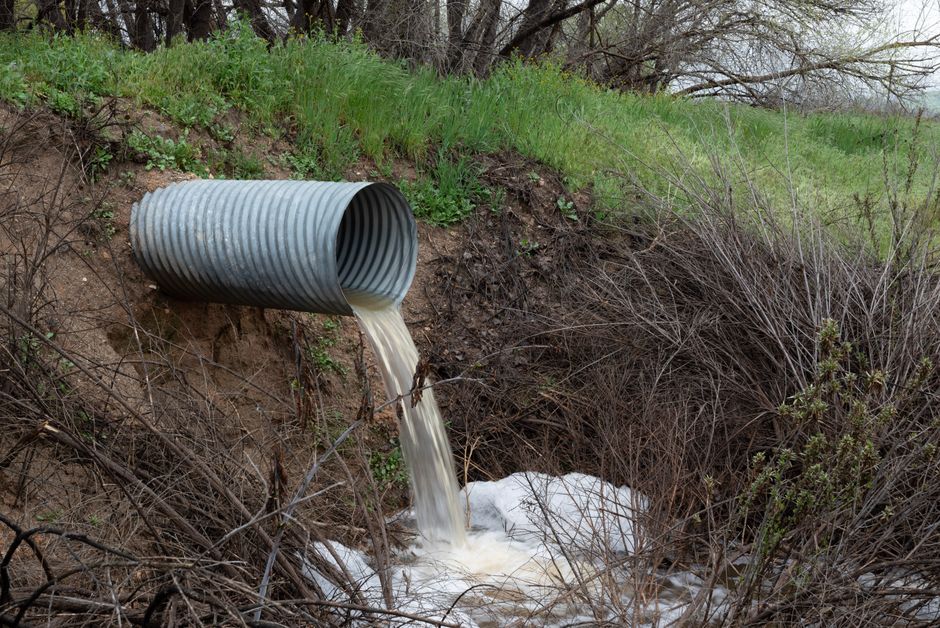
Why Cleaning Out Clogged Underground Drain Pipes Is More Urgent Than You Think
Cleaning out clogged underground drain pipes is something most homeowners put off — until water starts pooling near the foundation or the yard turns into a swamp after every rainstorm.
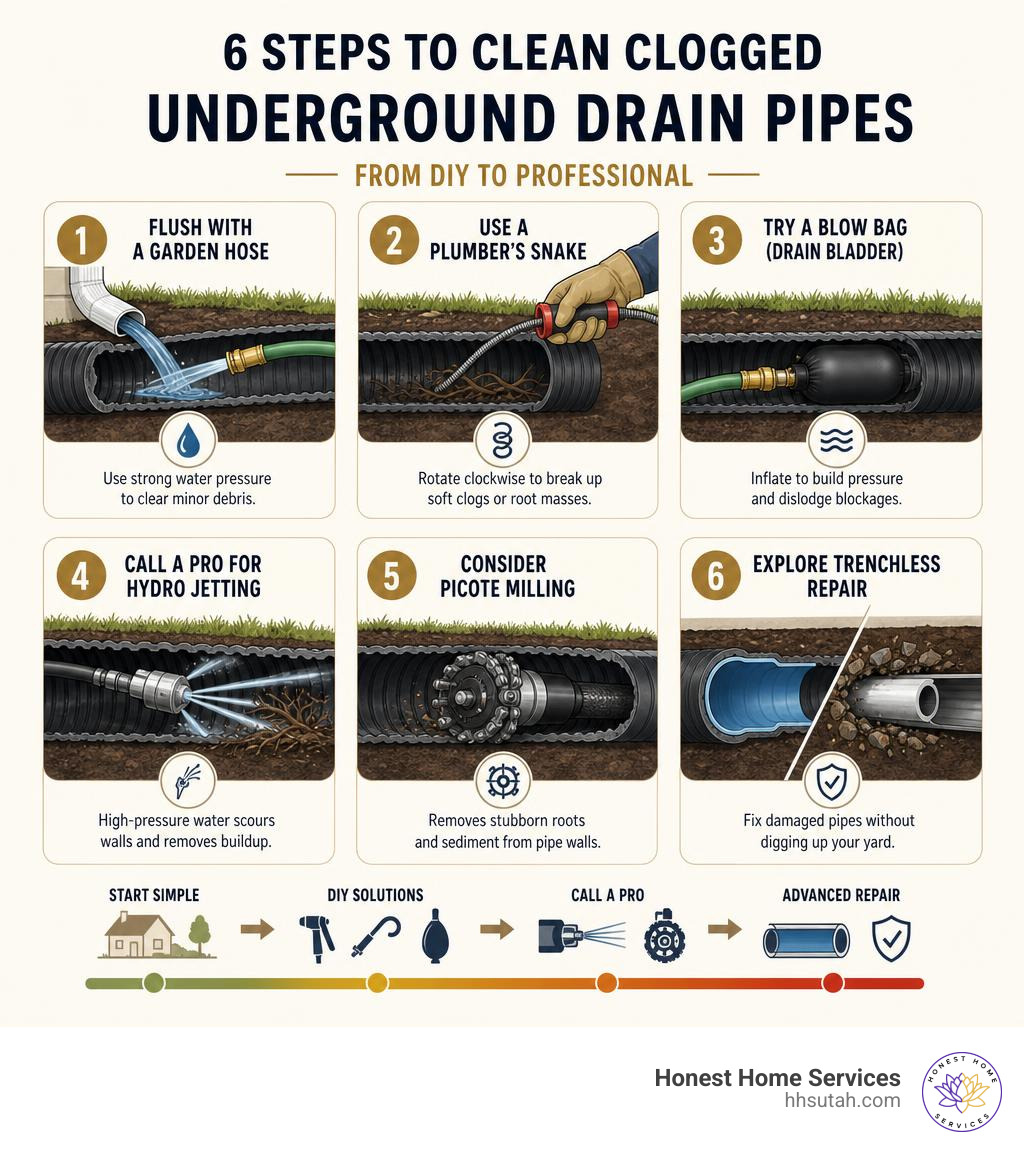
Here’s a quick overview of how to tackle the problem:
- Flush with a garden hose — Disconnect the downspout and push water through at full pressure to clear minor debris.
- Use a plumber’s snake — Feed the cable into the pipe and rotate clockwise to break up soft clogs or root masses.
- Try a blow bag (drain bladder) — Attach to a garden hose inside the pipe to build pressure and dislodge blockages.
- Call a pro for hydro jetting — High-pressure water (up to 4,000 PSI) scours pipe walls and removes up to 100% of grease, roots, and sediment.
- Consider Picote milling — For stubborn root or sediment buildup, a milling machine cleans wall-to-wall inside the pipe.
- Explore trenchless repair — When the pipe is damaged, cured-in-place lining or pipe bursting can fix it without digging up your yard.
Start simple. If a garden hose flush doesn’t work, escalate to a snake — then call a professional before you make the problem worse.
Underground drain systems are easy to ignore. They’re buried, out of sight, and rarely cause trouble — until they do. When a blockage forms, the consequences can be serious: foundation damage, soil erosion, flooded basements, and standing water that attracts pests and mold. According to industry data, tree roots alone account for roughly 50% of all residential underground drain blockages, and corrugated pipes are 3 to 5 times more likely to clog than smooth PVC pipes.
The good news? Most clogs are fixable — and many are preventable.
At Honest Home Services, we’ve spent over 20 years helping Utah homeowners tackle exactly these kinds of problems, from simple garden hose flushes to full hydro jetting and sewer line repairs. Cleaning out clogged underground drain pipes is one of the most common calls we get — and we’ve seen every version of this problem. This guide covers everything you need to know to diagnose, fix, and prevent underground drain clogs.
Must-know cleaning out clogged underground drain pipes terms:
Identifying the Culprits and Signs of a Clogged Underground Drain
Because underground pipes are buried beneath layers of soil, grass, or concrete, you can’t simply look at them to see a blockage. Instead, you have to read the clues your home is giving you.
How do you know if your underground drain is clogged? Keep an eye out for these telltale signs:
- Standing Water Near Downspouts: If water pools around the base of your downspout adapter during a storm, the water has nowhere else to go because the underground pipe is blocked.
- Overflowing Gutters: If your gutters are clear of leaves but water still spills over the edges during rain, a downstream blockage is backing up the entire system.
- A Soggy, Squishy Yard: Unusually lush, wet patches of grass that never seem to dry out—especially near the path of your underground pipes—suggest a leak or break caused by a stubborn clog.
- Basement Dampness and Mold: When water cannot drain away from your home, it pools against the foundation, eventually seeping through porous concrete and causing damp basements or mold growth.
- Foul Sewer Odors: A buildup of organic debris, stagnant water, and rotting leaves inside a blocked pipe produces a noticeable, swampy smell near your yard’s drain grates.
Most residential underground clogs are caused by a combination of organic debris (leaves, twigs, and dirt) and shingle granules. Asphalt shingles shed small granules over time, which wash into the gutters, travel down the downspout, and settle in the low points of underground pipes. Over time, these heavy granules pack together with dirt and organic matter, forming a concrete-like sludge that is incredibly difficult to clear.
In more severe cases, these symptoms can point to a larger issue with your main waste line. If you notice slow drains throughout your entire home or sewage backup in lower-level fixtures, you may be dealing with the signs of a main line backup.
For specialized outdoor systems, scheduling a professional downspout cleaning is often the fastest way to trace the issue and restore proper water flow before structural damage occurs.
How Pipe Material Affects Clogging Risk
The material of your underground pipes plays a massive role in how easily they clog and how they must be cleaned.
Many builders historically used flexible corrugated black plastic pipe because it is cheap and easy to install. However, corrugated pipe is highly prone to catching debris due to its ridged interior surface. These ridges act like tiny speed bumps, trapping shingle granules, dirt, and leaves. Furthermore, corrugated pipe connections are rarely watertight, making them highly susceptible to root intrusion.
On the other hand, solid PVC pipe (such as Schedule 40 or SDR 35) is the gold standard for underground drainage. Its smooth interior allows water and debris to glide through effortlessly. Because the joints are solvent-welded (glued), they form a watertight seal that prevents roots from sensing moisture and invading the pipe.
Differentiating Between Gutter and Underground Clogs
Before you start digging or buying expensive tools, you need to isolate the clog. Is the blockage in the vertical downspout attached to your siding, or is it deep in the underground pipe?
You can easily determine this with a simple garden hose test:
- Locate the downspout adapter where the metal gutter downspout meets the plastic underground drain pipe.
- Disconnect the metal downspout from the adapter.
- Insert your garden hose directly into the underground pipe adapter and turn the water on high.
- The Verdict: If water flows freely into the pipe without backing up, your underground system is clear, and the clog is in your vertical metal downspout. If water immediately gushes back out of the adapter, the clog is located downstream in the underground pipe.
Most underground clogs occur at transition points, elbows, or where the pipe meets the main street curb or bubbler pot. If your test confirms an underground blockage, check out these signs you need professional drain cleaning to decide if a DIY approach is safe for your specific setup.
DIY Methods for Cleaning Out Clogged Underground Drain Pipes
If you have confirmed that the blockage is in the underground portion of your drain, you can attempt several DIY methods to clear it before calling in the professionals.
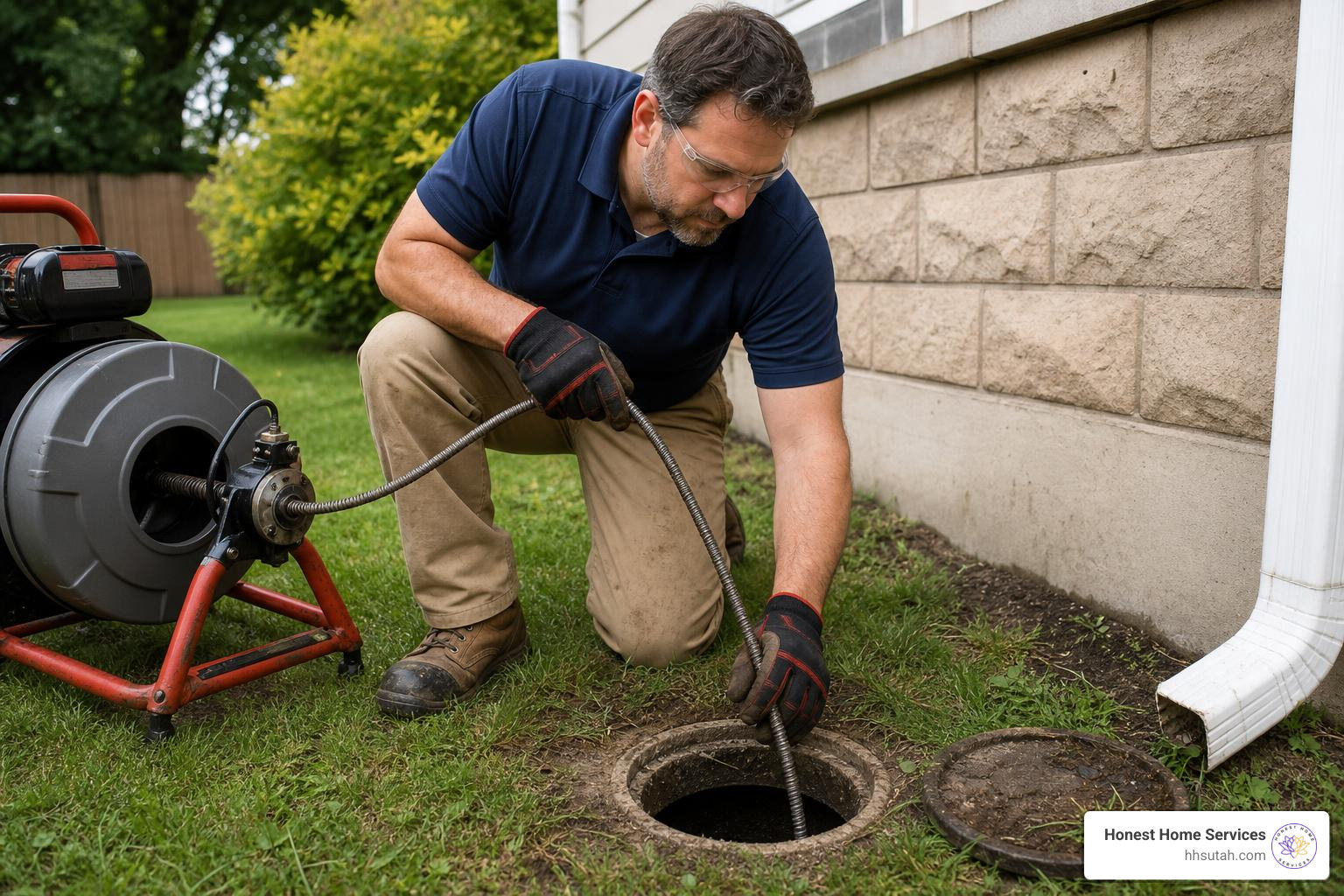
For a complete overview of home drain care, check out our DIY drain cleaning guide. For underground lines specifically, try these three main DIY techniques:
- The Garden Hose Flush: Sometimes, all a minor clog needs is a bit of water pressure. Remove the downspout adapter, insert your garden hose as far into the pipe as possible, and wrap a rag tightly around the opening to build temporary pressure. Turn the water on full blast to push the debris through.
- The Plumber’s Snake (Drain Auger): A manual or electric drain snake is highly effective at breaking up packed leaves, dirt, and small roots.
- The Wet/Dry Shop Vac: If the clog is close to the pipe opening, you can create a seal with a rag around your shop vac hose and attempt to suck the debris out of the pipe rather than pushing it further down.
- Baking Soda and Vinegar: For minor organic buildup near the surface, pouring a cup of baking soda followed by a cup of vinegar down the line can help break up sticky organic residue. Flush with hot water after 15 minutes. Note: Avoid commercial chemical drain cleaners, as they can weaken plastic pipes and harm the local Utah environment.
Step-by-Step Guide to Cleaning Out Clogged Underground Drain Pipes with a Snake
Using a plumber’s snake is the most reliable DIY method for mechanical blockages. Here is how to do it safely:
- Expose the Drain Access: Disconnect the downspout from the underground adapter so you have direct, straight-line access to the pipe.
- Insert the Cable: Slowly feed the snake cable into the pipe. If you are working with corrugated pipe, proceed with extreme caution; aggressive movements can puncture the thin plastic walls.
- Navigate Bends: When you hit resistance, it may simply be an elbow or transition point. Gently wiggle and rotate the snake while pushing forward to navigate the bend.
- Engage the Clog: Once you reach the actual blockage, rotate the snake handle clockwise. This allows the corkscrew tip to bite into the clog.
- Retrieve and Flush: Slowly pull the snake back. It should bring chunks of leaves, roots, or compacted dirt with it. Repeat this process until you no longer feel resistance, then flush the line thoroughly with a garden hose to wash away any remaining loose sediment.
Using Blow Bags for Cleaning Out Clogged Underground Drain Pipes
A blow bag (also known as a drain bladder) is an excellent, inexpensive tool for clearing packed debris like shingle granules.
The tool attaches directly to your garden hose and is inserted deep into the clogged pipe. When you turn on the water, the rubber bladder expands to seal itself against the pipe walls. Once sealed, it releases a concentrated, high-pressure stream of water directly ahead of it to blast through the clog.
A Word of Caution: While highly effective, blow bags carry risks. If you use a blow bag in old, brittle, or cracked clay pipes, the expansion pressure and water backpressure can crack or completely collapse the pipe underground. Only use blow bags on structurally sound, solid PVC lines.
Professional Unclogging Techniques: Pros, Cons, and Safety
When DIY methods fail, or if you suspect tree roots have invaded your lines, it’s time to bring in professional tools.
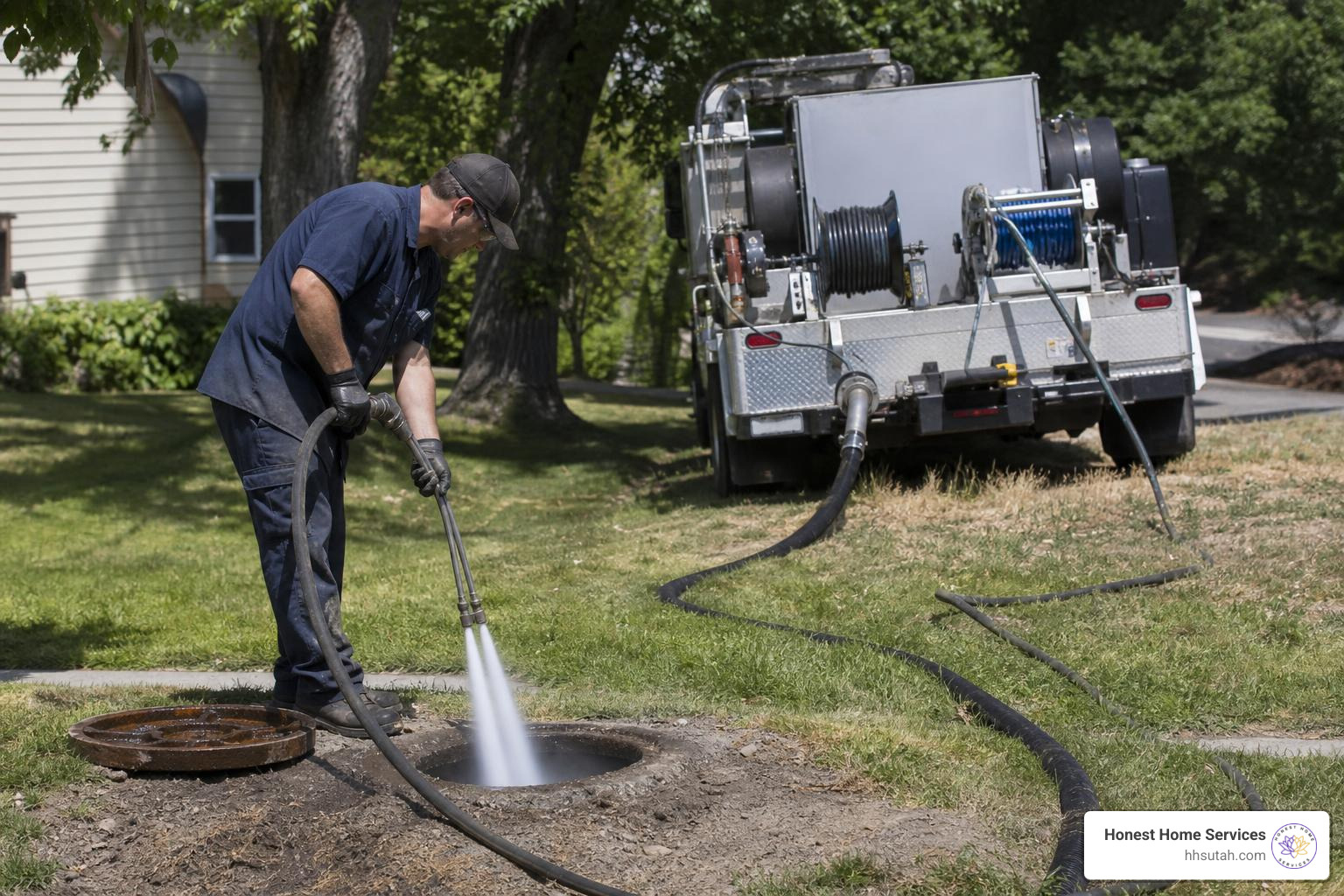
Plumbers use several advanced technologies to clear underground lines. To help you understand your options, we’ve broken down the pros, cons, and costs of the most common professional methods:
| Method | Best For | Pros | Cons |
|---|---|---|---|
| Cable Rodding (Snaking) | Soft clogs, minor tree roots | Affordable, widely available, highly effective at poking a hole through solid blockages | Only removes about 30% of grease and fine roots; can damage fragile corrugated pipes |
| Hydro Jetting | Grease, heavy sediment, sand, thick root masses | Removes up to 100% of debris; restores pipe to original flow capacity; long-lasting | Not safe for structurally compromised or brittle pipes; higher upfront cost |
| Picote Milling | Hard mineral scale, concrete, heavy root intrusion | Cleans walls 100% using spinning carbide heads; excellent for restoring old cast iron | Expensive; requires highly trained technicians to avoid pipe damage |
| Blow Bags | Compacted dirt, shingle granules | Cost-effective; great for simple residential lines | Risk of pipe rupture if used incorrectly or on weak pipes |
If you are experiencing persistent backups or suspect a deeper mainline issue, scheduling a professional drain cleaning in Salt Lake City will give you peace of mind and prevent costly yard excavations.
The Power of Hydro Jetting and Picote Milling
For severe blockages, traditional snaking often acts as a temporary band-aid because it only pokes a small hole through the clog. To completely restore your pipe’s diameter, we rely on hydro jetting and Picote milling.
Hydro jetting uses specialized machines that pump water at pressures up to 4,000 PSI through heavy-duty hoses. The nozzles feature forward-facing jets to break up blockages and rear-facing jets to propel the hose forward while scouring the pipe walls. This process removes grease, dirt, and fine root hairs, leaving the pipe completely clean. Learn more about the physics behind this process in our guide on how hydro jetting works.
For extreme obstructions—such as concrete, grout, or heavy mineral scale—we use Picote milling machines. These systems combine a rotating cable with specialty carbide-tipped heads that spin rapidly to grind away blockages wall-to-wall. This technology is so powerful that specialized industrial versions are even used for breaking through grout in a 525mm surface water line.
Safety Considerations and Risks of High-Pressure Cleaning
While hydro jetting is incredibly effective, it is not a DIY project. Operating a jetter at 4,000 PSI requires expert training to avoid serious injuries and property damage.
- Pipe Damage: High-pressure water can easily obliterate older clay pipes, rusted cast iron, or thin corrugated plastic. A professional must always perform a camera inspection first to check the pipe’s structural integrity.
- Physical Injury: Water at 4,000 PSI can cut through skin and protective gear in a fraction of a second.
- Contamination: Blowbacks can occur if the nozzle hits a solid blockage, spraying wastewater and bacteria back out of the cleanout.
Before choosing this method, read about the hydro jetting benefits to see if your home is a good candidate.
Trenchless Solutions and Tree Root Removal for Damaged Pipes
Tree roots are biologically programmed to seek out moisture and nutrients. Because underground sewer and drainage pipes carry warm, nutrient-rich water, roots can detect them from up to 100 feet away. They enter through cracks as small as 1/16th of an inch, eventually growing into massive root balls that completely block water flow.
Once roots have invaded, simple mechanical removal is only a temporary fix; they will typically grow back within 6 to 12 months. To solve this permanently, we recommend a combination of hydro jetting, foaming root inhibitors, and structural repairs. Explore our complete tree root removal guide for a deeper dive into evicting these subterranean invaders.
When to Choose Trenchless Repair Over Excavation
Historically, fixing a collapsed or root-damaged underground pipe meant bringing in heavy machinery to dig up your entire lawn, driveway, or patio. Today, we can avoid that destruction using trenchless pipe repair.
Trenchless technology offers two main methods:
- Pipe Lining (Cured-In-Place Pipe or CIPP): An epoxy-saturated felt tube is inserted into the damaged pipe and inflated. Once the epoxy cures, it creates a brand-new, jointless, watertight pipe inside the old one.
- Pipe Bursting: A heavy pulling head is pulled through the old pipe, breaking it apart while simultaneously pulling a brand-new, solid HDPE pipe into place behind it.
Trenchless repairs can typically be completed in a single day, preserve your beautiful landscaping, and provide a durable repair with a lifespan of over 50 years.
Preventative Measures for a Clog-Free Future
The best way to deal with a clogged underground drain is to prevent it from happening in the first place. By taking a few proactive steps, you can avoid 80% of emergency plumbing issues.
- Install Gutter Guards: Micro-mesh gutter guards block leaves, pine needles, and shingle granules from entering your gutters while allowing water to flow freely.
- Use Catch Basins: Installing a catch basin at the transition point between your vertical downspout and underground pipe traps heavy debris and shingle grit before it can enter the underground line. You simply empty the catch basin basket a few times a year.
- Annual Flushing: Every spring, insert your garden hose into your underground drains and flush them with water on high pressure for 5 to 10 minutes to wash away loose dirt before it compacts.
- Root Barriers: If you are planting new trees, install physical root barriers or plant water-seeking species (like willow or maple trees) at least 15 to 20 feet away from your drainage lines.
For more expert advice, read through our preventative drain maintenance checklist to keep your home’s plumbing running smoothly all year long.
Frequently Asked Questions about Underground Drain Cleaning
Can I use a pressure washer to clear my underground drain?
Yes, you can use a residential pressure washer if you equip it with a specialized sewer jetter attachment. These attachments have nozzles designed to pull the hose forward and flush out debris.
However, you must exercise extreme caution. If your underground pipes are made of thin corrugated plastic or older clay, the high pressure can easily puncture or shatter them. Always start at a low pressure setting and consult a professional if you aren’t sure what material your pipes are made of.
How often should underground drains be cleaned?
We recommend performing a basic flush with a garden hose once a year, preferably in late autumn after all the leaves have fallen. For homes with mature trees near the drainage lines, scheduling a professional camera inspection and preventative drain cleaning every two years will prevent minor root intrusions from turning into costly, collapsed pipes.
What is the best pipe material for underground downspouts?
The absolute best material for underground downspouts is solid PVC pipe (Schedule 40 or SDR 35). Unlike corrugated pipe, solid PVC has a completely smooth interior that prevents debris from catching. Its glued, solvent-welded joints are completely watertight, making it highly resistant to tree root intrusion and crushing.
Conclusion
Cleaning out clogged underground drain pipes is essential to protecting your home’s foundation, basement, and landscaping from water damage. Whether you tackle minor clogs yourself with a garden hose and a plumber’s snake, or require the advanced power of professional hydro jetting, taking action early will save you thousands of dollars in repairs down the road.
At Honest Home Services, we are committed to providing Northern Utah homeowners with honest, reliable, and affordable plumbing solutions. From Salt Lake City and West Valley to Layton, Bountiful, and Farmington, our expert local technicians are ready to help you clear any drainage drama.
If you are dealing with a stubborn clog, don’t wait for the next heavy rainstorm. Schedule your professional drain cleaning in Salt Lake City with us today, and let us restore your peace of mind!