

What a Main Line Backing Up Really Means (And What to Do)
A main line backing up means the primary pipe carrying all wastewater away from your home is blocked — and sewage has nowhere to go but back inside.
Here’s a quick summary of what you need to know:
| Question | Quick Answer |
|---|---|
| What causes it? | Tree roots, grease buildup, aging pipes, heavy rain, or non-flushables |
| Key warning signs | Multiple slow drains, gurgling toilets, sewage odors, floor drain overflow |
| Is it an emergency? | Yes — stop using all water and call a plumber immediately |
| Can you fix it yourself? | No — main line clogs require professional tools and diagnosis |
| How to prevent it? | Regular inspections, flush only toilet paper, manage trees near sewer lines |
You probably don’t think much about your sewer line — until the toilet starts backing up, the shower fills with dirty water, and something smells very wrong. Unlike a single clogged drain, a main line backup affects your entire plumbing system. It can turn from an inconvenience into a health hazard and a costly repair in a matter of hours.
This guide walks you through everything: the warning signs, the causes, what to do in an emergency, and how to protect your home going forward.
At Honest Home Services, we’ve spent over 20 years helping Northern Utah homeowners and businesses deal with main line backing up situations — from emergency cleanouts to full sewer line replacements. We’re here to help you understand the problem and fix it right the first time.
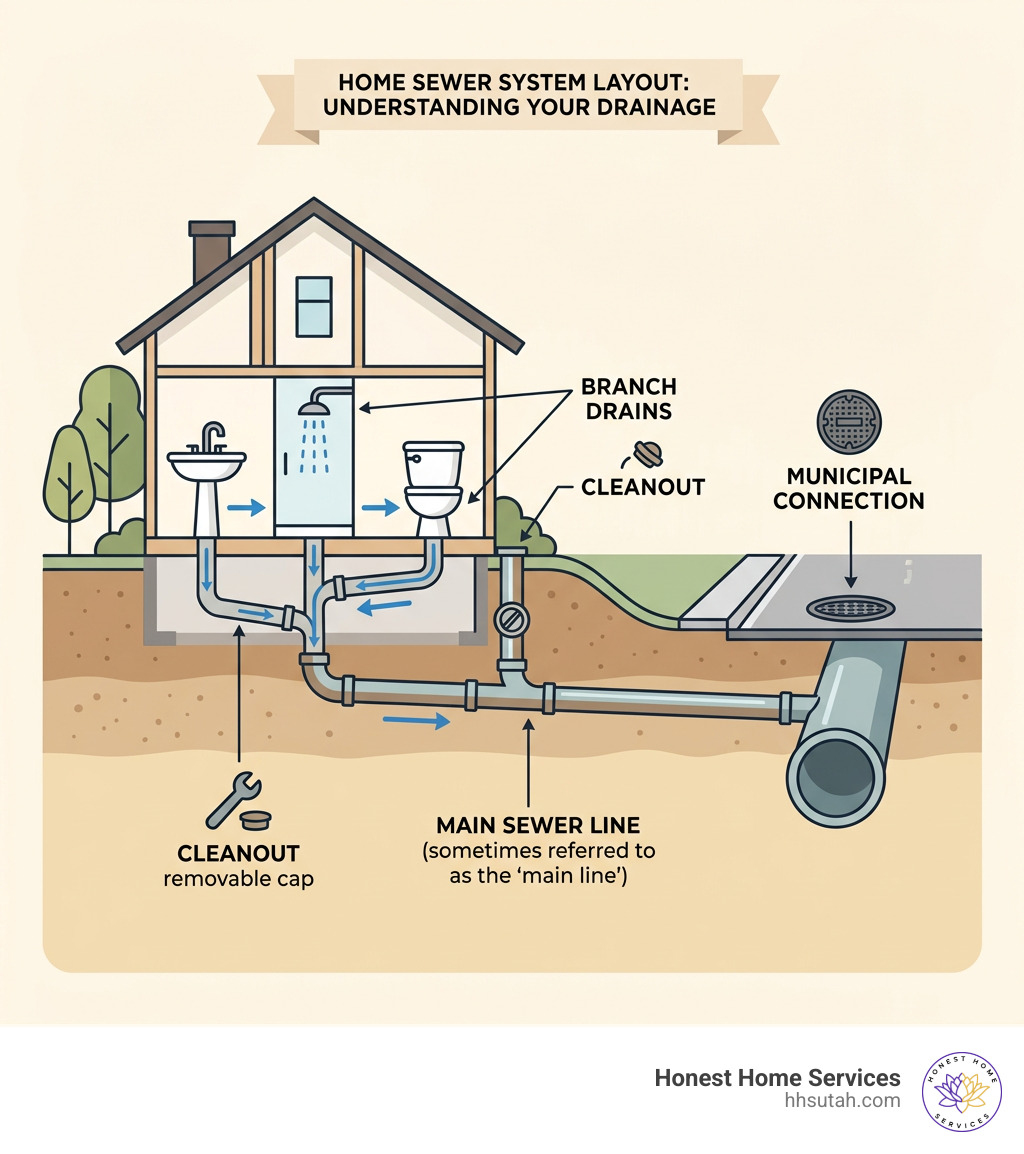
Handy main line backing up terms:
Warning Signs of Your Main Line Backing Up
When your plumbing starts acting possessed, it’s rarely a ghost—it’s usually your sewer line screaming for help. Because the main sewer line is the “trunk” of your plumbing tree, a clog there affects every “branch” (your sinks, tubs, and toilets) simultaneously.
The most common red flag is multiple slow drains. If your kitchen sink is slow, it might just be some old pasta. But if your kitchen sink, bathroom tub, and laundry drain are all sluggish at the same time, you are likely dealing with a main line backing up.
Another telltale sign is the “gurgle.” If you flush the toilet and hear a glug-glug sound coming from the shower drain, or if the toilet bubbles when the washing machine drains, that’s trapped air being pushed back through the system because the wastewater has nowhere else to go.
Main Line Backing Up vs. Localized Drain Clogs
How do you tell the difference between a simple hair clog in the tub and a full-blown mainline disaster? It all comes down to geography and gravity.
| Feature | Localized Drain Clog | Main Line Backup |
|---|---|---|
| Affected Fixtures | Only one (e.g., just the sink) | Multiple fixtures throughout the home |
| Reaction to Other Fixtures | Using the sink doesn’t affect the toilet | Flushing the toilet causes the shower to back up |
| Lowest Drains | Usually unaffected | Basement or ground-floor drains overflow first |
| Odors | Localized to the drain | Pervasive “rotten egg” or sewage smell |
In a gravity-fed system, wastewater always seeks the lowest exit. This is why basement floor drains or showers on the lowest level are often the first places you’ll see standing sewage. If you’re seeing From Gurgles To Gushers Your Guide To Main Line Clogs, it’s time to stop the water and start the repairs.
Identifying Red Flags in the Sewer Cleanout
If you suspect a main line backing up, your first stop should be the sewer cleanout. This is typically a 4-inch diameter pipe with a screw-on cap located outside your home (often near the foundation) or in the basement.
If you remove the cap and see standing water or raw sewage inside the pipe, you have confirmed a mainline blockage. You might also notice soggy, foul-smelling patches in your yard or even sewage bubbling up through the soil near the cleanout. These are serious indicators that your mainline plumbing service needs an expert touch immediately.
Common Causes of Sewer Main Failure
Why does a main line backing up happen in the first place? Often, it’s a combination of human error and the relentless march of time.
- Grease and “Sludge”: Pouring warm bacon grease down the sink seems harmless until it cools and solidifies deep in your pipes. Over time, this creates a sticky “sludge” that catches other debris, narrowing the pipe until nothing can pass.
- The “Flushable” Myth: Despite what the packaging says, “flushable” wipes do not break down like toilet paper. They act like bricks in your sewer line, especially when combined with grease.
- Pipe Bellies: As the ground shifts in Northern Utah, sections of your sewer pipe can sag, creating a “belly.” Waste gets trapped in these low spots, eventually causing a complete blockage.
- Aging Infrastructure: Many homes in Salt Lake City and surrounding areas still have original clay or cast iron pipes. These materials eventually crack, corrode, or collapse under the weight of the soil.
For a deeper dive into how these systems fail, check out Mainline Mayhem Tackling Home Sewer And Sewage Backup Repairs.
How Tree Roots Cause a Main Line Backing Up
Tree roots are the “silent ninjas” of the plumbing world. They are naturally attracted to the moisture and nutrients found inside sewer pipes. Even a tiny hairline crack in an old clay pipe is enough for a root to enter. Once inside, the root thrives, growing into a thick, matted “root ball” that acts like a filter, catching toilet paper and solids.
This is a major issue in older neighborhoods with mature landscaping. If you have large trees within 30 feet of your sewer line, you are at a higher risk. We often recommend mainline inspection services to catch these roots before they cause a total collapse. Learn more about protecting your pipes from nature at Arbor Day Tree Care.
The Impact of Heavy Rain and Flooding
Northern Utah isn’t known for constant rain, but when we get heavy spring downpours or rapid snowmelt, the municipal sewer system can become overwhelmed. This is known as a combined sewer overflow. When the city’s main lines are full, the excess water can push backward into residential service lines. If your home is in a low-lying area, this can result in a main line backing up through your basement drains. For those looking to upgrade their connection, see our guide on Connecting To Sewer Main Line.
Emergency Response and Health Hazards
A main line backing up isn’t just a mess; it’s a legitimate health emergency. Raw sewage contains a cocktail of pathogens, including E. coli, Hepatitis A, and Salmonella.
Immediate Steps to Take:
- Stop Using Water: Every time you flush or run a faucet, you are adding more wastewater to the backup.
- Turn Off the Main Water Valve: This prevents any accidental water use (like an ice maker or water softener cycle) from making the situation worse.
- Shut Off Electricity: If sewage has reached electrical outlets or your furnace in the basement, turn off the power at the breaker box—but only if you can reach the box without stepping in water.
- Avoid the Area: Keep children and pets away from contaminated areas.
If you are currently facing this nightmare, refer to When Your Main Line Breaks A Homeowners Emergency Guide for a step-by-step safety checklist. You can also find high-level advice from This Old House on Sewer Backups.
Professional Solutions and Repair Costs
Gone are the days when every sewer repair required digging a massive trench through your prize-winning rose bushes. Modern technology allows us to diagnose and fix a main line backing up with much less destruction.
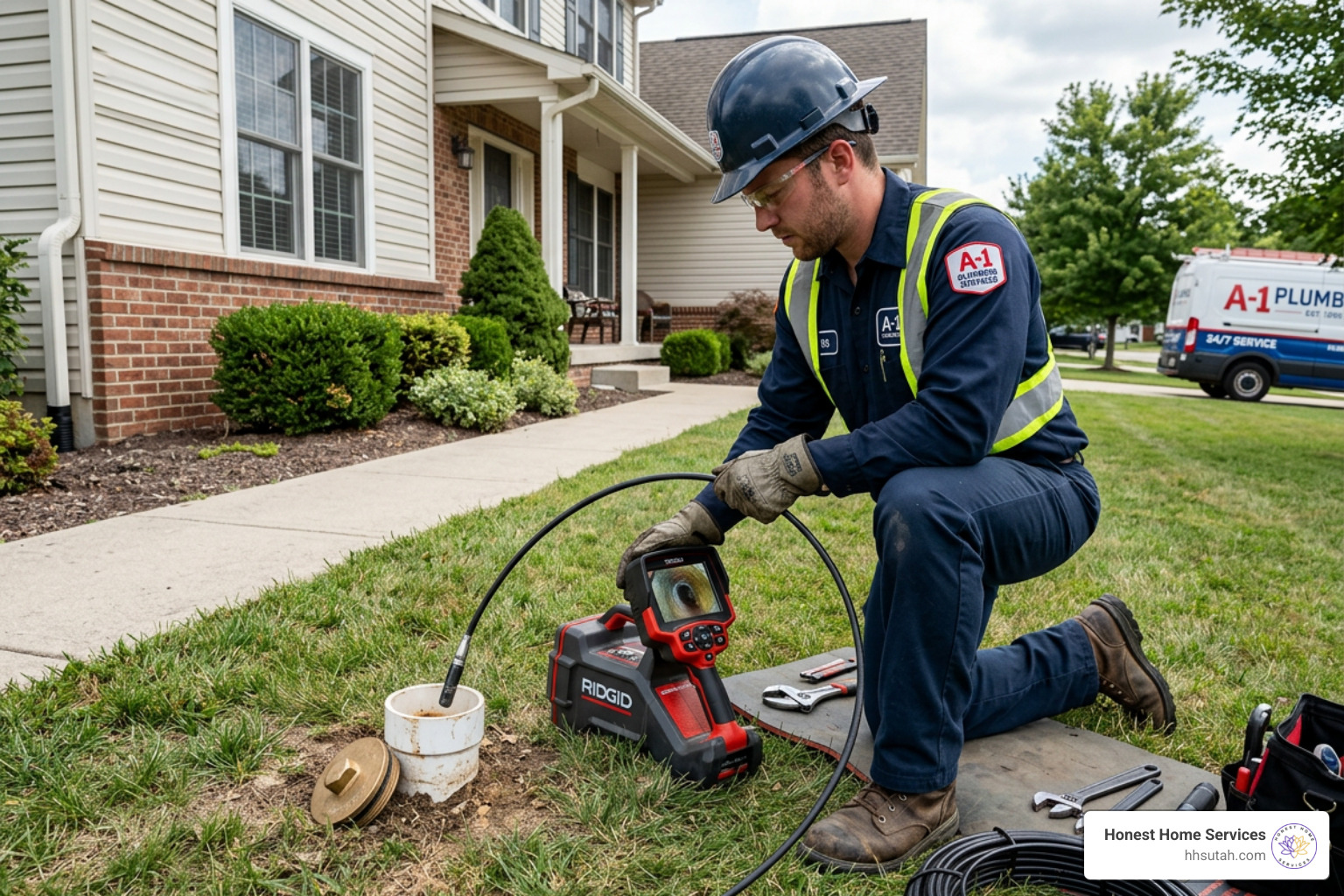
- Sewer Camera Inspection: We send a high-definition waterproof camera down the line to see exactly what’s happening. Is it roots? A collapsed pipe? A toy car? The camera tells all.
- Hydro-Jetting: Think of this as a pressure washer for your pipes. It uses high-pressure water to blast away grease, scale, and even small tree roots, leaving the pipe walls clean.
- Trenchless Pipe Lining: If the pipe is cracked but structurally sound, we can insert a resin-coated liner that hardens into a “pipe within a pipe,” sealing leaks without digging.
- Pipe Bursting: For collapsed lines, we can pull a new HDPE pipe through the old one, breaking the old pipe apart as the new one takes its place.
The Cost Factor: Repairing a main line backing up varies based on the severity. A simple professional snaking might cost between $150 and $500, while a full trenchless replacement can range from $4,000 to $12,000 depending on the length of the run. For a detailed breakdown, see our Main Sewer Line Clog Repair Cost guide.
How to Prevent Future Sewer Disasters
The best way to deal with a main line backing up is to make sure it never happens again.
Our Top Prevention Tips:
- Annual Maintenance: Just like your HVAC system, your sewer line benefits from a check-up. A biennial mainline inspection service can catch small cracks or root intrusions before they become emergencies.
- Mindful Flushing: If it isn’t human waste or toilet paper, don’t flush it. This includes “flushable” wipes, cotton swabs, and feminine hygiene products.
- Grease Management: Scrape your plates into the trash and use a jar to collect cooking grease.
- Install a Backwater Valve: This one-way valve allows wastewater to leave your home but prevents it from flowing back in during a city-wide backup.
- Check Your Insurance: Most standard homeowner policies do not cover sewer backups. You usually need a specific “Sewer Backup Rider.” It’s an affordable add-on that can save you tens of thousands in cleanup costs.
For more preventative strategies, read Dont Get Flooded What To Do When Your Main Line Backs Up and our Main Sewer Line Replacement Cost Guide.
Frequently Asked Questions about Main Line Backups
Is it safe to try DIY methods to unclog a main sewer line?
We strongly advise against it. While you can use a plunger for a toilet, a main line clog is usually 50 to 100 feet deep and involves heavy-duty obstructions like tree roots or thick sludge. Consumer-grade snakes are often too short or weak, and chemical drain cleaners can actually eat away at older pipes, making a bad situation much worse. Plus, opening a pressurized cleanout without the right gear can lead to a “geyser” of raw sewage in your face.
Does homeowners insurance cover sewer line backups?
In most cases, no. Standard policies cover sudden water damage from a burst pipe inside the house, but “sewer backup and sump pump failure” is typically an optional endorsement. We recommend calling your agent today to add this coverage—it usually costs less than $100 a year but is worth its weight in gold if you ever have a flood.
How much does it typically cost to repair a main sewer line?
As mentioned, costs vary. A minor clog removal is relatively inexpensive ($200-$500). However, if the pipe has reached “Stage 3” failure (collapsed or caved in), you may be looking at several thousand dollars for a replacement. Investing in Pipe Dreams Everything You Need To Know About Mainline Sewer Upgrades now can prevent the much higher cost of emergency remediation later.
Conclusion
A main line backing up is one of the most stressful experiences a homeowner can face. Between the potential for property damage and the health risks associated with wastewater, it’s a problem that demands fast, professional attention.
At Honest Home Services, we pride ourselves on being the reliable choice for Northern Utah. Whether you’re in Salt Lake City, Layton, or Park City, our expert technicians are available 24/7 to handle your plumbing emergencies. We don’t just clear the clog; we find the root cause and provide long-term solutions with fair, transparent pricing.
Don’t wait for the water to rise. If you’ve noticed gurgling drains or slow toilets, contact us today for Salt Lake City Sewer Mainline Repair. We’ll keep your home dry and your family safe.