
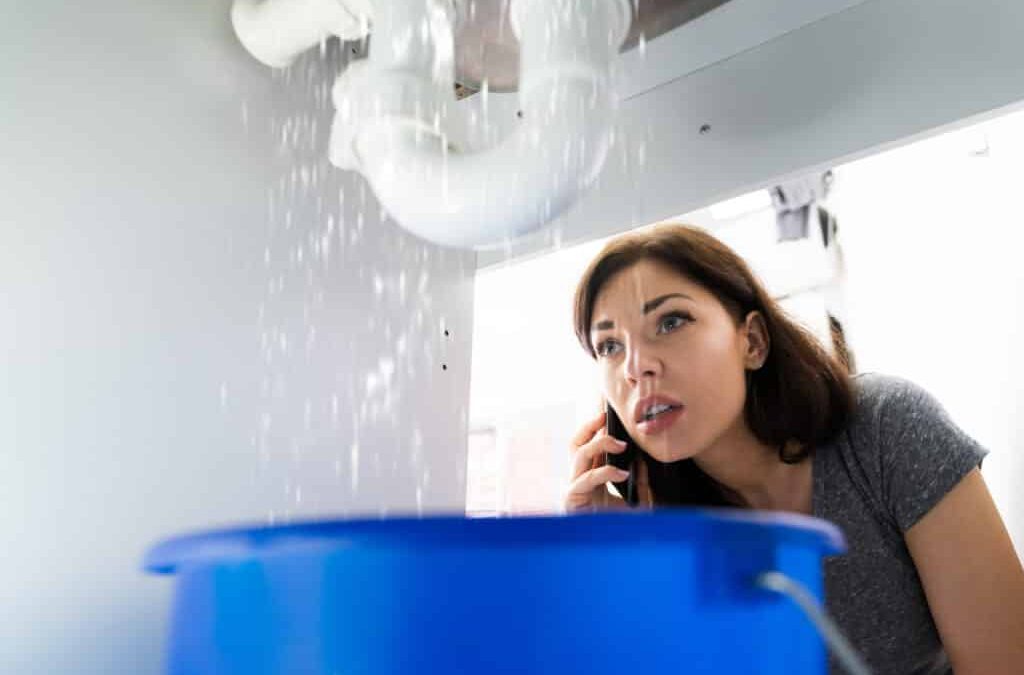
When You Need Pipe Repair: What to Do First
Pipe repair is the process of fixing damaged, leaking, or broken pipes using methods ranging from quick DIY patch kits to professional trenchless or excavation-based solutions.
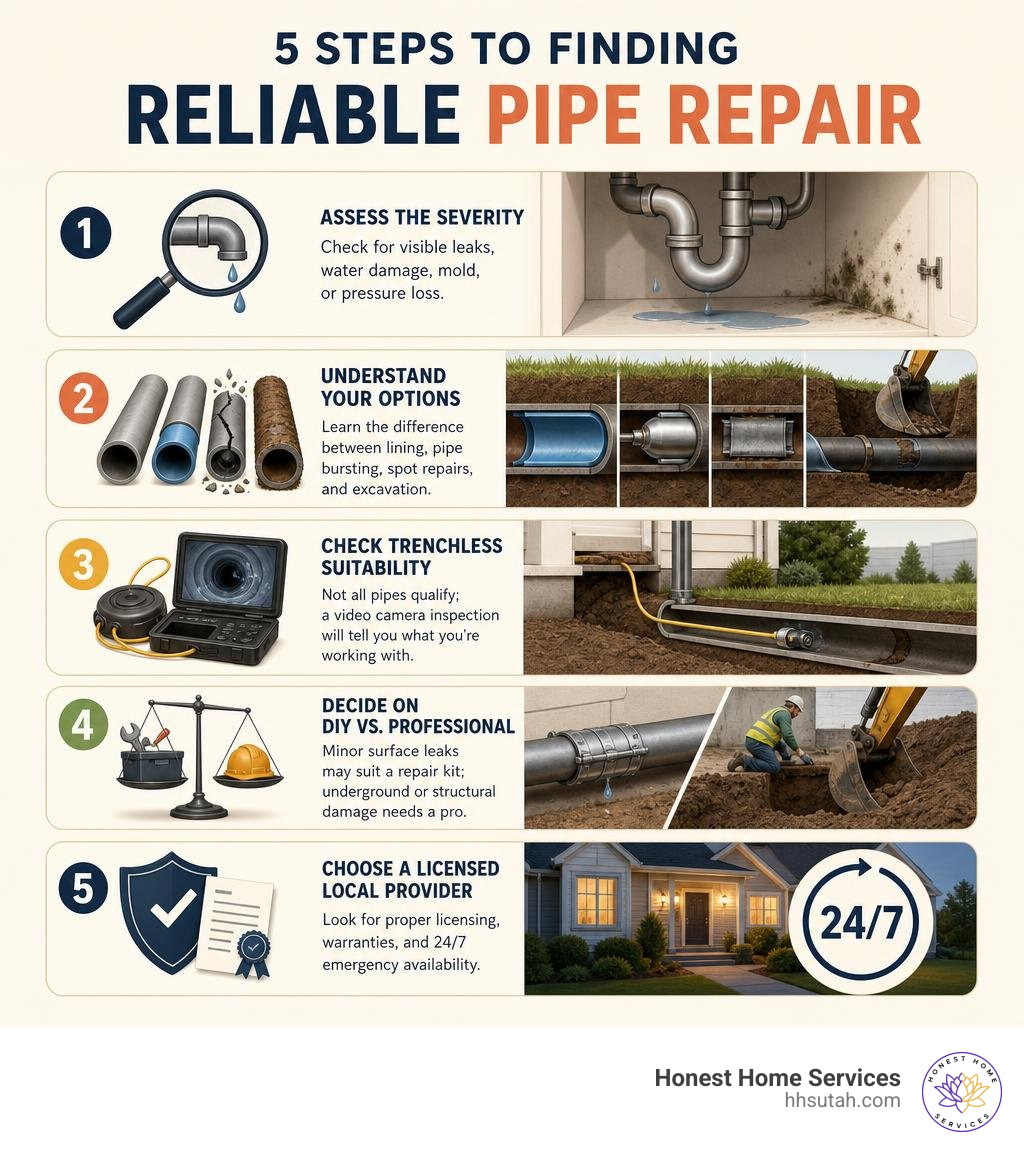
Here are the 5 steps to finding reliable pipe repair:
- Assess the severity — Check for visible leaks, water damage, mold, or pressure loss
- Understand your options — Learn the difference between CIPP lining, pipe bursting, spot repairs, and traditional excavation
- Check trenchless suitability — Not all pipes qualify; a video camera inspection will tell you what you’re working with
- Decide on DIY vs. professional — Minor surface leaks may suit a repair kit; underground or structural damage needs a pro
- Choose a licensed local provider — Look for proper licensing, warranties, and 24/7 emergency availability
If you’re a homeowner in Northern Utah, pipe problems are more common than you might expect. Freeze-thaw cycles crack pipes from the outside in. Shifting soil puts pressure on underground lines. And sometimes, a slow drip under the sink quietly becomes a water damage emergency overnight.
The good news? Whether the issue is a pinhole leak or a collapsed sewer line, there’s almost always a reliable fix — you just need to know where to start.
At Honest Home Services, we’ve spent over 20 years helping Utah homeowners and businesses solve exactly these problems, from emergency pipe repair to full sewer line rehabilitation. In the sections below, we’ll walk you through everything you need to know to handle it with confidence.
Common Causes of Pipe Damage
To find the right fix, it helps to understand why your pipes are acting up in the first place. Underground lines and indoor plumbing systems in Northern Utah face unique environmental stresses.

Here are the most common culprits behind pipe failures:
- Freeze-Thaw Cycles & Temperature Swings: Utah winters are no joke. When water freezes inside an uninsulated pipe, it expands, exerting thousands of pounds of pressure per square inch. This leads to split copper, cracked PVC, and sudden bursts when the ice thaws.
- Shifting Soil & Ground Movement: The soil around Salt Lake County and Davis County moves. Clay-heavy soils expand when wet and contract when dry. This constant shifting puts immense physical stress on underground water and sewer lines, causing joints to pull apart or pipes to crack.
- Tree Root Intrusion: Trees love water, and they can sniff out the moisture escaping from tiny hairline cracks or joints in your sewer line. Once a tiny root hair slips inside, it grows rapidly, creating stubborn blockages and eventually breaking the pipe open.
- Corrosion & Age: Older homes in Salt Lake City, Bountiful, and Layton often feature legacy materials like cast iron, galvanized steel, or older copper. Over decades, chemical reactions with water cause these metals to corrode, thin out, and leak. If your home is reaching a certain age, you might ask yourself: Does Your Salt Lake Home Need a Re-Pipe?
- High Water Pressure: While a high-pressure shower feels great, excessive water pressure (anything over 80 PSI) wears down pipe walls, joints, and fixtures, leading to premature leaks.
If you suspect your home is suffering from any of these issues, acting quickly is key to preventing structural damage and mold. For immediate support, check out our guide on Effective Pipe Leak Repair in Salt Lake City.
5 Steps to Finding Reliable Pipe Repair
When water is leaking into your drywall or pooling in your yard, it’s easy to panic and call the very first number you find online. However, taking a structured approach ensures you get a long-lasting, cost-effective solution rather than a temporary band-aid.
Before making major decisions, especially concerning your main sewer line, it is helpful to research your options. You can read more about what large-scale fixes entail in Pipe Dreams: Everything You Need to Know About Mainline Sewer Upgrades.
Let’s break down the five steps to resolving your pipe issues reliably.
Step 1: Assess the Severity of the Leak
Before you can fix a problem, you have to know how big it is. Some leaks are loud and obvious, while others are silent budget-killers.
- Perform a Water Meter Test: Turn off every faucet, appliance, and hose in your house. Go look at your water meter. If the low-flow indicator (often a small red or blue triangle/star) is spinning, or if the numbers change over a 30-minute period, you have an active leak.
- Conduct a Visual Inspection: Look under sinks, around water heaters, and along exposed basement pipes. Look for condensation, green corrosion (patina) on copper, rust on steel, or damp drywall.
- Identify Water Damage and Mold: Musty smells, peeling paint, warped baseboards, or dark spots on ceilings are clear signs that water is escaping behind the scenes. Mold can begin growing in as little as 24 to 48 hours, making quick detection vital.
Step 2: Understand Modern Plumbing Methods
Plumbing has evolved significantly over the last few decades. You no longer have to automatically dig a massive trench through your beautiful landscaping or driveway to replace an underground line. Modern pipe repair generally falls into two categories:
- Traditional Excavation: This involves using heavy machinery to dig up the earth and physically replace the damaged pipe. While sometimes necessary, it is highly disruptive to lawns, driveways, and patios.
- Trenchless Pipe Repair: Often called “no-dig” technology, this modern approach repairs or replaces underground pipes with minimal surface disruption. The two most common trenchless methods are:
- Cured-in-Place Pipe (CIPP) Lining: A flexible, resin-saturated liner is inserted into the damaged pipe, inflated, and cured (hardened) using heat or UV light. This creates a brand-new, seamless pipe inside the old one.
- Pipe Bursting: A specialized bursting head is pulled through the old pipe, breaking it apart while simultaneously pulling a new, durable high-density polyethylene (HDPE) pipe into place behind it. To see if this method fits your situation, read The Lowdown on Pipe Bursting: An Alternative to Traditional Sewer Repair.
Step 3: Assess Suitability for Trenchless Pipe Repair
Trenchless methods are incredibly popular because they save time and preserve your yard, but they aren’t a universal cure. A professional diagnostic assessment is required to determine if your line is a good candidate.
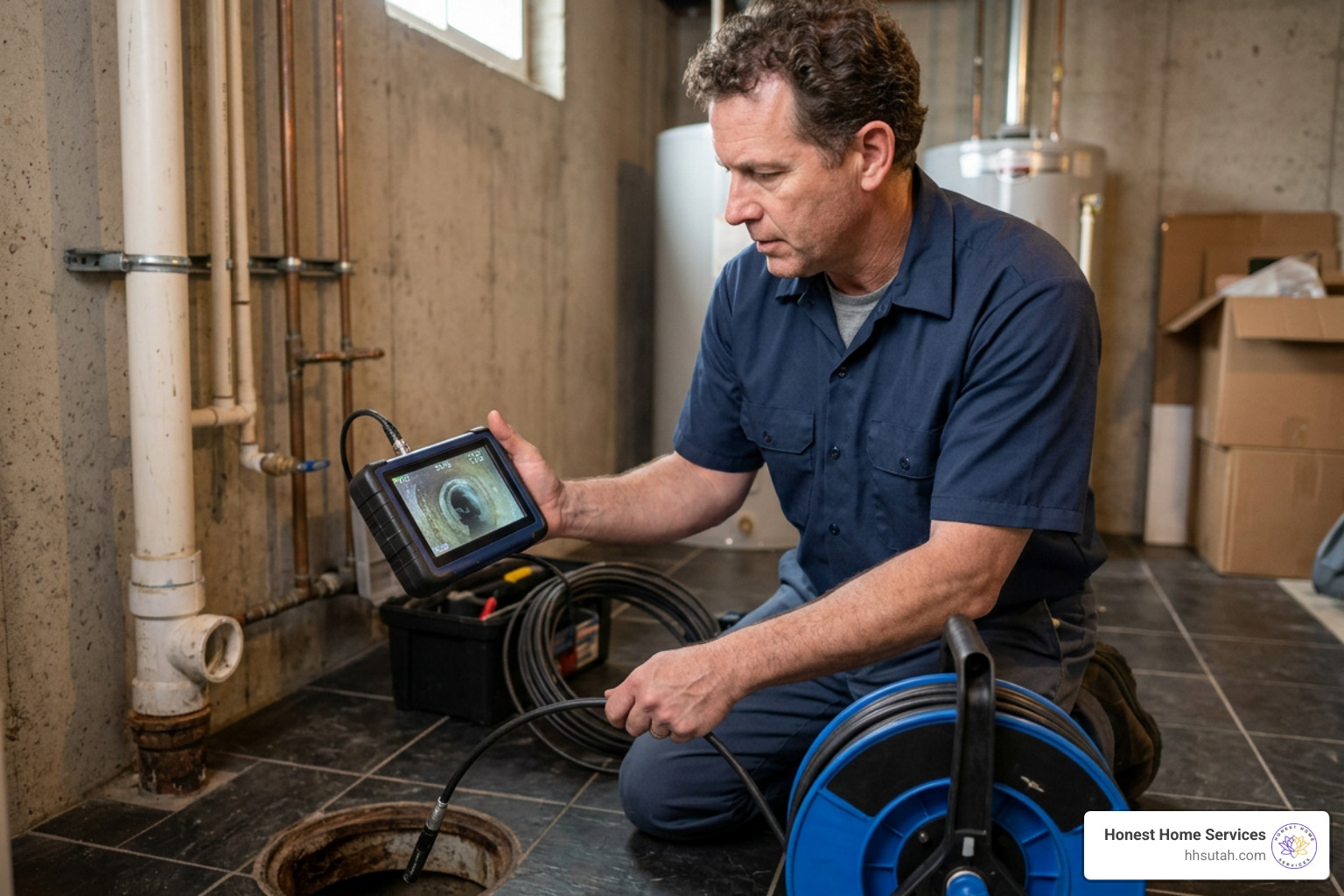
- The Role of Video Camera Inspections: A technician will run a high-definition sewer camera down your line. This allows us to see the exact location, cause, and extent of the damage without digging an inch.
- When Trenchless Works: It is perfect for pipes with minor cracks, joint leaks, root intrusion, or localized corrosion where the structural integrity of the original pipe is still mostly intact.
- When Trenchless Fails: If an underground pipe has completely collapsed, backpitched (sloping the wrong way), or is made of heavily degraded historical materials like Orangeburg (tar paper pipes) or severely crumbled clay, traditional excavation or structural pipe bursting is usually required.
Step 4: Know When to Use a DIY Pipe Repair Kit
For minor, accessible household leaks, a DIY pipe repair kit can buy you time or even provide a permanent fix for non-pressurized lines.
If you want to tackle a minor drain issue yourself, check out Patch It Up: Your Complete Guide to Fixing Any Drain Pipe Leak.
Here is a breakdown of common DIY tools and professional-grade emergency kits:
- Fiberglass Repair Tapes: Products like the Quick Seal Pipe Repair Nu-Calgon or the water-activated WEICON Pipe Repair Kit use knitted fiberglass tape impregnated with polyurethane resin. You soak the tape in water, wrap it tightly around the pipe, and let it cure. It hardens in minutes, resists high temperatures, and is even safe for potable water lines.
- Silicone Wraps & Tapes: Heavy-duty silicone tapes, such as the Stop It Pipe Repair System | Leak Sealing Tape | InduMar , are self-fusing and non-adhesive. They stretch tightly to create a compression seal on wet, dirty, or oily surfaces, making them excellent for quick household fixes.
- Push-to-Connect Kits: For copper or PEX water lines that have burst due to freezing, the SharkBite 1/2 in. Push-to-Connect Brass Burst Pipe Repair Kit allows you to cut out the damaged section and slip on a clean, solder-free brass fitting in seconds.
- Mechanical Clamps: If you have an active leak under pressure that you cannot shut off immediately, a temporary clamp like the PIG® PipeRescue™ Repair Clamp for Instant Seal – PTY502 – New Pig can be clamped directly over the leak while water is flowing to stop the spray until a plumber arrives.
Note: While these kits are excellent for emergencies, they should generally be treated as temporary measures for pressurized water lines.
Step 5: Choose a Licensed Local Provider
When a DIY fix isn’t enough, you need a professional team you can trust. Finding the right plumber in Northern Utah involves checking a few critical boxes:
- Licensing and Insurance: Ensure the provider holds active plumbing and contractor licenses in Utah. This protects your home and ensures all work complies with local building codes.
- Warranties: A reliable company stands behind its work. Look for robust warranties on both parts and labor — especially for major underground work like CIPP lining, which should easily last for decades.
- Emergency Availability: Pipe emergencies don’t wait for business hours. Look for providers that offer 24/7 support.
If you are looking for localized plumbing services across Northern Utah, it is essential to choose certified local professionals who understand the regional soil and climate challenges. Whether you are in Salt Lake County, Davis County, Clearfield, Layton, Kaysville, Farmington, or Bountiful, having a trusted local team on call ensures your home is protected from sudden water damage.
At Honest Home Services, we provide comprehensive, affordable plumbing solutions tailored to all of these communities. Explore our specialized Salt Lake City Pipe Repair options, or browse our Category: Pipe Repair archive to learn more about how we protect local homes.
Trenchless vs. Traditional Excavation
Choosing between trenchless and traditional excavation is one of the biggest decisions a homeowner will make during a main sewer or water line repair.
To help you compare your options, we’ve broken down the key differences:
| Feature | Trenchless Pipe Repair (CIPP/Bursting) | Traditional Open-Trench Excavation |
|---|---|---|
| Disruption | Minimal; requires only 1 or 2 small access points. | High; requires digging a long, deep trench through your yard. |
| Time to Complete | Usually completed in hours or a single day. | Can take several days to a week. |
| Landscape Impact | Preserves lawns, mature trees, driveways, and patios. | Destroys landscaping, requiring expensive restoration. |
| Average Cost | Often 30% to 50% lower total project cost (no landscaping bills). | Higher total cost once you factor in rebuilding yard/concrete. |
| Lifespan | Up to 50+ years (using highly durable epoxy resins or HDPE). | Up to 50+ years (using new PVC or copper). |
For a deeper dive into making this decision for your property, read our comparison guide: Trenchless or Traditional: Navigating Your Drain Pipe Replacement Options.
If you want to understand how modern pipe sleeves work underground to seal leaks without digging, check out Beyond the Dig: Understanding Sewer Pipe Repair Sleeves and Underground Solutions.
Frequently Asked Questions
How long do trenchless repairs last?
Trenchless pipe repairs are designed to be permanent, long-term solutions. Cured-in-Place Pipe (CIPP) lining and pipe bursting utilize high-grade epoxy resins and seamless high-density polyethylene (HDPE) pipes that are naturally resistant to chemical corrosion and tree root intrusion. These methods are considered a 50-year upgrade and often come with substantial multi-decade warranties.
Can all pipes be fixed without digging?
Unfortunately, no. While trenchless technology is incredibly versatile, it requires the host pipe to have some structural integrity. If an underground line has completely collapsed, lost its slope (backpitched), or turned to crumbling dust, traditional excavation is necessary to physically remove the debris and lay down a new line.
What are the signs of an underground leak?
Underground leaks can go unnoticed for weeks. Keep an eye out for:
- An unexplained drop in household water pressure.
- Unusually soggy, lush, or sunken patches of grass in your yard.
- A sudden, dramatic spike in your monthly water bill.
- Persistent sewage or sulfur odors around your property.
- Cracks forming in your home’s concrete foundation.
Conclusion
Dealing with a damaged pipe can feel overwhelming, but modern technology has made pipe repair faster, cleaner, and more affordable than ever before. By taking a deep breath, assessing the damage, and exploring trenchless solutions, you can protect your home’s equity and your landscaping at the same time.
At Honest Home Services, we are proud to serve communities across Northern Utah — from Salt Lake City and West Valley to Layton, Bountiful, and Lehi. We offer guaranteed customer satisfaction, fair and transparent pricing, and expert technicians who treat your home like their own. Whether you need a quick emergency repair or are planning a major sewer upgrade, we are here to help 24/7.
Ready to get started? Check out The Ultimate Guide to Pipe Repair Salt Lake City or contact us today to schedule your professional camera inspection!