
Is Your Hot Water Baseboard Heater Not Working? Here’s What to Do
Hot water baseboard heater repair is something most Northern Utah homeowners will need at some point — and the good news is that many common problems are easier to fix than you might think.
Quick answers for the most common hot water baseboard heater problems:
| Problem | Most Likely Cause | Quick Fix |
|---|---|---|
| No heat or cold sections | Trapped air (air lock) | Bleed the system |
| Gurgling or rushing sounds | Air in the pipes | Bleed from highest unit first |
| Uneven room heating | Closed valve or air lock | Check valves, then bleed |
| One room not heating | Closed zone valve or thermostat issue | Check valve and thermostat settings |
| Low heat output | Dusty fins or low boiler pressure | Clean fins, check pressure (12–15 PSI) |
| Leaks near fittings | Worn valve or corroded pipe | Call a professional |
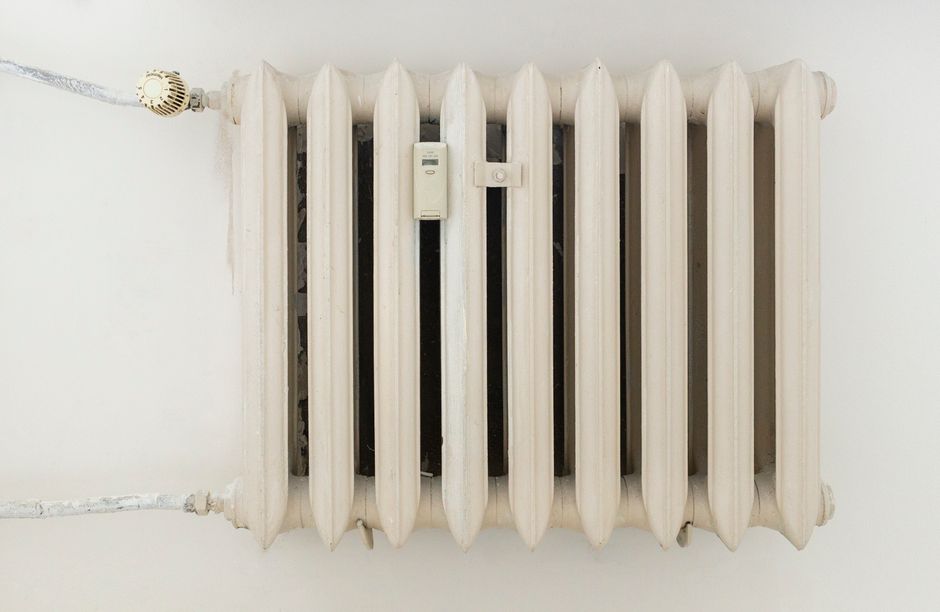
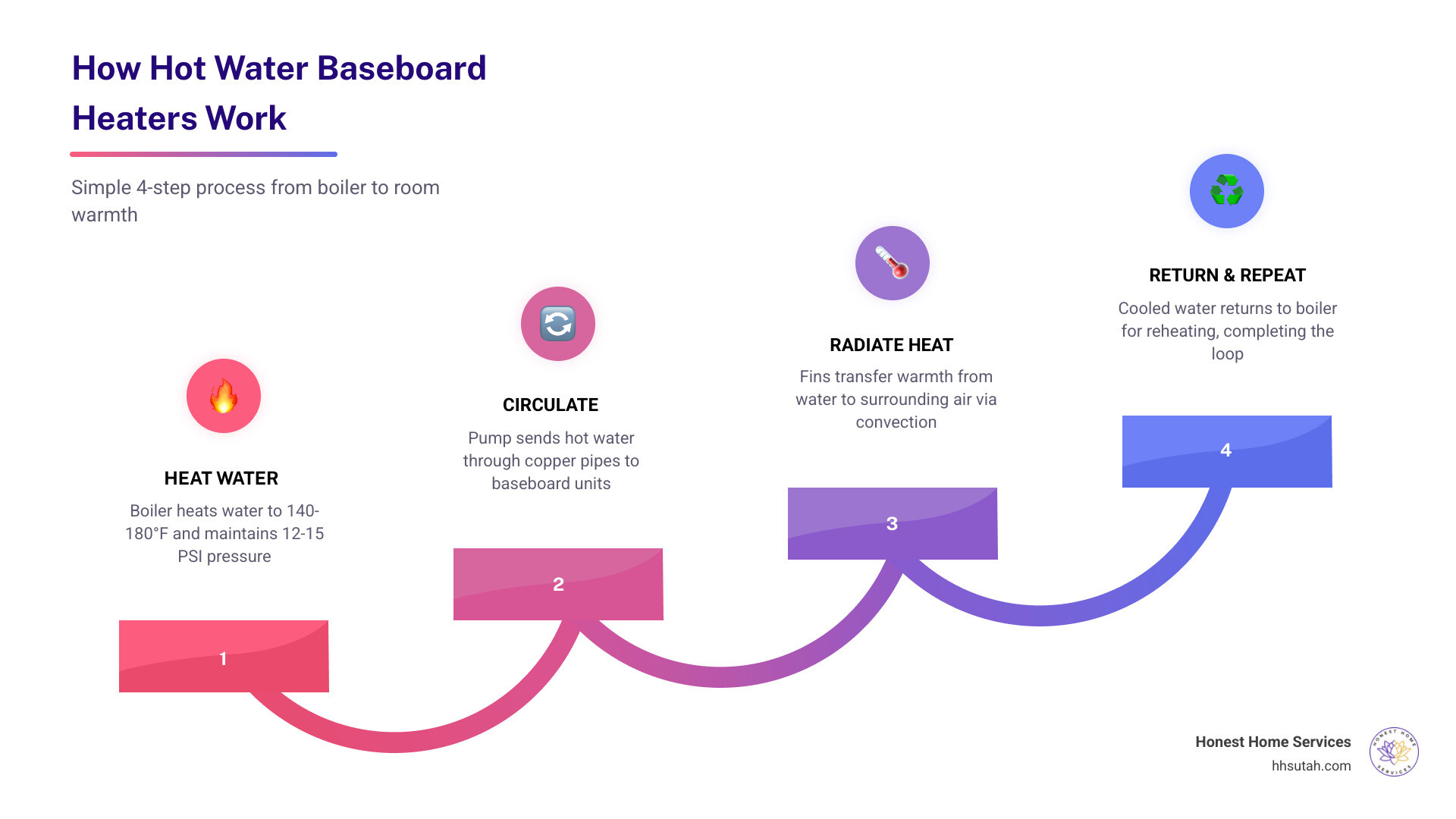
Hot water baseboard heaters — also called hydronic systems — work by circulating heated water from a boiler through copper pipes and finned tubes along your walls. Heat radiates outward and rises naturally through convection, warming the room quietly and evenly. When something goes wrong, it’s usually one of a handful of well-known issues: trapped air, dirty fins, low boiler pressure, or a stuck valve.
The tricky part is knowing which problem you have — and whether it’s safe to fix yourself.
At Honest Home Services, we’ve spent over 20 years diagnosing and performing hot water baseboard heater repair for homeowners and businesses across Northern Utah, so we know exactly where these systems fail and how to get them running again fast. Let’s walk you through everything you need to know.
Discover more about hot water baseboard heater repair:
Common Problems Requiring Hot Water Baseboard Heater Repair
When the winter chill hits Salt Lake City or Davis County, you expect your baseboard heaters to provide that steady, silent warmth. However, hydronic systems are complex networks of plumbing and thermodynamics. Understanding the common culprits can save you from a freezing night.
One of the most frequent issues we see is the “air lock.” Because these are closed-loop systems, air can sometimes get sucked in through a tiny leak or during a period of low pressure. This air forms a bubble that acts like a physical wall, stopping the hot water from reaching certain sections of the heater. If your heater is hot at one end but stone-cold at the other, you’re likely dealing with an air lock.
Gurgling, rushing, or trickling noises are another red flag. While some gentle expansion noises (like clicking) are normal as the metal heats up, loud water sounds usually mean there is air dancing around in your pipes. According to industry data, nearly 70% of water-related noises in hydronic systems are caused by trapped air.
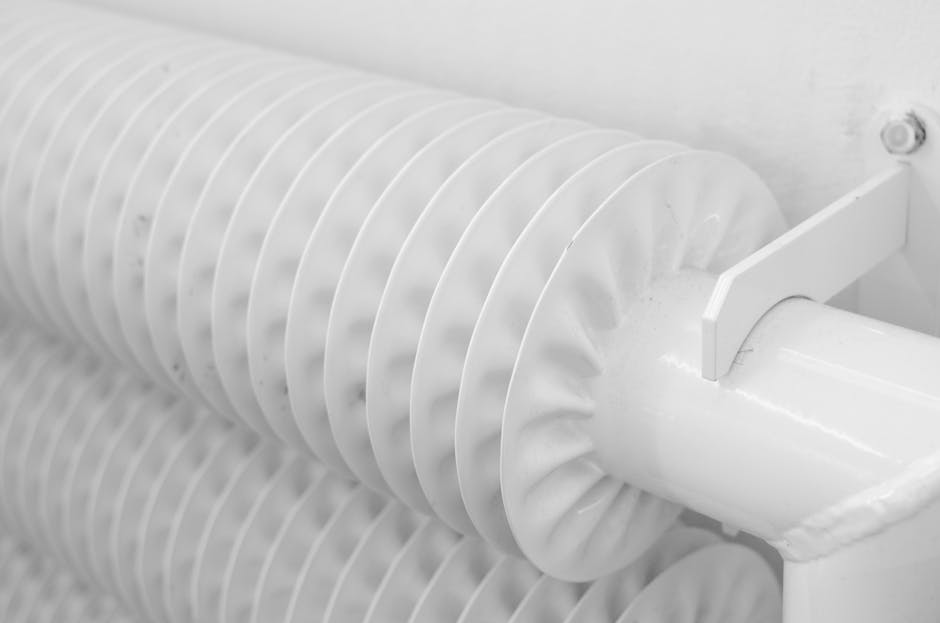
Then there’s the issue of physical obstruction. Baseboard Heat Repair, Clean, Inspect guides often highlight how dust and grime can cripple a heater. A thick layer of dust on the aluminum fins can reduce your heating capacity by over 25%. If your boiler is running but the room won’t get warm, it might just be time for a deep clean.
Lastly, thermostat malfunctions can cause “ghost” issues. If a thermostat in a specific room fails or its batteries die, that room’s zone valve won’t open, leaving you in the cold even if the rest of the house is toasty. For more complex issues involving your central system, you can explore our heating services to see how we handle whole-home climate control.
Step-by-Step Guide: How to Bleed Your Baseboard Heaters
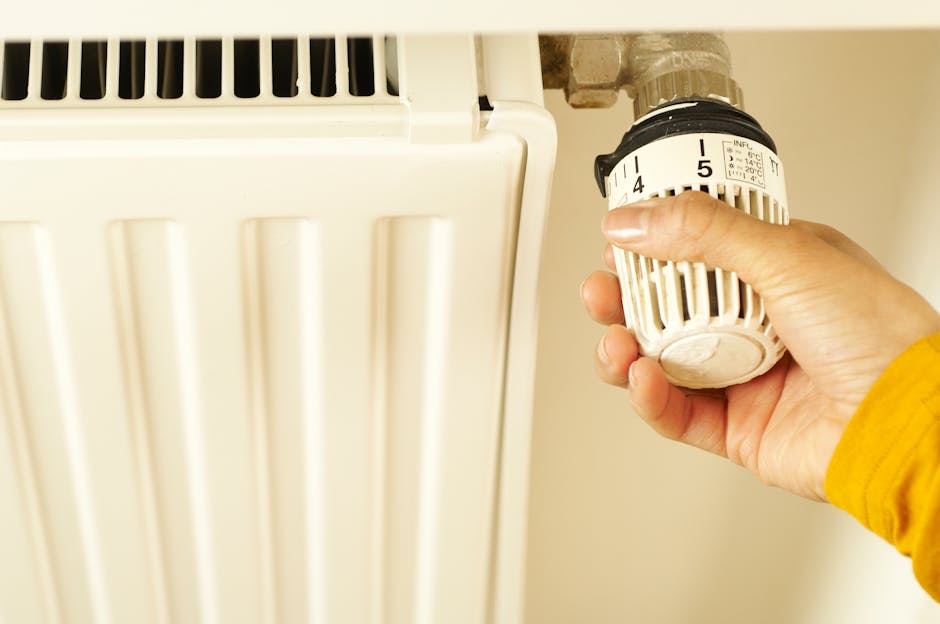
Bleeding your heaters is the single most effective DIY hot water baseboard heater repair you can perform. It’s essentially “burping” the system to let out the air so the water can flow.
What You’ll Need:
- A radiator key (available at most hardware stores in Layton or Clearfield) or a flathead screwdriver.
- A small bucket or a thick rag.
- Protective gloves (the water inside can be very hot!).
The Procedure:
- Cool the System: Turn off your heat and wait about 30–60 minutes. You don’t want to bleed a system while the pump is actively pushing 180°F water around.
- Locate the Bleed Valve: Look for a small valve at the end of the baseboard unit. It’s usually tucked behind the end cap.
- The “High-to-Low” Rule: Always start with the heater on the highest floor of your home or the one furthest from the boiler. Air rises, so the most significant bubbles are usually at the top.
- Open Slowly: Place your bucket under the valve. Use your key or screwdriver to turn the valve counter-clockwise slowly.
- Listen for the Hiss: You will hear a hissing sound as the air escapes. This is the sound of your problem leaving the building!
- Wait for the Stream: Once the air is gone, a steady stream of water will follow. As soon as the water flows without sputtering, close the valve tightly.
- Check Pressure: After bleeding, check your boiler’s pressure gauge. You may need to add a bit of water to keep it in the 12–15 PSI range.
If you hear Baseboard Heater Sounds Like Running Water 2026: Complete Guide, this process should be your first line of defense. For more tips on keeping your system running through a Utah winter, check out our stay warm with expert furnace maintenance advice.
Troubleshooting Hot Water Baseboard Heater Repair for Air Locks
Sometimes, a simple bleed isn’t enough. If you’ve bled the system and the heater is still cold, you might have a mechanical failure.
In multi-zone homes (common in West Valley and Murray), each section of the house is controlled by a zone valve. When your thermostat calls for heat, it sends an electrical signal to this valve to open. If the valve motor is burnt out or the “circulator pump” for that zone is failing, the hot water won’t move.
Check your boiler pressure. It should typically read between 12 and 15 PSI when the system is cold. If the pressure is too low (below 12 PSI), the system can’t overcome gravity to push water to the upper floors. Repressurizing the system is a task that requires careful adjustment of the water feed valve, and if you’re uncomfortable with this, it’s a great time to call in a pro.
Essential Maintenance and DIY Repairs
Maintenance is the key to avoiding a $400 repair bill in the middle of January. Most homeowners pay between $139 and $440 for professional repairs, but many of these visits could be avoided with 15 minutes of seasonal prep.
| Task | Frequency | DIY or Pro? | Benefit |
|---|---|---|---|
| Vacuuming Fins | 2-3 times per year | DIY | Increases efficiency by 25% |
| Bleeding Air | Annually (Fall) | DIY | Prevents noise and cold spots |
| Checking Pressure | Monthly in Winter | DIY | Ensures system can reach all rooms |
| Valve Inspection | Annually | Pro | Prevents leaks and water damage |
| Boiler Tune-up | Annually | Pro | Extends system life (15-20 years) |
One of the most overlooked rules is the 12-inch rule. To work correctly, baseboard heaters need to pull cold air in from the bottom and release hot air out the top. If you have thick carpet blocking the bottom or furniture pushed right against the front, the convection loop is broken. Maintain at least 12 inches of clearance above and 6 inches in front of the unit.
For older homes in Bountiful or Salt Lake City, you might find that the fins are bent. You can gently straighten these with a pair of pliers to restore airflow. To learn more about keeping older systems alive, read How to Troubleshoot and Maintain Old Hot Water Baseboard Heaters. We also offer affordable heating repair tips to help you manage costs.
Identifying Leaks and Blockages in Your System
Hydronic systems use copper tubing, which is generally very durable but not invincible. Over decades, “pinhole leaks” can develop due to corrosion or mineral buildup from Utah’s hard water.
If you see green crusty deposits (oxidation) on your pipes or damp spots on the floor near the heater end caps, you have a leak. Small leaks can often be fixed by tightening a packing nut on a valve, but if the copper itself is pitted, that section of pipe needs to be cut and replaced.
Blockages can also occur if the system hasn’t been flushed in years. “Sludge” — a mix of rust and mineral deposits — can settle in the pipes. If you suspect a blockage, you can learn How to Diagnose and Replace a Baseboard Heater Valve to see if the restriction is at the entry point.
Improving Efficiency with Smart Thermostats and Proper Hot Water Baseboard Heater Repair
You can teach an old dog new tricks! Many people think smart thermostats are only for forced-air furnaces, but they work wonders for hydronic systems too. Upgrading to a smart thermostat can lead to a 25% reduction in heating costs.
Because hot water baseboards have “thermal lag” (they take a while to heat up and stay warm for a long time after turning off), a smart thermostat can learn your home’s rhythm. It can start the boiler 20 minutes before you wake up so the house is perfect when your feet hit the floor. For help with calibration or upgrading your controls, consider our professional furnace tune-up services.
When to Call a Professional for Hydronic Heating Issues
While we love a handy homeowner, some hot water baseboard heater repair tasks are dangerous.
The 50% Rule: Hydronic systems and boilers typically last 15–20 years. If a repair costs more than 50% of the price of a new system, it’s usually wiser to replace the unit.
Call a professional immediately if:
- You smell gas: This is a life-threatening emergency. Leave the house and call from outside.
- You see pooling water: A major leak can destroy your flooring and subfloor in hours.
- The boiler is “kettling”: If your boiler sounds like a giant tea kettle, it likely has dangerous mineral buildup that could lead to a system explosion.
- Carbon Monoxide (CO) Alarms go off: Boilers are combustion appliances. Any blockage in the exhaust flue can push deadly CO into your home.
For those moments when things go south at 2 AM, we offer 24/7 heating repair when you need backup. We serve all of Northern Utah, from Park City to Tooele, ensuring you’re never left in the cold.
Frequently Asked Questions about Baseboard Heater Repair
Why is my baseboard heater making a clicking or gurgling sound?
Clicking or popping is usually just “thermal expansion.” As the copper pipes get hot, they expand and rub against the wooden floorboards or metal brackets. You can often fix this by adding a bit of heat-proof insulation where the pipe meets the floor. Gurgling, however, is a sign of trapped air and means the system needs to be bled.
How often should I bleed my hot water baseboard system?
We recommend bleeding your heaters once a year, right before the first major cold snap in October or November. This ensures that any air that settled during the summer is cleared out before the system has to work hard.
Can I place furniture directly in front of my baseboard heater?
It is not recommended. While the fire risk is lower with hot water systems than with electric ones, furniture still blocks the airflow. Without that 6-inch gap in front, the cold air can’t get in, and the heat stays trapped behind your sofa instead of warming the room.
Conclusion
Hot water baseboard heater repair doesn’t have to be a headache. By keeping your fins clean, bleeding the air out of your lines annually, and keeping your furniture at a respectful distance, you can enjoy one of the most comfortable and efficient heating systems available.
At Honest Home Services, we pride ourselves on being the local experts for Northern Utah. Whether you’re in Salt Lake City, Draper, or Saratoga Springs, our technicians provide the fair pricing and guaranteed satisfaction you deserve. We don’t just fix pipes; we restore the comfort of your home.
If your heaters are gurgling, leaking, or simply not keeping up with the Utah winter, don’t wait for a total breakdown. Schedule your Salt Lake City water heater and baseboard repair today and experience the “Honest” difference.