

Why Affordable Heating Repair Matters for Northern Utah Homeowners
Affordable heating repair is essential for maintaining home comfort during harsh Utah winters without depleting your savings. Here’s what you need to know:
Quick Guide to Affordable Heating Repair:
Average Repair Costs: Most heating repairs range from minor fixes (under $200) to major component replacements ($500-$2,000), while full system replacement typically costs $3,500-$8,000.
Cost-Saving Options Available:
- Government assistance programs (HEAP offers up to $4,000 for repairs, $8,000 for replacement)
- Financing plans (up to $55,000 on approved credit with flexible terms)
- Preventative maintenance to avoid costly emergency repairs
- Energy-efficient upgrades that lower monthly utility bills
When to Repair vs. Replace: If your system is under 15 years old and the repair costs less than 50% of replacement, repair is usually the better choice.
Finding Affordable Service: Look for NATE-certified technicians, transparent pricing, local reviews, and companies offering 24/7 emergency service.
When your furnace stops working on a freezing January night, the stress isn’t just about the cold—it’s about the cost. Research shows that 49% of homeowners cite cost as a major barrier to making necessary repairs, with those facing this challenge estimating they need an average of $7,370 more to cover essential fixes. The good news? Multiple options exist to make heating repair more manageable, from government grants to flexible financing and simple preventative maintenance that catches problems before they become expensive emergencies.
Your heating system is one of your home’s most critical components, especially during Northern Utah’s harsh winters. Strange noises, unusual smells, or rooms that never quite warm up aren’t just inconveniences—they’re warning signs that could lead to complete system failure if ignored. The difference between a $200 repair and a $6,000 replacement often comes down to catching problems early and knowing your options.
Understanding the warning signs, exploring financial assistance, and choosing the right service provider can transform what seems like an overwhelming expense into a manageable investment in your family’s comfort and safety.
At Honest Home Services, we’ve spent over 20 years helping Northern Utah homeowners and businesses steer affordable heating repair options, from emergency furnace fixes to complete system replacements, always prioritizing transparent pricing and quality work that fits your budget. Our team understands that keeping your home warm shouldn’t mean sacrificing your financial security.
Affordable heating repair terms you need:
When to Call for Help: Warning Signs Your Heater Needs Attention
Most of us take our Salt Lake City HVAC systems for granted, enjoying the cool air during Utah’s hot summer months and reveling in the warmth during the cold of winter. But when things go wrong, it’s not always easy to tell if it’s time to call in the experts or to try a DIY fix yourself. Recognizing the common signs that indicate a need for heating repair can save you from a complete system breakdown and potentially more expensive fixes down the line. It’s about being proactive, not reactive, when it comes to your home’s comfort and safety.
Emergency Heating Situations
Some heating issues go beyond mere inconvenience and demand immediate professional attention. Ignoring these signs can lead to dangerous situations for your household in Northern Utah.
- No Heat in Winter: This is perhaps the most obvious and urgent sign. During the frigid Utah winter, a complete loss of heat is not just uncomfortable; it can be a health hazard, especially for vulnerable populations. If your furnace completely stops working, don’t delay—call for emergency service.
- Burning Smell: While a slight burning smell might be normal when you first turn on your furnace for the season (as dust burns off), a persistent or strong burning smell indicates a serious electrical issue. This could lead to a house fire and requires immediate attention from an HVAC technician.
- Gas Leak: If you smell gas near your furnace, or if your carbon monoxide detector alarms, evacuate your home immediately and call your utility company and then an emergency HVAC service from a safe location. This is a life-threatening situation. Furnaces can leak dangerous gases through air ducts, posing a risk beyond just discomfort.
- Carbon Monoxide Alarm: Carbon monoxide (CO) is an odorless, colorless gas produced by incomplete combustion. If your CO alarm sounds, it indicates a potential leak from your heating system. Leave your home and call for emergency help.
Subtle Clues and Performance Issues
Not all warning signs are as dramatic as a gas leak. Many issues start small and can be caught early with a keen eye and ear. These subtle clues can prevent a minor repair from escalating into a major replacement.
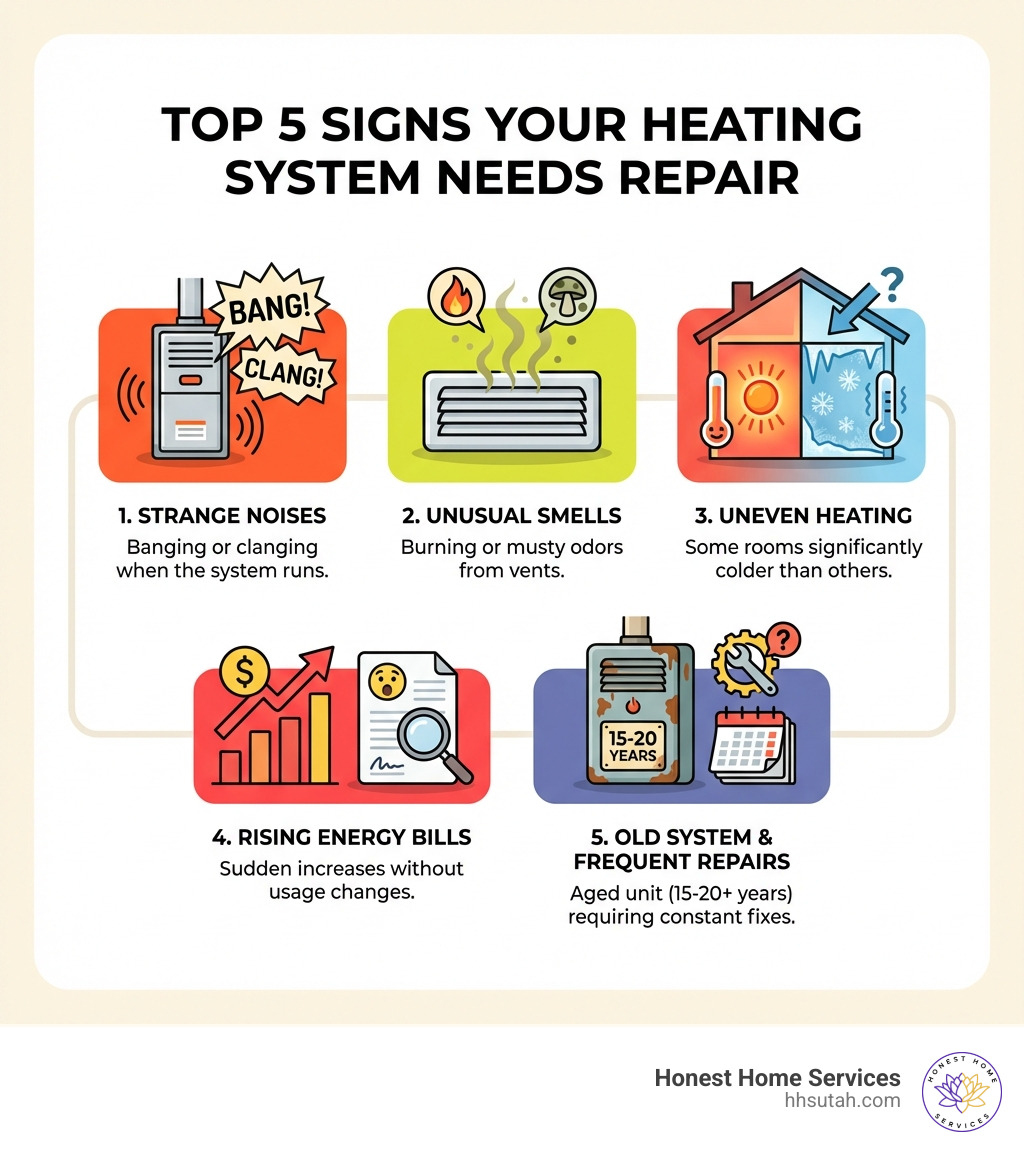
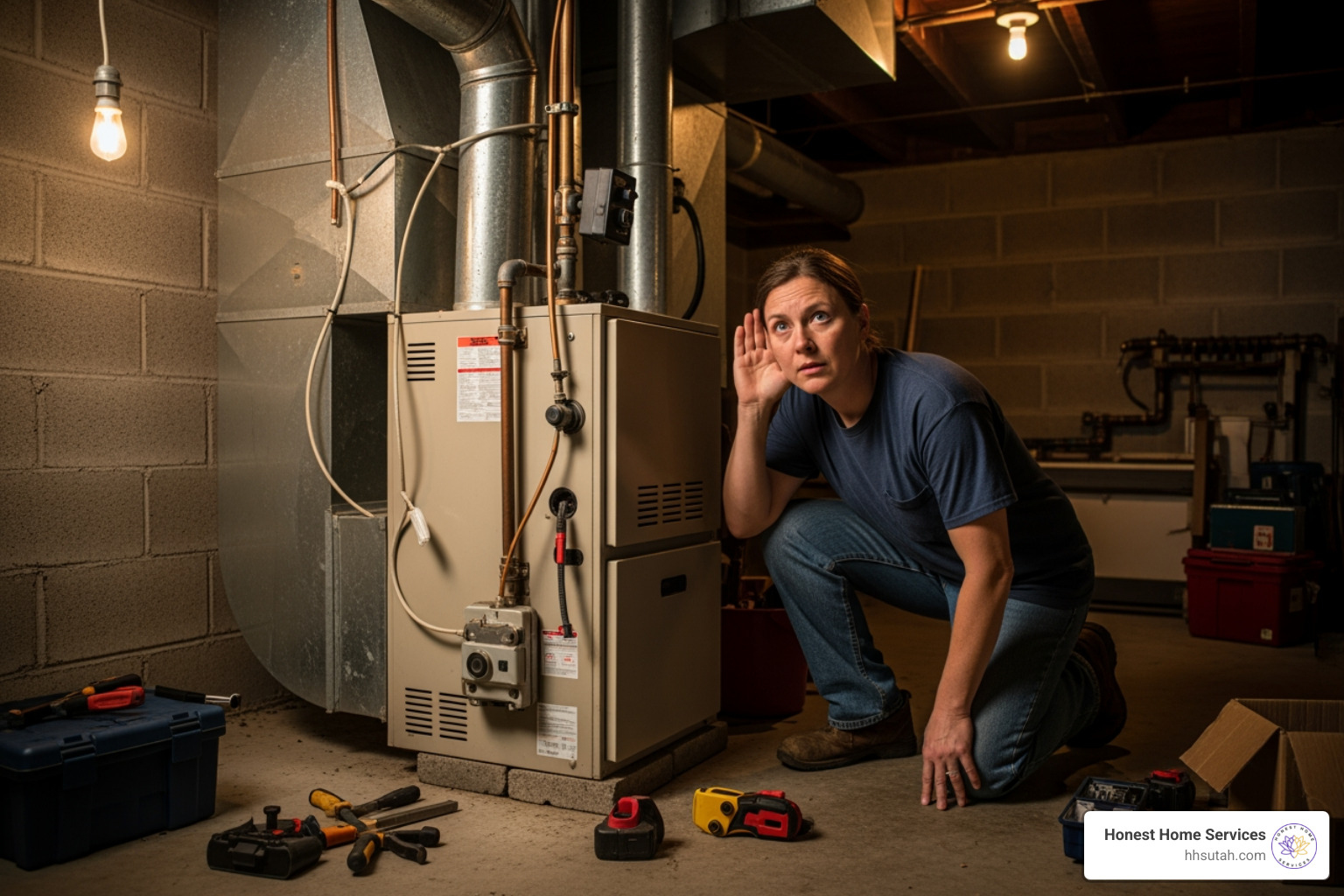
- Strange Noises: Your furnace should generally operate quietly. Clangs, bangs, squealing, grinding, or rattling noises coming from your heating system are a dead giveaway that something is wrong. These sounds often indicate loose or broken components, a failing motor, or issues with the blower.
- Unusual Smells: Beyond the burning smell of an electrical issue, watch out for other odors. A musty smell can indicate mold or mildew growth in your ductwork, which can lead to serious health problems. A persistent dusty smell could mean a clogged filter or dirty ducts.
- Insufficient Heat: If your home isn’t getting as warm as it used to, or if some rooms are significantly colder than others, your heating system might be struggling. This could be due to a faulty thermostat, a clogged filter, issues with the heat exchanger, or a system that’s simply too old to perform efficiently.
- Increased Energy Bills: A sudden and unexplained spike in your utility bills, especially during months when your heating usage hasn’t changed, is a red flag. Your heating system might be working harder to produce the same amount of heat, indicating inefficiency caused by a malfunction or age.
- Rapid Cycling: If your furnace turns on and off frequently, running for short bursts, it’s “short cycling.” While some increased cycling is normal on extremely cold days, rapid cycling for no apparent reason can signal an issue with the thermostat, a clogged filter, or an improperly sized system.
- System Age (15-20 years): Most heating systems have a lifespan of 15-20 years. If your furnace is approaching or has exceeded this age, it’s likely to decline in performance, become less efficient, and require more frequent repairs. This is a good time to consider a professional evaluation.
- High Indoor Humidity: If your air conditioner (or heat pump in cooling mode) is running but you still feel high indoor humidity, it suggests the unit needs recalibration or a dehumidifier installation. This can contribute to mold growth and overall discomfort.
- Water Leaks: Water pooling around your furnace or indoor AC unit could indicate a blocked condensation line, a refrigerant leak, or a problem with the drain pan. Water leaks can lead to water damage and expensive repairs if not addressed promptly.
- Inconsistent Temperatures: Are you bundling up in one room while sweating in another? Inconsistent heating often points to issues with ductwork, airflow, or an aging system that can no longer distribute heat evenly throughout your Northern Utah home.
- Proactive Checks: Regular annual maintenance helps identify many potential problems before they become serious. Before calling for service, double-check that your air filter is clean and that at least half of your home’s vents are open. These simple steps can sometimes resolve minor airflow issues.
Repair vs. Replace: A Cost-Benefit Analysis for Your Heating System
Deciding whether to repair your existing heating system or invest in a new one can be a tough call, especially when facing an unexpected breakdown. It’s a classic dilemma where short-term savings on a repair might cost you more in the long run, or a new system could offer significant benefits beyond just warmth. We’ve seen this countless times with homeowners across Salt Lake City, Davis County, and other Northern Utah communities.
Key Factors in Your Decision
When weighing your options, consider these crucial factors:
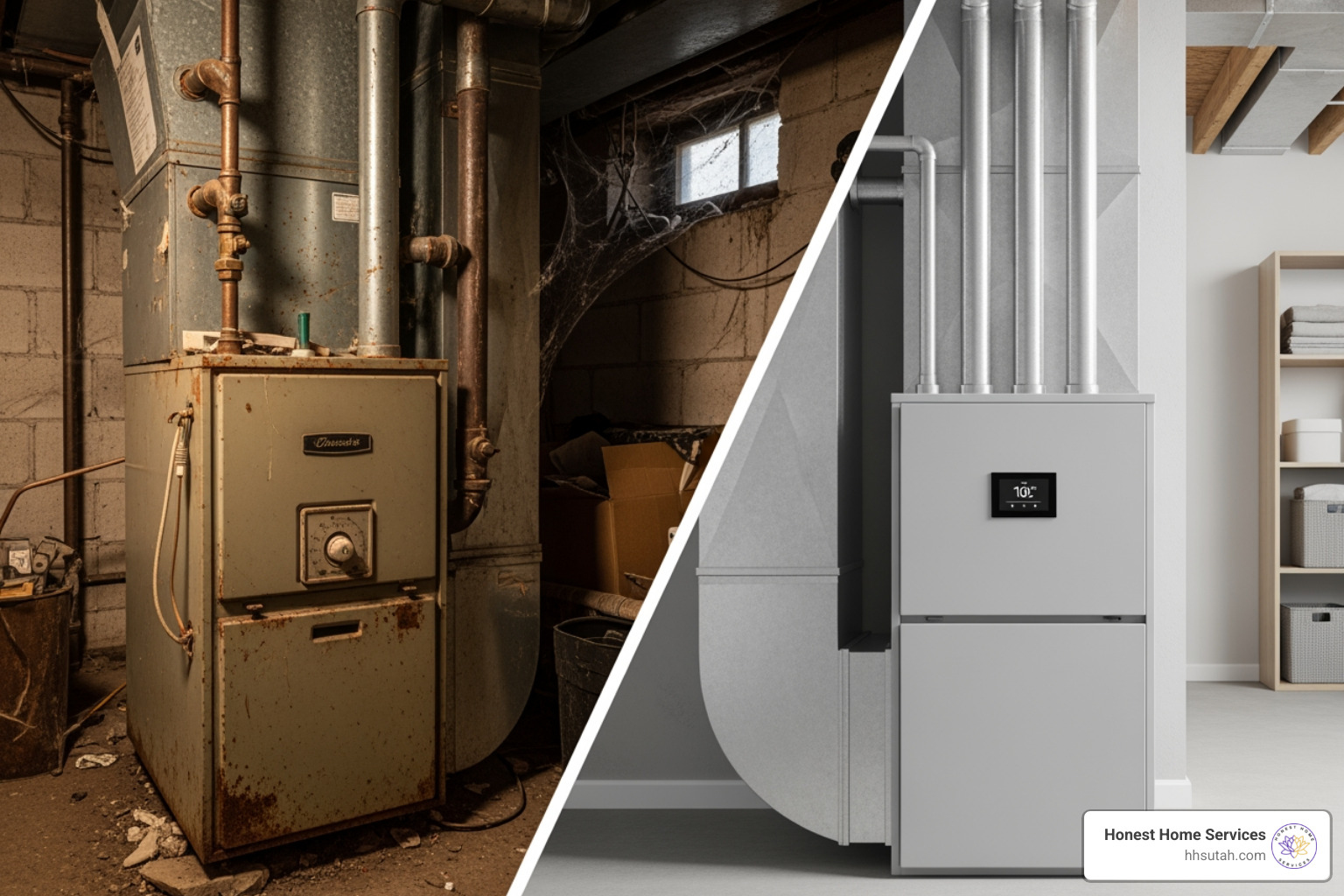
- Age of Unit: This is often the most significant factor. If your heating system is 15-20 years old or more, its performance is likely declining. An older system is more prone to breakdowns, less energy-efficient, and parts may be harder to find. While a repair might offer a temporary fix, you could be facing another breakdown soon.
- Frequency of Breakdowns: If your furnace requires frequent repairs, especially multiple times in a single heating season, it’s a strong indicator that replacement is the more economical choice. Constantly paying for repairs adds up and signals that the system is nearing the end of its functional life.
- Repair Cost Rule (The 50% Rule): A common guideline we use is the “50% rule.” If the cost of the repair is 50% or more of the cost of a brand-new replacement, it’s usually wiser to replace the system. For instance, if a new furnace installation typically costs $3,500 to $8,000, and a repair quote is $2,000 or more, investing in a new, more reliable system often makes more financial sense.
- Energy Savings: Newer heating systems are significantly more energy-efficient than older models. Upgrading can lead to substantial savings on your monthly utility bills. This long-term saving can quickly offset the initial investment of a new system.
- Warranty: Consider your current system’s warranty, if any, and the warranty offered on new equipment. Many new systems, like Goodman, come with robust warranties, such as a 10-Year Unit Replacement Limited Warranty, a 99-Year Heat Exchanger Limited Warranty, and a 10-Year Parts Limited Warranty. These warranties protect you from future repair costs, making a new system a more secure investment. Timely online registration (within 60 days of installation) is often required to receive full warranty benefits.
| Factor | Repair | Replace |
|---|---|---|
| Initial Cost | Lower (typically $200 – $2,000) | Higher (typically $3,500 – $8,000) |
| Age of Unit | Best for systems under 15 years old | Recommended for systems 15+ years old |
| Frequency of Breakdowns | Good for infrequent issues | Better for frequent, recurring problems |
| Energy Savings | Minimal or none | Significant (due to higher efficiency) |
| Long-Term Reliability | Less predictable, potential for more repairs | High, with new warranty protection |
| Warranty | May not be covered if out of warranty | New warranty (e.g., 10-year parts, unit replacement) |
The Energy Efficiency Payoff
Upgrading or repairing your heating system, especially if it leads to improved energy efficiency, isn’t just about comfort; it’s about smart financial planning and environmental responsibility.
- Lower Utility Bills: This is one of the most tangible benefits. Modern furnaces and heat pumps boast significantly higher Annual Fuel Utilization Efficiency (AFUE) ratings. An older system might be operating at 60-70% efficiency, meaning 30-40% of the energy it consumes is wasted. A new, high-efficiency unit can reach 95% AFUE or higher, translating into substantial savings on your gas or electric bills every month. This is particularly impactful in areas like Northern Utah where heating is a major energy consumer.
- Reduced Carbon Footprint: By consuming less energy, a more efficient heating system also reduces your home’s greenhouse gas emissions. This contributes to a healthier environment and aligns with sustainable living practices.
- Improved Home Comfort: Energy-efficient systems often provide more consistent and even heating throughout your home. They can maintain desired temperatures more effectively, eliminating cold spots and improving overall comfort without constantly running.
- Smart Thermostat Benefits: Pairing a new, efficient heating system with a smart thermostat further optimizes energy usage. These devices learn your preferences, can be controlled remotely, and adjust temperatures based on occupancy or outside weather, leading to even greater savings and convenience. Installing a smart thermostat is a cost-effective way to optimize heating efficiency and save money, regardless of your system’s age.
Your Guide to Truly Affordable Heating Repair
The phrase “affordable heating repair” isn’t just about finding the cheapest fix; it’s about finding the most cost-effective solution that ensures long-term comfort and reliability without draining your wallet. For homeowners in Salt Lake City, Layton, Kaysville, and across Northern Utah, this means a combination of proactive maintenance, smart service provider choices, and knowing when a DIY approach is appropriate.
The Power of Prevention: How Regular Maintenance Saves You Money
Think of regular heating system maintenance like changing the oil in your car. It’s a small investment that prevents major, more expensive problems down the road. This preventative approach is the cornerstone of truly affordable heating repair.
- Annual Tune-ups: Scheduling professional annual tune-ups for your furnace and AC unit is crucial. During these appointments, our NATE-certified technicians will inspect, clean, and lubricate components, check for wear and tear, and calibrate your system. This helps catch small problems early, such as a loose wire or a dirty flame sensor, before they escalate into major breakdowns.
- Catching Small Problems Early: Many heating system failures begin as minor issues. A professional tune-up can identify these nascent problems—like a deteriorating belt, a weak electrical connection, or a slightly misaligned component—and address them before they cause serious damage or complete system failure. This proactive approach saves you from costly emergency repairs.
- Extending System Life: A well-maintained heating system simply lasts longer. Regular care ensures all parts are working optimally, reducing strain on the system and delaying the need for a premature replacement. This maximizes your investment in your heating equipment.
- Maintaining Efficiency: Dirt, dust, and minor mechanical issues can significantly reduce your furnace’s efficiency, forcing it to work harder and consume more energy to heat your home. Regular maintenance keeps your system running at peak performance, ensuring lower utility bills.
- Warranty Validation: Many manufacturers’ warranties, including those from Goodman, require proof of professional annual maintenance to keep the warranty valid. Failing to maintain your system could void your coverage, leaving you personally responsible for repair costs that would otherwise be covered.
How to Find an Affordable Heating Repair Service
When your furnace acts up, finding a reliable and affordable service provider in Northern Utah is paramount. Here’s what we recommend looking for:
- NATE-Certified Technicians: Always prioritize companies with NATE-certified technicians. NATE (North American Technician Excellence) certification signifies that a technician has met the highest industry standards for knowledge and skill. This ensures quality service, accurate diagnostics, and proper repairs, which ultimately saves you money by avoiding repeat visits or incorrect fixes.
- Transparent Pricing: Look for companies that offer honest, upfront pricing with no hidden fees. We believe in providing clear, detailed quotes before any work begins, so you know exactly what to expect. Avoid companies that give vague estimates or pressure you into services you don’t understand.
- Multiple Quotes: For non-emergency repairs or replacements, it’s always a good practice to get at least two or three quotes from different reputable providers in your area (e.g., Salt Lake County, Davis County). This allows you to compare pricing, services, and timelines.
- Local Reviews: Check online reviews and testimonials from other homeowners in your community. Platforms like Google, Yelp, or social media groups can offer valuable insights into a company’s reputation, customer service, and pricing fairness. Look for consistent positive feedback and how the company handles any negative comments.
- 24/7 Emergency Service: Heating emergencies don’t stick to business hours. A reliable provider should offer 24/7 emergency service, especially crucial during Utah’s cold nights. This ensures you can get help when you need it most, preventing prolonged discomfort or potential hazards.
- Warranty Considerations: When choosing a service provider, inquire about any warranties they offer on their repairs or installations. A good company will stand behind its work. Also, ensure they are knowledgeable about manufacturer warranties for your specific equipment (e.g., Goodman’s 10-year parts warranty).
Simple DIY Fixes Before You Call a Professional
Sometimes, what seems like a major heating problem can be resolved with a few simple checks. Before you pick up the phone, try these common troubleshooting steps:
- Check Thermostat Settings: This might sound obvious, but it’s a surprisingly common oversight. Ensure your thermostat is set to “Heat” and the temperature is higher than the current room temperature. Also, check if the batteries need replacing.
- Replace Air Filter: A dirty air filter is a leading cause of heating system inefficiency and breakdowns. A clogged filter restricts airflow, forcing your furnace to work harder. Check your filter monthly and replace it every 1-3 months, especially during heavy usage seasons. This simple step can resolve airflow issues and reduce energy bills.
- Clear Vents and Registers: Make sure all heating vents and registers throughout your home are open and unobstructed by furniture, rugs, or curtains. Blocked vents can disrupt airflow, leading to uneven heating and system strain.
- Reset the System: Locate the power switch for your furnace (often found near the unit on a wall or on the unit itself) and turn it off for 30 seconds, then turn it back on. This can sometimes reset the system and clear minor electronic glitches.
Paying for Comfort: Financial Assistance and Financing Options
We understand that even with the best intentions, unexpected heating repairs can hit your budget hard. As noted earlier, 49% of homeowners find the cost of repairs a significant barrier, often needing an average of $7,370 more than they have on hand. The good news for Northern Utah residents is that there are options to help make these essential services accessible and affordable heating repair a reality.
Government Grants and Local Assistance Programs
Many regions offer assistance to low-income households for essential home repairs, including heating systems. These programs aim to ensure that everyone has access to safe and warm housing. A primary example is the federal Low Income Home Energy Assistance Program (LIHEAP), which provides funding to states.
In Utah, resources are often available through local community action agencies, county services, or state energy assistance programs that use this federal funding. These are typically income-qualified programs, meaning eligibility depends on your household income relative to the Area Median Income (AMI).
- How to Search for Utah Programs: We encourage homeowners in Salt Lake City, Davis County, and other Northern Utah areas to contact their local county social services departments, community action programs, or search the Utah Department of Workforce Services website. Look for programs related to “energy assistance,” “home repair assistance,” or “crisis intervention.”
- What to Expect from Such Programs: While we don’t have direct knowledge of specific program names currently active in Utah, programs in other states (often called HEAP) offer significant assistance. For example, some programs provide up to $4,000 for heating system repairs and up to $8,000 for replacements. These benefits are based on the actual cost incurred for repair or replacement and require an eligibility interview. The purpose of these programs is to help income-eligible households repair or replace their primary heating equipment.
- Eligibility Requirements: Generally, these programs require proof of residency, income verification for all household members, and may have specific criteria regarding the condition of your heating system (e.g., inoperable, unsafe).
Exploring Financing for Major Repairs or Replacements
When a major repair or a full system replacement is needed, and immediate funds aren’t available, financing can be a lifeline. This allows you to address urgent heating issues promptly, preventing the problem from worsening and potentially becoming more expensive.
- In-House Financing: Many reputable HVAC companies, including Honest Home Services, partner with financing providers to offer flexible payment options directly to their customers. We understand that a new furnace installation, which can range from $3,500 to $8,000, is a significant investment.
- Flexible Payment Plans: Through our partnership with GreenSky, we offer financing alternatives up to $55,000 on approved credit. These plans come with convenient and flexible terms, including options for 0% interest for a promotional period or low APR plans. Payment plans can be custom to fit your budget, extending for up to 12 years with no prepayment penalties. This allows you to pay for your heating repair or replacement in manageable monthly installments.
- Covering Unexpected Costs: Financing helps homeowners address unexpected repair costs without delay. Waiting to save up for repairs could make problems worse and increase overall costs. With fast credit decisions often provided within the same business day, you can get the necessary repairs or replacements done quickly, restoring comfort and safety to your home.
- Loan Limits: Financing options like ours can cover a wide range of repairs, from a new water heater installation to extensive HVAC system overhauls, up to $55,000 on approved credit. This ensures that even the most significant heating system needs can be addressed.
Conclusion
Navigating affordable heating repair can seem daunting, but as we’ve explored, you have many tools and options at your disposal. The key takeaways are clear:
- Be Proactive: Recognizing the warning signs early—from strange noises and unusual smells to increased energy bills and an aging system—can prevent minor issues from becoming costly emergencies.
- Prioritize Prevention: Regular, professional maintenance is your best friend. Annual tune-ups extend your system’s life, maintain efficiency, and validate warranties, saving you money in the long run.
- Make Informed Decisions: Understand the factors that influence whether to repair or replace your heating system, including its age, repair frequency, and potential energy savings.
- Explore Financial Options: Don’t let cost be a barrier to essential home comfort. Investigate local government grants and assistance programs, and consider flexible financing options available through reputable service providers.
At Honest Home Services, we are committed to providing transparent, reliable, and affordable heating repair solutions to our neighbors across Northern Utah. Our team of NATE-certified technicians is ready to help you keep your home warm and cozy without breaking the bank, offering 24/7 emergency support, fair pricing, and guaranteed customer satisfaction.