
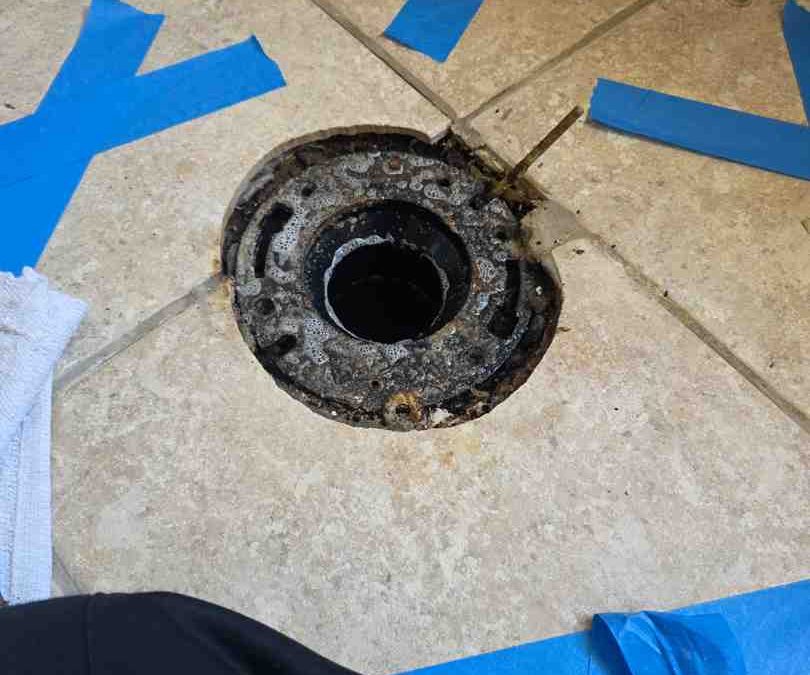
How to Start Toilet Repair in Salt Lake City
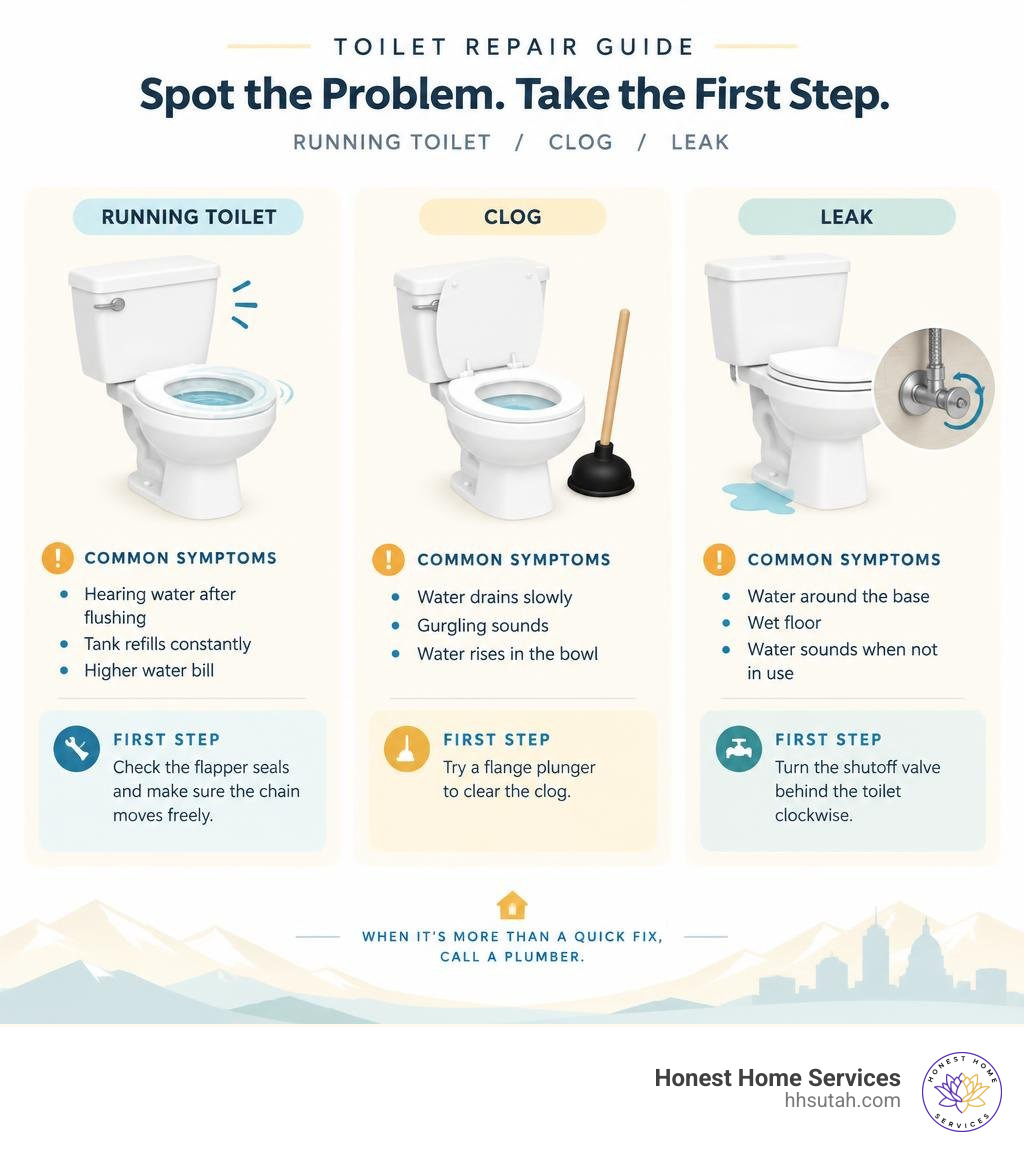
If your toilet is leaking or overflowing, turn the shutoff valve behind it clockwise. For a running toilet, check whether the flapper seals and the chain can move freely. For a clog, try a flange plunger. If water leaks from the base, the bowl is cracked, or several drains back up, stop using the toilet and call a plumber.
We’re Honest Home Services, a Northern Utah plumbing team with more than 20 years of experience handling the toilet and drain problems behind searches for toilet repair in Salt Lake. Here’s how to tell what you can check yourself and when to bring in a pro.
Toilet repair salt lake terms to learn:
In Salt Lake County, roughly 30% of all residential plumbing service calls stem directly from toilet malfunctions. Our region’s unique geography and local water profile create distinct challenges for standard bathroom fixtures. Whether you are dealing with a phantom flush in the middle of the night or a slow drain that refuses to clear, understanding how your toilet functions helps you protect your home from water damage and unnecessary utility spikes.
Common Causes Requiring Toilet Repair in Salt Lake City
Most toilet breakdowns come down to three primary culprits: running tanks, stubborn clogs, and hidden leaks. In Salt Lake City, running toilets account for roughly 65% of all repair requests, followed by clogs at 20%, and base or supply leaks making up the remaining 15%.
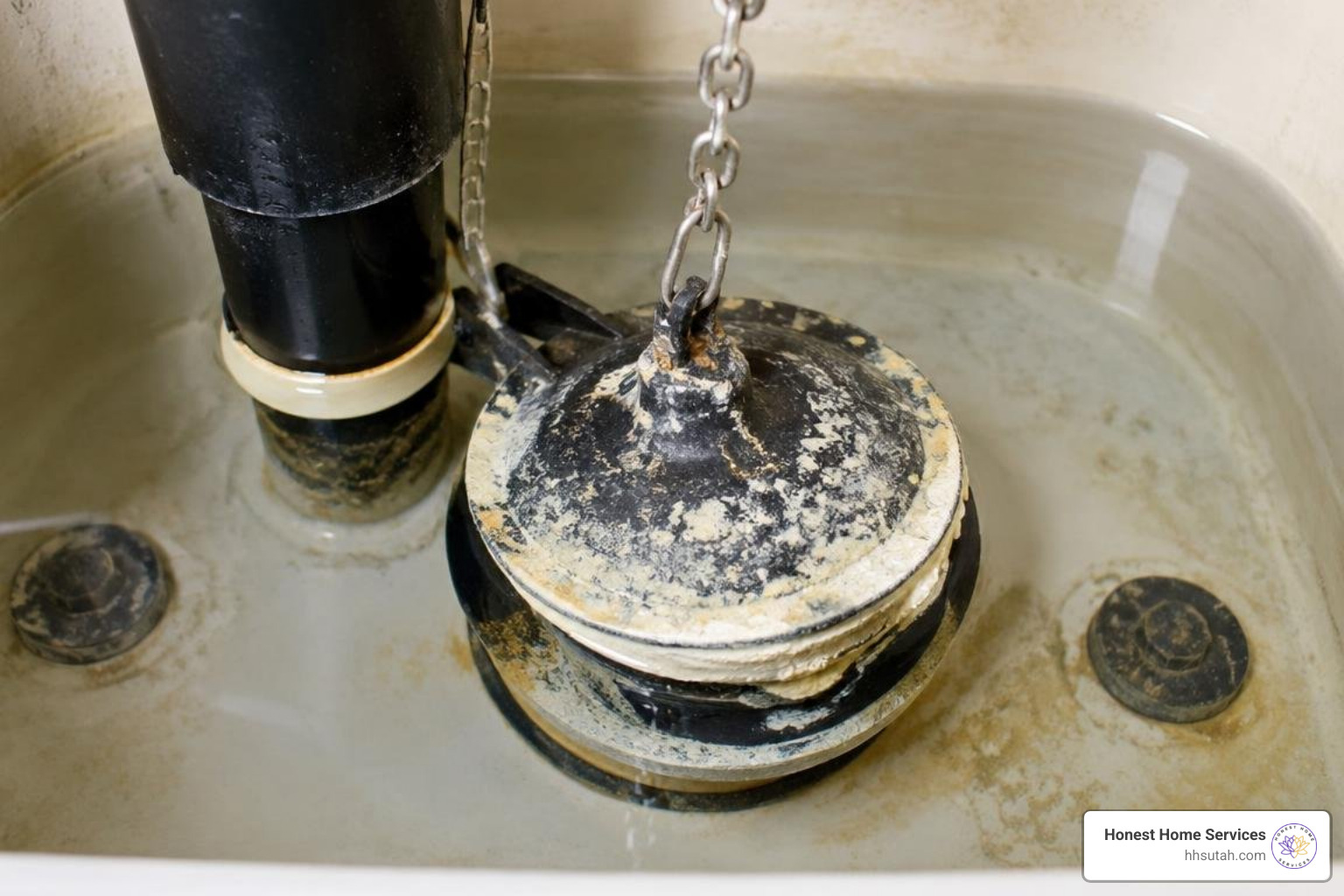
The biggest environmental factor affecting our fixtures along the Wasatch Front is hard water. Mineral deposits—predominantly calcium and magnesium—accumulate inside the tank and along the siphon jets. This mineral scaling hardens rubber seals, causing the flapper to lose its watertight seal. A deteriorated flapper lets water trickle constantly from the tank into the bowl.
Catching these issues early is vital because a silent leak wastes thousands of gallons of treated culinary water each month. If you want to keep your utility bills low, exploring cost-effective toilet repair strategies will help identify silent leaks before they drain your wallet.
Step-by-Step Fixes for Running Toilets and Flapper Issues
Fixing a continuously running toilet is often a straightforward DIY project if the issue is caught before extensive mineral scaling ruins the entire flush valve assembly.
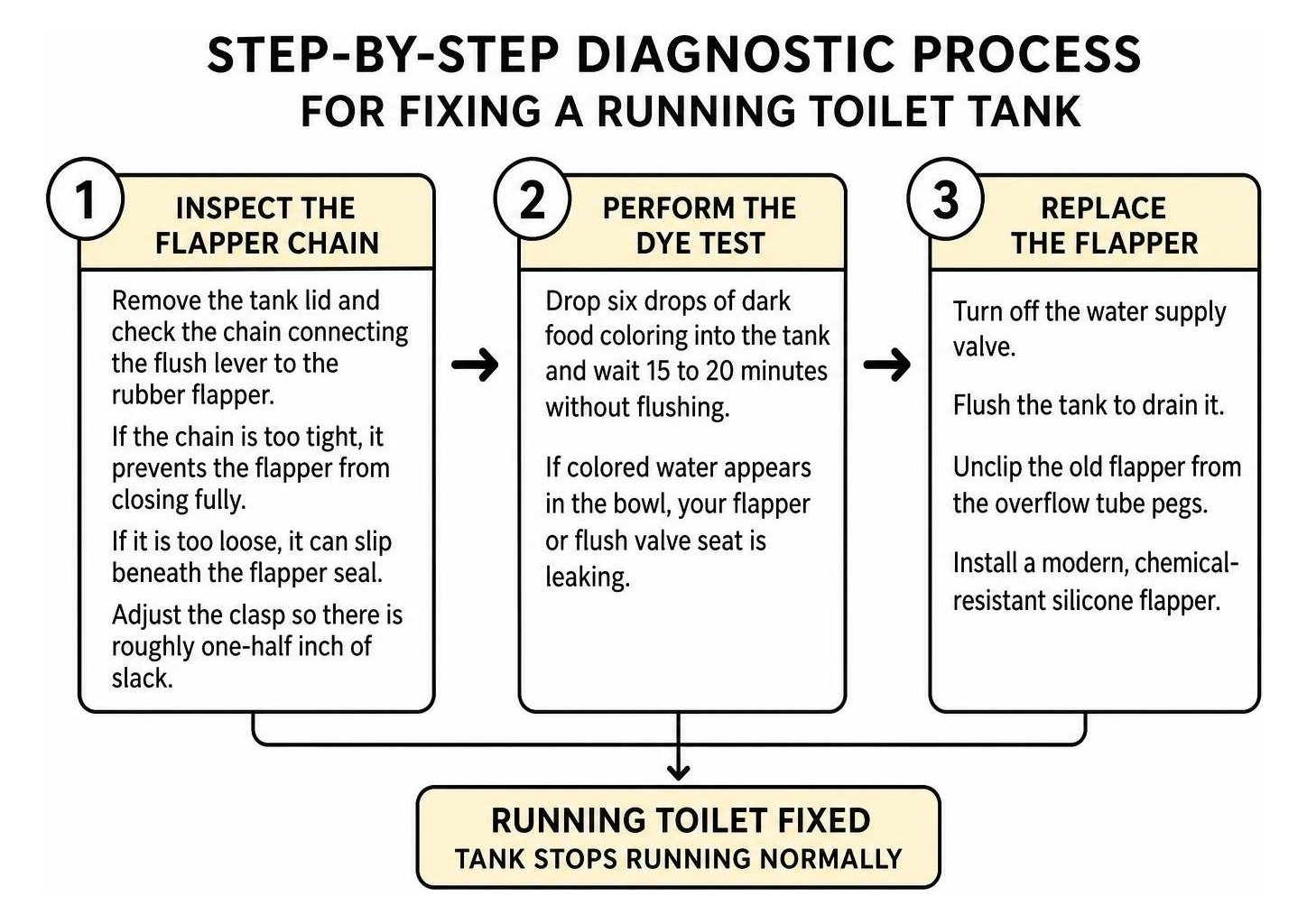
Follow this diagnostic checklist to restore proper operation:
- Inspect the Flapper Chain: Remove the tank lid and check the chain connecting the flush lever to the rubber flapper. If the chain is too tight, it prevents the flapper from closing fully. If it is too loose, it can slip beneath the flapper seal. Adjust the clasp so there is roughly one-half inch of slack.
- Perform the Dye Test: Drop six drops of dark food coloring into the tank and wait 15 to 20 minutes without flushing. If colored water appears in the bowl, your flapper or flush valve seat is leaking.
- Replace the Flapper: Turn off the water supply valve, flush the tank to drain it, unclip the old flapper from the overflow tube pegs, and install a modern, chemical-resistant silicone flapper.
- Adjust the Water Level: Ensure the water line sits roughly one inch below the top of the overflow tube. If water constantly spills over the rim of the tube, turn the adjustment screw on the fill valve clockwise to lower the float height.
| Component Issue | Primary Symptoms | Difficulty Level | Typical Lifespan in SLC |
|---|---|---|---|
| Faulty Flapper | Intermittent ghost flushing, faint hissing sound | Beginner | 2 to 4 years (hard water) |
| Damaged Fill Valve | Constant hissing, water spilling into overflow tube | Intermediate | 5 to 7 years |
| Corroded Flush Valve | Water constantly running, visible base leaks in tank | Advanced | 8 to 10 years |
Troubleshooting Clogs and Slow-Draining Toilets
When a toilet drains slowly or backs up after flushing, mineral deposits inside the rim feed holes or a physical obstruction in the trapway is usually to blame.
To clear a standard clog:
- Select the Right Plunger: Avoid flat sink plungers. Use a flange plunger (often called a closet plunger), which features an extended rubber collar that inserts directly into the bowl’s drain opening to form an airtight seal.
- Master the Plunging Stroke: Ensure water covers the rubber bell. Push down gently to burp out trapped air, then plunge vigorously up and down 10 to 15 times while maintaining the seal. The pull motion is what actually dislodges the clog.
- Deploy a Closet Auger: If plunging fails, feed a manual toilet auger into the drain. Rotate the handle clockwise while applying steady downward pressure to navigate the porcelain trap without scratching the glaze.
For deeper obstructions that refuse to budge, learning the techniques for clearing stubborn toilet clogs like a pro can save you from an accidental bathroom flood.
How to Handle Emergency Toilet Leaks and Overflow
A sudden toilet overflow can send gallons of contaminated water across your bathroom floor in seconds. Knowing your home’s shut-off points is your first line of defense.
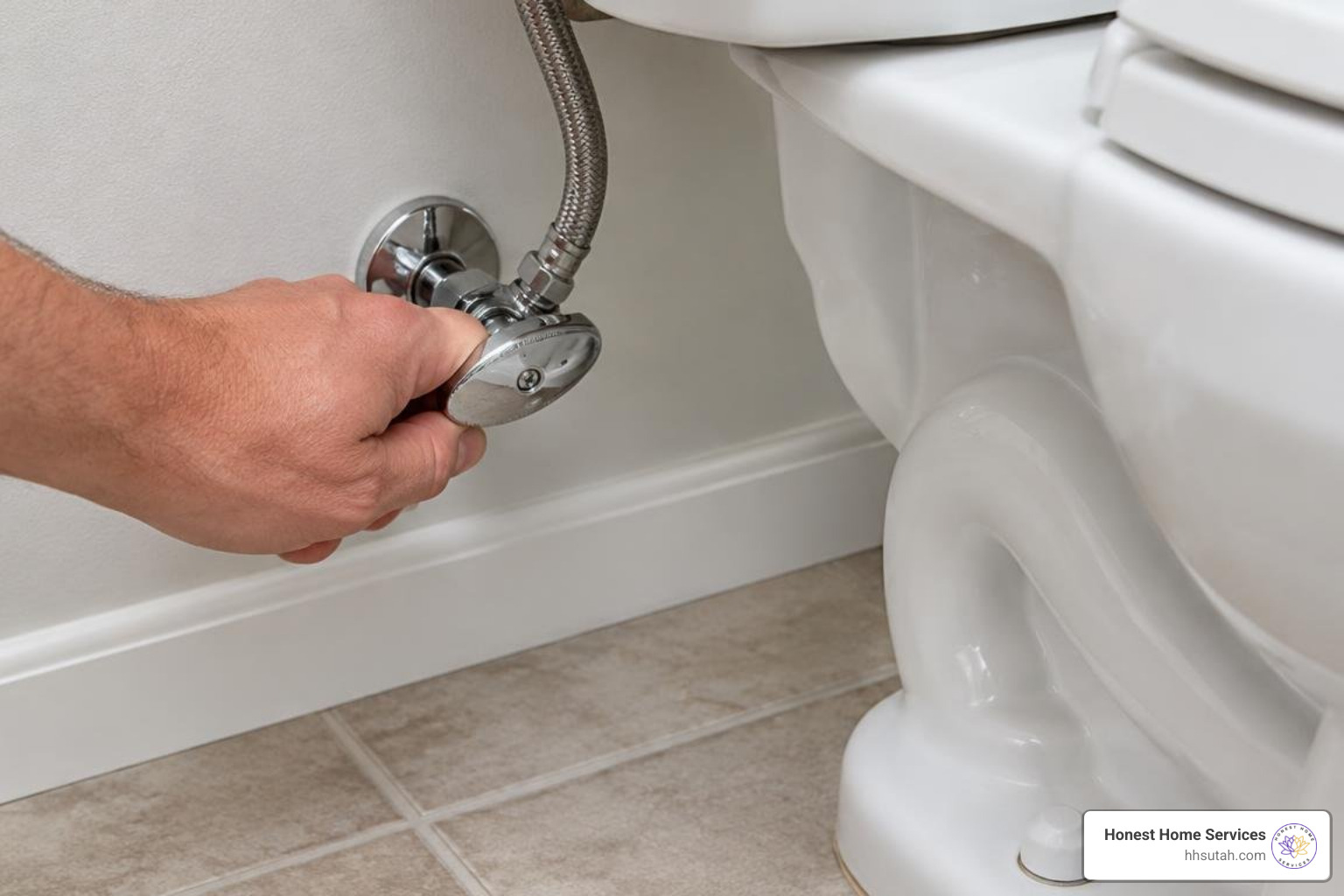
When water starts rising toward the rim, immediately take these emergency steps:
- Shut Off the Water Supply: Reach behind the base of the toilet and turn the oval handle (the angle stop) clockwise until it stops.
- Lift the Tank Lid: If the valve is stuck or corroded, quickly lift off the porcelain tank lid, reach in, and push the rubber flapper down manually to seal the drain. Then, lift the float cup or ball to stop the fill valve from running.
- Inspect the Floor for Base Leaks: If water seeps out from under the porcelain base whenever you flush, your wax ring seal has degraded. This often happens if the toilet wobbles on an uneven tile floor, breaking the airtight bond with the closet flange.
- Check for Hairline Cracks: Carefully inspect the porcelain tank and bowl with a flashlight. A hairline crack cannot be patched safely; the fixture must be replaced to prevent catastrophic structural failure.
For broader household plumbing issues, keeping a reference guide on practical steps for emergency plumbing situations handy will help you protect your property against severe water damage.
Diagnosing Sewer Line Backups vs. Local Fixture Clogs
Not every toilet problem originates inside the bathroom. It is important to distinguish between an isolated clog and a main sewer lateral backup.
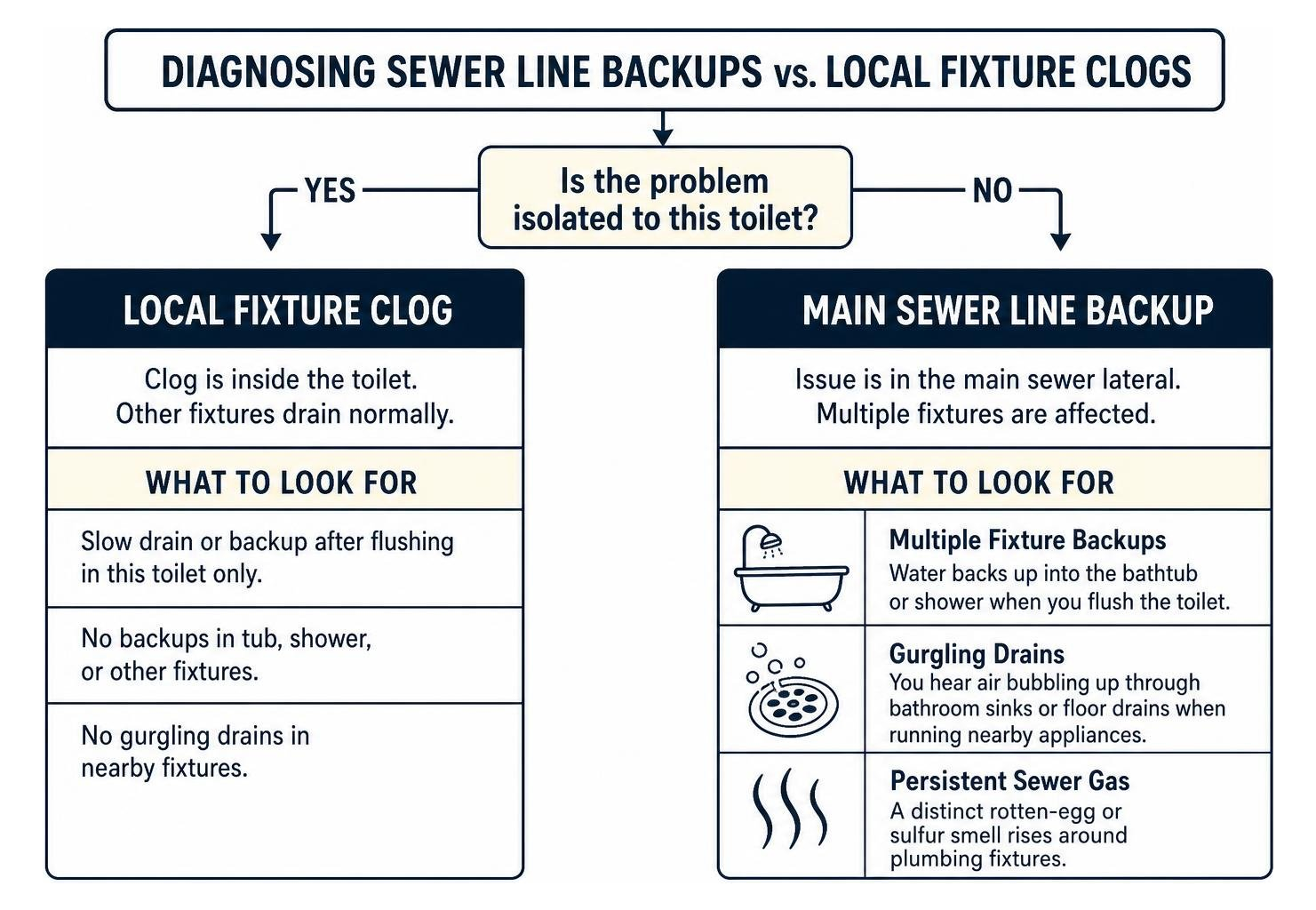
Signs of a main sewer line issue include:
- Multiple Fixture Backups: Water backs up into the bathtub or shower when you flush the toilet.
- Gurgling Drains: You hear air bubbling up through bathroom sinks or floor drains when running nearby appliances.
- Persistent Sewer Gas: A distinct rotten-egg or sulfur smell rises around plumbing fixtures.
If your issue involves multiple drains throughout your home, read our guide on clearing toilet and main line clogs to determine whether a whole-house drain cleaning is necessary.
DIY vs. Professional Toilet Repair in Salt Lake
Many minor toilet fixes—such as swapping a tank lever, replacing an intake seal, or installing a new rubber flapper—are safe and achievable DIY projects for local homeowners. Basic hand tools like adjustable wrenches, tongue-and-groove pliers, and a flange plunger are usually all you need.
However, DIY work has limits. When repairs involve resetting a cracked cast iron closet flange, repairing rotted subflooring, or clearing main lines beneath the foundation, professional expertise is essential. Under Salt Lake City municipal building guidelines, minor plumbing maintenance and direct fixture replacements do not require permits, but moving waste lines or altering existing drainage vent stacks requires licensed oversight to meet modern plumbing codes.
Average Costs for Toilet Repair Salt Lake Homeowners Expect
When planning for plumbing repairs, overall costs depend on the severity of the malfunction, required parts, accessibility, and whether emergency service is needed. Simple component adjustments (like flapper or handle replacements) sit at the lower end of standard service fees, while complex structural repairs (such as pulling the toilet to replace a broken flange or damaged subfloor) require more labor and specialized equipment.
To ensure you receive transparent pricing without surprise surcharges, review our tips on finding a fair plumbing professional across Salt Lake County.
When to Hire a Pro for Toilet Repair Salt Lake Residents Trust
Certain plumbing symptoms indicate you should skip the toolbox and call a licensed professional:
- Recurring Clogs: A toilet that clogs weekly despite normal usage often points to foreign objects wedged deep in the trapway or root intrusion in the external lateral pipe.
- Spongy Bathroom Floors: Soft flooring around the fixture indicates water has leaked past the wax seal for months, rotting the subfloor.
- Sewer Odors: Escaping sewer gas means the water trap is siphoning dry or the wax seal is completely broken, creating an indoor air quality hazard.
- Unstable Base: A toilet that rocks when you sit on it will inevitably shear its mounting bolts or crack the waste pipe.
Working with an experienced technician ensures long-lasting repairs. Check out our resource on identifying reliable plumbing experts to find a trustworthy team for your home.
Repair vs. Replace: Making the Right Decision for Your Home
While standard porcelain bowls and tanks can physically last for decades, internal components wear out much faster. In Northern Utah, high mineral content in the water often reduces a toilet’s trouble-free operating life to 10 to 12 years unless a whole-home water treatment system is installed.
| Consideration | Repair Existing Toilet | Replace with New Fixture |
|---|---|---|
| Fixture Age | Under 10 years old | Over 12 to 15 years old |
| Water Consumption | 1.6 to 3.5+ gallons per flush | 1.1 to 1.28 gallons per flush (EPA WaterSense) |
| Porcelain Condition | Smooth, uncracked, clean glaze | Hairline cracks, deep mineral etching |
| Flush Performance | Strong siphon, clear jet paths | Weak flush caused by calcified internal jets |
| Long-Term Value | Cost-effective for isolated valve failures | Best for recurring leaks, high bills, or outdated style |
Modern dual-flush and high-efficiency models use significantly less water per flush compared to older legacy toilets, helping conserve local water resources while lowering your monthly utility expenses.
Best Practices to Prevent Future Toilet Problems
Consistent preventative care keeps your bathroom plumbing running smoothly for years to come.
- Avoid Chemical Drain Cleaners: Corrosive liquid drain openers generate heat that can crack porcelain bowls and degrade PVC drain pipes. Stick to mechanical plunging or augers.
- Clean Without Harsh Drop-In Tablets: Bleach and blue chemical tablets that sit inside the tank degrade rubber flappers, plastic fill valves, and rubber intake gaskets within months. Use gentle, non-corrosive cleaners applied directly to the bowl instead.
- Inspect the Shutoff Valve Twice a Year: Turn your angle stop valve slightly to ensure it doesn’t freeze in place from mineral deposits.
- Practice Proper Flushing Habits: Treat your toilet like a dedicated waste system, not a household trash can.
Items You Should Never Flush
- Wet wipes (even those labeled “flushable”)
- Paper towels and facial tissues
- Cotton swabs, cotton balls, and dental floss
- Feminine hygiene products
- Leftover medications or chemical solvents
- Cooking grease, fats, and oils
For more practical water conservation advice, check out the municipal guidelines on how to Fix a leak and save | Public Utilities.
Frequently Asked Questions about Salt Lake City Toilet Repair
How much does toilet repair typically cost in Salt Lake City?
The final cost of a toilet repair depends on the exact problem. Basic component replacements, such as swapping out a worn flapper or adjusting a fill valve, require minimal labor and inexpensive parts. More labor-intensive jobs—such as resetting a toilet with a new wax ring, replacing a broken closet flange, or snaking a clogged drain line—take more time and specialized equipment.
Does hard water in Salt Lake County damage toilet components?
Yes. Salt Lake County water contains elevated levels of dissolved calcium and magnesium. Over time, these minerals leave chalky white scaling inside your toilet tank, clog the tiny siphon jet holes around the rim, and cause rubber flapper seals to turn brittle and crack prematurely.
Do I need a permit to repair or replace a toilet in Salt Lake City?
No. Standard minor repairs, component overhauls (like replacing valves or wax rings), and like-for-like toilet replacements do not require a municipal plumbing permit. Permits are only required if you relocate waste lines, expand drain pipes, or alter structural plumbing walls.
Conclusion
Maintaining a functional, leak-free bathroom does not have to be stressful. By understanding how hard water affects your tank components, practicing proper flushing habits, and knowing how to respond during an unexpected overflow, you can protect your home from water damage and keep utility bills under control.
When you encounter stubborn clogs, base leaks, or fixtures that run non-stop, our team at Honest Home Services is ready to help. We provide reliable, affordable plumbing services across Northern Utah—including Salt Lake City, Sandy, Draper, Bountiful, and Layton. Whether you need fast diagnostic support or full fixture upgrades, count on our comprehensive Salt Lake City plumbing services to get the job done right the first time.