
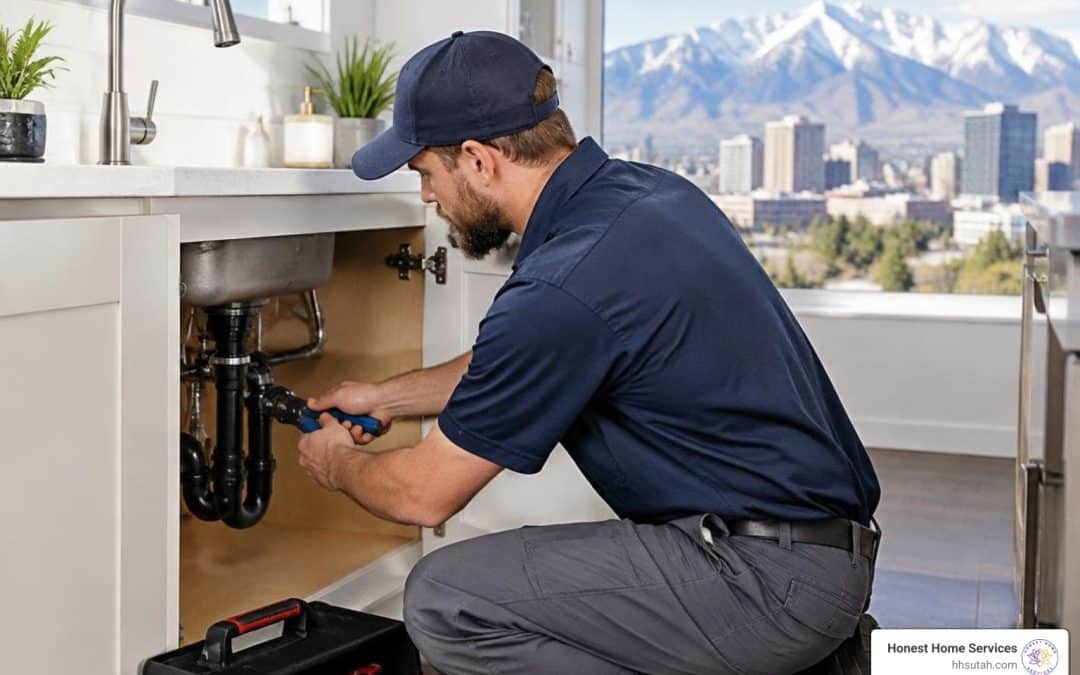
Habit 1: Understand Local Climate and Water Challenges
Finding reliable plumbers in SLC starts with understanding the local conditions that affect your home’s plumbing. The most dependable local contractors are licensed through Utah’s Division of Professional Licensing, provide transparent upfront pricing, and have experience diagnosing the hard water and freeze-related issues common along the Wasatch Front. Before hiring anyone, verify their DOPL credentials, ask for a written estimate, and confirm they carry liability insurance and workers’ compensation coverage.
Living along the Wasatch Front comes with unique geographical perks, from world-class ski slopes to stunning mountain views. However, those same environmental factors present distinct challenges for residential plumbing systems. Between mineral-heavy mountain runoff and sub-freezing winter temperatures, local pipes endure significant stress throughout the year.
The water supply across the Salt Lake Valley contains elevated concentrations of dissolved minerals, primarily calcium and magnesium. Over time, these minerals precipitate out of the water, creating chalky scale deposits inside supply lines, valves, and fixtures. Unaddressed mineral scale restricts water flow, reduces pressure, and accelerates premature wear on internal appliance components. When scale builds up around aerators and cartridges, scheduling professional faucet repair in Salt Lake City helps restore smooth operation and prevent permanent fixture damage.
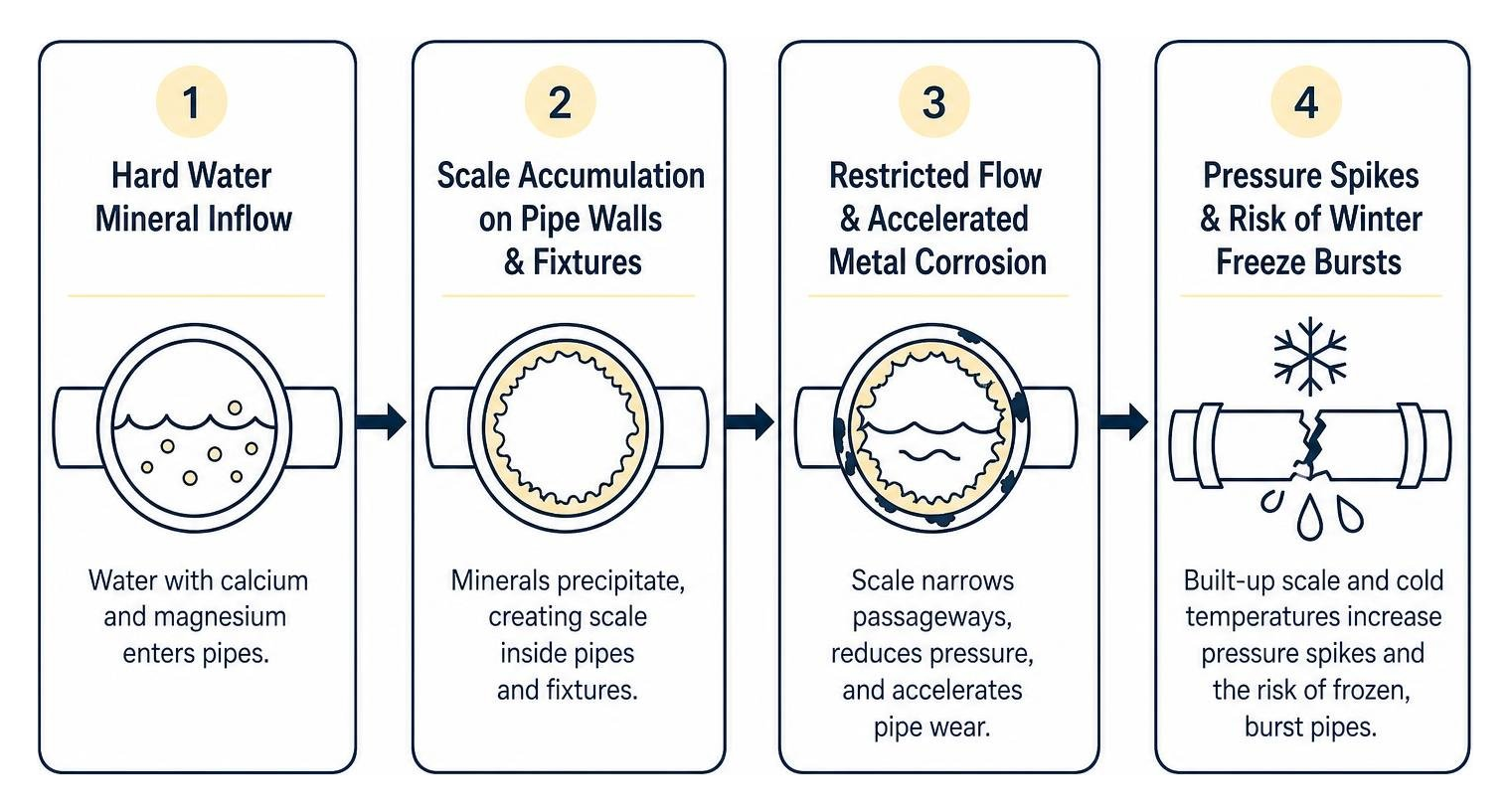
Many older neighborhoods in Salt Lake City, Murray, and surrounding areas feature historic homes built prior to 1980. These properties frequently retain original galvanized steel plumbing lines. As galvanized zinc coatings deteriorate from the inside out, rust builds up, narrowing the pipe diameter and promoting pinhole leaks that threaten structural framing.
How Professional Plumbers in SLC Diagnose Water Quality and Pipe Wear
Identifying internal pipe degradation requires specialized diagnostic equipment. Experienced local technicians rely on targeted assessments rather than surface-level guesswork:
- High-Definition Video Camera Inspections: Running miniature, fiber-optic cameras directly through drain and sewer lines pinpoints root intrusion, scale thickness, and structural cracks without disturbing landscaping or drywall.
- Precision Water Quality Testing: Measuring water hardness levels and dissolved solid counts helps determine whether your plumbing system requires a whole-home water softener or a multi-stage filtration system to protect delicate fixtures.
- Non-Invasive Acoustic and Thermal Leak Detection: Identifying moisture behind finished walls or beneath concrete slab foundations ensures hidden leaks are resolved before mold and wood rot develop.
Preparing Systems for Freezing Wasatch Temperatures
Every winter, temperatures across Salt Lake County and Davis County drop well below freezing. When water inside an uninsulated supply line freezes, it expands by approximately nine percent. Because the expanding ice creates immense hydrostatic pressure between the freeze point and closed faucets, uninsulated pipes easily rupture.
To safeguard your home against winter water damage, follow these seasonal preventative measures:
- Disconnect and Drain Outdoor Garden Hoses: Leaving hoses attached traps standing water inside the outdoor spigot, bursting the sillcock valve inside the exterior wall.
- Insulate Exposed Lines: Wrap pipe insulation or heat tape around supply lines running through unheated spaces, such as basements, crawlspaces, and exterior-facing garages.
- Open Under-Sink Cabinet Doors During Arctic Snaps: Allowing warm indoor room air to circulate around kitchen and bathroom supply lines prevents cold drafts from freezing vulnerable pipes.
- Maintain a Slow Faucet Drip: Permitting a light, steady trickle of water through exposed fixtures relieves internal line pressure and keeps water actively moving.
Taking proactive steps ahead of the first hard freeze is crucial for preventing costly plumbing repairs and keeping your home dry and functional all season long.
Habit 2: Verify Utah Licensing, Permits, and Transparent Rates
Utah maintains rigorous standards for residential and commercial plumbing contractors. The state’s Division of Professional Licensing (DOPL) oversees contractor qualifications, ensuring that tradespeople possess verified field hours, safety training, and clean operational backgrounds.
When evaluating local plumbing contractors, always verify their credentials directly through the official DOPL verification portal. Working with an unlicensed handyman may seem convenient, but it leaves you entirely liable for property damage, code violations, and workplace accidents.
| Requirement | Licensed Master/Journeyman Plumber | Unlicensed Handyman / Contractor |
|---|---|---|
| DOPL Registration | Verified and current | Unregistered or restricted |
| Liability & Workers’ Comp | Full coverage protection | Often nonexistent or limited |
| City Permit Procurement | Pulls all required municipal permits | Cannot legally pull specialized permits |
| Workmanship Warranties | Written guarantees on labor and parts | Little to no recourse for failures |
| Code Compliance | Complies with current Utah plumbing codes | Elevated risk of non-compliant work |
Investing a few minutes into checking credentials ensures you are finding a dependable Salt Lake County plumber who stands behind their craftsmanship and carries proper insurance coverage.
Standard Repair Rates vs. Emergency Service Costs
Understanding billing structures helps you budget effectively for both planned upgrades and sudden plumbing emergencies. Reliable companies provide clear, itemized estimates upfront so you know what to expect before hands-on work begins.
- Standard Scheduled Service: Routine repairs—such as clearing slow drains, replacing running toilet valves, or installing modern fixtures—are billed using clear flat-rate menus or transparent hourly labor structures during standard business hours.
- After-Hours Emergency Service: Rapid-response calls during weekends, late evenings, or major holidays involve dedicated dispatch fees and adjusted hourly rates to cover the immediate mobilization of fully stocked service vehicles.
- Permit and Inspection Charges: Significant system modifications, such as whole-home re-piping or gas line extensions, involve municipal filing fees assessed directly by city building departments to cover mandatory safety inspections.
Habit 3: Compare Service Models for Routine and Emergency Work
Selecting the right plumbing partner depends on the nature and urgency of your project. Both solo independent master plumbers and established regional service teams offer distinct advantages depending on whether you need a minor aesthetic upgrade or round-the-clock crisis support.
Comparing Independent Contractors vs. Team Plumbers in SLC
Independent sole proprietors often deliver personal, direct communication for standard home updates. However, their limited bandwidth can lead to longer booking delays if they are tied up on larger construction sites.
Conversely, established service teams maintain dedicated fleets, comprehensive parts inventories, and rotating on-call technicians. This infrastructure allows them to deliver rapid dispatch times across Salt Lake City, West Jordan, South Jordan, Draper, and Bountiful. Selecting experienced, top-rated Salt Lake City plumbers gives you access to specialized diagnostic machinery and reliable service warranties backed by full office support.
If you are looking for cost-effective maintenance for routine fixture updates, exploring affordable Salt Lake City plumbing solutions ensures you receive professional workmanship while staying within your household budget.
Action Steps During an Immediate Plumbing Emergency
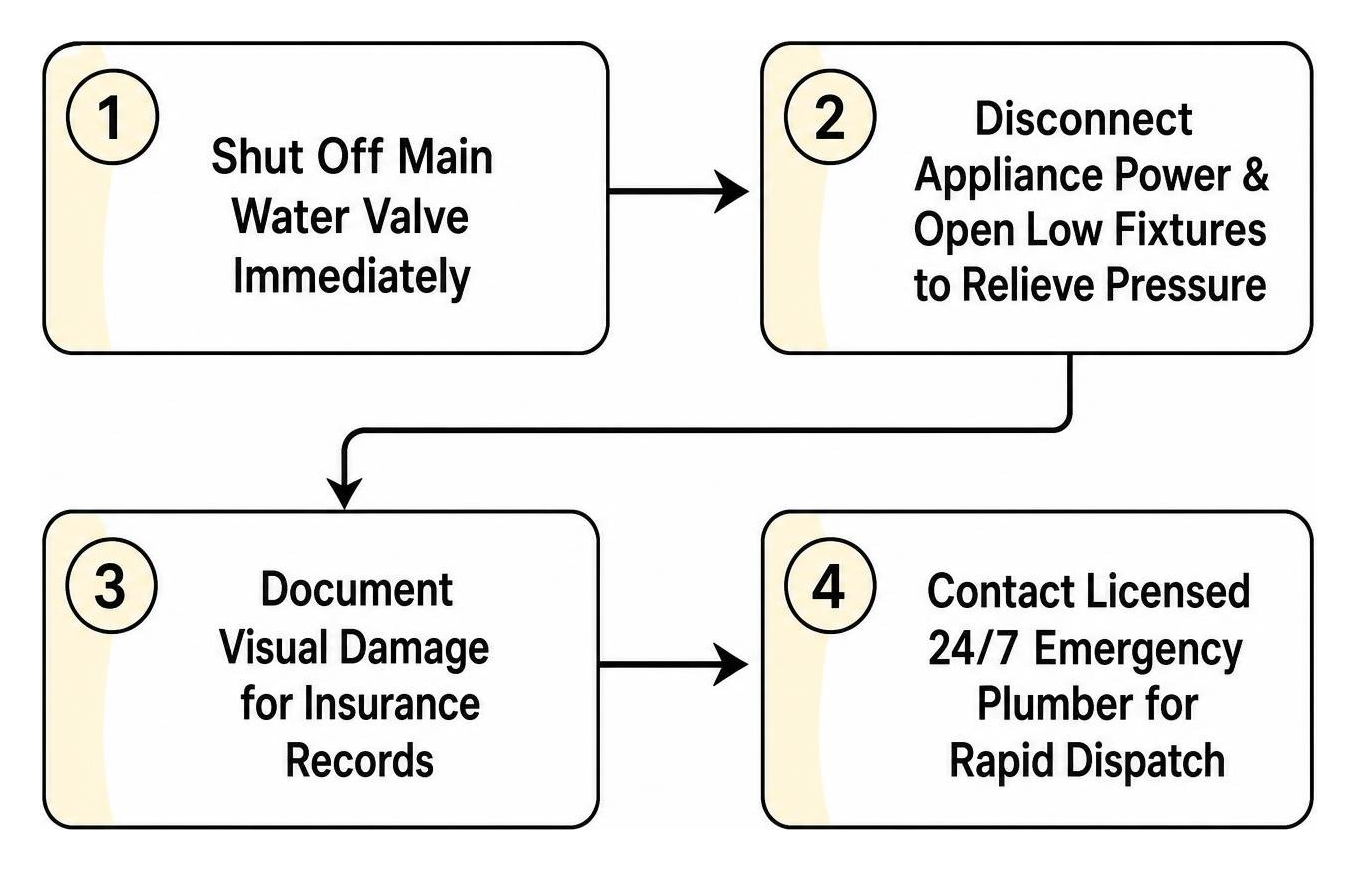
When a supply line fractures or a sewer line backs up, knowing what to do in the first five minutes minimizes structural damage while help is on the way:
- Shut Off the Main Water Supply: Locate your home’s main shutoff valve (typically positioned near the water meter, inside the basement mechanical room, or adjacent to the front foundation wall) and turn it completely clockwise.
- Depressurize the System: Turn on your lowest exterior hose bibs or basement sink faucets to drain standing water away from upper-story burst points.
- Turn Off Power to Water Heaters: If water is leaking near an electric or gas water heater, turn off the dedicated electrical breaker or rotate the gas control valve to the “Pilot” or “Off” setting to prevent tank damage.
- Document the Damage: Snap clear photos and videos of flooded flooring, saturated drywall, and affected personal property for insurance claims.
- Clear the Work Area: Move furniture, rugs, and storage boxes away from the failure point to give arriving technicians immediate access to the problem area.
Habit 4: Prioritize Long-Term Water Conservation and Efficiency
Water management is a central priority for Utah homeowners. Upgrading outdated fixtures not only reduces municipal utility bills but also relieves strain on regional water resources across the Great Salt Lake basin.
Academic research on urban sustainability, including water management insights from institutions such as The University of Texas at Austin, underscores how fixture modernization significantly lowers per-capita residential water consumption.
High-impact efficiency upgrades include:
- EPA WaterSense-Certified Toilets: Modern dual-flush or ultra-low-flow units use just 1.28 gallons per flush (GPF) or less, compared to older models that consume up to 3.5 to 5.0 GPF. Addressing worn internal components using modern Salt Lake City toilet repair solutions immediately stops silent tank leaks that waste thousands of gallons annually.
- Smart Leak Monitoring Sensors: Inline shutoff valves automatically monitor flow rates, instantly cutting off water supply to the home when an unusual flow spike or sustained leak is detected.
- Low-Flow Aerators and Showerheads: Pressure-compensating aerators reduce daily domestic hot water demand without compromising spray force.
Upgrading Aging Water Heaters and Fixtures
Over 60% of homes in Salt Lake City rely on standard tank-style water heaters. Due to mineral accumulation from our hard local water, these conventional units generally reach the end of their operational lifespan within 8 to 12 years.
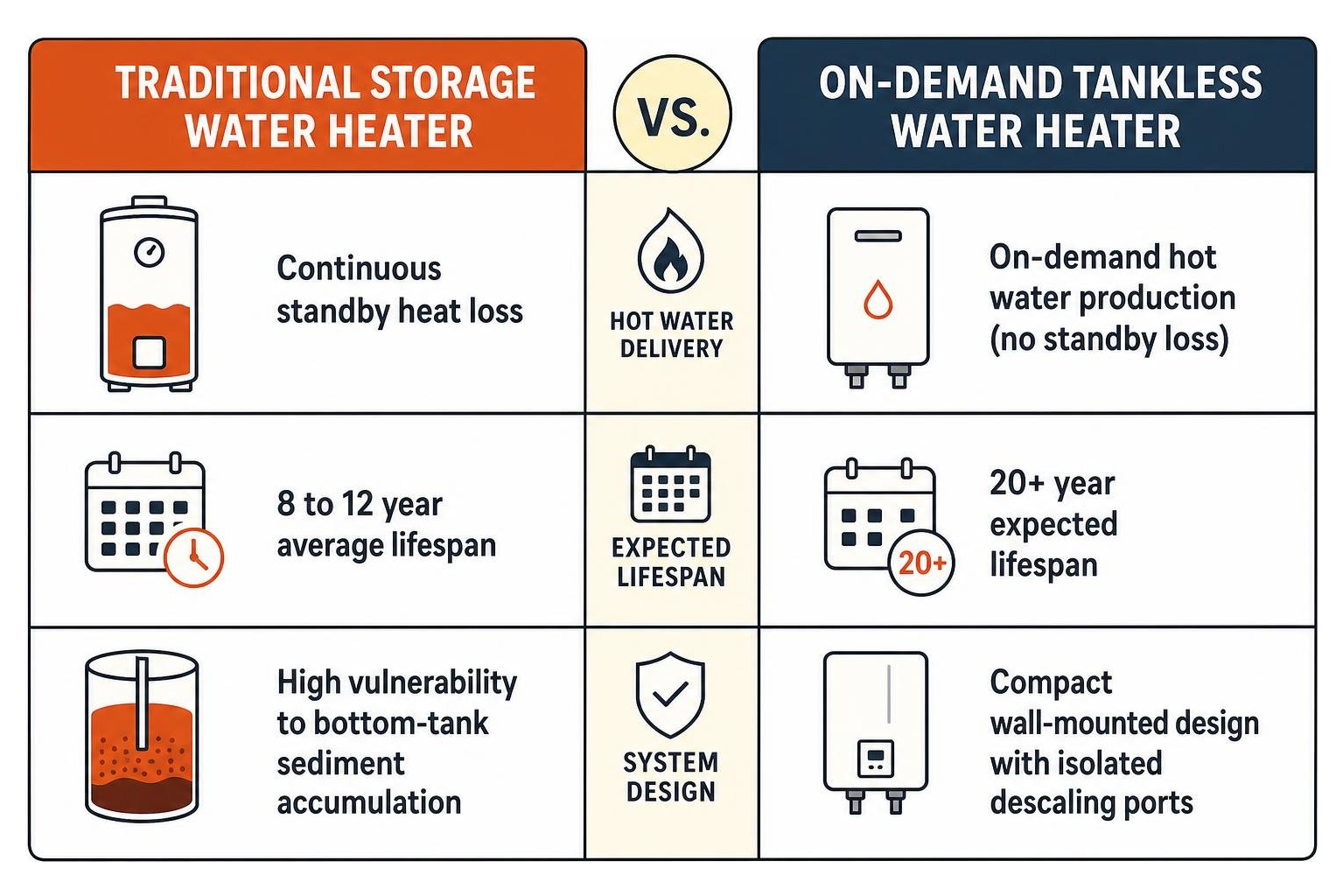
Transitioning to a tankless water heating system delivers significant long-term benefits:
- Endless Hot Water Delivery: Water is heated on demand as it flows through high-efficiency heat exchangers, eliminating morning shortages for large families.
- Extended Operating Lifespan: Quality tankless units routinely operate reliably for 20 years or more when maintained with annual descaling flushes.
- Reduced Energy Footprint: Eliminating standby heat loss lowers domestic natural gas or electrical energy consumption.
Why Choosing Licensed Plumbers in SLC Protects Your Property
Your plumbing network is among the most critical and complex mechanical systems in your home. Improper installations or incomplete repairs can result in hidden structural rot, mold contamination, and invalid homeowner insurance claims.
Partnering with trusted local plumbing professionals guarantees that every repair complies with Utah Uniform Building Code standards. At Honest Home Services, our technicians arrive equipped with specialized tools, factory-authorized replacement parts, and the diagnostic expertise required to service homes throughout Salt Lake City, Sandy, West Valley City, Herriman, Draper, and Layton.
Whether addressing an urgent basement line rupture or planning a full modern fixture retrofit, working with verified specialists gives you complete peace of mind.
Frequently Asked Questions About Salt Lake City Plumbing
What is the average cost for plumbing repairs in Salt Lake City?
Plumbing service pricing varies based on the scope of the problem, the required replacement materials, and whether the repair is handled during standard hours or dispatched as an emergency. Basic drain cleanings and minor fixture repairs require modest labor investments, while major tasks like sewer line excavation or whole-home repiping involve detailed estimates tailored to the property layout.
When do plumbing projects in SLC require city permits?
Under Utah building regulations, standard maintenance—such as replacing an existing faucet, swapping a toilet flapper, or clearing a clogged drain—does not require city permitting. However, major system modifications, such as installing a new water heater, re-routing gas lines, undertaking whole-home repiping, or replacing main sewer lines, require building permits and final municipal inspections to ensure safety and code compliance.
How often should tank water heaters be replaced in Utah?
Standard storage-tank water heaters in the Salt Lake Valley typically last between 8 and 12 years. The high mineral content of local hard water accelerates sediment accumulation at the bottom of the tank, which degrades heating elements and corrodes protective anode rods over time. Performing an annual tank sediment flush helps maximize your water heater’s operating lifespan.
Conclusion
Navigating plumbing upkeep along the Wasatch Front does not have to be stressful. By understanding local hard water challenges, taking winterization steps ahead of freezing weather, verifying state licensing, and selecting high-efficiency fixtures, you can keep your home safe, comfortable, and protected from unexpected water damage.
When you need dependable residential support, Honest Home Services is ready to assist. Our team is dedicated to providing transparent pricing, clean workmanship, and guaranteed customer satisfaction across Northern Utah. Contact us today to schedule your comprehensive inspection or access expert Salt Lake City plumbing services for all your household plumbing needs.