
How to Protect Your Bountiful Plumbing Before a Freeze
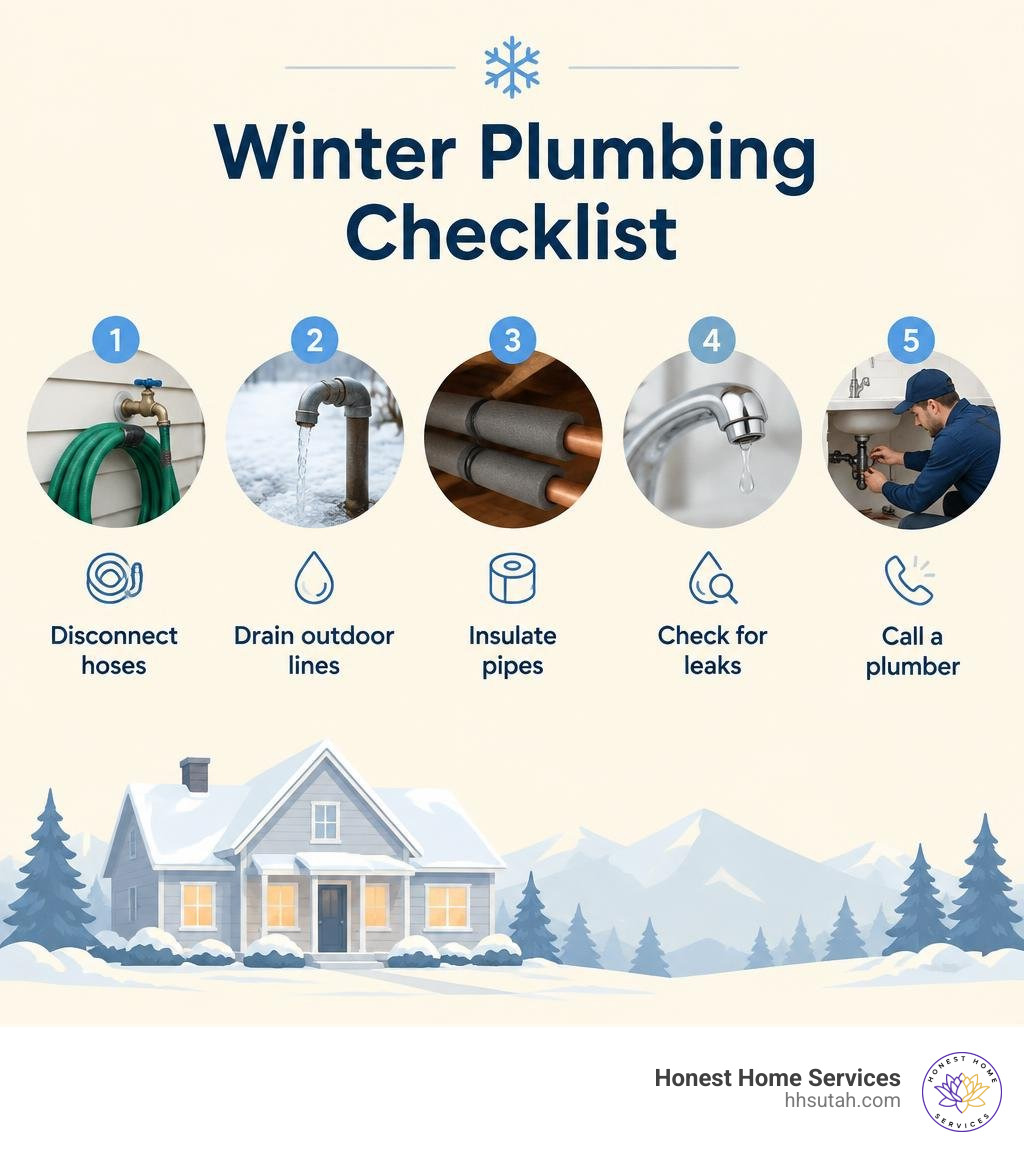
Start with the pipes most exposed to cold. Disconnect garden hoses, drain outdoor water lines where possible, and insulate pipes in unheated spaces. If a faucet slows to a trickle during a freeze, check for leaks. Shut off the main water supply if a pipe has split, and call a plumber for a hidden leak or a pipe you cannot safely thaw.
Winter can turn a small plumbing problem into water damage fast. This guide will help you spot warning signs, take safe first steps, and know when a repair needs a professional. When freezing weather exposes a weakness in your supply lines, prompt plumbing repair in Bountiful can prevent a minor crack from becoming a major flood.
We’re Honest Home Services, a licensed and insured Utah team with over 20 years of experience repairing pipes, drains, and fixtures, providing reliable and affordable plumbing solutions across our communities. Our certified technicians help local homeowners prepare for severe weather and protect their plumbing systems before the next winter freeze.
Common Winter Plumbing Vulnerabilities in Davis County Homes
Living along the Wasatch Front means enjoying incredible mountain views, but our canyon winds and sharp winter temperature drops bring significant freeze risks. In Davis County, homes often feature plumbing routed through uninsulated crawl spaces, exterior-facing wall cavities, cantilevered floors, and unheated basements. When sub-freezing weather settles in, standing water inside these lines solidifies and expands by roughly 9%, creating massive internal pressure that can rupture metal or plastic lines.
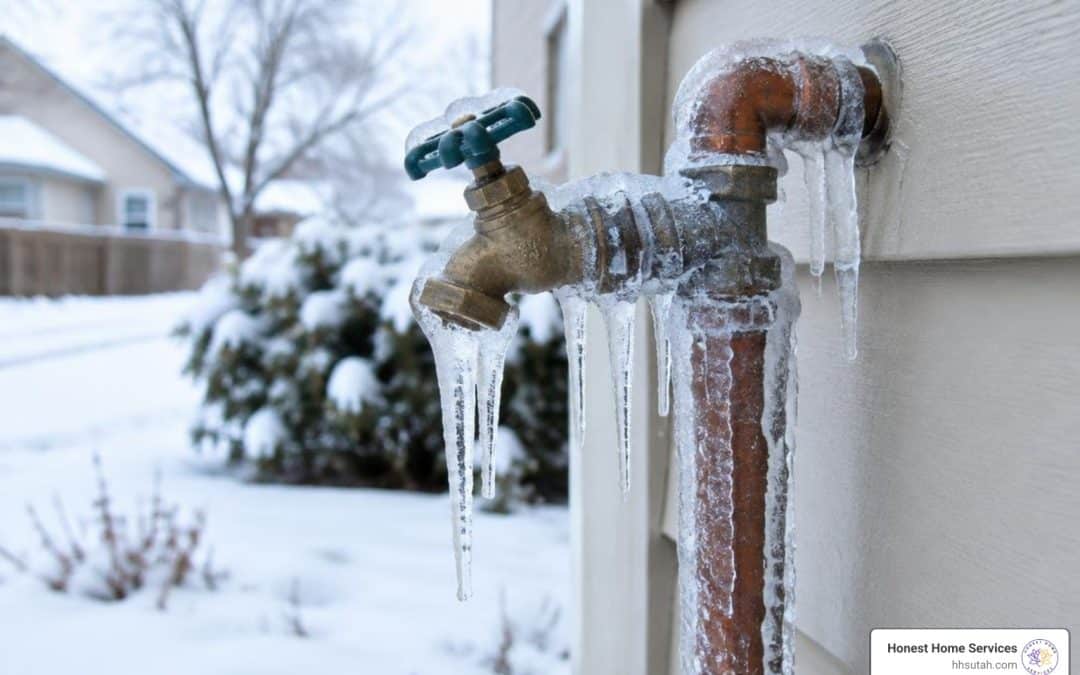
Outdoor hose bibbs are another major trouble spot. When an exterior garden hose remains attached as temperatures dip below freezing, trapped water backs up into the sillcock valve and freezes right inside your exterior wall. Once thawed, the split brass housing causes severe wall leaks.
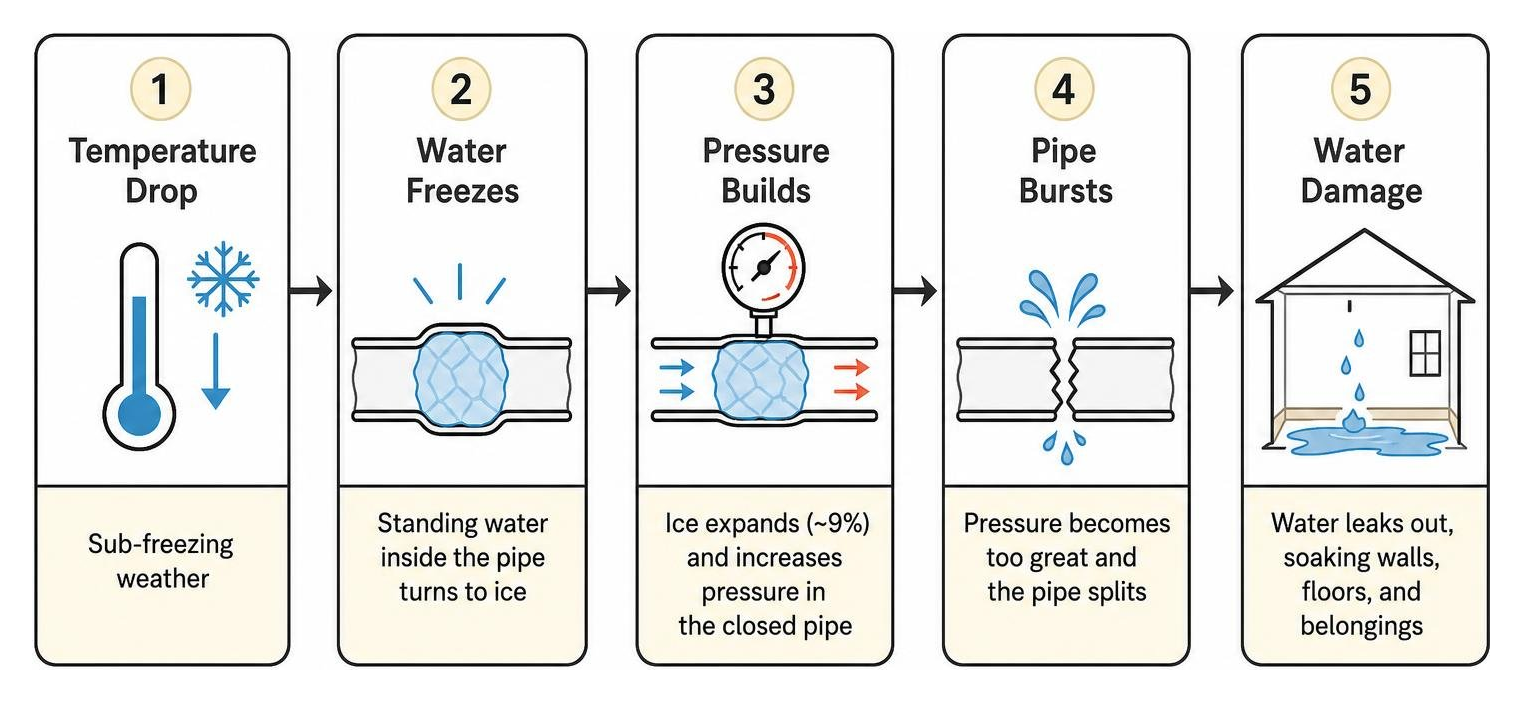
When water freezes inside a closed pipe, the real danger is not just where the ice forms—it is the hydraulic pressure spike trapped between the ice blockage and your closed indoor faucets. If you are experiencing sudden pressure changes or suspect a damaged supply line, our comprehensive guide to pipe repair in Salt Lake City explains how these pressure spikes cause ruptures across residential plumbing networks.
Evaluating Pipe Materials Before Needing Plumbing Repair Bountiful
The age and material of your piping determine how well your home handles severe winter weather. Bountiful features a rich mix of historic mid-century neighborhoods and modern hillside builds, meaning local properties utilize several generations of piping materials. Understanding the history and evolution of plumbing reveals why older materials fail under stress compared to modern installations:
- Galvanized Steel: Common in homes built before the 1960s, galvanized steel potable water supply pipes have an average service life of about 30 to 50 years. Decades of mineral buildup reduce their internal diameter, making them especially vulnerable to complete ice blockages and brittle stress fractures during cold snaps.
- Copper Piping: Popular for decades due to its clean profile and heat tolerance, copper can still suffer from interior pitting and seam ruptures when water freezes inside rigid tubing.
- PEX (Cross-Linked Polyethylene): Modern, flexible plastic tubing now estimated to be used in 60% of single-family homes. PEX expands slightly when water freezes inside it, making it significantly more resistant to freeze-burst events than rigid metals.
- Lead Pipes and Solder: Lead pipes were approved in national plumbing codes into the 1980s in the United States, and lead-based solder for drinking water lines was not banned until 1986. If your older home still contains aging lead or heavily soldered copper lines, replacing them protects water quality and structural durability.
| Pipe Material | Expected Lifespan | Freeze Resistance | Corrosion Vulnerability | Best Used For |
|---|---|---|---|---|
| Galvanized Steel | 30–50 Years | Very Low (Rigid & Brittle) | High (Internal Rust & Scale) | Historic homes needing repiping |
| Rigid Copper | 50+ Years | Moderate (Splits along seams) | Low–Moderate (Pitting from hard water) | Exposed indoor supply lines |
| PEX Tubing | 40–50+ Years | High (Expands with ice) | None (Resistant to minerals/acid) | Modern residential supply & retrofits |
Early Warning Signs of Frozen or Leaking Pipes
Catching a freeze or minor leak before a major flood saves thousands of dollars in water damage restoration. Watch for these early indicators throughout the winter months:
- Low Faucet Flow: Turning on a bathroom or kitchen sink and receiving only a weak trickle usually points to an ice dam forming within an exterior-facing supply line.
- Visible Frost on Lines: Exposed pipes in basements, crawl spaces, or utility closets showing frost or excessive condensation are actively freezing.
- Clanging Water Hammer: Unusual banging, whistling, or rattling sounds when running water indicate altered pressure dynamics or partial ice obstructions.
- Unexplained Water Meter Movement: If all fixtures are turned off inside the house but your water meter dial continues to spin, water is escaping through a cracked pipe hidden inside your foundation or framing.
Winter Freeze Prevention and Plumbing Repair Bountiful Services
Preventing winter plumbing disasters requires straightforward seasonal maintenance. Begin each autumn by disconnecting all garden hoses, turning off interior shut-off valves dedicated to outdoor spigots, and opening exterior hose bibbs to drain remaining water. If you have an in-ground sprinkler system, schedule a professional compressed-air blowout before the first hard freeze to keep subterranean backflow assemblies and manifolds from cracking.
Inside the home, fit exposed water lines in unheated areas with closed-cell foam insulation sleeves or thermostatically controlled heat cables. We also recommend installing smart leak sensors near water heaters, laundry lines, and basement supply manifolds to alert your phone the second moisture appears.
Cold weather also impacts home drainage networks. Grease and organic debris congeal faster in cold ground temperatures, increasing the risk of backups that require main sewer line clog repair to keep household wastewater flowing freely.
Modern Diagnostic Tools for Plumbing Repair Bountiful
Modern plumbing diagnostics eliminate destructive guesswork when identifying cracked, frozen, or failing lines. Rather than tearing open drywall or excavating your yard, licensed technicians utilize advanced non-invasive technology:
- High-Definition Sewer and Pipe Cameras: Waterproof, flexible fiber-optic cameras travel through supply and drainage lines, pinpointing structural cracks, root intrusions, and interior blockages in real time.
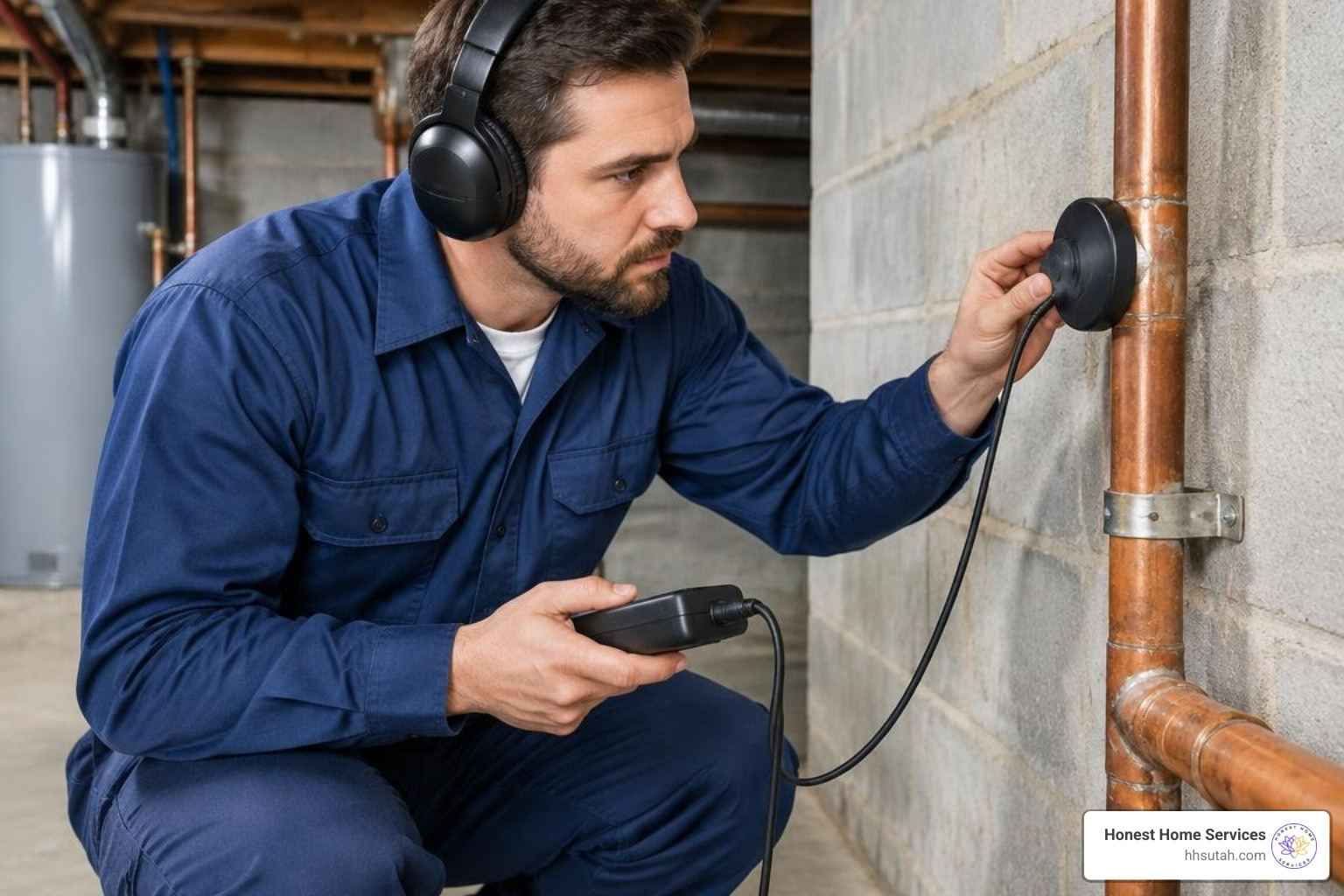
- Acoustic Leak Detectors: Sensitive ground microphones detect the specific acoustic frequency of pressurized water escaping through hairline foundation cracks.
- Hydro-Jetting Equipment: High-pressure water scouring cleans interior grease deposits, mineral scale, and frozen sludge out of main drain systems without damaging the pipe walls.
- Trenchless Pipe Lining: When exterior sewer or water main lines split, trenchless epoxy liners restore structural integrity underground without digging up lawns or driveways.
Safe DIY Steps vs. Professional Intervention
If you wake up to a frozen pipe that has not yet split, taking fast, safe action can restore water flow. However, using improper thawing techniques creates severe fire and explosion risks.
Never use open flames, propane torches, or heat guns on residential pipes. Open flames can boil trapped water inside a sealed section of pipe, generating explosive steam pressure, or ignite dry wood framing inside wall cavities. If a pipe is inaccessible behind drywall, shows physical bulging or cracks, or fails to thaw after gentle heating, shut off your main water valve and call our team immediately. Selecting a qualified contractor is easy when using our guide on finding a reliable local plumber.
Utah Licensing, Local Building Codes, and Hiring Standards
Plumbing work in Utah is strictly regulated to protect public health and property safety. The Utah Division of Professional Licensing (DOPL) mandates that all plumbing contractors hold active state licenses, carry comprehensive general liability and workers’ compensation insurance, and maintain minimum surety bond coverages.
Under Utah standards, apprentice plumbers must work under the direct on-site supervision of an active licensed Journeyman or Master Plumber. When hiring a contractor for major repairs or repiping in Davis County, ensure they pull proper municipal permits through local building departments. Permitted inspections ensure critical safety elements—such as approved backflow prevention devices, correct pipe wall thickness schedules, and lead-free fittings—comply with the adopted International Plumbing Code (IPC). You can browse our overview of top Salt Lake City plumbing services to see how reputable local contractors manage licensing and code compliance.
Typical Costs and Timelines for Local Plumbing Repairs
Plumbing repair costs and timelines vary depending on whether the issue is an isolated frozen fixture, an underground sewer break, or an emergency burst pipe inside finished living spaces. Minor repairs can often be resolved in a single service visit, while extensive main line replacements require underground diagnostic locating, municipal permits, and specialized excavation equipment.
| Service Type | Scope of Work | Typical Project Timeline |
|---|---|---|
| Frozen Pipe Thawing | Non-invasive thermal thawing and pressure testing | 1 to 3 Hours |
| Burst Pipe Section Repair | Cutting damaged copper/PEX section, installing new fittings | 2 to 4 Hours |
| Video Camera Inspection | High-definition sewer and main line diagnostic recording | 1 to 2 Hours |
| Whole-Home Water Repipe | Replacing failing galvanized/polybutylene lines with PEX | 2 to 4 Days |
| Main Water Line Replacement | Excavation or trenchless replacement of exterior supply line | 1 to 2 Days |
Frequently Asked Questions about Bountiful Plumbing
At what temperature do pipes freeze in Bountiful homes?
Water pipes are generally at risk of freezing whenever outside temperatures drop to 20°F (-6°C) or lower for several consecutive hours. In Bountiful, steep mountain wind chills can freeze poorly insulated pipes along northern or eastern exterior walls at slightly higher temperatures.
What should I do immediately if a pipe bursts in my home?
Locate your main water shut-off valve immediately and turn it clockwise until the flow stops completely. Next, open cold faucets across your lowest fixtures to drain remaining water from the system, turn off electricity to any flooded areas at your breaker box, and call for emergency plumbing service.
Do I need a building permit for residential plumbing repairs in Bountiful?
Simple fixture repairs, clearing localized drain clogs, and swapping out identical faucet parts do not require a permit. However, major alterations such as whole-home repiping, water heater replacements, water service main line installations, and sewer line replacements require municipal permits and inspections under Davis County building codes.
Conclusion
Protecting your home from winter freeze events comes down to proactive inspection, draining vulnerable outdoor fixtures, and insulating exposed supply lines. Taking these steps early safeguards your home against sudden water damage and costly emergency repairs throughout the cold Utah winter.
When you need dependable, high-quality assistance, our team at Honest Home Services is here around the clock with upfront pricing and guaranteed workmanship across Northern Utah. Explore our full range of professional Salt Lake City plumbing services to schedule your seasonal inspection or emergency repair today!