

Understanding Commercial Plumbing: Key Differences from Residential Systems
To find a reliable commercial plumber for your business, prioritize licensed and insured contractors with demonstrated experience in high-capacity systems, familiarity with local municipal codes, clear upfront pricing, and guaranteed 24/7 emergency dispatch. Choosing the right commercial partner ensures system reliability and protects your operations from costly downtime.
Commercial plumbing systems must handle higher volumes, stricter building codes, and heavier daily use than residential setups. While a single-family home might have four or five occupants using water intermittently throughout the day, a commercial facility easily handles hundreds or thousands of users within tight operating windows. According to the U.S. Environmental Protection Agency, commercial and institutional buildings account for roughly 17% of public water use in the United States, which highlights the scale of demand these systems face daily.
| Feature | Residential Plumbing | Commercial Plumbing |
|---|---|---|
| Daily Usage Volume | Moderate (dozens of daily fixture uses) | Heavy (hundreds to thousands of uses daily) |
| System Layout | Single-family, 1–2 story branch lines | Multi-story vertical risers, complex loops |
| Pipe Sizing & Materials | Standard PVC, PEX, 1/2″ to 3/4″ supply lines | Heavy-gauge copper, cast iron, 1″ to 4″+ mains |
| Water Heating Demands | 40–80 gallon standard recovery tanks | High-capacity commercial boilers, continuous flow units |
| Regulatory Oversight | Standard residential building code | Strict health codes, ADA mandates, annual backflow laws |
| Downtime Impact | Inconvenience to household members | Direct operational downtime, loss of business revenue |
Scale, Usage, and Building Code Requirements
The difference in daily fixture cycles between residential and commercial environments is massive. A high-traffic office restroom processes hundreds of flushes per day compared to dozens in a home. This constant use subjects commercial flush valves, flushometers, and supply lines to continuous mechanical stress. Over time, even small leaks or worn washers can escalate into significant water waste and fixture failure if not addressed during routine maintenance.
Commercial buildings must also meet stringent municipal regulations and standards for Americans with Disabilities Act (ADA) compliance. These laws govern everything from exact sink mounting heights and clear floor space underneath basins to grab bar clearances and insulated pipe wraps to prevent scald injuries. When an unexpected emergency strikes, business operators need an urgent leaking pipe repair immediately to stay compliant and prevent structural flooding across active workspaces.
Infrastructure Complexity and Heavy-Duty Demands
Multi-story office towers, hospitality centers, and industrial facilities use intricate networks of vertical riser pipes, pressure-reducing valves (PRVs), and dedicated return loops to balance high water pressure across different floors. These systems require careful engineering to prevent pressure imbalances that could cause fixture damage on lower floors while leaving upper floors with inadequate flow.
Demands on commercial hot water systems are equally intense. A multi-unit apartment building needs to supply 120-degree water to 20 or more units simultaneously, while a restaurant’s commercial dishwasher may require 140-degree water at a flow rate of 2 to 3 gallons per minute continuously during service hours. If your hot water supply falters during a peak shift, knowing when to schedule commercial water heater repair makes the difference between keeping your doors open and shutting down operations for the day.
Essential Services for Business Facilities and Commercial Kitchens
Commercial operations require specialized plumbing solutions tailored to their exact floor plans, waste output, and equipment requirements. From grease management in food service to backflow prevention in medical facilities, each business type presents unique challenges that demand targeted expertise.
Specialized Restaurant and Commercial Kitchen Needs
Commercial kitchens operate under intense environmental and regulatory conditions. A restaurant kitchen drains more grease in a single lunch rush than a home kitchen produces in a month. Because Fats, Oils, and Grease (FOG) solidify quickly as they cool, health departments mandate heavy-duty grease interceptors to trap waste before it reaches public sewer lines.
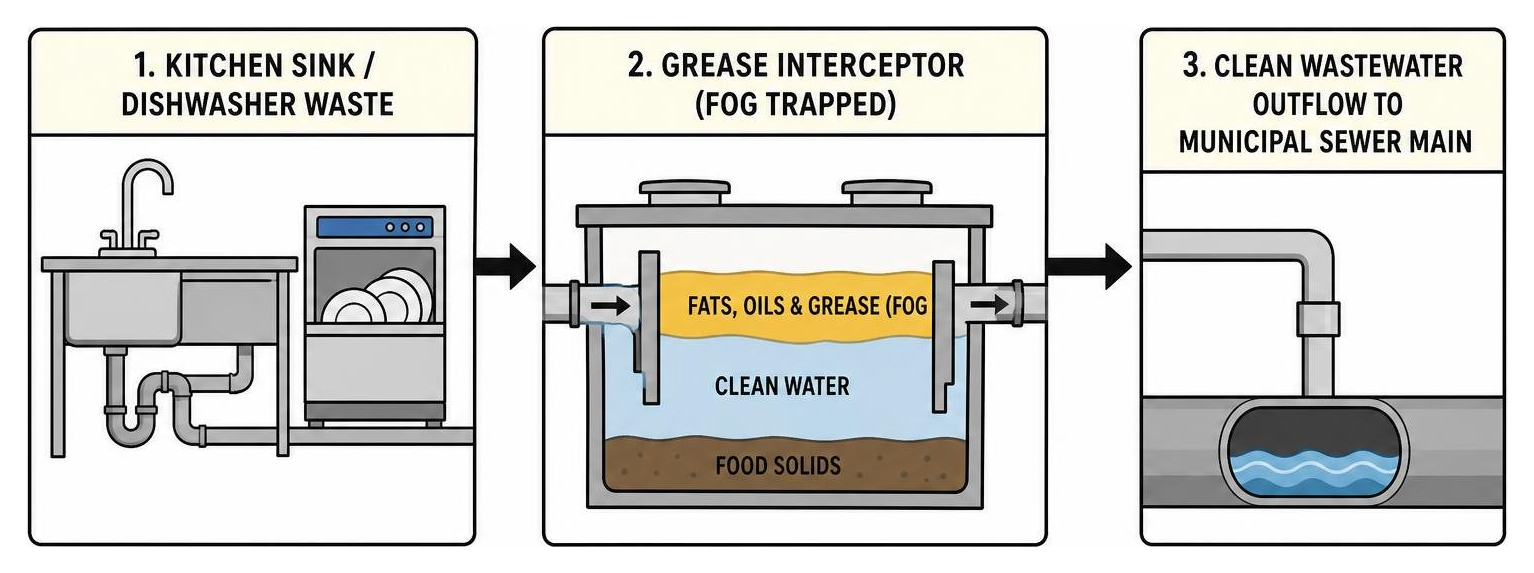
Kitchen fixtures also endure continuous exposure to boiling liquids, food solids, and high-temperature sanitizing cycles. When commercial lines run slow, technicians use a mainline sewer camera inspection to spot grease accumulation, line sags, or food debris without tearing into flooring.
Backflow Prevention, Hydro-Jetting, and Drain Maintenance
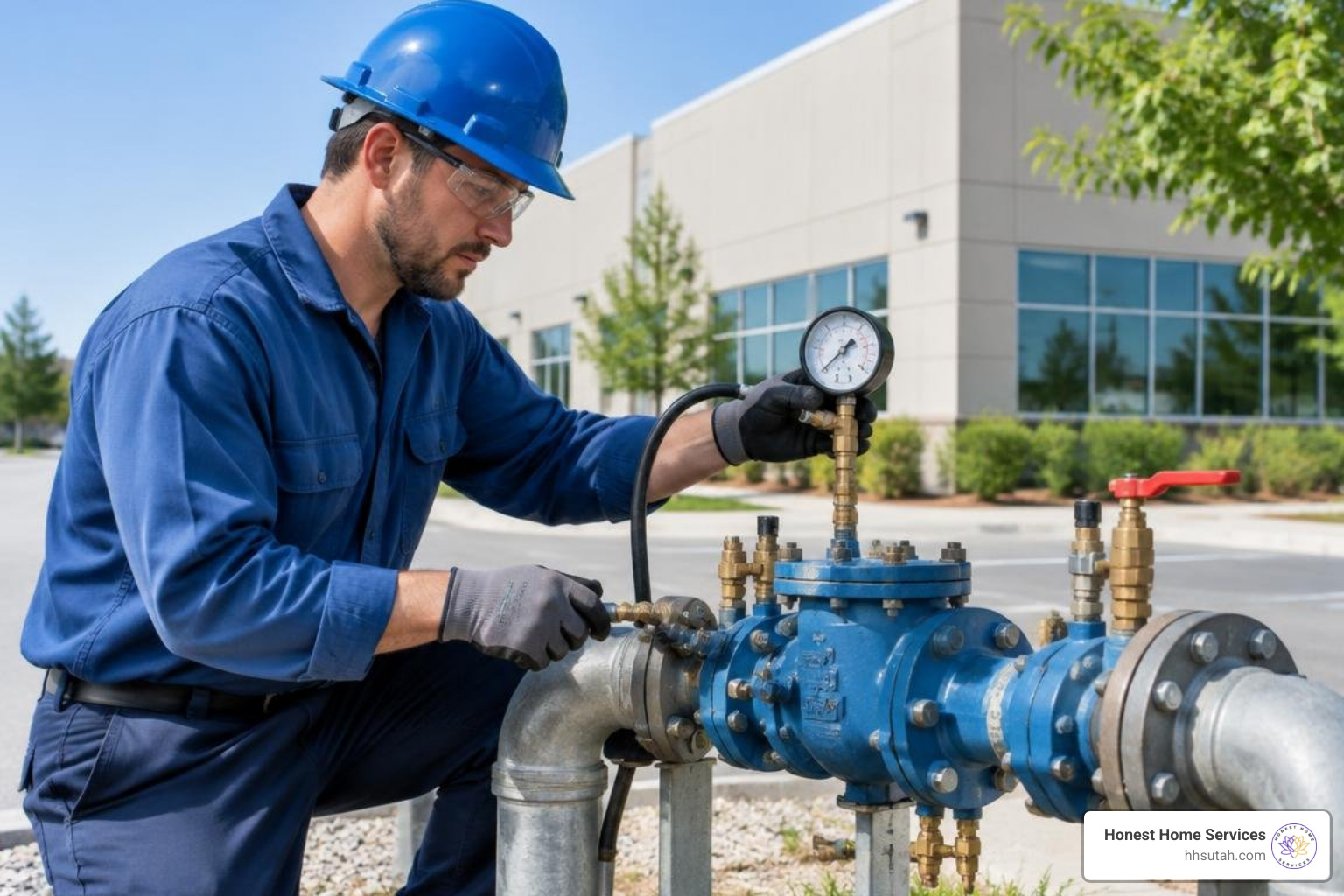
Commercial properties must install and maintain backflow prevention assemblies to keep contaminated water from siphoning back into municipal drinking water networks. Because businesses use specialized equipment like boilers, chemical dispensers, and irrigation systems, backflow preventers serve as a mechanical barrier against cross-contamination. Most local municipalities require documented annual testing to remain compliant.
For high-volume waste lines, commercial hydro-jetting delivers high-pressure water streams (up to 4,000 PSI) to blast away grease, mineral scales, and tree roots. Routine maintenance using comprehensive main line sewer and drain services helps high-traffic properties avoid backups during business hours.
Tenant Improvements and Remodel Installations
When commercial properties welcome new tenants or redesign existing floor plans, plumbing infrastructure must be modified to suit the new layout. Tenant improvements (TIs) range from adding private employee restrooms and customer breakrooms to re-routing industrial gas supply lines and running high-capacity drainage for commercial laundry or food preparation stations. These projects often require careful sequencing to minimize disruption to neighboring tenants who remain open for business during construction.
Commercial plumbing contractors coordinate directly with general contractors, architects, and local building inspectors to secure permits, draft accurate line layouts, and execute clean pipe rough-ins without delaying other trades on site.
Preventative Maintenance and Emergency Response Strategies
Plumbing disasters rarely occur at convenient times. A comprehensive approach combining fast emergency intervention with routine maintenance helps protect commercial buildings against expensive property losses. Facility managers who invest in proactive care typically experience fewer unexpected failures and lower long-term repair costs.
Rapid Emergency Response and 24/7 After-Hours Service
When a pipe bursts inside a high-rise office or a main sewer backs up into a retail showroom, every minute of delay increases property damage. Commercial emergency dispatch teams prioritize swift response times—often arriving within 60 to 90 minutes—to isolate system valves and contain the issue. This rapid intervention can mean the difference between a contained cleanup and a full-scale restoration project.
When major pipe ruptures threaten ongoing operations, getting professional burst pipe repair right away stops water damage and allows business to resume quickly. Furthermore, commercial contractors offer evening, weekend, and overnight service windows so major upgrades, hydro-jetting, or pipe replacements happen outside of standard business hours.
Custom Maintenance Programs for Commercial Properties
A preventative maintenance agreement shifts facility management from reactive emergency repairs to predictable, proactive care. These programs are tailored to each property’s specific usage patterns, occupancy levels, and equipment requirements.
- Quarterly grease interceptor audits: Inspecting baffles, measuring FOG levels, and validating clean drainage.
- Semi-annual hydro-jetting runs: Clearing high-risk kitchen lines and high-traffic office waste lines.
- Annual backflow assembly certification: Testing internal check valves and submitting test reports to local water districts.
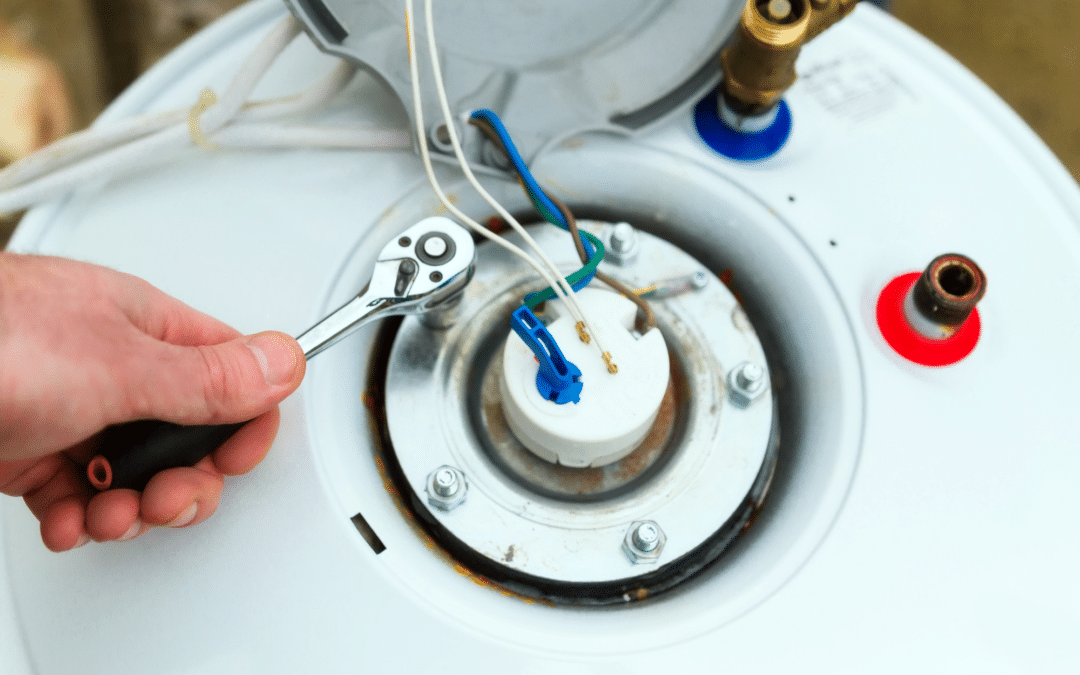
- Water heater diagnostics: Flushing out sediment buildup, checking anode rods, and verifying thermostat accuracy.
- Main sewer line camera sweeps: Inspecting underground structural integrity to identify early pipe decay.
How to Choose the Right Commercial Contractor for Your Business
Selecting a commercial plumbing partner requires verifying experience with high-demand, code-restricted systems. The right contractor becomes a long-term asset, helping you anticipate problems before they disrupt operations. For a step-by-step checklist on evaluating prospective contractors, review our resource on choosing a commercial plumbing company.
Key Qualifications, Licensing, and Experience
Never hire a contractor who primarily handles basic residential work for complex commercial infrastructure. Verify that the company holds valid commercial plumbing licenses, bonds, and comprehensive commercial general liability insurance. These credentials protect your business from liability if accidents occur on the job site.
Working with established Salt Lake City plumbing repair pros gives you peace of mind that your plumbing team understands local municipal codes, water pressure issues, and cold-weather pipe protection. Local expertise matters because Northern Utah’s freeze-thaw cycles and specific water quality conditions create unique challenges for commercial systems.
Evaluating Upfront Pricing and Service Warranties
A professional commercial contractor delivers clear, itemized scopes of work before turning a wrench. Look for upfront pricing structures that detail equipment, labor hours, permitting fees, and manufacturer warranties. Reputable plumbing partners stand behind their craftsmanship with clear warranties on all parts and labor, giving you confidence that the work will hold up under demanding commercial use.
Frequently Asked Questions About Facility Plumbing
What types of businesses require specialized commercial plumbing?
Commercial plumbing services are vital for restaurants, retail storefronts, office complexes, medical and dental clinics, educational facilities, hotels, multi-family housing, and manufacturing plants. Each facility has unique operational needs, such as high-volume sanitation in healthcare or heavy FOG mitigation in food service.
How often should a business schedule commercial plumbing maintenance?
Most businesses benefit from quarterly or semi-annual maintenance visits. High-demand facilities like commercial kitchens need quarterly grease trap servicing, while corporate office restrooms and multi-unit residential properties run smoothly with bi-annual drain cleaning and annual water heater flushes.
Why is annual backflow testing mandatory for commercial buildings?
Backflow testing is legally required by municipal health codes to prevent contaminated water from flowing backward into public drinking supplies. Annual tests confirm that mechanical backflow valves seal correctly under sudden changes in municipal line pressure.
Conclusion
Plumbing reliability plays a direct role in your day-to-day business success, tenant satisfaction, and code compliance. Partnering with a dedicated commercial plumbing team helps prevent sudden disruptions, protects your property investment, and keeps your operations running efficiently.
At Honest Home Services, we provide Northern Utah businesses with prompt, professional, and reliable plumbing care. From emergency repairs to proactive maintenance programs, explore our full suite of Salt Lake City commercial plumbing services to keep your facility operating at its best.