
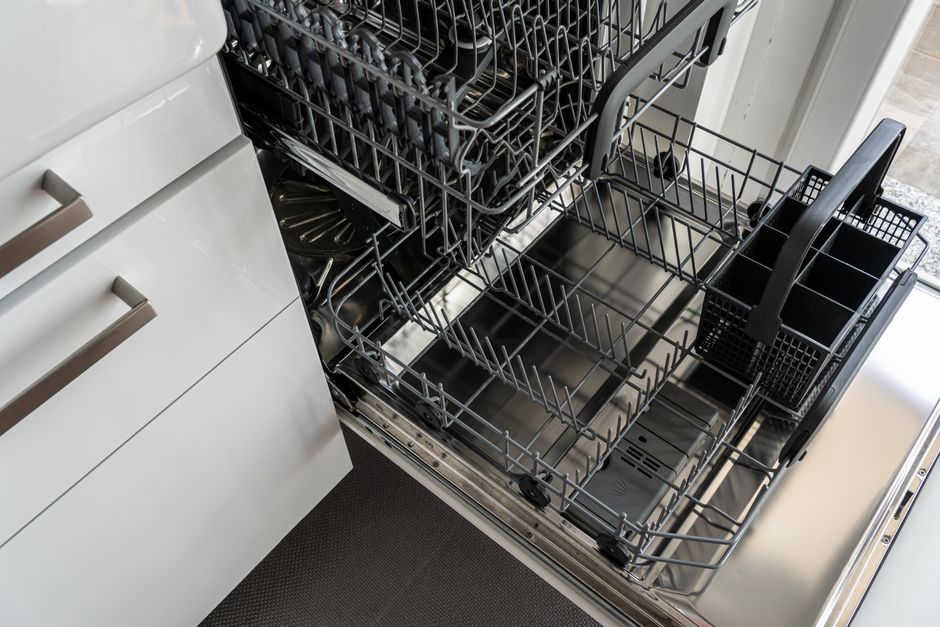
What to Do When Your Dishwasher Drain Is Clogged
A dishwasher drain clogged with food, grease, or debris is one of the most common kitchen headaches homeowners face — and in most cases, you can fix it yourself in under an hour.
Quick answer — how to unclog a dishwasher drain:
- Disconnect power at the breaker or unplug the unit
- Remove standing water with a cup, sponge, or wet-dry vacuum
- Clean the filter at the bottom of the tub (the #1 cause — 35% of cases)
- Check the drain hose for kinks under the sink
- Run the garbage disposal to clear any shared-drain blockage
- Clean the air gap on the sink if one is installed
- Test the drain pump if all else fails
If standing water is sitting an inch or more deep after a full cycle, something is blocking the drain path. The fix is usually simple — and this guide walks you through every step.
At Honest Home Services, we’ve spent over 20 years helping Utah homeowners diagnose and clear dishwasher drain clogged problems — from a gunked-up filter to a blocked drain line. Whether you want to tackle it yourself or need a pro, we’ll help you figure out exactly what’s going on.
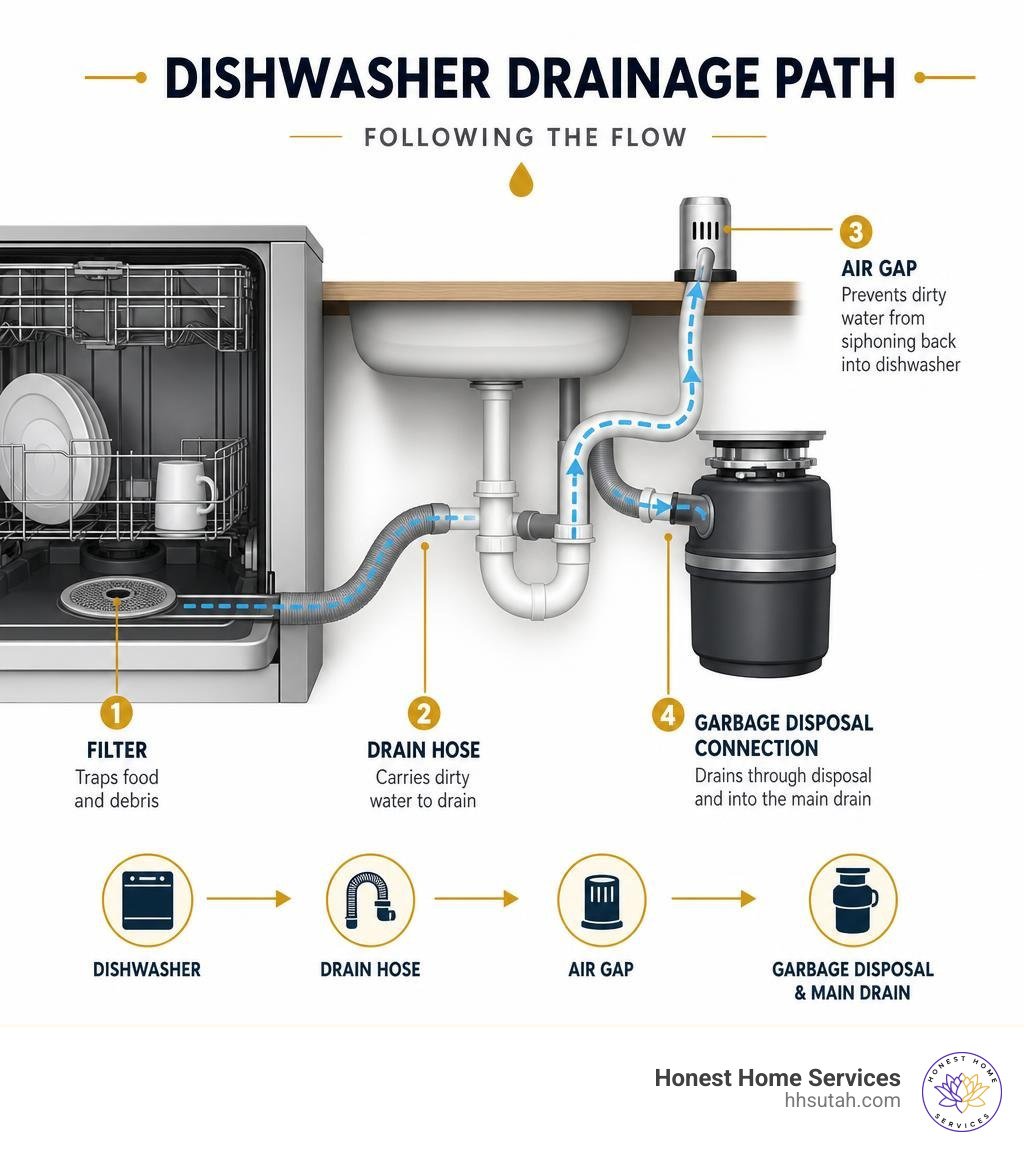
Dishwasher drain clogged terms to know:
Recognizing the Signs of Drainage Failure
Before you start pulling apart your kitchen cabinetry, it helps to understand what a drainage failure actually looks like. A dishwasher doesn’t always just stop working out of nowhere; often, it will leave a trail of breadcrumbs (sometimes literally) indicating that a clog is forming.
When your dishwasher’s drainage system begins to fail, you might notice strange gurgling sounds coming from your sink mid-wash. This happens because wastewater is struggling to push past an obstruction, forcing air back up through the shared plumbing lines. You might also notice your kitchen sink backing up with dirty, soapy gray water whenever the dishwasher runs its drain cycle.
If a cycle is interrupted early—perhaps because you opened the door or there was a brief power flicker—the machine may leave water in the tub. However, if the cycle finishes completely and you are still greeted by a lake of dirty water, you are dealing with a genuine blockage.
How to Tell If Your Dishwasher Drain Clogged
The most obvious sign of a dishwasher drain clogged is standing water at the bottom of the tub after a cycle has finished. While it is completely normal for a tiny splash of water to remain in the very bottom of the filter well (this keeps the rubber seals from drying out and cracking), seeing an inch or more of murky, foul-smelling water covering the heating element is a clear sign of trouble.
If your dishes are coming out covered in a thin, greasy film or smelling slightly musty, it means the dirty wash water isn’t escaping. Instead, it is being recirculated over your “clean” plates. If you notice these symptoms alongside slow drainage in other parts of your kitchen, you should check out these Signs You Need Professional Drain Cleaning to determine if the issue is isolated to your appliance or if it has spread to your home’s main sewer lines.
Common Causes of a Dishwasher Drain Clogged
Why do dishwashers clog in the first place? To answer this, we have to look at the numbers. Based on appliance repair data, drainage issues generally break down into a few highly predictable categories.
| Common Cause | Estimated Frequency of Cases | Primary Culprit / Trigger |
|---|---|---|
| Clogged Filter Assembly | 35% | Food particles, paper labels, and accumulated grease |
| Drain Pump Failure | 25% | Broken impellers, electrical failure, or foreign objects like glass |
| Clogged or Kinked Drain Hose | 15% | Physical kinks behind the unit or solid grease plugs |
| Sink Drain Blockage | 10% | Food backup in the garbage disposal or shared kitchen P-trap |
| Control Board or Door Latch Issues | 8% | Electrical faults preventing the drain cycle from starting |
| Other / Installation Errors | 7% | Unremoved garbage disposal knockout plugs or missing high loops |
In Northern Utah—from Salt Lake City up through Davis County and Layton—we also have to contend with hard water. The high mineral content in our local water supply can leave mineral scale deposits inside the drain lines. Over time, this rough scale catches food particles and grease, speeding up the clog-creation process.
Clogged Filter Assembly
Accounting for roughly 35% of all dishwasher drainage issues, the filter is the most common point of failure. Modern dishwashers built after 2010 typically feature manual-clean filters rather than noisy, energy-hogging internal food grinders. While this makes modern machines incredibly quiet, it also means you are responsible for regularly cleaning out the mesh screen.
When plates aren’t scraped properly, food debris, wet paper labels from jars, and solidifying grease collect in this fine mesh screen. Eventually, the mesh becomes completely sealed, preventing water from reaching the drain pump. If you suspect this is your issue, learning How to Fix a Dishwasher That Won’t Drain: Filter, Pump, and Hose (2026) can help you safely remove, clean, and reinstall this crucial component.
Garbage Disposal Knockout Plug
Did your dishwasher stop draining immediately after you installed a brand-new garbage disposal? If so, you are likely the victim of the classic “knockout plug” mistake.
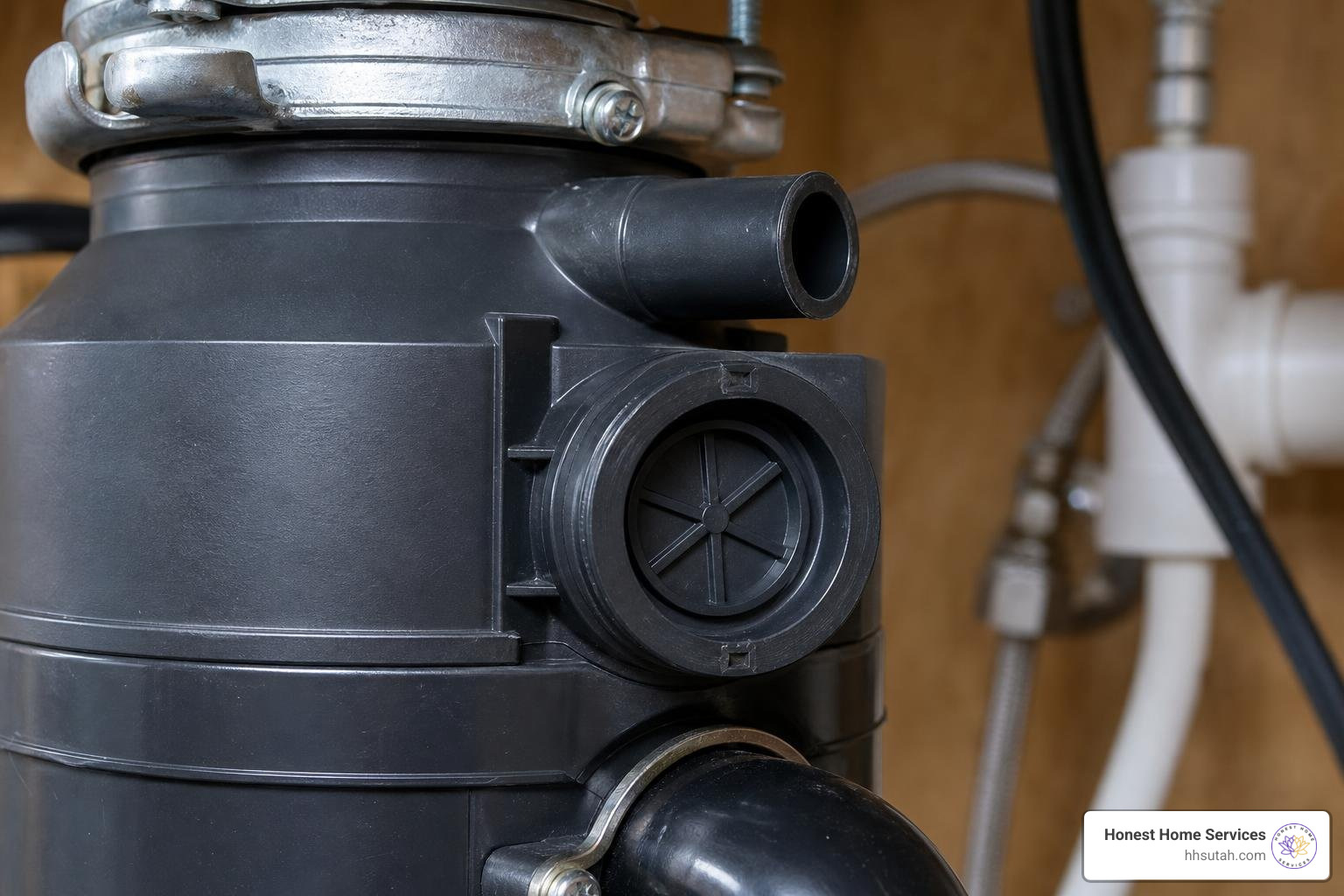
Garbage disposals are manufactured with a solid plastic plug inside the dishwasher inlet tube. This plug is left in place for homes that do not have a dishwasher. When connecting a dishwasher drain hose to a new disposal, you must use a hammer and screwdriver to punch this plastic plug out into the disposal chamber, then fish the broken plastic piece out. If left in place, the dishwasher pump will try to push water against a solid plastic wall, resulting in immediate drainage failure.
Kinked or Blocked Drain Hose
Your dishwasher drains through a flexible, ribbed plastic hose that runs from the bottom of the appliance to the sink drain or garbage disposal. Because this hose is corrugated, it is highly prone to catching grease, soap scum, and small food particles.
Furthermore, if the dishwasher was recently pushed back into its cabinet space after maintenance, or if items under the sink have shifted, the hose can easily bend. A single 180-degree kink in this flexible line will completely halt water flow. Over time, grease accumulation inside the hose can also solidify when water temperatures drop below 110°F, creating a stubborn plug. If you want to safely clean these lines without causing damage, refer to How to Clean Dishwasher Pipes (Without Ruining Your Machine) – Dishwasher Advisor for step-by-step instructions.
The DIY Playbook: How to Unclog Your Dishwasher
Ready to roll up your sleeves? You don’t need a truckload of specialty plumbing tools to tackle a clogged dishwasher. In fact, most of what you need is likely already sitting in your garage or under your sink.

Before you touch a single screw, safety must come first. Dishwashers combine water and electricity, which is a dangerous mix if handled improperly. Always unplug the appliance from the wall outlet under the sink, or flip the dedicated circuit breaker in your electrical panel to the “Off” position.
Gather your supplies:
- A shallow pan or bucket
- Highly absorbent towels or old rags
- A large cup or plastic container
- A screwdriver (usually Torx or Phillips, depending on your model)
- A soft-bristled brush (an old toothbrush works perfectly)
- A wet-dry shop vacuum (optional, but highly recommended!)
Step 1: Safely Drain Standing Water
To troubleshoot the filter or pump, you must first clear out the pool of dirty water sitting in the bottom of the tub.
Start by removing the bottom dish rack and setting it aside. Use your cup to scoop the standing water into your bucket. Once the water level gets too low to scoop, use a large sponge or dry towels to soak up the remaining liquid. If you have a wet-dry shop vacuum, this is the perfect time to use it—you can suck out all the standing water in about ten seconds flat. For a deeper dive into this process, check out How to Drain a Dishwasher – The Home Depot.
Step 2: Clean the Filter and Sump Area
Now that the water is gone, you can access the filter assembly at the very bottom center of the tub.
- Unlock the filter: Most filters twist counterclockwise and lift straight up.
- Separate the parts: Many modern units have a cylindrical fine mesh filter and a flat, coarse metal or plastic screen. Separate them if possible.
- Scrub and rinse: Take the filter parts to your sink and rinse them under warm running water. Use a soft-bristled brush and mild dish soap to gently scrub away grease and mineral scale. Avoid wire brushes or harsh scouring pads, which can tear the delicate mesh.
- Inspect the sump: Reach into the opening where the filter sits (called the sump) and check for hidden debris like cherry pits, broken glass, or plastic twist-ties.
For more detailed strategies on maintaining your home’s drainage systems, take a look at The Best Way to Clear a Clogged Drain: A DIY Guide.
Step-by-Step Guide to Clearing a Dishwasher Drain Clogged with Debris
If cleaning the filter didn’t solve the problem, the clog is likely further down in the drain hose. Here is how to flush it out safely:
- Locate the hose connection: Under your kitchen sink, find where the ribbed dishwasher drain hose connects to your garbage disposal or sink tailpiece.
- Disconnect the hose: Place a bucket and towel directly underneath the connection. Use pliers to loosen the hose clamp and gently wiggle the hose off the inlet.
- Inspect the inlet: Use a screwdriver or utility knife to check the inside of the disposal inlet. Grease often hardens right at this connection point.
- The Baking Soda & Vinegar Flush: If the hose itself is sluggish, pour 1/2 cup of baking soda down the dishwasher’s drain basket (where the filter sits), followed by 1 cup of white vinegar. Let the mixture fizz for 15 to 20 minutes to break down grease, then flush it with warm water.
- Manual Flush (The Guaranteed Fix): If the clog is solid, disconnect the other end of the hose from the dishwasher’s pump. Take the hose outside and run a garden hose through it at high pressure to blast out the blockage.
Note: Never use a wire coat hanger to poke inside a corrugated dishwasher hose, as you can easily puncture the thin plastic. Also, keep chemical drain cleaners like Drano far away from your dishwasher—they can ruin the internal rubber seals and plastic components. For more expert tips on managing tough pipe blockages, check out Blocked Pipe Blues: How to Clean Your Drains Like a Pro Without the Plumber.
Step 4: Inspect the Air Gap and Garbage Disposal
If your kitchen has an air gap cylinder installed on the top of the sink, this is another common bottleneck.
The air gap prevents dirty sink water from siphoning back into your dishwasher. However, because the internal channel is only about 1/4 inch wide, it can easily trap small food particles. Simply pull the decorative chrome cap straight up, unscrew the plastic inner cap, and use a bottle brush or tweezers to pull out any trapped debris.
Additionally, always make sure to run your garbage disposal for 30 seconds with plenty of cold water before starting a dishwasher cycle. This ensures the shared drain line is completely clear of food waste.
Advanced Troubleshooting: Testing the Drain Pump
If your filter is sparkling clean, your drain hose is straight, and your disposal is clear, the issue may lie with the mechanical heart of the system: the drain pump.
The drain pump uses an electric motor to spin a small plastic impeller, which forces water out of the machine under low pressure (typically 10-20 PSI). Over time, these pumps can suffer from electrical failure or mechanical blockages.
Signs of a failing drain pump:
- Complete silence: When the drain cycle starts, you hear absolutely nothing (indicating the motor isn’t receiving power or has failed completely).
- Humming but no drainage: The motor hums, but no water moves (often indicating a jammed impeller).
- Grinding or rattling: A piece of broken glass or a bone is rattling inside the pump chamber, blocking the impeller.
To test the pump electrically, you will need to remove the lower kickplate at the bottom of your dishwasher to access the motor. Once you locate the pump, disconnect its wire harness and use a multimeter set to measure resistance (ohms). A healthy dishwasher drain pump motor should read between 5 and 15 ohms of resistance. If the multimeter reads “OL” (open loop) or zero, the motor windings have failed, and the pump must be replaced.
For a complete breakdown of pump diagnostics, check out Dishwasher Drain Pump: Test, Troubleshoot + Replace (2026). If you are uncomfortable working with electrical testing tools, it is always best to review DIY Plumbing Fixes: When to Call a Professional Plumber to keep yourself and your home safe.
Frequently Asked Questions About Dishwasher Clogs
Can I run my dishwasher if my kitchen sink is clogged?
No, you should never run your dishwasher if your kitchen sink is backed up. Because your dishwasher and kitchen sink share the same drain line, any water pumped out by the dishwasher will have nowhere to go. It will simply back up into your sink basin, or worse, overflow onto your kitchen floor, causing expensive water damage and mold growth. Always clear the sink clog first before running an appliance cycle.
Why does my dishwasher have standing water after a cycle?
While a tiny splash of water (about a quarter-inch deep) is normal in the bottom of the filter well to keep the pump seals moist, any water that rises above the floor of the dishwasher tub indicates a problem. This is usually caused by a dirty filter, a kinked drain hose, a blocked garbage disposal inlet, or an interrupted wash cycle that didn’t complete its final drain phase.
How often should I clean my dishwasher filter to prevent clogs?
For optimal performance, you should clean your dishwasher filter once a month if you run your machine daily. If you only run it a few times a week, cleaning it every two to three months is usually sufficient. Keeping a consistent maintenance schedule will prevent grease and food from building up, extending the life of your drain pump. For more home maintenance tips, take a look at our 10 Tips for Plumbing System Maintenance.
Conclusion
A dishwasher drain clogged with food or grease doesn’t have to ruin your week. By following this DIY playbook—cleaning your filter, checking your drain hose, and ensuring your garbage disposal is clear—you can resolve the vast majority of drainage issues on your own.
However, if you’ve tried these steps and your dishwasher is still holding water, or if you suspect a deeper issue within your home’s plumbing lines, don’t hesitate to call in the professionals. At Honest Home Services, we provide reliable, expert plumbing and drain cleaning solutions throughout Northern Utah, including Salt Lake City, Davis County, Layton, Kaysville, Farmington, and the surrounding areas.
We stand by our work with guaranteed customer satisfaction, fair pricing, and friendly, local technicians who treat your home like their own. If you need a hand, you can easily Schedule Salt Lake City Drain Cleaning Services with our team today. For more guidance on handling plumbing issues around your home, check out When to Call a Professional Plumber: The Ultimate Guide. We are always here to help keep your kitchen running smoothly!