

Your Home’s AC and Heating System, Explained Simply
Understanding your ac and heating system doesn’t have to feel overwhelming. Here’s a quick-reference overview before we dive deeper:
| What You Want to Know | Quick Answer |
|---|---|
| What does HVAC stand for? | Heating, Ventilation, and Air Conditioning |
| How long do systems last? | Typically 15–20 years with proper maintenance |
| When should I replace my system? | Age 15+, rising energy bills, frequent repairs |
| How much can a new system save? | 30–50% on energy costs vs. older units |
| What SEER2 rating should I look for? | 14 SEER2 minimum; 17+ for high efficiency |
| Do I need a licensed contractor? | Yes — DIY installation voids most warranties |
Most homeowners only think about their HVAC system when something goes wrong — usually on the hottest day of summer or the coldest night of winter. By then, a small problem has often become an expensive emergency.
The truth is, your heating and cooling system is one of the hardest-working and most expensive pieces of equipment in your home. Knowing how it works, when to maintain it, and when to replace it can save you thousands of dollars and a lot of stress.
This guide breaks it all down in plain language — no engineering degree required.
At Honest Home Services, we’ve spent over 20 years helping Utah homeowners and businesses solve their ac and heating challenges with honest pricing and reliable service. We’re here to make sure you have the knowledge to make smart decisions about your home’s comfort.
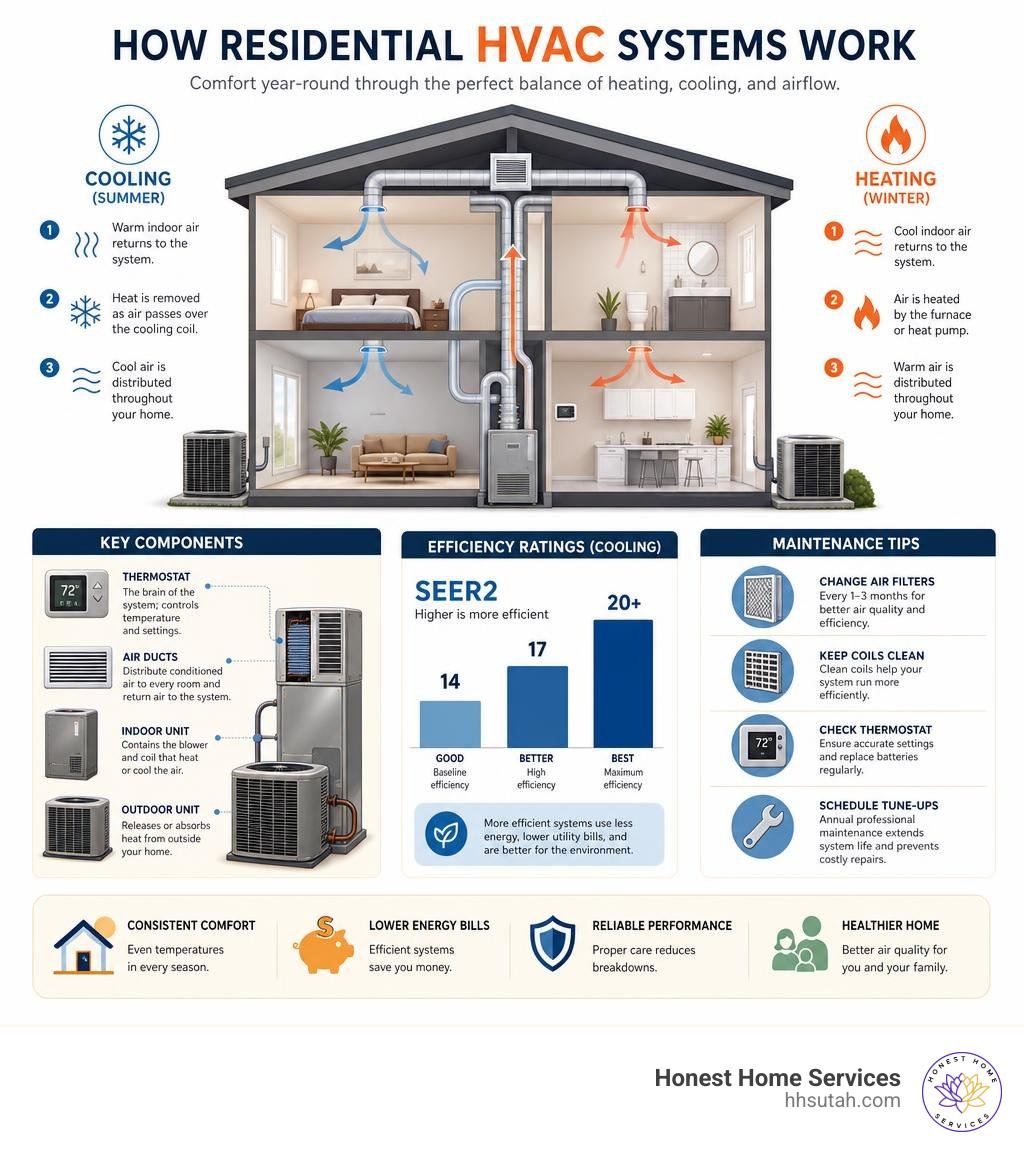
The Mechanics of Comfort: How AC and Heating Systems Keep You Cozy
At its core, climate control is not about “creating” cold air; it is about moving heat from where you don’t want it to where you do. This relies on the laws of thermodynamics. In the summer, your air conditioner extracts heat from inside your home and dumps it outdoors. In the winter, your furnace or heat pump generates thermal energy (or extracts it from the outside air) and distributes it throughout your living spaces.
The air conditioning side of this equation relies on a continuous four-stage refrigeration cycle:
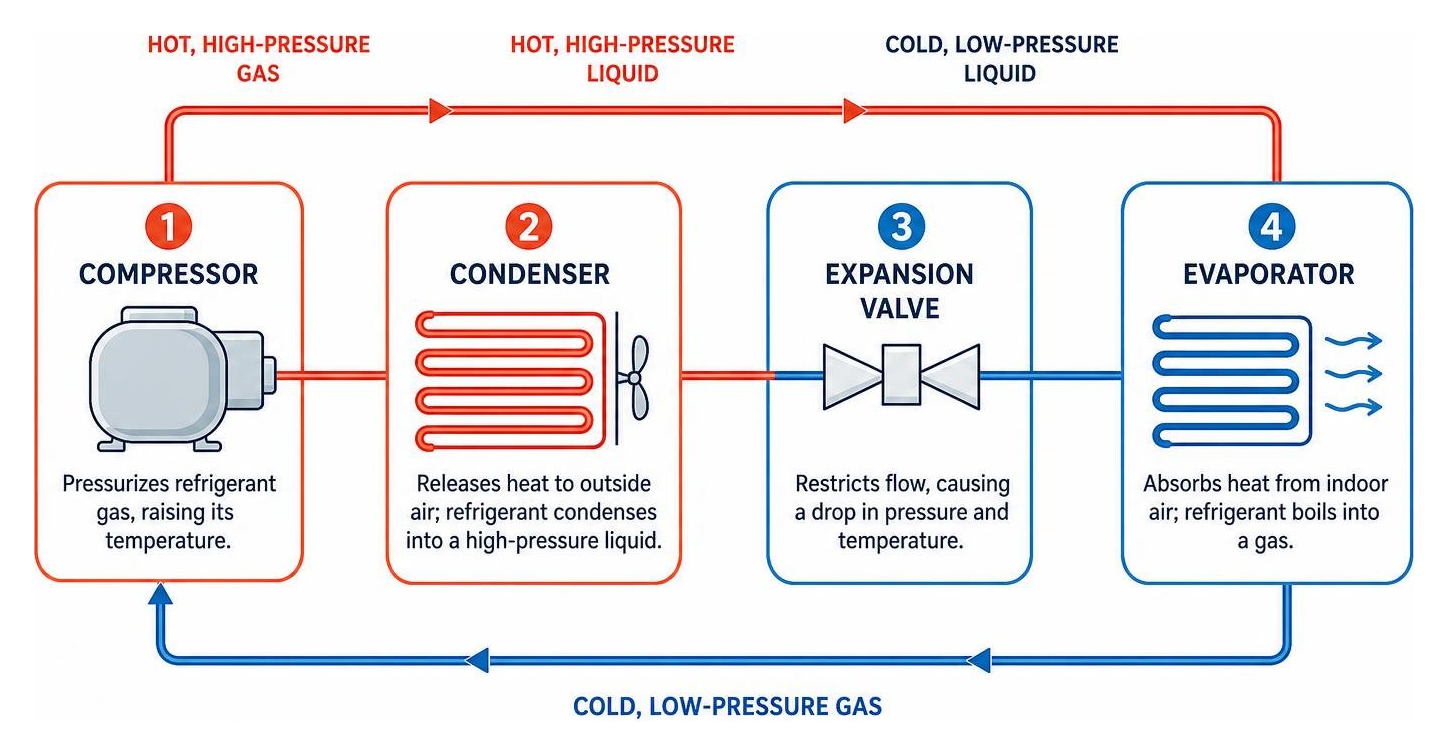
- The Compressor: Often called the heart of the system, this outdoor component pressurizes the refrigerant gas, raising its temperature significantly.
- The Condenser (Condensing Coil): Located in the outdoor unit, this coil allows the hot, pressurized gas to release its heat to the outdoor air, condensing into a high-pressure liquid.
- The Expansion Valve (Metering Device): This restricts the flow of the liquid refrigerant, causing its pressure and temperature to drop rapidly as it enters the indoor space.
- The Evaporator (Evaporating Coil): Located inside your home (usually sitting on top of your furnace), this cold coil absorbs heat from your indoor air. As the warm house air blows across it, the refrigerant boils back into a gas, and the cooled air is blown through your ductwork.
When it comes to residential design, systems generally fall into two categories: split systems and packaged units.
| Feature | Split Systems | Packaged Units |
|---|---|---|
| Component Location | Indoor unit (furnace/air handler) + outdoor unit (condenser) | All components housed in a single outdoor cabinet |
| Common Placement | Closets, basements, or attics (indoor) & backyard (outdoor) | Roofs or concrete slabs adjacent to the home |
| Efficiency Potential | Highly customizable; higher SEER2 ratings | Standard to moderately high efficiency |
| Space Required | Requires indoor closet, attic, or basement space | Saves indoor space; ideal for homes without basements |
Split Systems vs. Packaged Units: What is the Difference?
A split system is the most common configuration for residential air conditioning in Northern Utah. It splits the workload between an outdoor condenser unit and an indoor air handler or furnace.
Packaged systems, on the other hand, house the compressor, condenser, evaporator, and heating elements in one metal cabinet installed outdoors. While packaged units are convenient space-savers, split systems generally offer higher efficiency ratings and greater flexibility for customization.
One critical factor to keep in mind is ductwork. Traditional central systems rely on a network of metal or flexible ducts to distribute air. However, duct losses can account for up to 30% of a home’s space conditioning energy consumption due to leaks, drafts, and poor insulation. This is why high-efficiency split systems, including ductless mini-split options, have become incredibly popular. They deliver conditioned air directly to individual rooms, bypassing duct losses entirely.
How Inverter Technology and Variable-Speed Compressors Revolutionize AC and Heating
Traditional heating and cooling systems are single-stage. They operate like a light switch: they are either 100% on or completely off. When your home warms up, the AC kicks on at full blast, runs until it hits the target temperature, and shuts off. This constant starting and stopping wastes an immense amount of electricity and causes noticeable temperature swings.
Modern variable-speed systems utilize inverter technology to completely change this dynamic. An inverter-driven compressor converts incoming AC electrical power to DC, allowing the system to adjust its operating speed dynamically between 30% and 100% capacity.
Instead of shutting off, the system scales down to a low, quiet hum to maintain a perfectly steady indoor climate. For example, high-efficiency modular heating and cooling options, such as the ACIQ 2 Ton 17 SEER2 High Efficiency Air Conditioning Split System – R454B Inverter – Multi-Positional – ACIQ-24-AC-B / ACIQ-24-AHD | HVACDirect.com , can dynamically scale down to a 1-ton capacity when cooling demands are low. This prevents short-cycling, lowers energy bills, and operates efficiently in extreme outdoor temperatures ranging from 5°F to 122°F.
Knowing When to Upgrade Your AC and Heating System
No heating or cooling system lasts forever. As your equipment ages, its physical components wear down, electrical parts degrade, and its overall efficiency drops.
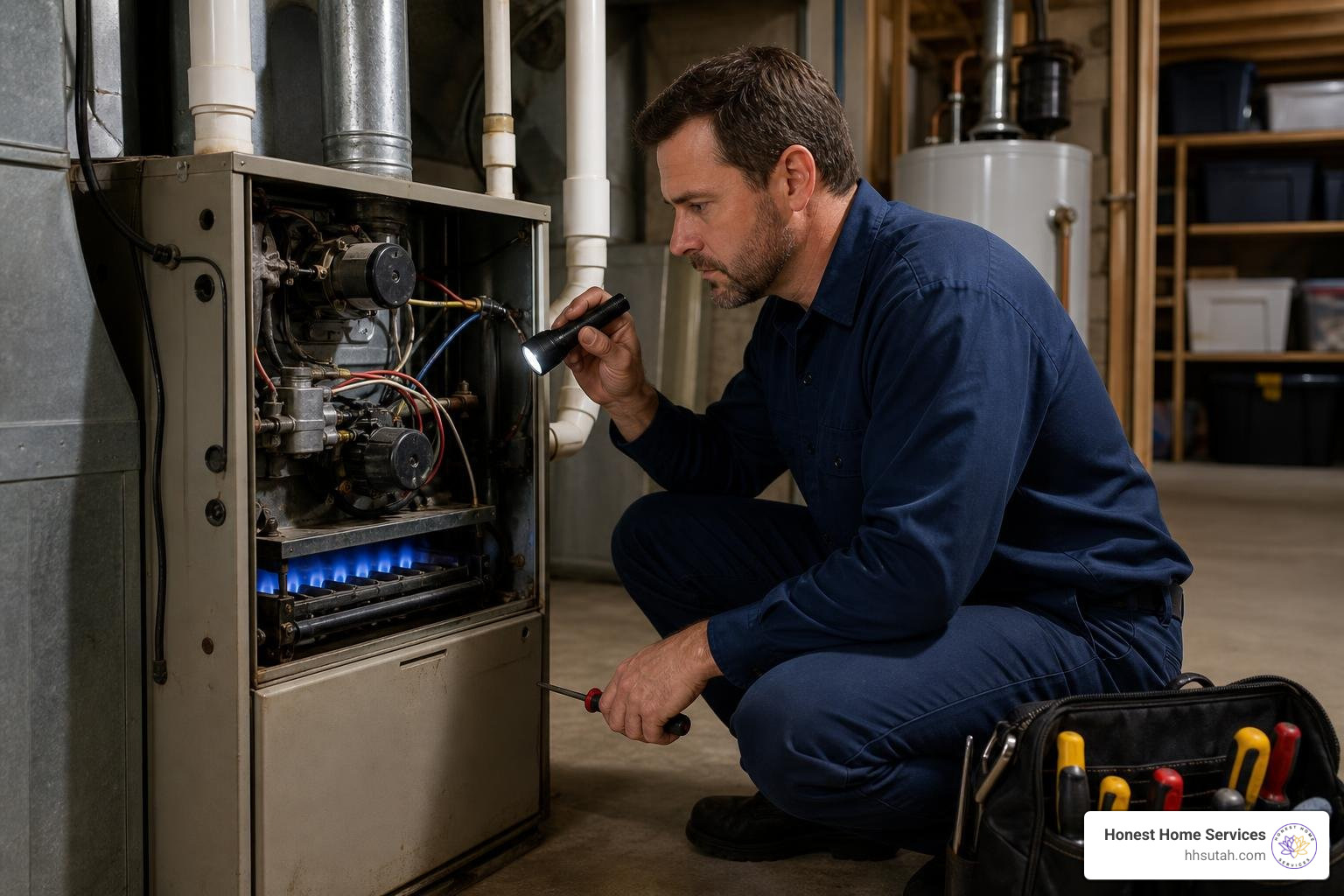
If you are constantly calling for repairs or shivering through a freezing Utah winter, it’s time to look closely at the age and health of your hvac system.
Red Flags: Signs It Is Time for a Replacement
How do you know when to stop repairing a sinking ship and invest in a new system? Look out for these common warning signs:
- System Age: If your furnace or AC is over 15 to 20 years old, it is rapidly approaching the end of its reliable lifespan.
- Rising Energy Bills: If your utility bills are creeping upward year after year but your usage habits haven’t changed, your system’s efficiency is degrading.
- Frequent and Costly Repairs: If you are paying for multiple repairs every season, those costs can quickly add up to the price of a new system.
- Uneven Temperatures: If some rooms are freezing while others are sweltering, your system can no longer distribute air effectively.
- Refrigerant Obsolescence: Older AC units run on R-22 refrigerant (Freon), which has been completely phased out due to environmental regulations. Repairing an R-22 leak is incredibly expensive and unsustainable.
For more detailed guidance on assessing your equipment, check out our articles on how to know if its time for furnace replacement and how to survive replacing your ac unit without losing your cool.
The Financial and Comfort Benefits of High-Efficiency Upgrades
Upgrading to a modern, high-efficiency system provides immediate advantages:
- Massive Energy Savings: Modern air conditioners can achieve SEER2 ratings of up to 26, compared to older systems that hover around 10 to 14 SEER. Upgrading can easily provide 30% to 50% energy savings on your monthly cooling costs.
- Enhanced Comfort: Variable-speed systems maintain consistent indoor temperatures within a fraction of a degree, while also providing superior humidity control.
- Environmentally Friendly Technology: New systems utilize next-generation, low-GWP (Global Warming Potential) refrigerants like R454B, which are non-ozone-depleting.
- Financial Incentives: High-efficiency gas furnaces and AC systems often qualify for federal tax credits, manufacturer rebates, and local utility incentives. Learn how to maximize these savings in our guide: breathe easy the ultimate guide to energy efficient ac repair and tax credits.
Key Considerations When Comparing Major HVAC Brands
When choosing a new system, you will encounter several premier brands, including Carrier, Trane, Lennox, and Rheem. Each has its strengths:
- Carrier: Known as the industry leader (its founder literally invented modern air conditioning), Carrier offers exceptionally quiet and highly efficient systems.
- Trane: Famous for their rigorous testing and durability (“It’s Hard to Stop a Trane”), they are a top choice for long-term reliability.
- Lennox: Focuses heavily on ultra-high efficiency ratings and advanced smart home integration.
- Rheem: Offers excellent, durable mid-tier and premium systems that provide fantastic value and reliable performance.
Regardless of the brand you select, the quality of the installation matters far more than the name on the metal box. A poorly installed premium system will underperform compared to a perfectly installed mid-range system.
Maximizing Performance: Maintenance, Common Problems, and Air Quality
Once you have a reliable system in place, keeping it running smoothly requires a mix of regular professional care and basic homeowner maintenance.
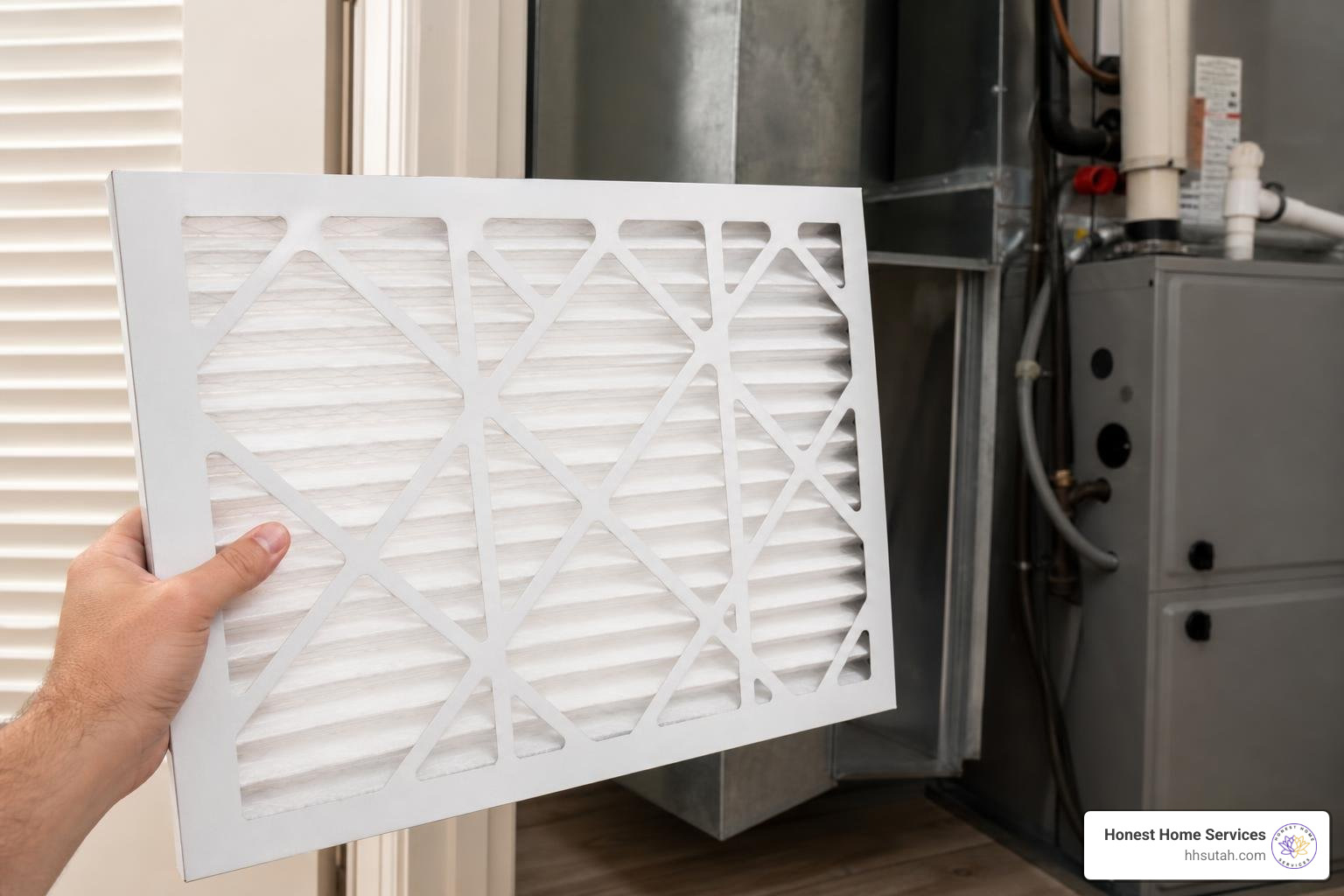
Proper upkeep directly impacts your system’s lifespan, indoor comfort, and monthly utility bills. For an in-depth look at managing your system, take a look at our air conditioning maintenance and repairs your total guide.
How Regular Maintenance Extends System Lifespan and Efficiency
Think of your HVAC system like a car. You wouldn’t drive 100,000 miles without changing the oil, and you shouldn’t run your climate control system year after year without a tune-up.
Seasonal maintenance should occur twice a year: a furnace tune-up in the fall and an air conditioning tune up in the spring. During these visits, professional technicians clean coils, check refrigerant levels, test safety controls, tighten electrical connections, and lubricate moving parts.
By keeping components clean and calibrated, you reduce wear and tear, prevent up to 90% of unexpected breakdowns, and keep your system running at peak energy efficiency. For practical advice on managing these tasks, read our guide on how to handle ac furnace maintenance without losing your mind.
Common HVAC Problems and How to Prevent Them
Many common system issues are completely preventable. Here are a few typical problems we see in Northern Utah homes:
- Short Cycling: This occurs when a system turns on and off rapidly without completing a full cycle. It is often caused by a dirty air filter blocking airflow, a faulty thermostat, or an oversized system.
- Frozen Evaporator Coils: If airflow is restricted (due to a dirty filter or blocked vents), the temperature of the refrigerant in the indoor coil can drop below freezing, causing condensation to turn to ice. This can destroy your compressor if not addressed quickly.
- Furnace Blowing Cold Air: This can be caused by a dirty flame sensor, a pilot light issue, or a tripped limit switch.
If you are facing these or other issues, check out our troubleshooting resources on 10 common furnace problems and how to fix them or schedule a professional ac repair to restore your comfort.
Breathing Clean: Integrating Indoor Air Quality Solutions
Your heating and cooling system does more than regulate temperature — it is also the primary vehicle for cleaning the air you breathe. Indoor air can be up to five times more polluted than outdoor air, which is why integrating indoor air quality (IAQ) solutions is so critical.
To combat airborne contaminants, allergens, and dust, you can install whole-home air cleaners, media filters, and UVC germicidal lights directly into your ductwork. Furthermore, managing humidity is crucial. In dry climates like Utah, whole-home humidifiers add comfort in winter, while dedicated dehumidifiers manage moisture levels during humid periods to prevent mold growth.
Air exchange is also a key factor in indoor health. The CDC recommends that indoor spaces maintain a minimum of 5 Air Changes Per Hour (ACH) to dilute airborne pathogens, while high-occupancy commercial areas like bars or restaurants may require 30 to 50 ACH.
To learn more about keeping your indoor environment safe, read everything you need to know about your indoor air quality and explore your options for advanced air filtration.
Navigating Your Next Step: Contractors, Sizing, and Financing
When it is time to install a new system or tackle a major repair, making the right choices up front will save you years of headaches.
From proper engineering calculations to finding the right payment plan, here is what you need to know. For a comprehensive overview of the process, read our ultimate guide to ac installation services.
What to Look For in a Professional HVAC Contractor
Selecting the right contractor is the single most important decision you will make for your home’s climate control system. Here is what to look for to ensure quality service:
- NATE Certification: North American Technician Excellence (NATE) is the gold standard for technician certification. It ensures the person working on your system has met rigorous industry training standards.
- Proper Licensing and Insurance: Never hire an unlicensed contractor. It voids equipment warranties and leaves you liable for any accidents on your property.
- Transparent, Upfront Pricing: A reputable contractor will provide clear, written estimates without hidden fees or high-pressure sales tactics.
- Positive Local Reputation: Look for a company with deep roots in the local community and consistent, honest reviews.
For help finding a trustworthy provider, consult our guides on how to choose the best hvac repair without sweating it and dont sweat it your guide to finding honest hvac in salt lake city.
Smart Sizing and Sizing Calculations
Before buying any equipment, your contractor must perform a Manual J load calculation. This calculation factors in your home’s square footage, insulation levels, window sizes, orientation to the sun, and local climate to determine the exact heating and cooling capacity required.
- If a system is too small: It will run constantly, struggling to reach the target temperature, wasting energy, and wearing out prematurely.
- If a system is too large: It will heat or cool the home too quickly and shut off (short cycle). This leaves the home humid and clammy because the system doesn’t run long enough to pull moisture out of the air.
Smart Financing Options for Your New AC and Heating Installation
A new heating and cooling system is a significant investment. Fortunately, flexible financing options can make high-efficiency upgrades highly affordable. Many homeowners choose plans with 0% APR or low-interest monthly payments to spread the cost over several years.
By pairing low monthly financing payments with the 30% to 50% utility savings provided by a high-efficiency variable-speed system, the upgrade can practically pay for itself over time. When you are ready to explore your options, we can help you find the perfect system and financing plan for your ac installation.
Frequently Asked Questions About HVAC Systems
How often should I replace my HVAC air filters?
For standard 1-inch pleated filters, we recommend replacing them every 30 to 90 days. If you have pets, allergies, or a busy household, you should check and replace them monthly. Thicker media filters (4 to 5 inches) can last anywhere from 6 to 12 months. Keeping a clean filter is essential to maintain proper airflow and protect your system’s blower motor and coils. For help finding the right size and type, check out the ultimate guide to finding local hvac and furnace air filters.
What is a SEER2 rating and why does it matter?
SEER2 stands for Seasonal Energy Efficiency Ratio 2. It measures the cooling efficiency of an air conditioner or heat pump under realistic duct pressure conditions. The higher the SEER2 rating, the more efficient the system, and the less electricity it uses to cool your home. The current industry minimum is 14 SEER2, while high-efficiency systems reach 17 to 26 SEER2.
Can I replace just my outdoor AC condenser?
Technically, yes, but it is rarely recommended unless your indoor coil is relatively new and perfectly compatible. Modern cooling systems are designed as matched pairs. If you connect a new high-efficiency condenser to an old, mismatched indoor coil, the system will operate at a much lower efficiency, potentially void the manufacturer’s warranty, and put undue stress on the compressor. During a full upgrade, we always recommend a complete furnace installation or matched indoor coil replacement to ensure balanced performance and long-term reliability.
Conclusion
Your home’s ac and heating system is the backbone of your indoor comfort. By understanding the basics of thermodynamics, recognizing the red flags of an aging system, and keeping up with seasonal maintenance, you can protect your investment and enjoy lower energy bills year-round.
If you are ready to take control of your home’s comfort, here are your next steps:
- Check your air filter: If it has been more than two months, replace it today!
- Schedule a tune-up: Book a professional maintenance visit before the peak heating or cooling season begins.
- Assess your system’s age: If your unit is over 15 years old, start budgeting for a high-efficiency upgrade.
- Choose a trusted local partner: Work with a licensed, certified team that puts your comfort and satisfaction first.
At Honest Home Services, we are proud to serve homeowners throughout Northern Utah, including Salt Lake City, Salt Lake County, Davis County, Clearfield, Layton, Kaysville, Farmington, Bountiful, West Valley, Murray, West Jordan, South Jordan, Bluffdale, Herriman, Draper, Park City, Tooele, Lehi, and Saratoga Springs.
Whether you need a quick repair, a seasonal tune-up, or a brand-new installation, we guarantee fair pricing, expert workmanship, and customer satisfaction. Contact us today to explore our comprehensive air conditioning services and let us keep your home comfortable in every season!