
Why Regular AC Furnace Maintenance is Essential
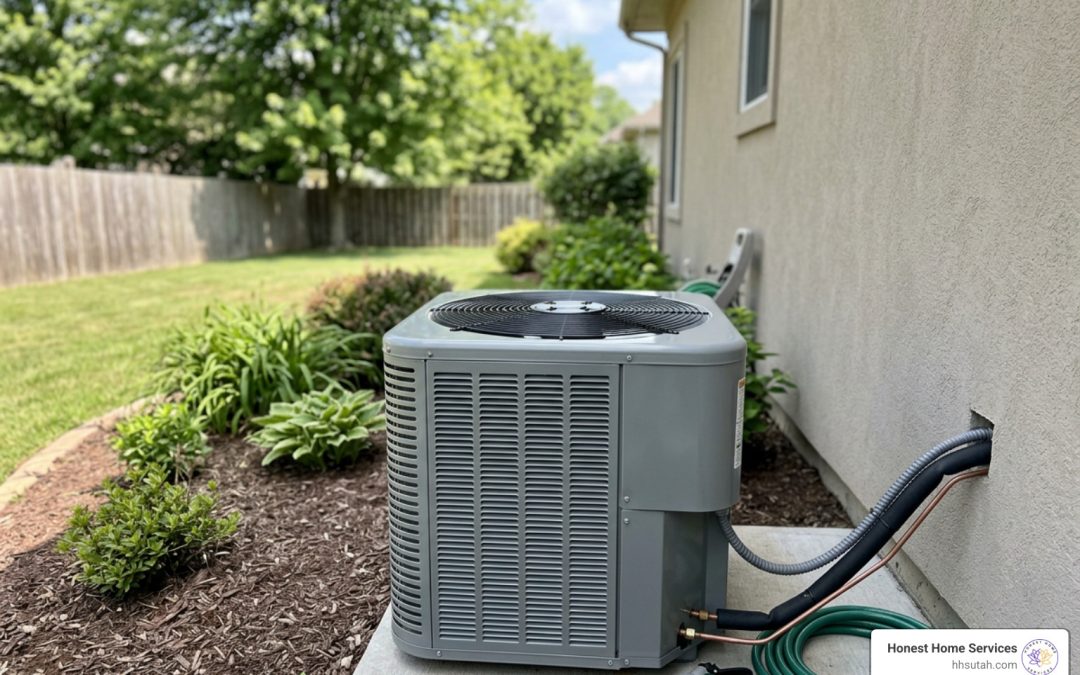
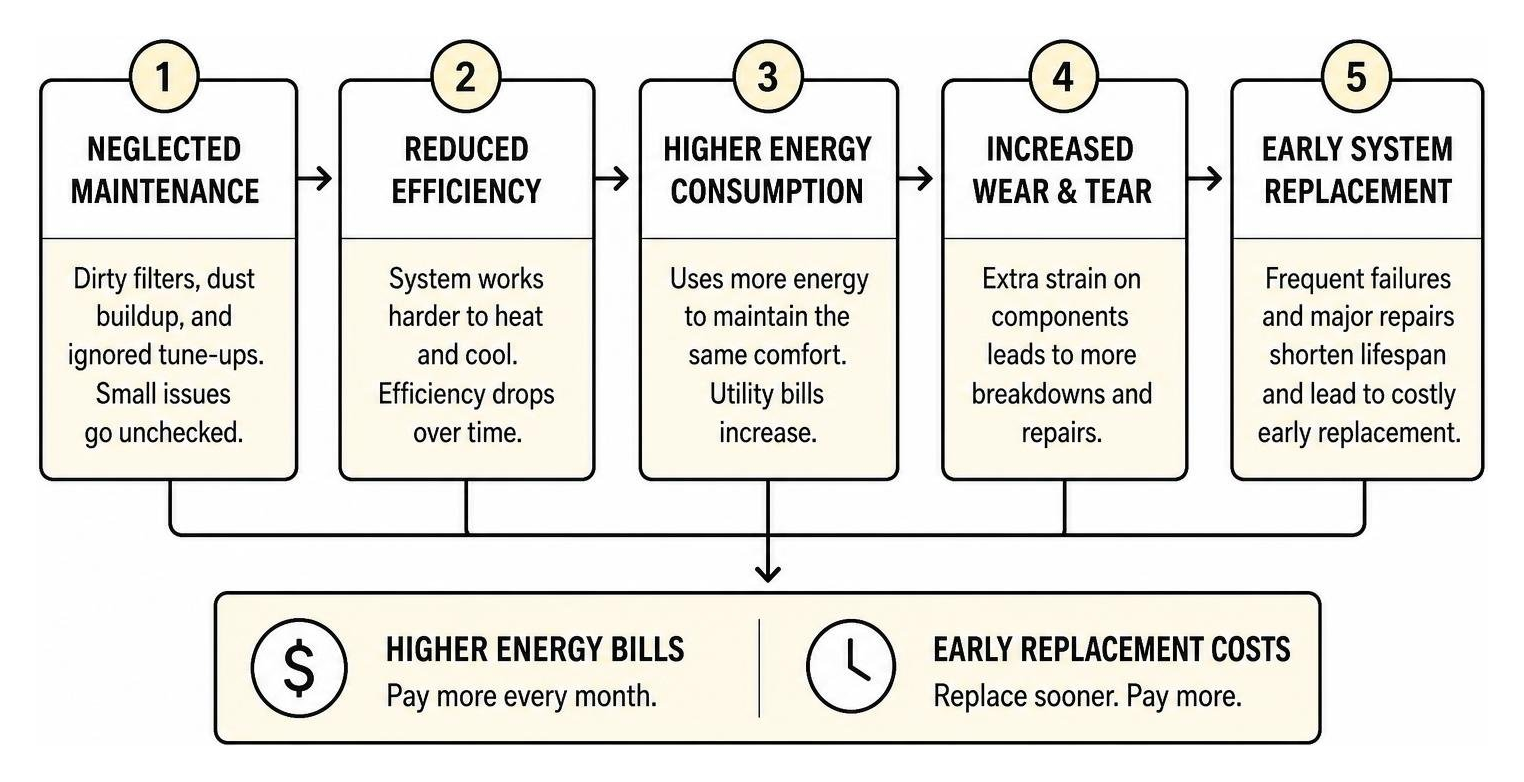
Many of us view our heating and cooling systems like a reliable roommate: they do their job in the background, and we only notice them when they suddenly stop cooperating. However, neglecting your HVAC system is a surefire way to invite premature breakdowns and skyrocketing utility bills. Your heating and cooling equipment works incredibly hard to keep your home comfortable through Northern Utah’s dramatic temperature swings—from scorching July afternoons in West Valley to freezing January nights in Park City.
Without proper care, your system’s efficiency drops by about 5% or more every single year. Dust, pet dander, and outdoor debris accumulate on delicate internal components, forcing the system to work twice as hard to achieve the same temperature. This extra strain doesn’t just raise your monthly bills; it accelerates wear and tear, leading to sudden failures when you need your system the most. By prioritizing routine care, you can read our Air Conditioning Maintenance and Repairs Your Total Guide to understand how simple preventative steps keep your home safe and comfortable year-round.
Protecting Your System Lifespan and Manufacturer Warranty
A typical HVAC system has an expected lifespan of 10 to 15 years, but consistent maintenance can easily stretch that closer to 20 years. Conversely, complete neglect can cause a system to fail in under a decade. Think of it like driving a car: you wouldn’t expect an engine to last 100,000 miles if you never changed the oil or replaced the filters. Your heating and cooling system operates under the exact same principles.
Beyond extending the physical life of your equipment, regular professional service is critical for protecting your manufacturer warranty. Most major HVAC manufacturers explicitly state in their warranty terms that the coverage is only valid if the system receives documented annual professional maintenance. If a major component like your compressor or heat exchanger fails three years after installation, the manufacturer may deny your warranty claim if you cannot provide proof of annual professional tune-ups.
To avoid paying thousands out of pocket for a premature replacement, keeping a paper trail of your professional visits is essential. For detailed guidance on keeping your heating system in top-tier shape to protect your investment, explore our Stay Warm Expert Advice On Furnace Maintenance And Repair.
Maximizing Energy Efficiency and Lowering Utility Bills
When your system is clean and well-tuned, it doesn’t have to work as hard to keep you comfortable. This translates directly into lower energy bills. Airflow problems—often caused by a clogged filter, a dirty blower wheel, or blocked coils—can reduce overall system efficiency by up to 15%. When you consider that heating and cooling make up about half of your home’s total energy costs, those efficiency losses add up fast.
Additionally, integrating smart thermostats into your HVAC setup is a highly cost-effective way to optimize your energy consumption. These devices are inexpensive to install and can seamlessly adjust your home’s temperature based on your daily routine, saving you an average of $50 to $100 annually.
To visualize the financial impact of neglecting your HVAC system over time, look at the cost comparison below:
| System Status | Average Monthly Energy Bill | Annual Filter & Tune-Up Cost | Expected Lifespan | Potential Emergency Repair Cost |
|---|---|---|---|---|
| Maintained System | $120 | $150 – $300 | 15 – 20 Years | $0 – $200 (Minor fixes) |
| Neglected System | $160 – $180 | $0 | 8 – 12 Years | $500 – $6,000 (Major failures) |
The Ultimate Seasonal HVAC Maintenance Schedule
Living along the Wasatch Front means experiencing four very distinct seasons. We transition from freezing winters to dry, hot summers, which means our systems need targeted care at specific points in the year. The ideal strategy is to schedule your professional tune-ups during the “shoulder seasons”—early spring (March to May) for your air conditioner, and early fall (September to November) for your furnace.
Scheduling during these windows ensures your system is ready before extreme weather hits. It also means you won’t have to wait days for an appointment, as local technicians are busiest during the peak summer and winter months. If you are looking for trusted local experts, you can check the Top 10 Best Heating & Air Conditioning/HVAC Near Davis County to find highly-rated professionals who understand our local climate challenges.
Spring and Summer: Pre-Cooling AC Furnace Maintenance Tasks
Before the summer heat waves arrive in Salt Lake City and surrounding areas, your air conditioner needs some focused preparation. Over the winter, wind and snow can pack leaves, dirt, and debris around your outdoor condenser unit, blocking essential airflow.
Key pre-cooling tasks include:
- Cleaning the Condenser Coils: Dust and grime on the outdoor coils insulate the heat, making it incredibly difficult for your AC to release hot air from your home. Gently rinsing the coils with a garden hose (never a pressure washer, which can bend the delicate aluminum fins) keeps them clean and efficient.
- Checking Refrigerant Levels: Low refrigerant levels cause your system to run constantly without cooling your home, which can freeze your indoor evaporator coil and destroy your compressor.
- Inspecting the Evaporator Coil: Located indoors, this coil must be clean to absorb heat from your home’s air. If it is coated in dust, airflow drops, and your system’s efficiency plummets.
For a complete breakdown of how to prepare your cooling system for the heat, read our guide on Air Conditioning Tune Up.
Fall and Winter: Pre-Heating AC Furnace Maintenance Tasks
When the autumn air starts rolling off the mountains into Layton and Bountiful, it is time to shift your focus to your furnace. A neglected furnace is not only inefficient, but it can also pose serious safety risks to your household.
Your pre-heating checklist should focus on:
- Inspecting the Heat Exchanger: This is the metal chamber where fuel is burned to create heat. If the heat exchanger develops even a tiny hairline crack, it can leak dangerous, odorless carbon monoxide gas directly into your home’s breathing air.
- Cleaning Burners and Ignitors: Dust that settles on your furnace burners over the summer can cause a burning smell or ignition failure when you turn the system on for the first time. Clean burners ensure proper, safe combustion.
- Testing System Controls: Verifying that your furnace starts up safely, runs its cycle, and shuts down correctly prevents short cycling and system overheating.
To make sure you don’t miss a step before the snow begins to fall, check out our detailed guide on How To Get Your Furnace Prepped For The Colder Months.
DIY HVAC Maintenance vs. Professional Tune-Ups
Many homeowners wonder how much of their ac furnace maintenance they can handle themselves versus what requires a professional. Taking a hands-on approach to basic care is highly encouraged and can save you a significant amount of money. However, certain tasks involve high-voltage electricity, flammable natural gas, or pressurized chemical refrigerants. Attempting to handle these without proper training and tools can lead to severe injury, voided warranties, or system damage.
To keep your home safe and warm throughout the winter months, you can start by implementing our 5 Furnace Maintenance Tips To Keep Your Home Warm This Winter.
What Homeowners Can Safely Handle Themselves
There are several high-impact maintenance tasks that are perfectly safe and easy for homeowners to do:
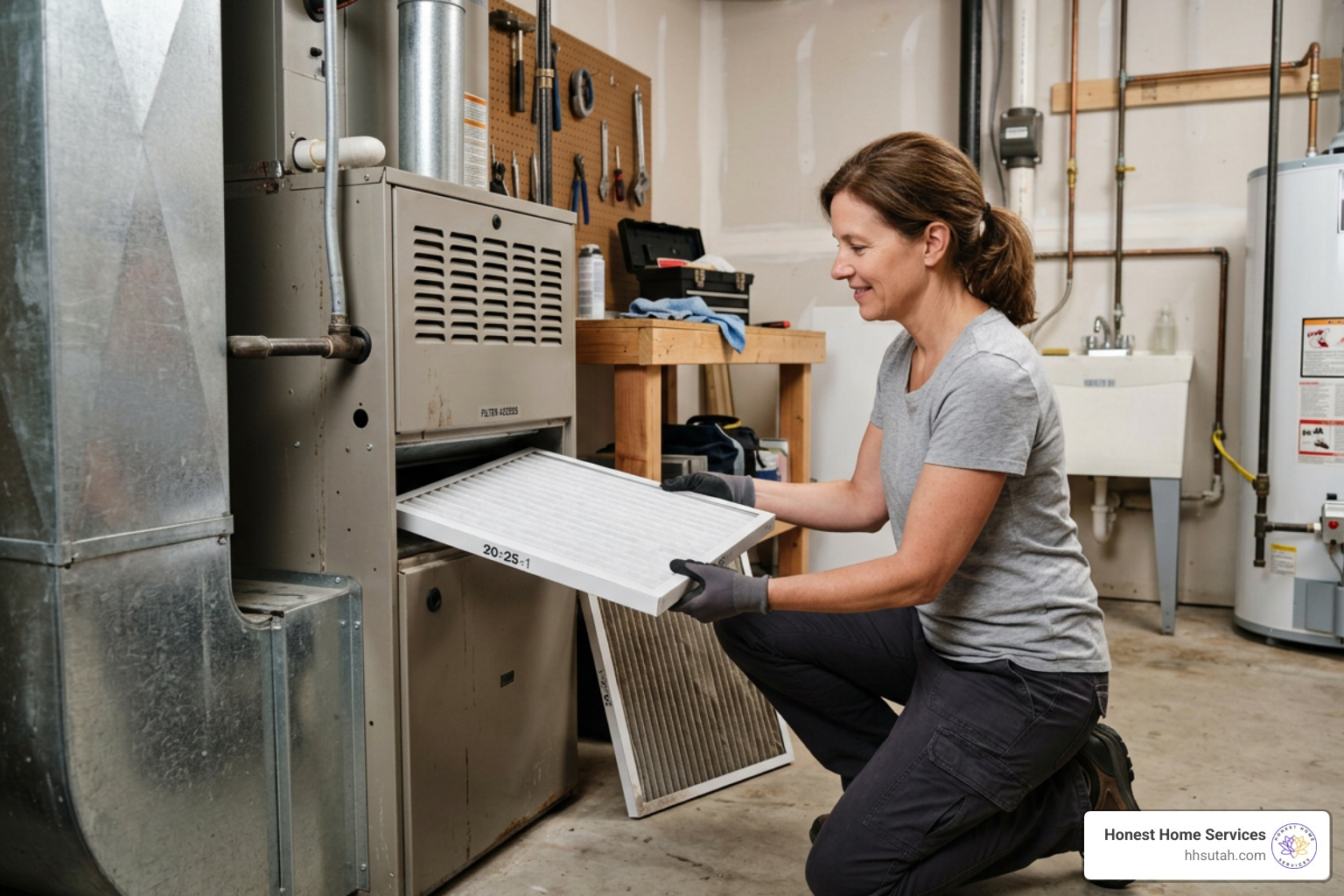
- Replacing the Air Filter: This is the single most important maintenance task. Clogged filters block airflow, force your system to work harder, and degrade your indoor air quality. Check your filter every 30 days and replace it every 1 to 3 months. If you have pets or allergies, you may need to change it more frequently.
- Maintaining Outdoor Clearance: Keep shrubs, weeds, and debris at least two feet away from your outdoor AC unit. This ensures the system has plenty of room to draw in fresh air and release heat.
- Cleaning Air Vents: Walk through your home and ensure that furniture, rugs, or drapes are not blocking your supply and return vents. Vacuum the vents regularly to prevent dust buildup.
- Flushing the Condensate Drain: Your AC and high-efficiency furnace produce moisture as they run. Pouring a cup of vinegar down the condensate drain line twice a year helps prevent algae and mold from clogging the pipe and causing water damage in your home.
If your furnace stops working unexpectedly, you can also use our quick troubleshooting guide on How To Fix A Broken Furnace In 5 Simple Steps to see if a simple DIY fix can solve the problem before you call for service.
Why Some Tasks Require a Certified Technician
While DIY care is excellent for day-to-day operations, professional technicians bring specialized diagnostic tools, years of training, and EPA certifications to the table.
Critical tasks that must be left to the pros include:
- Electrical Inspections: Technicians check electrical connections, measure voltage, and test capacitors. Loose connections can cause electrical shorts, and failing capacitors are a leading cause of mid-season AC breakdowns.
- Gas Pressure Adjustments: If your gas pressure is too high, it can overheat and crack your heat exchanger. If it is too low, your burners won’t ignite properly. Setting this requires a specialized manometer.
- Handling Refrigerant: Under federal law, only EPA Section 608 certified technicians are permitted to handle, measure, or add refrigerant to your air conditioning system.
For highly technical specifications and safety protocols regarding modern HVAC systems, you can refer to the official Service Manual.
Warning Signs Your System Needs Immediate Professional Service
Sometimes, even with the best maintenance routine, your heating or cooling system will experience issues. Catching these warning signs early can mean the difference between a simple, low-cost adjustment and an incredibly expensive emergency replacement.
Keep an eye and ear out for the following warning signs:
- Unusual Noises: Squealing, banging, metal-on-metal scraping, or loud rattling noises are clear indicators that a blower wheel, motor bearing, or belt is failing.
- Short Cycling: If your furnace or AC turns on, runs for a minute or two, and then shuts off repeatedly without reaching your thermostat’s target temperature, it is short cycling. This is often caused by an overheating heat exchanger, a dirty flame sensor, or a malfunctioning thermostat.
- Sudden Utility Spikes: If your gas or electricity bills jump dramatically but your household habits haven’t changed, your system is working far harder than it should to keep up.
- Inconsistent Temperatures: If your living room feels like an icebox while your upstairs bedrooms are sweltering, you likely have ductwork leaks, airflow restrictions, or a failing blower motor.
If you notice any of these issues, consult our guide on 10 Common Furnace Problems And How To Fix Them to identify the culprit and decide when to call in the professionals.
Frequently Asked Questions About AC and Furnace Care
How often should I schedule professional HVAC maintenance?
You should schedule professional maintenance twice a year: once in the spring for your air conditioner and once in the fall for your furnace. This ensures that each system is thoroughly inspected, cleaned, and calibrated right before its season of heavy usage begins.
To understand what goes on during these crucial seasonal visits, read more about our comprehensive Furnace Tune Up process.
How much does a professional AC and furnace tune-up cost?
A standard, single-system professional tune-up typically ranges from $70 to $400, depending on the age of your equipment and the depth of the inspection checklist. Many homeowners choose to invest in annual maintenance agreements or service contracts, which usually cost between $150 and $300 per year. These plans often include both seasonal tune-ups, priority scheduling, and discounts on any repairs that might be needed.
If your system is constantly breaking down despite regular maintenance, it might be time to read How To Know If Its Time For Furnace Replacement to evaluate your options.
What safety checks are performed during a professional furnace visit?
During a professional furnace tune-up, a technician’s top priority is ensuring your system operates safely.
Key safety checks include:
- Carbon Monoxide Testing: Using electronic sniffers to ensure there is no carbon monoxide leaking into your home’s ductwork.
- Gas Leak Detection: Testing gas line connections and valves for any signs of natural gas leaks.
- Flame Sensor and Burner Cleaning: Cleaning the flame sensor to prevent ignition failures and checking burner combustion to ensure clean, complete fuel burning.
- Electrical and Limit Switch Controls: Testing safety limit switches that automatically shut the furnace down if it begins to overheat, preventing house fires.
Conclusion
Taking a proactive approach to your ac furnace maintenance doesn’t have to be overwhelming. By staying consistent with simple DIY tasks like replacing your air filters and keeping your outdoor unit clear, you can prevent up to 95% of unexpected mid-season breakdowns. For the more complex electrical, gas, and refrigerant safety checks, partnering with a trusted professional is the best way to keep your home safe, efficient, and fully covered under warranty.
At Honest Home Services, we are dedicated to providing the homeowners of Northern Utah—from Salt Lake City to Davis County—with honest, reliable, and highly affordable heating and cooling solutions. Our expert local technicians are committed to your absolute satisfaction, offering fair, transparent pricing and 24/7 emergency support when you need us most.
Don’t wait for the next extreme weather event to test your system’s limits. Schedule Professional Furnace Repair Today or book your seasonal tune-up with our friendly team to keep your home comfortable all year long!