

Why a Sewer Line Inspection Matters Before a Backup or Home Purchase
A sewer line inspection uses a waterproof camera to show the inside condition of the private pipe that carries wastewater from your home or business to the city main or septic system.
- It can reveal hidden problems such as tree roots, cracks, corrosion, shifted joints, standing water, and collapsed pipe sections.
- It is useful when drains keep clogging, sewage backs up, odors appear, or wet and unusually green areas develop in the yard.
- For homebuyers, it adds critical information that a standard home inspection often does not cover.
- The recorded video and defect locations help you understand the issue before approving repairs, digging up a yard, or finalizing a purchase.
A sewer problem can stay out of sight until it turns into a messy, disruptive emergency. A camera inspection replaces guesswork with clear visual evidence, helping you make a faster and more informed decision about your plumbing system.
At Honest Home Services, we bring more than 20 years of plumbing experience to every sewer line inspection for Northern Utah homes and businesses. Our licensed and insured team helps customers identify drain and main-line concerns clearly, then move confidently to the next step.
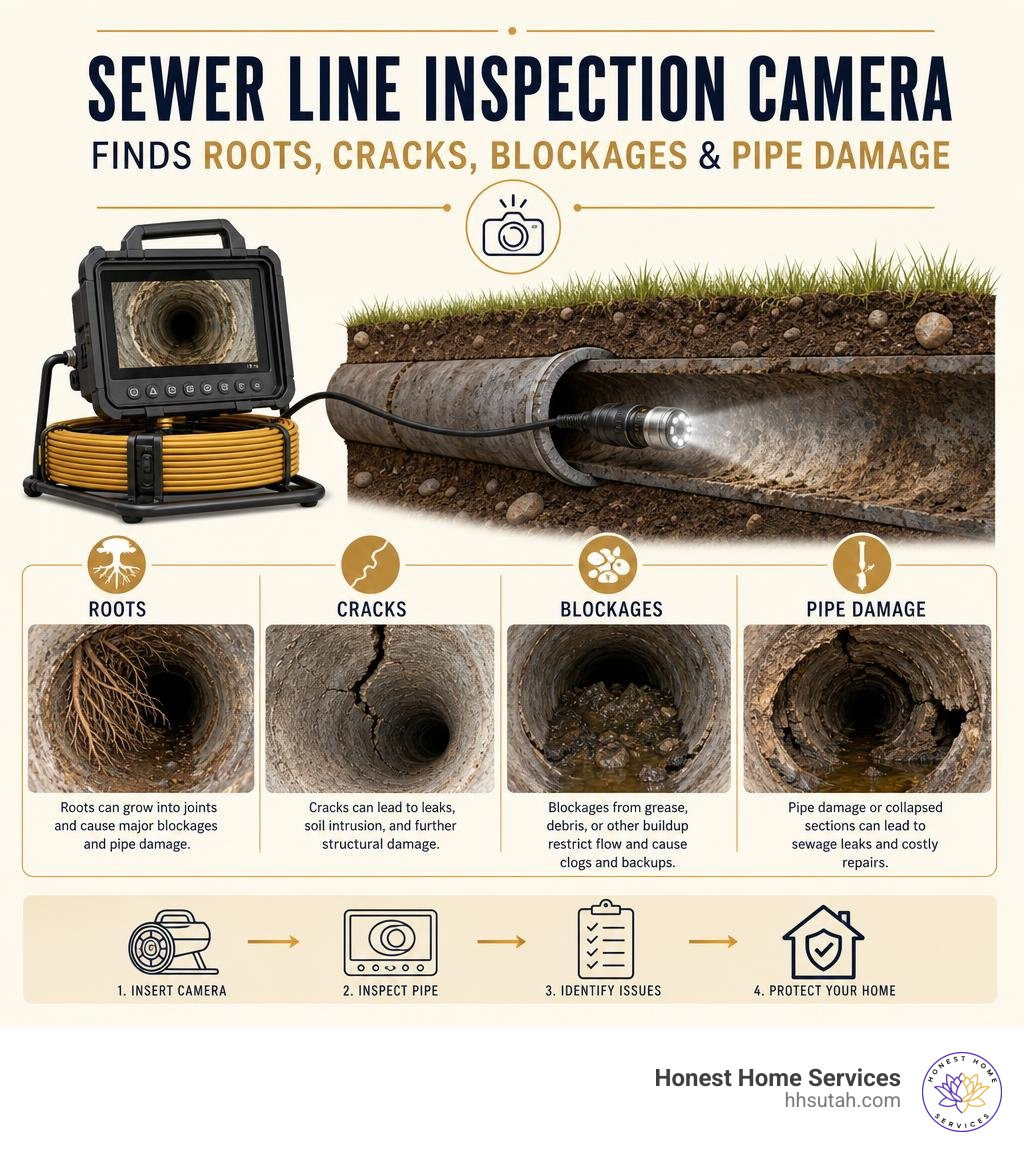
What Is a Sewer Line Inspection and How Does the Process Work?
A sewer line inspection (often called a sewer scope) is a specialized diagnostic service designed to evaluate the internal health of your underground plumbing system. In any property across Salt Lake City, Layton, or Draper, wastewater travels through a private lateral sewer line before connecting to the publicly owned municipal sewer main or a private septic tank.
Because private lateral lines are buried deep underground—often beneath landscaped lawns, driveways, or concrete foundations—visualizing structural problems used to require heavy excavation equipment and destructive digging. Modern sewer scope inspections eliminate that destruction by feeding a high-definition, flexible borescope camera directly through the interior of the line.

By using specialized equipment, such as a Powerwill 10DX1 Sewer Camera – Advanced Pipe Inspection, our technicians capture high-resolution, real-time video feeds of the entire pipe run. This non-invasive diagnostic process pinpoint defects down to the exact foot without disturbing your lawn or property.
Understanding Sewer Scope Technology and Equipment
Today’s sewer inspection technology relies on purpose-built hardware designed to withstand hostile, wet, and caustic subterranean environments. Standard home inspection tools simply do not match the capabilities of commercial-grade diagnostic gear.
- Self-Leveling Camera Optics: High-end inspection heads feature internal gravity bearings that keep the video footage right-side up automatically, even when the push cable twists around sharp pipe turns.
- 512Hz Sonde Locators: Embedded inside the camera head is a micro-transmitter that emits a 512Hz electromagnetic frequency. As the camera travels through the pipe, a technician sweeps an above-ground locator wand across the surface. This allows us to map the precise location and underground depth of defects beneath soil or concrete.
- Rigid Fiberglass Push Rod Cables: Push cables—often ranging from 100 to over 240 feet—must balance flexibility (to pass through turns) with axial stiffness (to prevent buckling over long runs). Equipment like the Garvee Sewer Inspection Camera with 512Hz Locator, 165ft Self-Leveling uses 7mm fiberglass cables to navigate long lateral runs efficiently.
- Digital Distance Counters: Integrated counters display the exact distance (in feet or meters) on the monitor screen, allowing technicians to log specific points of interest for repair teams.
- Ultra-Bright LED Lighting and IP68 Waterproofing: Sealed stainless steel camera housings rated at IP68 feature multi-stage LED arrays—such as those on the 24pcs LED Lights Sewer Camera 9mm Coils Drain Camera with Locator | S8—to illuminate pitch-black pipes and operate safely underwater.
Step-by-Step Sewer Line Inspection Process
Performing a thorough sewer line inspection requires structured operational protocols to protect your home and generate clean, accurate visual data. Here is how our team executes a standard sewer scope:
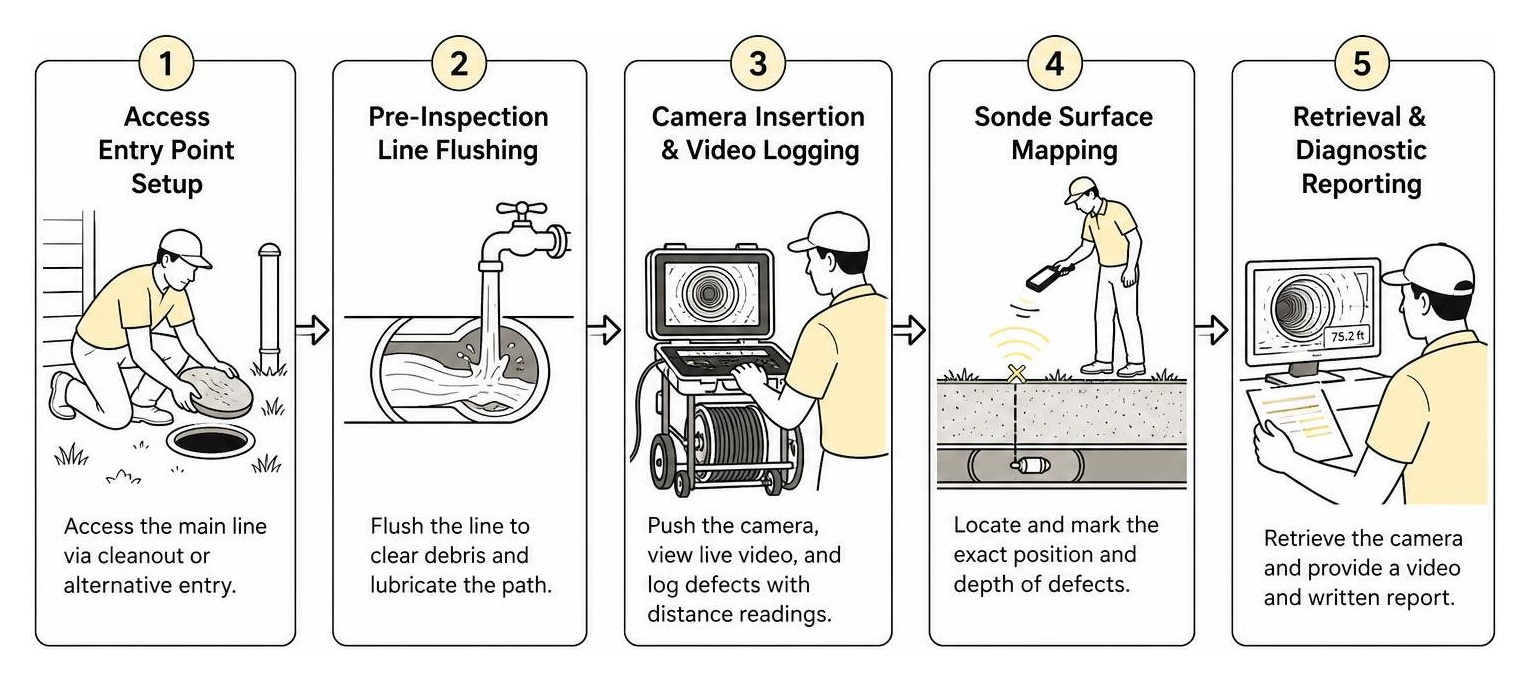
- Site Protection and Entry Point Setup: We begin by laying down protective cloths around the work area. The technician accesses the main sewer line through an outdoor cleanout access point. If no cleanout is available, we can access the line via a ground-level cleanout, by temporarily pulling a toilet, or by going through a roof vent stack.
- Pre-Inspection Line Flushing: Running water through the system prior to inserting the scope acts as a lubricant, helping the camera head glide smoothly while clearing loose sediment or floating debris.
- Camera Insertion and Video Logging: The technician carefully pushes the camera down the lateral line toward the municipal city main tap or septic tank connection. As the camera advances, live footage displays on an HD monitor like the Powerwill PW9D2 Sewer Camera | 9-Inch Self-Leveling. The operator pauses for 5 to 10 seconds at every sign of structural degradation, capturing timestamped photos and distance readings.
- Sonde Surface Mapping: If a severe defect is spotted, the technician activates the 512Hz sonde transmitter and uses an above-ground locator wand to flag the exact physical coordinates and depth on your lawn or driveway with spray paint or chalk.
- Retrieval and Diagnostic Reporting: Once the camera reaches the city tap (we never push past the city tap to avoid municipal liability), water flow is turned off. The technician records additional video while slowly pulling the camera back out. You receive a digital video recording alongside an itemized written condition report.
To discover how routine diagnostics protect your home’s foundation, read our detailed guide on Understanding the Benefits of a Drain Pipe Camera Inspection.
Signs You Need a Sewer Scope and When Homebuyers Should Schedule
Underground sewer lines are out of sight, meaning major pipe defects can quietly develop over years before asserting themselves in dramatic fashion. Knowing the early warning signs allows you to intervene before wastewater backs up into your basement or crawl space.
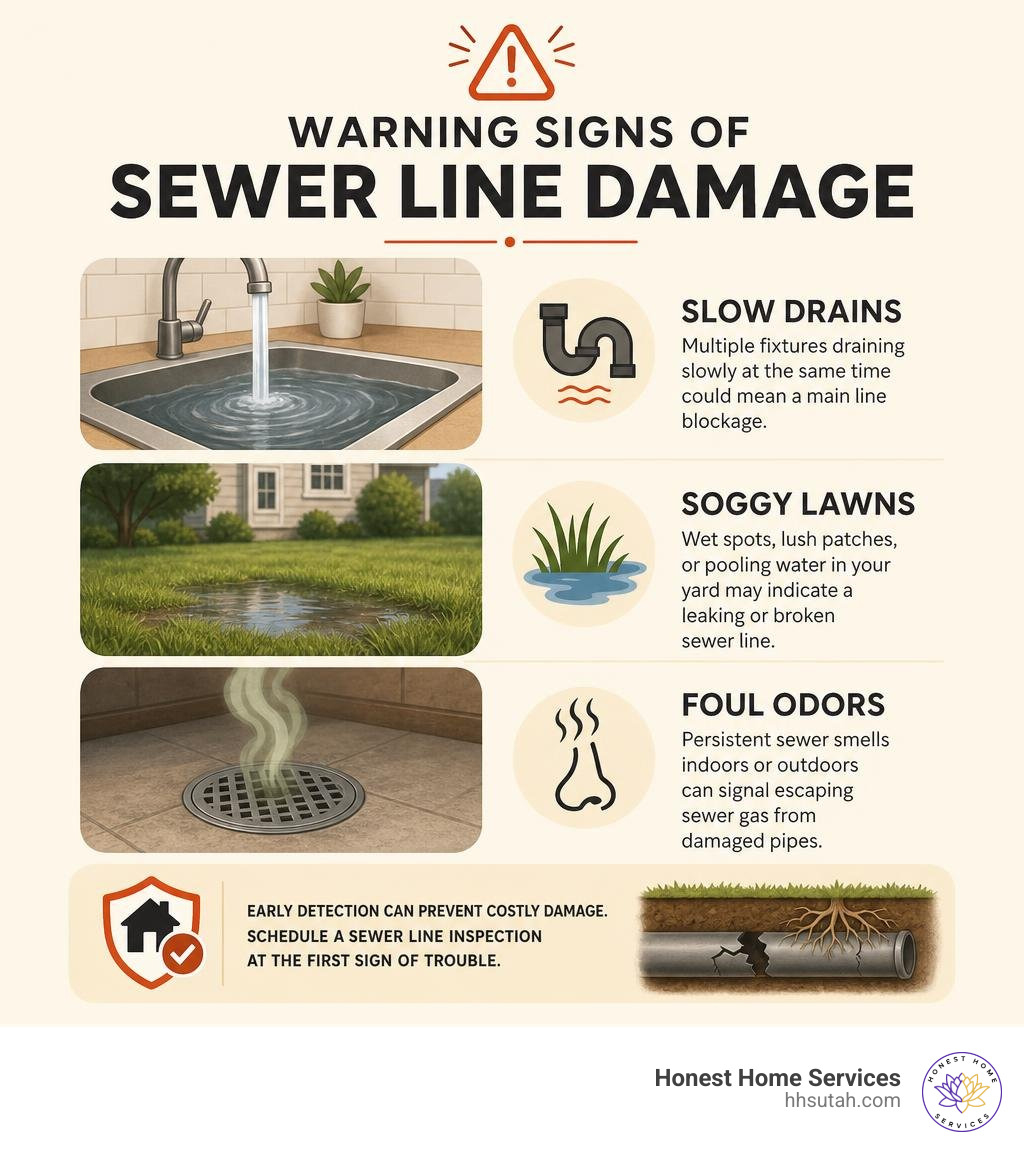
Common warning signs that call for an immediate sewer line inspection include:
- Sluggish or Recurring Drain Clogs: If multiple fixtures in your home—such as a basement shower, washing machine, and toilet—drain slowly at the same time, the blockage is almost certainly in the main lateral line rather than an isolated secondary drain.
- Yard Sewage Backups and Wet Spots: Water pooling in your yard when it hasn’t rained, or damp depressions forming in your lawn, often point to a cracked or broken lateral pipe leaking wastewater into surrounding soil.
- Unexplained Foul Odors: Sewer gas escaping from cracked pipes can travel up through soil or floor drains, causing persistent sulfur or rotten-egg smells inside or outside your property.
- Lush, Extra-Green Grass Patches: Sewage acts as a potent natural fertilizer. If a localized strip or ring of grass in your lawn appears noticeably greener and grows much faster than the surrounding turf, underground wastewater is likely feeding it.
- Pest and Rodent Infestations: Rats and insects can enter cracked sewer pipes from the main city infrastructure and climb up toward residential cleanouts or foundation walls.
- Foundation Cracks and Settlement: Long-term sewage leaks wash away supporting subsoil beneath concrete foundations, leading to uneven settling, cracked basement floors, and structural damage.
If you are noticing any of these red flags on your property, review our list of 6 Telltale Signs You Need a Camera Drain Inspection for deeper diagnostic insights.
Crucial Timing for Homebuyers and Risk Factors
For prospective homebuyers in Salt Lake County, Davis County, or Utah County, scheduling a dedicated sewer line inspection during the purchase contingency period is one of the single most important due diligence steps you can take. Standard 4-point home inspections evaluate indoor visible plumbing fixtures and test water flow, but standard home inspectors rarely scope subterranean lateral lines.
Homes built before 1984 pose heightened risk factors for severe pipe failure:
- Clay and Cast Iron Degradation: Older properties frequently feature clay or cast iron lateral lines. Clay pipes are brittle, susceptible to joint shifting, and easily crushed by soil expansion or heavy vehicle traffic over driveways. Cast iron pipes suffer from interior scaling, rusting, and eventual bottom-channel corrosion over their typical 50- to 100-year lifespan.
- Orangeburg Pipe Collapse: Properties constructed between the 1940s and 1970s may contain Orangeburg pipes—a material made from bitumen-impregnated wood fiber. Orangeburg pipe is notorious for deforming, flattening into an oval shape, and completely collapsing as it ages.
- Mature Tree Root Expansion: Large, established trees in mature neighborhoods send root networks deep into the soil searching for moisture and nutrients. Roots invade micro-cracks or loose joints in sewer pipes, expanding inside the line until total blockage occurs.
- Freeze-Thaw Soil Shifting: In Northern Utah, intense winter freezing cycles cause upper soil layers to expand and contract dramatically. This movement exerts enormous physical pressure on lateral pipes, snapping unreinforced joints or causing pipe bellies (low spots that trap solid waste).
Ordering a scope while under contract protects you from inheriting hidden structural defects that could cost tens of thousands of dollars to excavate shortly after moving in.
Common Sewer Line Defects, Costs, and City vs. Home Inspection Differences
Understanding who owns which segment of the wastewater system helps clarify liability when a main line breaks down. The private home lateral line extends from the foundation to the connection point at the public main (the city tap).
The table below highlights key operational differences between private residential lateral inspections and municipal city sewer inspections:
| Inspection Attribute | Residential Sewer Lateral Inspection | Municipal City Sewer Inspection |
|---|---|---|
| Pipe Ownership | Privately owned by the home/property owner | Publicly owned by municipal utility departments |
| Typical Pipe Diameter | 3 inches to 6 inches in diameter | 8 inches to 48+ inches in diameter |
| Primary Access Point | Residential yard cleanout, roof vent, or toilet flange | Public street manholes and utility junction boxes |
| Equipment Used | Hand-pushed flexible fiberglass cameras and sonde locators | Remotely operated CCTV crawler tractors, rafts, and inspection drones |
| Inspection Standards | Professional plumbing standards & NASSCO LACP guidelines | NASSCO PACP (Pipeline) & MACP (Manhole) coding standards |
| Inspection Frequency | Pre-purchase due diligence or as needed for clogs | Routine municipal schedules (every 2–5 years per district) |
For comprehensive technical insights on municipal and commercial pipeline diagnostic standards, explore Video Pipe Inspection Services in Salt Lake City, Utah.
Identifying Severe Underground Pipe Defects
When our technicians feed a camera through a lateral line, they evaluate the pipe interior against several well-defined structural defect categories:
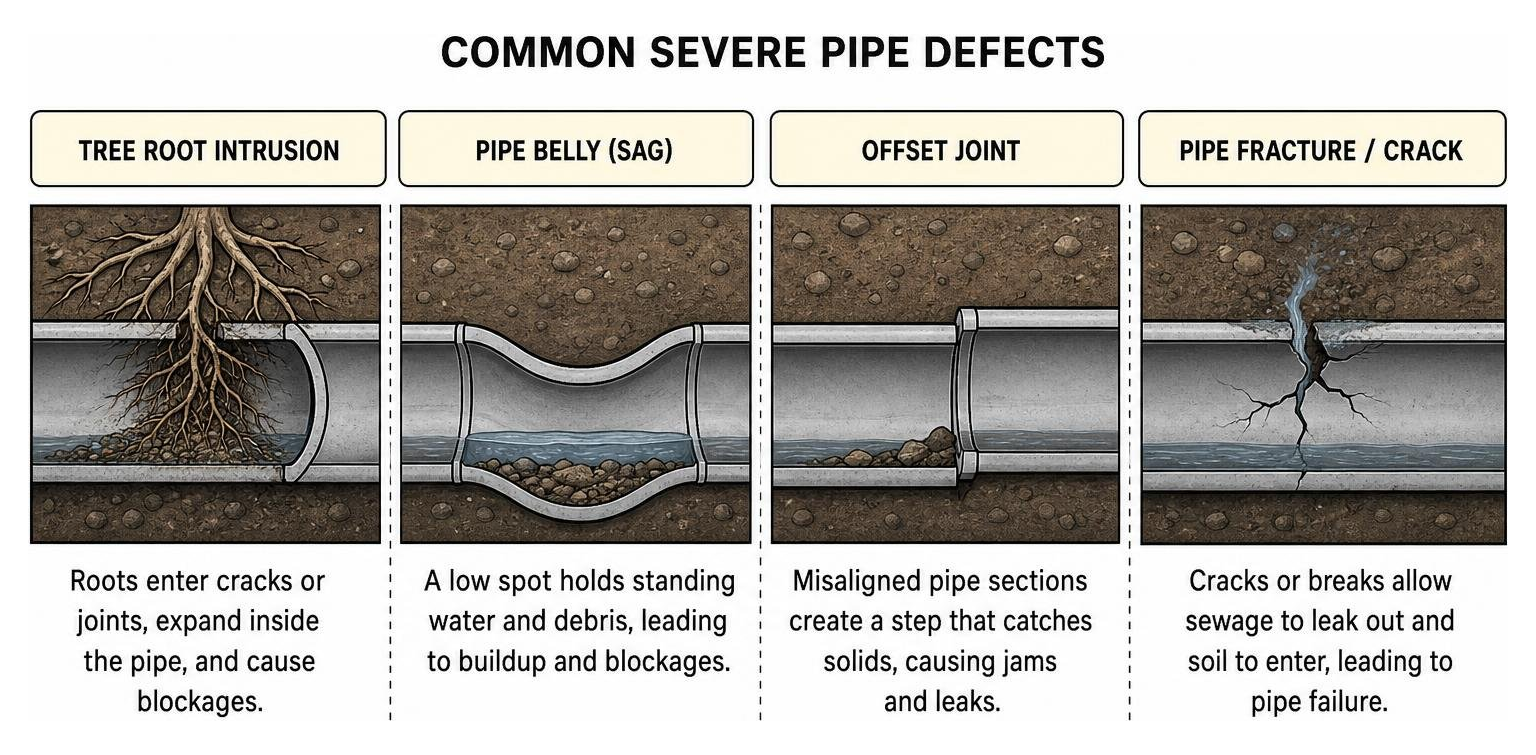
- Tree Root Intrusion: Hairline roots enter microscopic cracks or unsealed rubber gaskets at pipe joints. Once inside, they feed on water and nutrient-rich wastewater, expanding into thick mass-like webs that snag toilet paper and solid waste.
- Pipe Bellies (Sags): Soil erosion, improper bedding during original installation, or freeze-thaw ground shifting can cause a section of pipe to sink lower than surrounding segments. Gravity flow stops in this low area, creating standing water where grease, sludge, and debris settle out and block the pipe.
- Offset Joints: When ground settling causes adjacent pipe segments to misalign vertically or horizontally, an offset joint is created. Solids catch on the exposed edge, leading to frequent paper jams and joint leaks.
- Cast Iron Scale and Corrosion: Over time, oxygen and water cause iron pipes to corrode internally, forming rough, jagged metallic flakes (scaling) that slow down flow and snag debris.
- Clay Pipe Fractures: Ground shifting or heavy weight from driveway traffic causes brittle clay pipes to develop longitudinal cracks, missing sections, or total structural failure.
- Orangeburg Deformation: Bitumen fiber pipes lose structural integrity under ground pressure, turning oval-shaped, blistering internally, or collapsing into an impenetrable mass of pulp.
To learn more about how visual feeds record main line health, read our Main Line Camera Inspection Overview.
Residential Sewer Line Inspection Cost Factors
While a sewer line inspection represents a modest upfront investment, costs vary based on several property-specific variables:
- Cleanout Accessibility: Properties with accessible ground-level cleanout fittings allow rapid camera insertion. If a technician must climb onto a roof to access a vent stack or remove and reset an indoor toilet, labor time increases.
- Line Mapping and Depth Tracing: Requesting detailed above-ground surface marking using 512Hz sonde locators to pinpoint exact depth and layout adds specialized equipment setups to the scope service.
- Overall Line Length: Long lateral runs (exceeding 150 to 200 feet) on commercial properties or large rural parcels require specialized high-reach push reels.
- Line Clearing Requirements: If a sewer line is completely submerged in dark, opaque sludge due to a standing blockage, the camera lens will not be able to see structural walls. Hydro-jetting or cable snaking may be required to clear standing water prior to scoping.
Compared to the multi-thousand-dollar expense of unexpected emergency excavation, a routine camera scope is a remarkably economical preventive measure. Check out our detailed cost guide: How Much Does a Sewer Line Camera Inspection Cost?.
Leveraging Results in Real Estate Negotiations and Modern Repair Options
Discovering a damaged sewer line during a real estate transaction in Bountiful, Herriman, or Park City does not mean you have to terminate the purchase agreement. Instead, concrete video evidence gives buyers leverage during post-inspection negotiations.
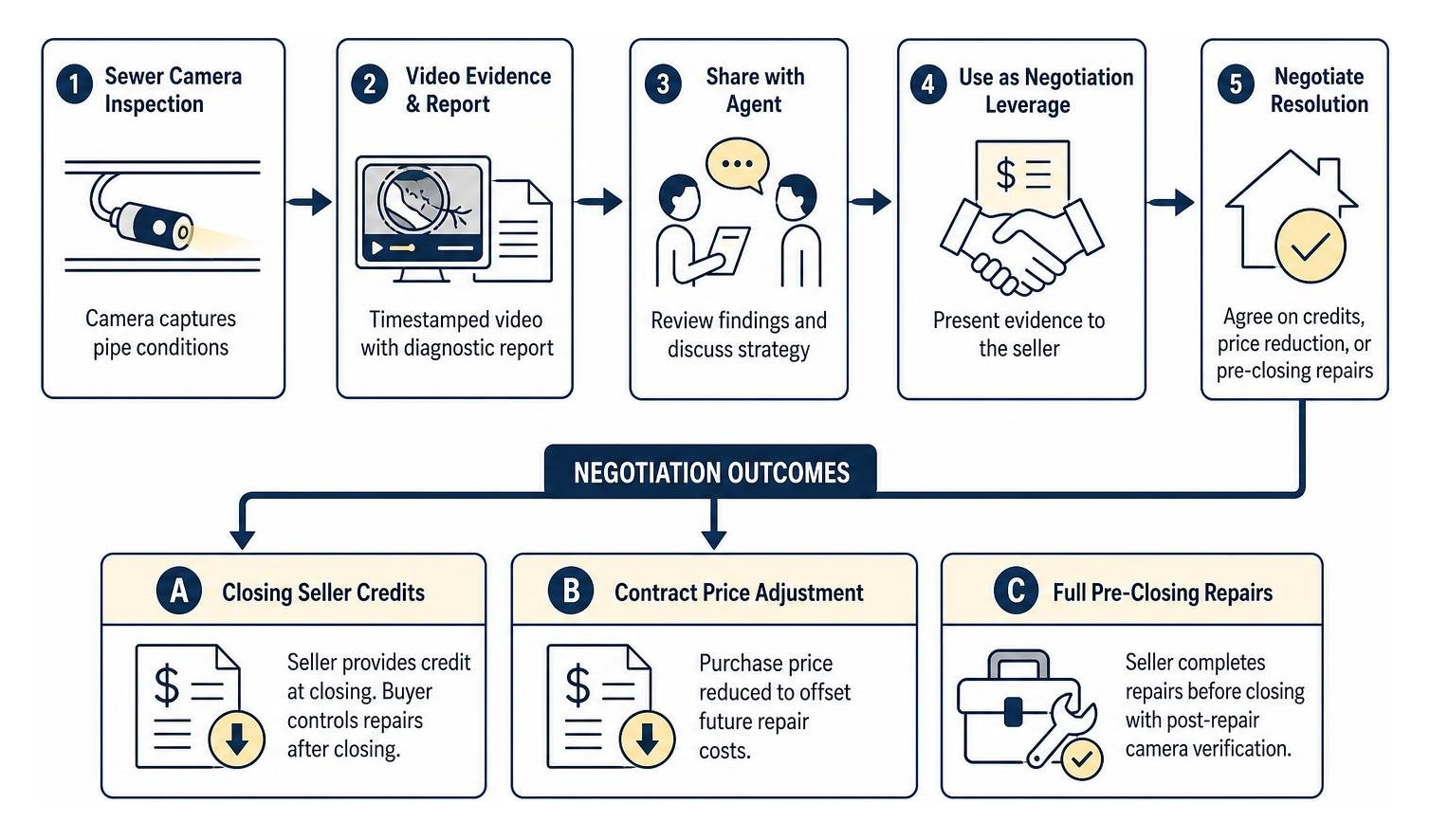
When our inspection uncovers root intrusion, pipe bellies, or joint fractures, we provide timestamped video footage alongside an itemized diagnostic report. Homebuyers can utilize these findings in several ways:
- Requesting Closing Seller Credits: Rather than having the seller perform quick, low-cost temporary fixes prior to closing, smart buyers negotiate for a credit or price reduction. This allows the buyer to retain full control over hiring a high-quality, certified plumbing contractor after closing.
- Contract Price Adjustments: Direct price reductions lower the overall loan amount, helping offset future repair expenses.
- Mandating Full Pre-Closing Repairs: For severe pipe collapses under driveways or manicured lawns, buyers can require the seller to hire certified professionals to complete repairs before closing—contingent upon a post-repair verification camera scope.
To understand local real estate scoping strategies in Salt Lake County, read our guide on Sewer Scoping in Herriman Utah.
Trenchless Sewer Repairs vs. Traditional Excavation
Historically, repairing a broken sewer line meant bringing heavy excavators onto a property to dig a massive open trench through lawns, gardens, concrete walkways, and paved driveways. Modern plumbing technology offers non-invasive trenchless repair alternatives that save time, preserve landscaping, and cut costs significantly.
- Cured-in-Place Pipe (CIPP) Epoxy Lining: Plumbers insert a flexible resin-saturated felt tube into the existing damaged pipe through a small cleanout opening. The tube is inflated using air or steam, pressing the liquid epoxy tightly against the interior walls of the old pipe. Once cured, it creates a seamless, joint-free “pipe-within-a-pipe” that resists root intrusion and carries a 50+ year lifespan.
- Directional Pipe Bursting: A hydraulic pulling machine pulls a heavy steel bursting head through the old damaged line. The head breaks apart the existing host pipe (clay, cast iron, or PVC) while simultaneously pulling a seamless, high-density polyethylene (HDPE) replacement pipe directly into the cavity behind it.
- Traditional Open-Trench Digging: While trenchless methods are preferred, traditional excavation remains necessary when a pipe has suffered total structural collapse, severe loss of pitch (bellies), or when local municipal codes mandate deep open-trench utility replacements.
Trenchless lining methods typically save homeowners between 30% and 50% compared to traditional dig-and-replace methods when factoring in hard landscape restoration costs.
To review equipment capabilities used in non-invasive diagnostics, check out equipment specs at Sewer Camera Inspection South Bay | Mainline Plumbing or inspect retail-grade models like the Sewer Camera with 512Hz Locator, 131 ft. /40 m, 7 in. Pipeline Inspection Camera with DVR Function, IP68 Camera.
How to Choose a Qualified Sewer Line Inspector
Selecting the right professional to evaluate your underground drainage system is critical. A proper inspection requires heavy investment in professional hardware and specialized plumbing expertise.
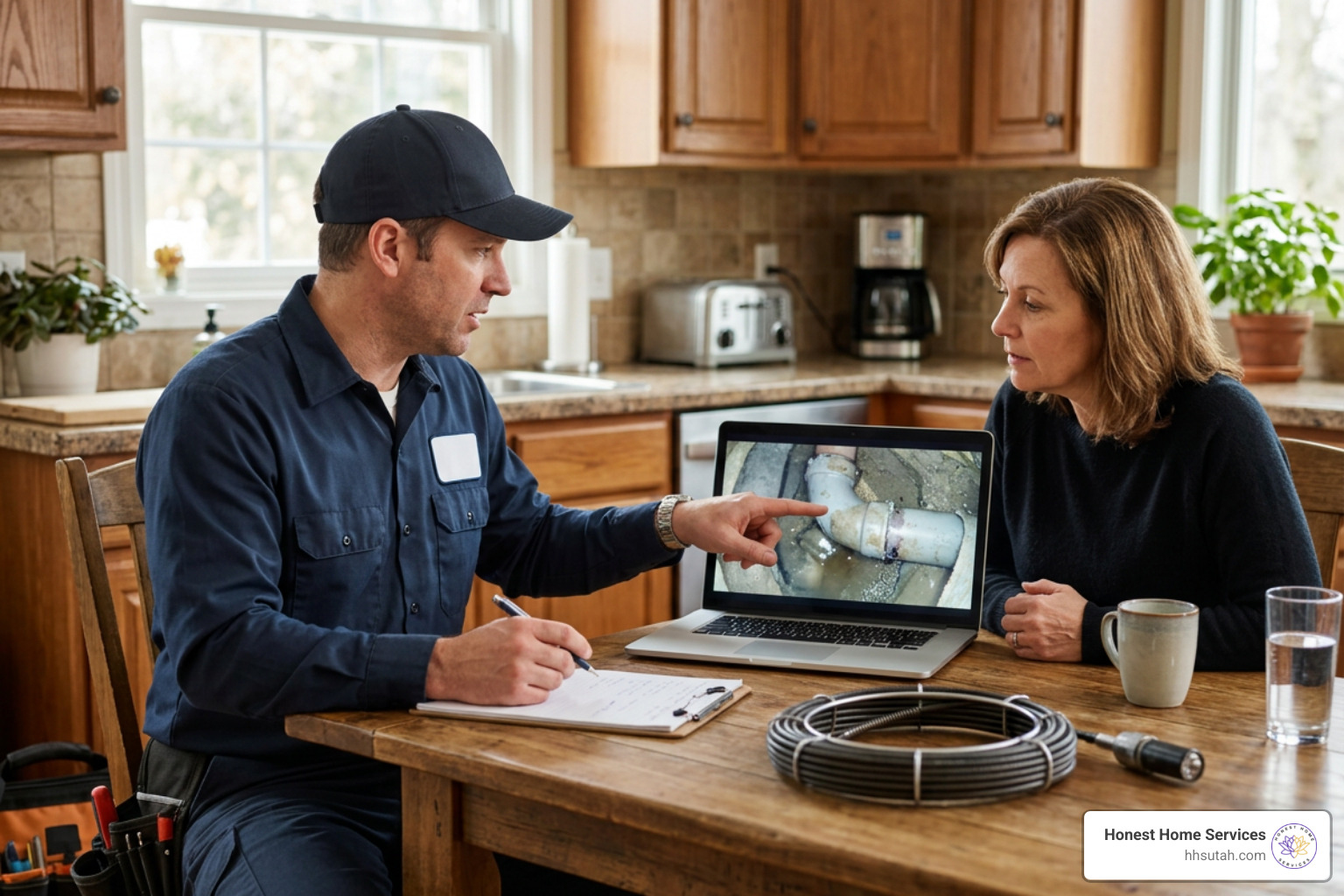
When selecting a qualified sewer line inspector, ensure they meet the following essential criteria:
- Licensed and Insured Master Plumbers: Choose an established local plumbing company rather than a generalist home inspector who lacks specialized pipe repair background. Licensed plumbers understand local municipal codes and can provide accurate repair solutions based on camera findings.
- NASSCO Certification: Industry-standard credentials—such as NASSCO’s LACP (Lateral Assessment Certification Program)—guarantee the inspector codes defects accurately using standardized national metrics.
- High-Definition, Self-Leveling Equipment: Ensure the company utilizes commercial-grade, self-leveling HD cameras equipped with 512Hz sondes and digital distance tracking to guarantee clear footage and exact surface locating.
- Unbiased Diagnostic Integrity: Your inspector should provide complete, unedited HD video recordings alongside a transparent written report detailing exact footages of defects without pressure-selling unnecessary services.
- Full General Liability and Workers’ Comp Insurance: Verify that the technician and company carry comprehensive insurance to protect your property against accidental damage during cleanout access or roof vent work.
Frequently Asked Questions About Sewer Line Inspections
Does standard homeowners insurance cover damaged sewer line repairs?
Standard homeowners insurance policies generally exclude damage caused by normal wear and tear, age-related pipe degradation, lack of maintenance, or tree root intrusion. However, coverage may apply if a sewer line rupture causes sudden, accidental water damage inside your home, provided the backup wasn’t caused by long-term negligence or flood waters.
Many insurance carriers offer optional “Service Line Endorsements” or endorsements that can be added to your policy for a minor annual fee. These endorsements help cover repair or replacement costs for utility lines—including water and sewer laterals—damaged by freezing, ground movement, or mechanical breakdown.
How long does a typical sewer scope inspection take?
A standard residential sewer line inspection takes between 30 and 60 minutes from start to finish. Accessing the cleanout, performing the pre-lubrication flush, pushing the push camera through the lateral to the city main, surface-mapping defects with a 512Hz sonde locator, and retrieving the cable usually moves smoothly.
If the technician must remove an indoor toilet to gain cleanout access, or if the lateral run contains heavy root blockages that slow down camera navigation, the process may take slightly longer.
Is a sewer scope necessary for newly constructed homes?
Yes, ordering a sewer line inspection on newly constructed homes is a smart safeguard that many home buyers overlook. Construction sites are busy, dynamic environments where underground utility lines are vulnerable to damage.
Common issues we discover in newly built sewer lines include:
- Construction Debris Clogs: Workers frequently flush excess drywall mud, grout, mortar, nails, and wood scraps down indoor drains during construction, causing dense obstructions in main lateral lines.
- Crushed or Misaligned PVC Pipes: Heavy machinery, earthmovers, and gravel delivery trucks driving across unpaved yards can crush flexible plastic PVC pipes or cause solvent-welded joints to pull apart underground.
- Soil Compaction Stress: Rapid backfilling and improper soil tamping can cause localized dips (bellies) in brand-new plastic drain pipes.
Scoping the line before your builder warranty expires ensures the contractor fixes crushed or clogged pipes at their expense rather than yours.
Conclusion
A subterranean sewer line issue does not have to turn into a high-stress household crisis. By investing in a professional sewer line inspection, property owners across Salt Lake City, Layton, Herriman, and surrounding Northern Utah communities gain complete visual clarity into their plumbing infrastructure, protecting their homes, landscaping, and budgets.
Whether you are performing routine maintenance on a historic home, troubleshooting sluggish drains, or conducting due diligence before buying a new property, visual camera scopes eliminate costly guesswork and give you total control over your system’s health.
At Honest Home Services, we are dedicated to providing clear, upfront, and dependable plumbing solutions across Utah. Contact our team today to explore our Professional Mainline Inspection Services and keep your drains flowing smoothly for years to come!