

The Hidden Crisis Flowing Beneath Your Home
Pipe leak detection service is a professional inspection process that uses specialized tools — such as acoustic sensors, thermal imaging, and tracer gas — to locate hidden leaks in water, sewer, and gas lines without tearing apart your walls or floors.
Here’s what you need to know right away:
- Signs you need it: rising water bills, damp spots, musty odors, low water pressure, or the sound of running water when everything is off
- What it costs: typically varies by job complexity, pipe access, and leak type — a professional can give you an accurate quote before work begins
- How fast it works: most leaks can be pinpointed within one to four hours using modern detection equipment
- Why it matters: undetected leaks can cause foundation damage, mold growth, and thousands of dollars in structural repairs
- Who to call: a licensed plumber or leak detection specialist with advanced diagnostic equipment
The numbers behind hidden leaks are staggering. Every year, at least two trillion gallons of water are lost through underground pipes in the U.S. alone — enough to fill over 3.28 million Olympic-sized swimming pools. The American Society of Civil Engineers estimates that aging and defective plumbing infrastructure costs Americans more than $2 billion annually. And in your own home, a single leaky toilet can silently waste up to 73,000 gallons of water per year.
The troubling part? Most of those leaks are completely invisible until the damage is already done.
That quiet drip behind your drywall. The warm spot on your floor you keep meaning to check. The water bill that crept up $30 last month and $45 this month. These aren’t coincidences — they’re your home trying to tell you something.
At Honest Home Services, we’ve spent over 20 years helping Northern Utah homeowners and businesses track down and stop leaks before they become disasters, making us a trusted local pipe leak detection service for everything from slab leaks to sewer line failures. If you’re noticing the warning signs, you’re in the right place — let’s walk through everything you need to know.

Similar topics to Pipe leak detection service:
Recognizing the Signs: When to Call a Pipe Leak Detection Service
Most homeowners in Salt Lake City or Davis County don’t wake up thinking about their plumbing. It’s a “silent” system—until it isn’t. Recognizing the early warning signs of a leak can be the difference between a simple spot repair and a $20,000 foundation overhaul.
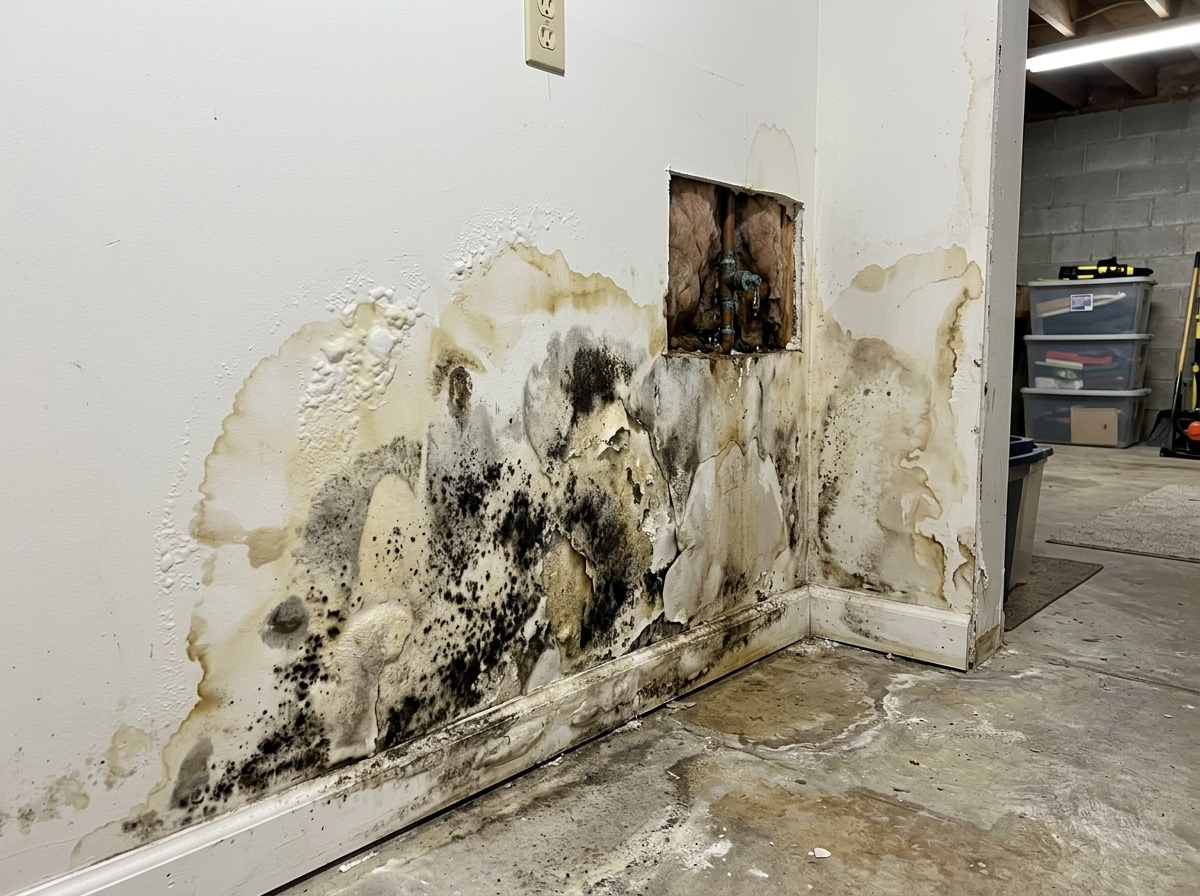
If you notice any of the following, it’s time to consider a professional pipe leak detection service:
- Skyrocketing Water Bills: If your water usage hasn’t changed but your bill has jumped significantly, you likely have a “non-revenue water” loss. This is water you’re paying for that never actually makes it to your faucet.
- Unexplained Damp Spots: Wet patches on the carpet, discolored hardwood, or moisture on the ceiling are classic signs. In Salt Lake City homes with basements, look for efflorescence (white powdery residue) on concrete walls.
- Musty Odors: Water trapped behind drywall or under floorboards quickly leads to mold and mildew. If a room smells like a damp locker room despite being clean, there’s a leak nearby.
- The Sound of Running Water: If you hear hissing, whistling, or rushing water when all faucets are turned off, a pipe has likely breached.
- Low Water Pressure: A sudden drop in pressure across the whole house often points to a major leak in the main supply line.
- Foundation Cracks: While some settling is normal in Utah’s soil, new or widening cracks in your slab or foundation can be caused by water eroding the soil underneath.
For more detailed tips on identifying these issues, check out our guide on spotting the drip: a guide to water leak detection or see our specific resources for Salt Lake City leak detection.
Common Symptoms of a Hidden Pipe Leak
Sometimes the signs are more subtle. Warm floor spots are a “smoking gun” for a slab leak—specifically a leak in a hot water line running beneath your concrete floor. You might also notice puddles in the yard even when it hasn’t rained, or discolored baseboards that appear slightly swollen or warped. These symptoms indicate that water is traveling along the framework of your home, often far from the actual source of the break.
When to Seek a Professional Pipe Leak Detection Service
While a DIY “meter test”—where you turn off all water and see if the meter dial still moves—is a great first step, it has its limitations. It can tell you that you have a leak, but it can’t tell you where.
You should call us for a professional pipe leak detection service if:
- The meter test confirms water loss, but you see no visible puddles.
- You have persistent moisture issues that a dehumidifier won’t fix.
- You live in an older home (30+ years) in areas like Bountiful or Layton where pipe degradation is common.
- You want to avoid “exploratory surgery” (tearing down walls just to find the pipe).
The Science of Silence: How Professional Leak Detection Works
In the old days, finding a leak involved a lot of guesswork and a sledgehammer. Today, we use “non-invasive” methods. This means we find the exact coordinate of the leak through solid concrete or behind finished tile without causing any damage to your property.
Advanced Tools Used in a Modern Pipe Leak Detection Service
We utilize a suite of high-tech equipment to achieve 99.9% accuracy:
- Acoustic Sensors & Ground Microphones: Pressurized leaks create distinct sound frequencies. We use ultra-sensitive microphones to “listen” through soil, pavement, and slabs to pinpoint the exact hiss of a escaping water.
- Leak Noise Correlators: These devices use two or more sensors placed on pipe access points. By measuring the time it takes for the sound of a leak to reach each sensor, the device mathematically calculates the leak’s exact position.
- Infrared Thermography: Thermal cameras allow us to see temperature differences. A hot water leak under a slab will show up as a bright “bloom” on our screen, even through thick flooring.
- Tracer Gas: For tiny, “silent” leaks, we drain the line and inject a safe mixture of helium or nitrogen. Because these gas molecules are so small, they escape through the leak and rise to the surface, where our sensors detect them.
- Video Pipe Inspection: We use waterproof, high-definition cameras on fiber-optic cables to travel inside your sewer and drain lines. This allows us to see root intrusions or cracks from the inside out.
Learn more about these non-invasive ways to detect water flow in your pipes to see how we protect your home during the process.
The Step-by-Step Professional Inspection Process
When our technicians arrive at your home in Murray or West Jordan, they follow a systematic approach:
- Initial Assessment: We talk to you about the symptoms you’ve noticed and perform a visual inspection of all accessible fixtures.
- Pressure Testing: We isolate different zones of your plumbing system to determine which line (hot, cold, or irrigation) is losing pressure.
- Electronic Pinpointing: Once we know which line is leaking, we use acoustic or thermal tools to find the exact spot.
- Damage Mitigation: We provide an immediate recommendation for repair to prevent further structural damage.
For a deeper dive into what to expect during a visit, see our leak detection company complete guide.
From Slab Leaks to Sewer Lines: Understanding Different Leak Types
Not all leaks are created equal. Depending on where the pipe is located, the risks and repair methods vary significantly.
- Slab Leaks: These occur in the copper or PEX pipes buried beneath your home’s concrete foundation. They are particularly dangerous because they can wash away the supporting soil, leading to foundation collapse.
- Underground Water Lines: These are the pipes running from the city meter to your home. Leaks here often cause “spongy” spots in your lawn or sinkholes near your driveway.
- Sewer Line Failures: Often caused by tree roots or aging cast iron, these leaks can lead to raw sewage backups and foul odors.
- Pinhole Copper Leaks: Common in older Salt Lake County homes, these tiny “pits” in the metal can spray a fine mist for months, rotting out wall studs and causing massive mold growth before being discovered.
If you suspect a leak is hidden in your walls, our guide on wall whispers: your guide to locating pipes behind drywall can help you understand the layout of your home’s “veins.”
Causes of Pipe Failure in Older and Modern Homes
Why do pipes leak in the first place? In Northern Utah, we see several common culprits:
- Corrosion: Older galvanized steel pipes rust from the inside out.
- Ground Shifting: Our local geography and seismic activity can cause soil to shift, putting “shear” stress on rigid pipes.
- Tree Root Intrusion: Roots are naturally drawn to the moisture and nutrients in sewer lines; they can enter through a crack the size of a hair.
- High Water Pressure: If your home’s pressure is above 60-80 PSI, it puts constant strain on joints and valves, leading to premature failure.
The Impact of Undetected Leaks on Property Value
A leak isn’t just a plumbing problem; it’s a real estate problem. Structural erosion can make a home difficult to sell, and mold remediation can cost upwards of $5,000 to $20,000 depending on the severity. Proactive detection preserves your home’s equity. While you’re looking for water leaks, don’t forget that your homes hidden drafts: a guide to air leak detection is also vital for maintaining energy efficiency and comfort.
Repair Options and Preventive Maintenance Strategies
Once the pipe leak detection service has pinpointed the source, the next step is a permanent fix. We always aim for the least invasive option.
Common Repair Methods:
- Spot Repair: If the rest of the pipe is healthy, we only replace the leaking section. This is common for newer homes in Saratoga Springs or Lehi.
- Pipe Rerouting: If a pipe under a slab is failing, it’s often more cost-effective to abandon that line and run a new PEX line through the walls or attic.
- Whole-Home Repiping: For older homes in Clearfield or Farmington with aging galvanized or polybutylene pipes, replacing the entire system is the best long-term investment.
- Trenchless Technology: For sewer lines, we can often use “pipe bursting” or “cured-in-place-pipe” (CIPP) to create a new pipe inside the old one without digging up your yard.
For more on these solutions, visit our pages on effective pipe leak repair in Salt Lake City and Salt Lake City pipe repair.
Understanding Costs and Insurance Coverage
The cost of a pipe leak detection service is influenced by the complexity of the system and the accessibility of the pipes. However, it is almost always cheaper than the cost of water damage.
Does insurance cover it? Most homeowners insurance policies cover sudden and accidental water damage (like a burst pipe). However, they often exclude gradual leaks or maintenance issues. The good news is that while they might not pay for the pipe repair itself, they often cover the “cost to access”—meaning the labor to get to the leak and the repairs to the drywall or flooring. We provide detailed documentation and photos to help you with your claims.
How to Prevent Future Pipe Leaks
- Annual Inspections: A yearly check-up can catch a corroding water heater or a weakening joint before it bursts.
- Water Pressure Regulators: Ensure your home stays between 40-60 PSI.
- Smart Leak Detectors: Devices like the Flo by Moen can automatically shut off your water main if they detect unusual flow.
- Flush Your Water Heater: Removing sediment prevents the “popping” sounds and internal corrosion that leads to bottom-tank leaks.
Frequently Asked Questions about Pipe Leak Detection
How accurate is professional leak detection compared to DIY?
Professional service is significantly more accurate. While a homeowner can narrow a leak down to a general room, our electronic pinpointing achieves 99.9% accuracy, often finding the leak within a few inches. This minimizes the “demolition footprint” needed for the repair.
Does homeowners insurance cover the cost of leak detection?
As mentioned, coverage depends on the cause of the leak. Sudden bursts are usually covered. We recommend keeping our professional reports and photos as part of your policy documentation to prove the “sudden” nature of the event.
How long does a typical leak detection visit take?
For a standard residential home in Bountiful or Draper, the process usually takes between one and four hours. We provide immediate results on-site so you can decide on the repair path right away.
Conclusion
A hidden leak is a ticking clock. Every gallon of water that escapes into your foundation or walls is a step toward a more expensive repair. At Honest Home Services, we specialize in providing a transparent, high-tech pipe leak detection service that gives you answers, not guesses.
Whether you are in Salt Lake City, Layton, Park City, or anywhere across Northern Utah, our expert technicians are ready to help. We offer 24/7 emergency support and a guarantee of customer satisfaction. Don’t let a “secret” leak drain your bank account—schedule your Salt Lake City pipe leak detection with us today.