
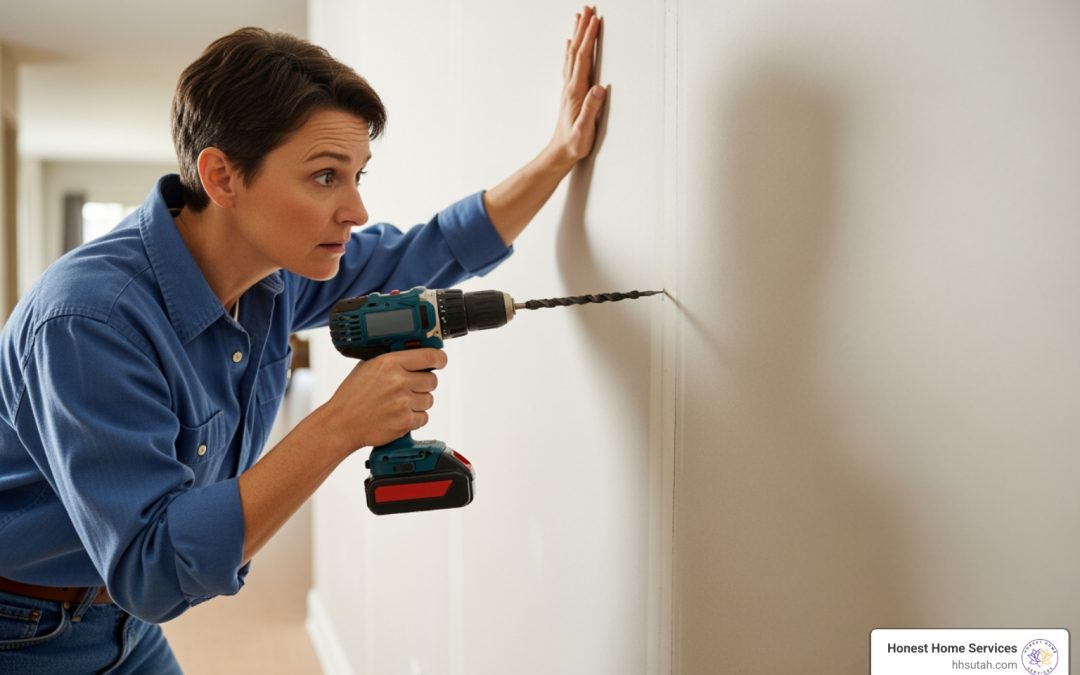
Why Locating Hidden Pipes Matters for Your Home Project
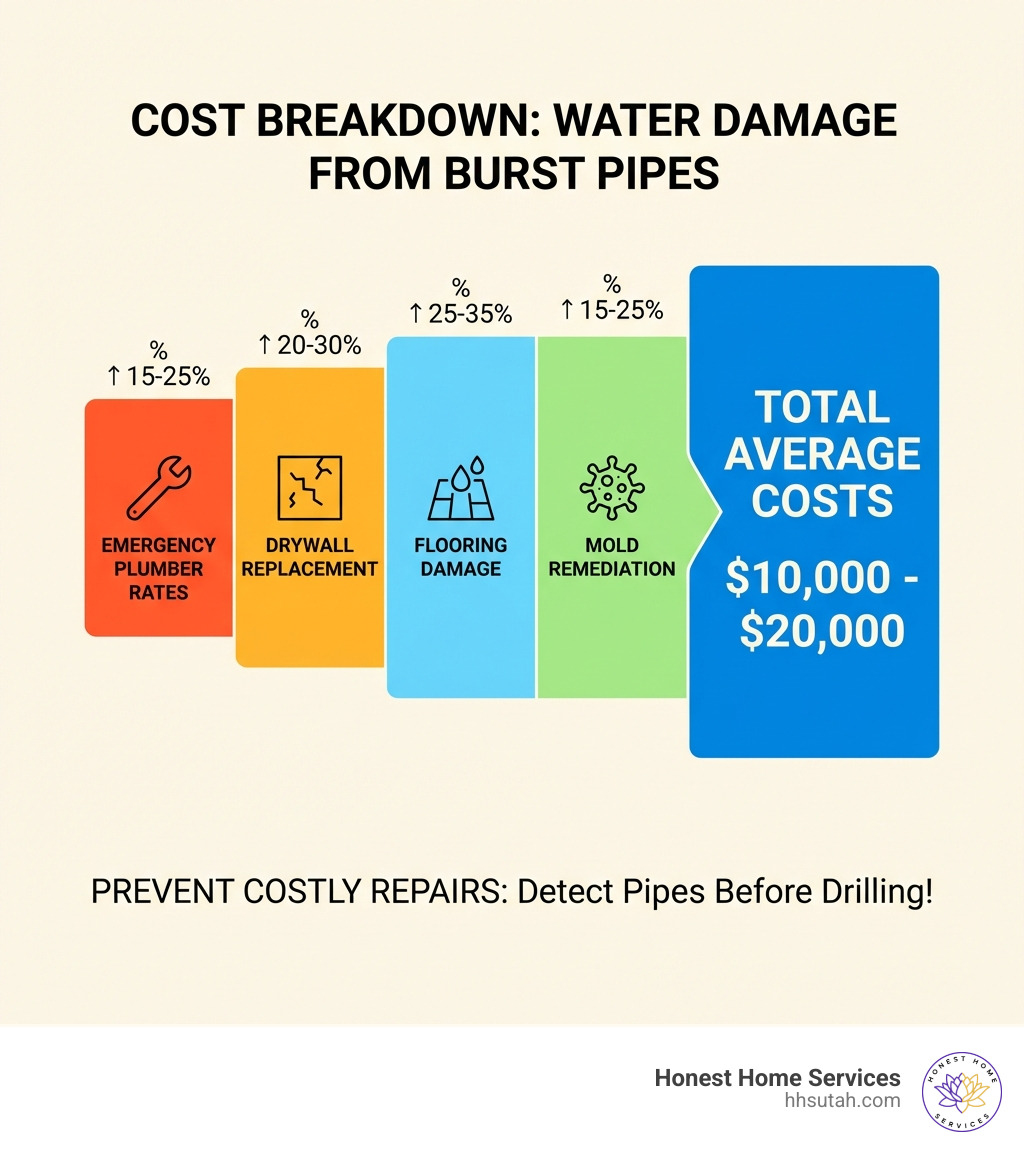
Whether you’re hanging a new shelf, mounting a TV, or tackling a full renovation, knowing how to detect pipes in walls is essential for protecting your home and your wallet. One wrong drill hole into a water line can quickly turn a simple weekend project into a costly emergency, with the average water damage from a burst pipe costing between $10,000 and $20,000.
Quick Answer: How to Detect Pipes in Walls
- Visual Inspection – Look for fixtures like sinks and toilets, then trace logical pipe paths vertically and horizontally
- Stud Finder with Metal Detection – Use to locate metal pipes like copper or galvanized steel
- Wall Scanner – Advanced tools like the Bosch D-TECT 120 can detect water-filled plastic pipes
- Infrared Camera – Reveals temperature differences showing where warm water pipes run
- Listen for Water – Turn on faucets and use a screwdriver or stethoscope against the wall to hear running water
- Professional Help – For complex situations, hidden leaks, or concrete walls
Common Signs You’ve Found a Pipe:
- Stud finder beeps continuously in metal detection mode
- Wall sounds solid when tapped (versus hollow)
- Warm or cool spots on wall surface
- Fixtures are typically mounted directly above or below pipe runs
At Honest Home Services, we’ve helped Northern Utah homeowners safely detect pipes in walls for over 20 years, preventing countless costly accidents during renovations and repairs. Our experienced team knows exactly where builders typically route plumbing in local homes, and we use professional-grade detection equipment to ensure your project stays on track.
Relevant articles related to detect pipes in walls:
Why You Need to Find Pipes Before You Drill
Imagine this: You’re excited to hang that new flat-screen TV in your living room in Salt Lake City, or perhaps you’re finally getting around to that bathroom renovation in Layton. You grab your drill, confidently mark a spot, and wham!—you hit something. A loud hiss, a sudden gush of water, and your dream project turns into a nightmare. This isn’t just a hypothetical scenario; it’s a real and expensive risk if you don’t know how to detect pipes in walls.
Home renovations and even simple repairs often require drilling, cutting, or opening up walls. Without knowing where your plumbing lines, and even electrical wiring, are located, you’re essentially playing a high-stakes game of hide-and-seek. The consequences of hitting a hidden pipe can range from minor leaks to catastrophic flooding, leading to thousands of dollars in water damage restoration, not to mention the cost of repairing the pipe itself. According to statistics, water damage from a burst pipe can cost anywhere from $10,000 to $20,000, while general water damage restoration can be $1,000 to $10,000 or more. These aren’t just numbers; they represent significant financial strain and disruption to your home and life.
Beyond the immediate damage, there are crucial safety precautions to consider. Electrical wiring often runs parallel to plumbing routes, and accidentally drilling into a live wire can result in electrical shock or even fire. That’s why we always stress the importance of careful planning and detection before any invasive work begins. Prevention is always better (and far cheaper) than a cure. For more in-depth information about common plumbing issues that can arise, especially in older homes, we recommend reading our guide on Common Plumbing Problems in Older Homes and How to Address Them.
Visual Inspection and Logical Deduction
Before you even think about grabbing a tool, a thorough visual inspection and a bit of logical deduction can go a long way in helping to detect pipes in walls. Plumbing systems are designed with a certain logic, and pipes rarely snake haphazardly through your walls.
Start by looking for visible fixtures like sinks, toilets, showers, and external faucets. Water supply lines typically run vertically or horizontally from these points. If you see a faucet on one side of a wall, there’s a very high probability that water lines are running directly behind or above/below it. Sketching a blank wall in a notebook and marking known elements like power points or taps can help you deduce the location of studs and noggins, which often house utilities.
Another key indicator is the presence of access panels. Builders sometimes install these panels in strategic locations to allow for easier access to critical plumbing components, like shower valves or clean-outs. If you find one, it’s a strong clue that there’s plumbing directly behind it.
While not always perfectly accurate due to potential modifications over the years, checking your home’s blueprints or building plans can provide valuable insight into the original plumbing layout. However, that changes may have occurred post-construction, so these documents are a starting point, not a definitive map.
Finally, pay attention to outlet placement. While primarily for electrical, these can give you clues about stud locations, and electrical wiring often runs in the same vertical or horizontal channels as plumbing. Generally, cabling and pipes run in straight lines and are not typically hard against the inside of the plaster. Water pipes, for instance, will usually go straight down in a vertical profile.
Detecting a Hidden Leak
Sometimes, you’re not trying to avoid pipes during a renovation; you’re trying to find one because you suspect a hidden leak. These “wall whispers” can be subtle, but ignoring them can lead to significant water damage and mold growth.
One of the most common,, signs is an unexplained spike in your water bill. If your usage hasn’t changed but your bill has skyrocketed, it’s a strong indicator that water is escaping somewhere it shouldn’t be. Similarly, if your water meter continues to run even when all fixtures and appliances are turned off, you likely have a leak somewhere in your system.

Visually, look for any signs of moisture or discoloration on your walls. Yellow or brown stains, wet spots, or peeling paint and wallpaper are all red flags. If you notice bucking or sagging ceilings, particularly on lower floors, it’s a critical sign of a leak from above. In areas like Farmington or Kaysville where we see a lot of older homes, these signs can be especially prevalent.
Musty odors, even without visible dampness, can signal hidden mold growth behind walls, which is a direct result of prolonged moisture from a leak. Mold can pose serious health risks, so if you suspect it, it’s wise to contact professionals for proper inspection and remediation. Also, check your floors for any warping, buckling, or discoloration, as this can indicate a slab leak or a leak in pipes running under the floor. For more information on addressing leaks, visit our page on Pipe Repair.
Non-Invasive Methods to Detect Pipes in Walls
Thankfully, you don’t need X-ray vision to detect pipes in walls. Modern technology and clever techniques allow us to locate plumbing lines without causing damage to your walls. These non-destructive methods are your best friends when planning a project or investigating a suspected issue.
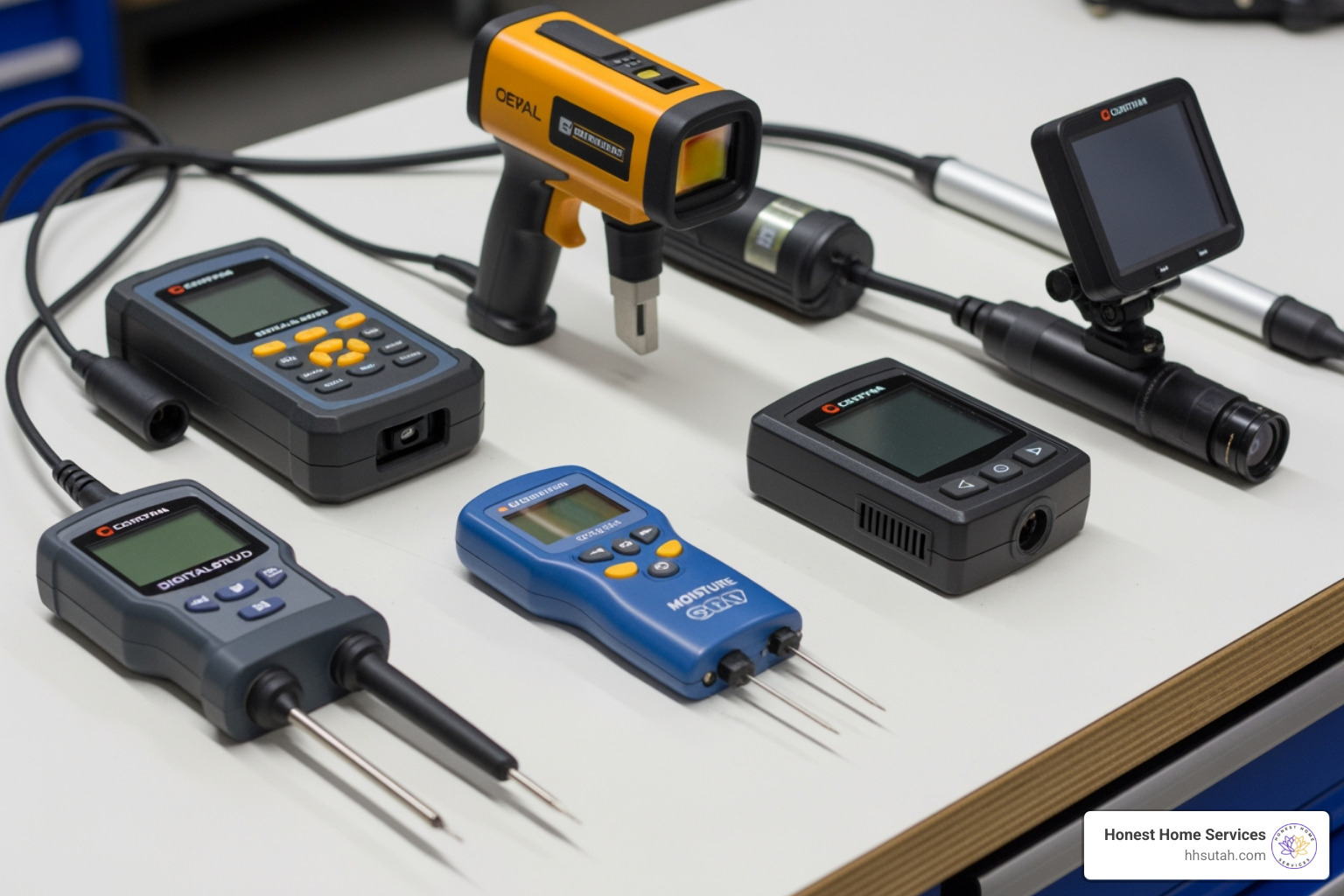
From simple household items to advanced electronic gadgets, there’s a spectrum of tools and techniques available to help you pinpoint those hidden pathways.
Using Basic Household Tools to Detect Pipes in Walls
You might be surprised at what you can achieve with some common items you probably already have around your Salt Lake City home.
- Stud Finders: While primarily designed to locate wall studs, many modern stud finders come equipped with a metal detection mode. This is incredibly useful for identifying metal pipes like copper or galvanized steel behind drywall. Some stud finders also offer AC detection, which can alert you to live electrical wiring that often runs in close proximity to plumbing. It’s important to remember that not all stud finders can detect plastic pipes, so their utility here might be limited depending on your home’s plumbing materials.
- Listening for Water: This is a simple yet effective method. Turn on a faucet in the area you’re investigating and listen carefully against the wall. The sound of running water can help you trace the general path of the pipe.
- The Stethoscope Method: For a more refined listening experience, a medical stethoscope (or even a long screwdriver with the handle pressed to your ear and the tip against the wall) can amplify faint water flow or dripping sounds within the walls. This can help you pinpoint the exact location of a pipe or even a small leak.
- Tapping the Wall: Grab a screwdriver handle or a small hammer and gently tap along the wall surface. Listen for changes in the sound. A hollow sound typically indicates an empty wall cavity, while a more solid, dull thud can suggest a stud, a pipe, or other obstruction behind the drywall. This method requires a bit of practice but can be surprisingly effective for narrowing down areas of interest.
Leveraging Advanced Detection Technology
When basic tools aren’t enough, or you need more precision, advanced detection technology steps in. These tools offer a clearer picture of what lies beneath your wall’s surface, whether you’re in West Valley or Draper.
- Electronic Wall Scanners: These are sophisticated versions of stud finders. Advanced wall scanners, like the Bosch D-TECT 120 or Walabot DIY, can do more than just find studs. They can detect metal pipes, electrical wires, and even water-filled PVC or plastic pipes. They often provide a visual display, giving you a clearer idea of the object’s depth and sometimes even its material. For example, the Bosch D-TECT 120 is specifically noted for its ability to detect water-filled PVC/plastic pipes, which is a game-changer for homes with modern plumbing.
- Infrared Cameras (Thermal Imaging): These tools are fantastic for detecting pipes, especially hot water lines. Infrared cameras can reveal subtle temperature differences on the wall surface. When hot water flows through a pipe, it heats the surrounding wall material slightly, creating a thermal signature that the camera can “see.” This makes the path of hot water pipes clearly visible on the camera’s screen. They can also sometimes detect colder pipes if there’s enough temperature contrast with the ambient wall temperature.
- Acoustic Leak Detectors: While not typically a DIY tool, professionals use highly sensitive acoustic leak detectors to pinpoint the exact source of a leak by listening for the sound of escaping water. These tools amplify sounds within the wall, allowing our technicians to hear even the faintest drips or trickles.
How Pipe Material Affects Detection Methods
The type of pipe material hidden behind your walls significantly impacts which detection methods will be most effective. Understanding these differences is key to successfully locating your plumbing.
| Pipe Material | Common Detection Methods |
|---|---|
| Metal (Copper, Galvanized Steel) | Stud finder with metal detection, electronic wall scanner, tapping the wall, infrared camera (for hot water). |
| Plastic (PVC, PEX) | Advanced electronic wall scanner (for water-filled pipes), infrared camera, listening for water, stethoscope. |