
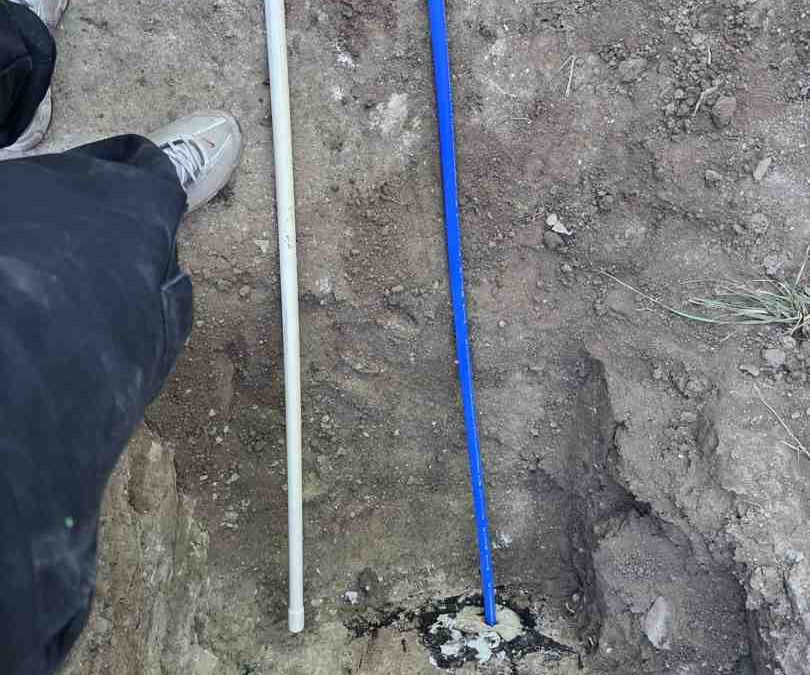
What to Do When Your Septic Main Line Is Clogged
A septic main line clogged is one of the most disruptive plumbing problems a homeowner can face. When the main line — the single pipe carrying all wastewater from your home to the septic tank — gets blocked, nothing drains properly.
Here’s what you need to know right away:
Quick answer: Signs, causes, and what to do
| Details | |
|---|---|
| Key signs | Multiple slow drains, sewage odors, water backing up in tubs or showers, soggy yard patches, unusually green grass near the tank |
| Common causes | Tree root intrusion, grease buildup, non-flushable items, collapsed or sagging pipes |
| DIY options | Drain snake via cleanout, baking soda and vinegar for minor clogs, enzyme treatments |
| Call a pro when | Sewage is backing up into the home, DIY fails, you suspect tree roots or a collapsed pipe |
| Prevention | Clean sewer drains every two years minimum, avoid flushing wipes or grease |
Every drain in your home — sinks, toilets, showers, washing machine — flows through one main line on its way to your septic tank. Think of it like a tree: all the branches (individual drain lines) feed into a single trunk. When that trunk gets blocked, the whole system backs up.
The longer you wait, the worse — and more expensive — it gets.
At Honest Home Services, our team brings over 20 years of experience diagnosing and clearing septic main line clogs for homeowners and businesses across Northern Utah. We’re here to walk you through everything you need to know, from spotting the early warning signs to knowing when it’s time to call in the pros.
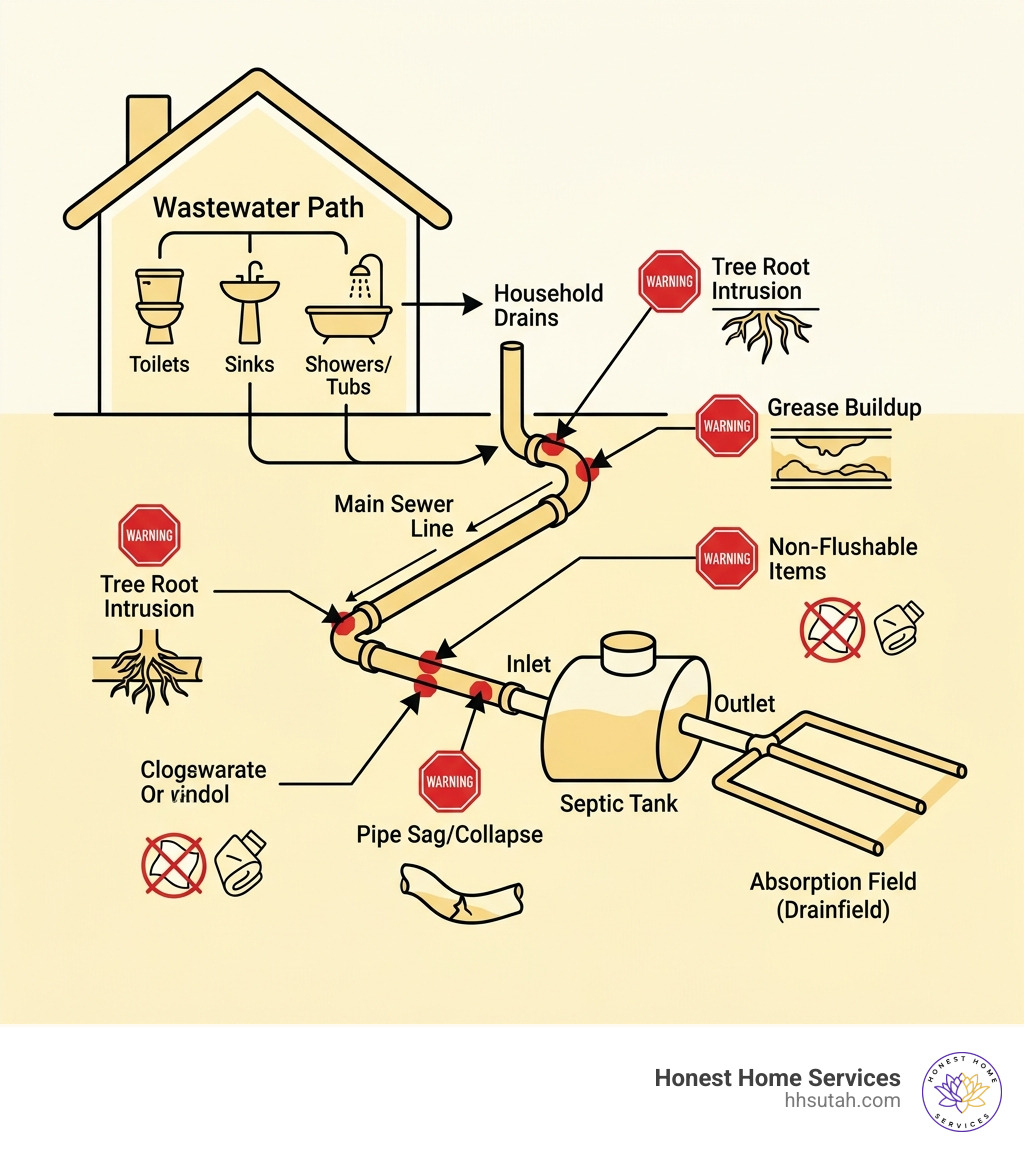
Septic main line clogged terms explained:
Recognizing the Signs of a Blocked Sewer Lateral
Identifying a septic main line clogged early is the difference between a simple cleaning and a full-scale basement restoration. Because the main line is the “trunk” of your plumbing system, a failure here affects the entire house.
Common Signs Your Septic Main Line Clogged
When your main line is struggling, your home will start “talking” to you. Here are the most common symptoms we see in Northern Utah homes:
- Multiple Slow Drains: If just your kitchen sink is slow, it’s a local clog. If your kitchen sink, bathtub, and laundry room are all sluggish, that’s a main line issue.
- Water Backing Up in Unexpected Places: A classic sign of a main line clog is water backing up into the shower or bathtub when you flush the toilet. Since the tub is usually the lowest point in the system, wastewater seeks the easiest exit when it can’t reach the tank.
- Gurgling Noises: Do your drains sound like they’re gasping for air? Gurgling sounds from toilets or floor drains often indicate trapped air bubbles caused by a blockage downstream.
- The “Vibrantly Green” Yard: Take a walk outside. Is there a patch of grass over your septic line or tank that looks like it belongs on a professional golf course? While it looks nice, it’s often a sign that a leak or backup is providing extra “fertilizer” to the roots.
- Foul Odors: Sewage sitting in your pipes because of a clog will eventually release hydrogen sulfide gas. If you smell rotten eggs near your drains or in your yard, don’t ignore it.
As of April 2026, we recommend that homeowners in areas like Clearfield and Layton perform a visual inspection of their yard and drains at least once a month to catch these issues before they escalate. You can find more info on identifying backups to help you stay ahead of the curve.

Differentiating Between House Drains and Main Line Issues
It is vital to know whether you’re dealing with a simple hair clog in the sink or a total system failure. Use this table to help diagnose the location:
| Symptom | Likely Branch Line Clog (DIY Fix) | Likely Main Line Clog (Call a Pro) |
|---|---|---|
| Affected Fixtures | Only one sink or toilet is slow. | Multiple fixtures across the house are backed up. |
| Toilet Flushing | Toilet flushes fine, but the sink is slow. | Flushing the toilet causes water to rise in the shower. |
| Floor Drains | Floor drains are dry and clear. | Sewage or water is surfacing in the basement floor drain. |
| Washing Machine | No impact on other drains. | Running the washer causes the kitchen sink to overflow. |
If you notice gurgling across several rooms, you are likely facing a mainline mayhem scenario that requires professional equipment.
How to Diagnose and Locate the Blockage
Once you suspect a septic main line clogged, the next step is locating the access points. You don’t want to start digging up your lawn blindly.
Finding and Opening the Sewer Cleanout
The sewer cleanout is your “window” into the main line. It is typically a 3- to 4-inch PVC pipe with a screw-on cap, often located near the foundation of your home or between the house and the septic tank.
- Location: Look for a white or black plastic cap sticking out of the ground. In older homes in Salt Lake City or Bountiful, it might even be located in the basement floor.
- Opening Safely: Use a pipe wrench to slowly unscrew the cap. Warning: If the line is backed up, there may be significant hydrostatic pressure. Stand to the side and have a bucket or tarp ready, as sewage may spray out the moment the seal is broken.
- Diagnosis: If you open the cap and see standing water or sewage, the clog is downstream (between the cleanout and the septic tank). If the cleanout is empty but your house is backed up, the clog is upstream (between the cleanout and the house).
If you’re having trouble, check out our guide on locating your cleanout for more specific tips on Utah home layouts.
Inspecting the Septic Tank Inlet
If the cleanout doesn’t give you a clear answer, the next step is the septic tank itself. Most modern tanks have “risers” (lids) that allow easy access.
- The Inlet Baffle: This is where the main line enters the tank. A common cause of a septic main line clogged is a “paper wedge” — a buildup of toilet paper and solids right at the entrance of the tank.
- Scum and Sludge Levels: If the water level in the tank is higher than the inlet pipe, your tank is full or the outlet is blocked. If the tank level looks normal (usually about 98% full, but below the pipe), the clog is definitely in the pipe leading to the tank.
- Effluent Filter: Some systems have a filter on the outlet side. If this is clogged, it can cause the whole system to back up into the main line.
DIY Steps to Clear a Septic Main Line Clogged
If you’ve confirmed the clog is in the line and not a result of a failed drain field, you might be tempted to try a DIY fix. While we usually recommend professional help for main lines, here is how you can safely attempt a minor clearing.
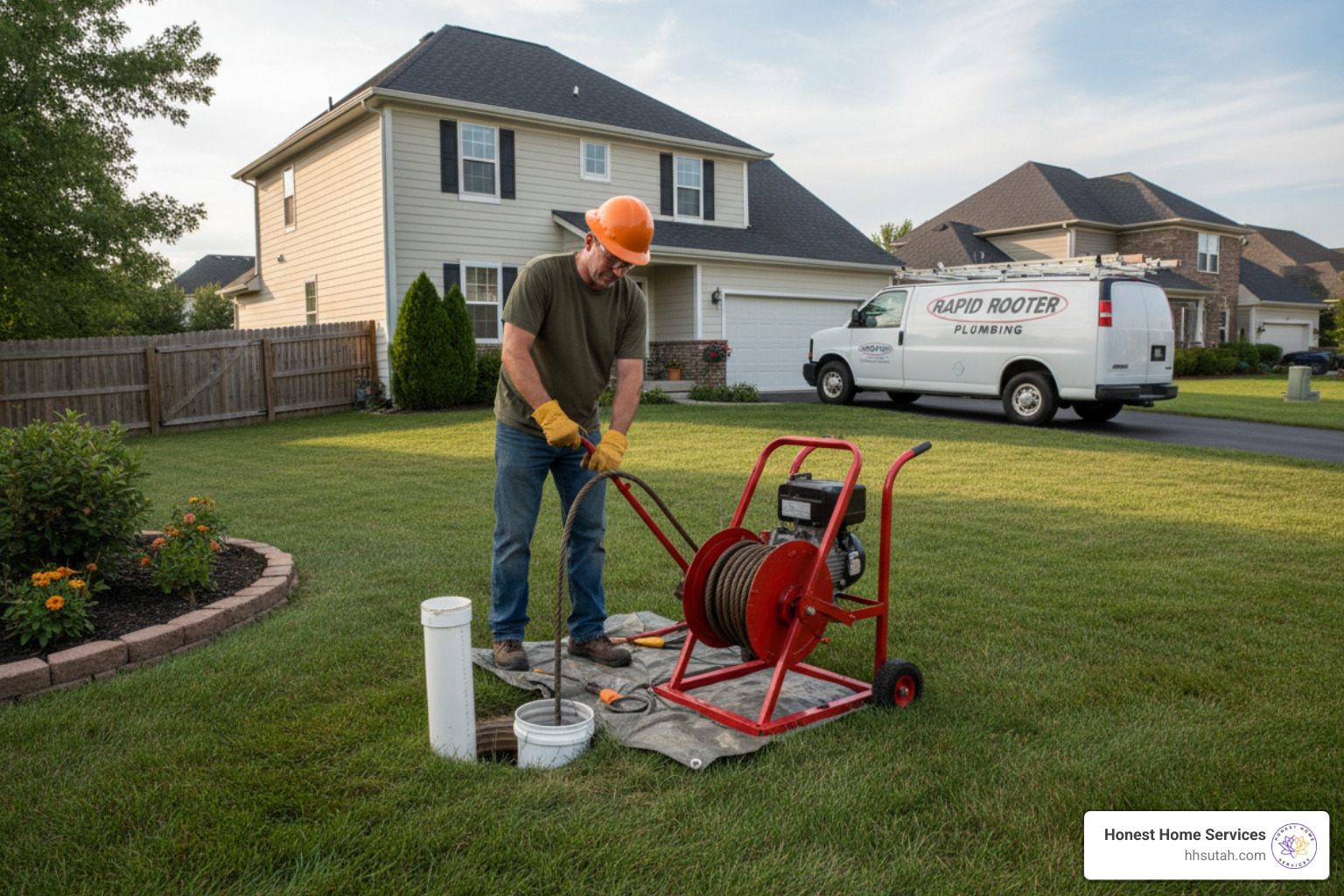
Tools Needed for DIY Unclogging
Don’t reach for a standard coat hanger. A main line requires heavy-duty tools:
- Mechanical Drain Auger (Snake): You’ll need a snake that is at least 50 to 75 feet long to reach the blockage. These can be rented from hardware stores in West Valley or Murray.
- Pipe Wrench: For opening the cleanout cap.
- Heavy-Duty Gloves and Eye Protection: You are dealing with raw sewage; safety is non-negotiable.
- Garden Hose: To flush the line once you think you’ve cleared the path.
Safe DIY Methods and Chemical Alternatives
Before you go out and rent a machine, try these gentler methods for minor grease or soap scum buildup:
- Hot Soapy Water: For grease-based clogs, pouring several gallons of very hot (not boiling, which can crack porcelain) water mixed with Dawn dish soap down the cleanout can sometimes lubricate the blockage.
- Baking Soda and Vinegar: Pour one cup of baking soda followed by one cup of vinegar down the cleanout. Let it fizz for 30 minutes, then flush with hot water. This is a great step-by-step cleaning guide for maintenance.
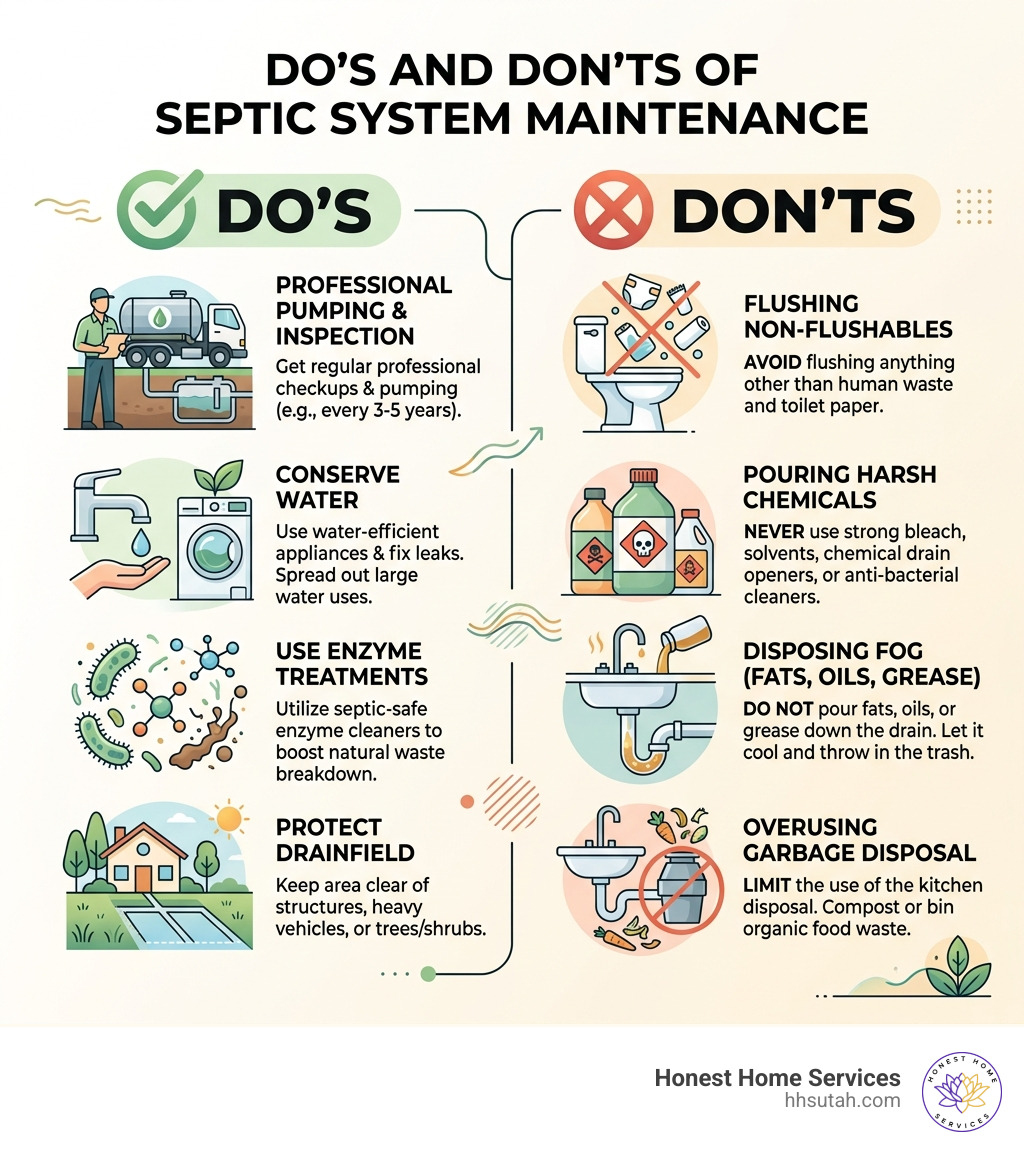
- Enzyme Treatments: Unlike harsh acids, enzyme cleaners use bacteria to eat away at organic matter like hair and food scraps. They are safe for your septic tank’s natural ecosystem.
- Avoid Harsh Acids: Never use sulfuric acid or high-heat chemical cleaners in a septic system. They kill the “good” bacteria your tank needs to break down waste and can damage your PVC pipes.
For more detailed instructions, see our article on how to clean your main sewer line.
Why Main Lines Fail and How to Prevent It
Understanding why your septic main line clogged is the best way to ensure it never happens again. Most clogs aren’t accidents; they are the result of long-term habits or environmental factors.
Common Causes of Septic Blockages
- Tree Root Intrusion: This is the #1 cause of main line failure in older Utah neighborhoods. Roots seek out the moisture and nutrients inside your pipes. Even a tiny crack is enough for a root to enter and grow into a massive “root ball” that traps paper and solids.
- FOG (Fats, Oils, Grease): When you pour warm grease down the drain, it cools and solidifies on the pipe walls. Over time, this creates a “fatberg” that narrows the pipe until nothing can pass.
- Non-Flushable Items: “Flushable” wipes are the biggest lie in plumbing. They do not break down like toilet paper and are a leading cause of main sewer line clogs.
- Pipe Bellies: Over time, the ground under your pipe can shift or sink, creating a “belly” or low spot. Standing water and sediment collect here, eventually forming a solid blockage.
- Pipe Deterioration: If your home was built before 1970, you might have clay or Orangeburg (bituminous fiber) pipes. These materials eventually collapse under the weight of the soil.
Preventing a Septic Main Line Clogged in the Future
Prevention is significantly cheaper than a midnight emergency call. Follow these rules to keep your system sparkling:
- The Two-Year Rule: Get your sewer drains professionally cleaned every two years at a minimum. This removes scale and minor root growth before they become disasters.
- Mind Your Trash: Only human waste and toilet paper should go down the toilet. Diapers, tampons, and wipes belong in the trash.
- Root Management: If you have large trees near your sewer line, consider an annual foaming root killer treatment to keep them at bay.
- Install Hair Traps: A simple mesh screen in your shower can prevent pounds of hair from entering your main line over the years.
For more pro tips, read our guide on maintenance for sparkling drains.
Frequently Asked Questions
How much does professional main line cleaning cost?
In the Northern Utah area, including Salt Lake City and Davis County, the average cost for professional drain clearing typically ranges from $100 to $500. The final price depends on the severity of the clog, whether a camera inspection is needed, and if the service is performed during normal business hours or as an emergency.
Can I use Drano in a septic system?
We strongly advise against it. Chemical cleaners like Drano generate heat and use harsh alkalis that can melt or warp PVC pipes. More importantly, they kill the beneficial bacteria in your septic tank that are responsible for breaking down solids. If you kill these bacteria, your tank will fill up much faster, leading to even more expensive pumping fees. Use enzyme-based cleaners instead.
What is a sewer line belly?
A sewer line belly is a sag or low spot in the pipe. Because septic systems rely on gravity to move waste, water pools in these low spots. Solids settle in the standing water, eventually hardening into a clog. A belly is a structural issue that usually requires excavating and replacing that section of the pipe.
Conclusion
A septic main line clogged is a stressful emergency, but it doesn’t have to be a disaster. By recognizing the signs early — like gurgling drains or water backing up in the tub — you can take action before your home suffers water damage.
While DIY methods like snaking or enzyme treatments can work for minor issues, complex problems like tree roots or pipe bellies require professional expertise. At Honest Home Services, we pride ourselves on providing the Salt Lake City and Clearfield areas with honest, reliable, and affordable solutions. We use advanced technology like hydro jetting and video camera inspections to clear your lines without the guesswork.
Don’t let a small clog turn into a massive headache. If your drains are acting up, give us a call for 24/7 emergency support.
Ready to get your system flowing again? Schedule your Salt Lake City sewer mainline repair today!