
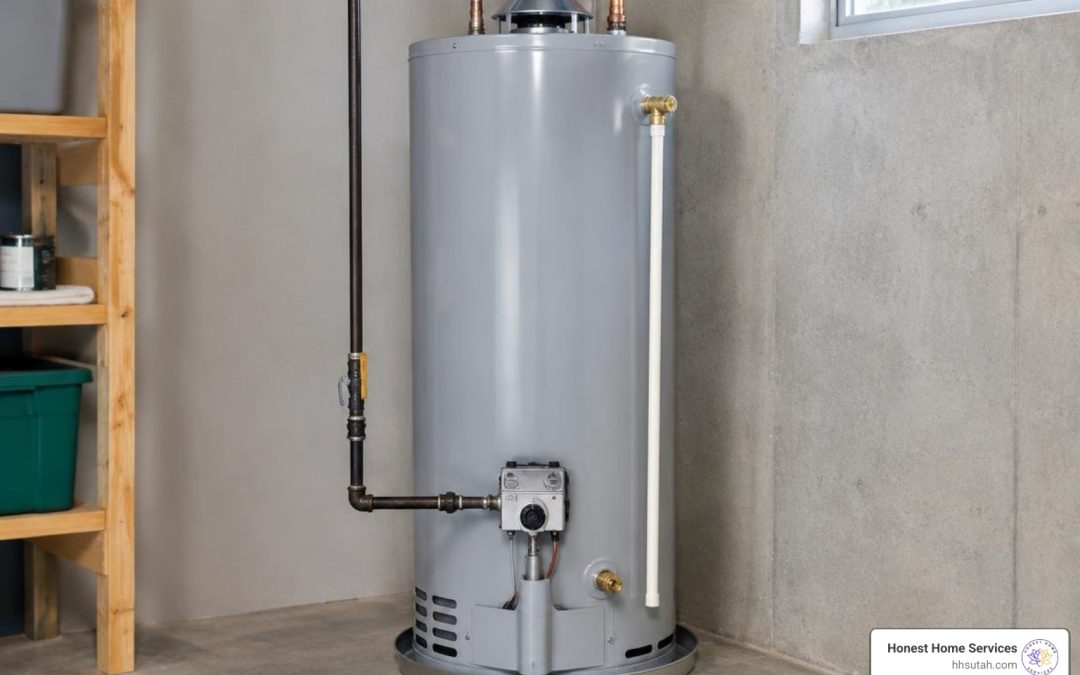
What You Should Expect to Pay for a 50-Gallon Gas Water Heater Replacement
For a standard like-for-like replacement, most homeowners should expect to pay between $1,200 and $3,500 for a 50-gallon gas water heater, with a typical national average around $1,800. The final cost of replacing a 50 gallon gas water heater depends most on the heater type, venting, local labor rates, permits, and whether your existing gas and plumbing connections meet current code. A simple like-for-like replacement is usually the least expensive path, while power-vent units, vent changes, expansion tanks, gas-line repairs, or tight-access installations can raise the final bill.
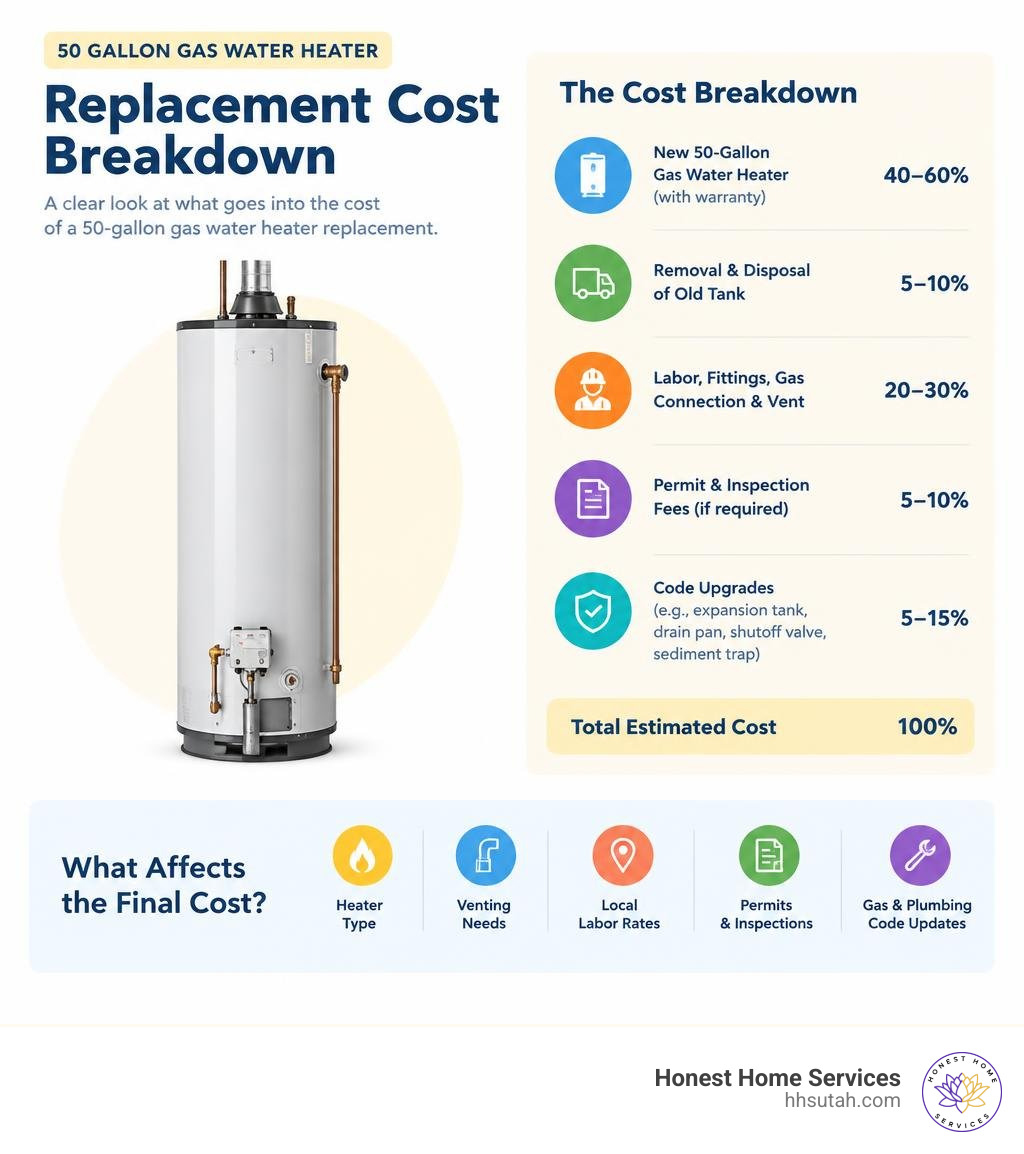
Before accepting a quote, make sure it clearly includes:
- The new 50-gallon gas water heater and warranty
- Removal and disposal of the old tank
- Labor, fittings, gas connection, and vent connection
- Permit and inspection fees, if required
- Any code upgrades, such as an expansion tank, drain pan, shutoff valve, or sediment trap
Honest Home Services has more than 20 years of plumbing, heating, and HVAC experience serving Utah homes and businesses. We help customers understand the true cost of replacing 50 gallon gas water heater systems with clear estimates, safe installation, and no-surprise recommendations.
Essential cost of replacing 50 gallon gas water heater terms:
Total Cost of Replacing 50 Gallon Gas Water Heater Systems in 2026
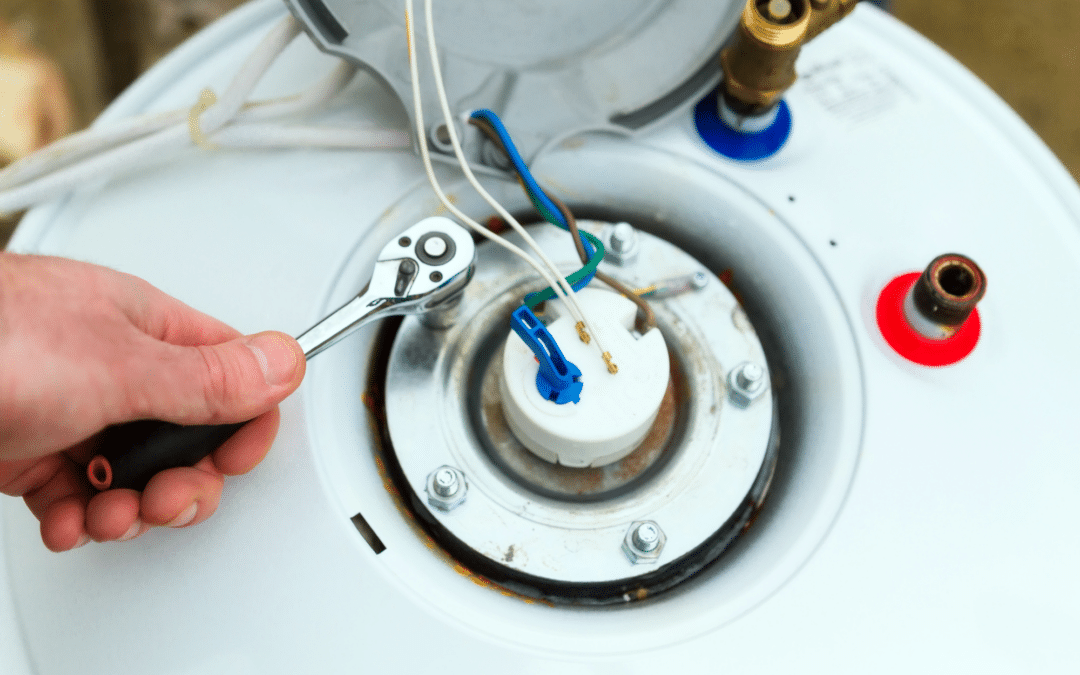
When budgeting for a replacement in 2026, understanding the broader project scope helps prevent unpleasant surprises. On a broad scale, the total expense includes the physical appliance, trade-certified labor, supply connectors, permits, and any necessary code adjustments. While straightforward swaps require minimal extra hardware, older utility setups frequently require modernization to meet safety standards.
For an extensive review of trade pricing, check out our comprehensive breakdown of water heater replacement costs with labor to see how different factors impact overall billing.
| System Type | Efficiency Rating (UEF) | Typical Venting Style | Primary Use Case |
|---|---|---|---|
| Standard Atmospheric | ~0.58 – 0.64 | Vertical metal chimney/B-vent | Standard utility room setups with existing vertical chimneys |
| Power Vent | ~0.67 – 0.72 | Side-wall PVC/CPVC pipe | Homes without chimneys or where appliances are relocated |
| Direct Vent | ~0.60 – 0.65 | Concentric side-wall/roof vent | Tightly sealed buildings needing dedicated outside intake air |
| High-Efficiency Condensing | ~0.80 – 0.90+ | Dedicated PVC exhaust | Large households wanting maximum fuel efficiency and fast recovery |
Equipment Expenses and the Cost of Replacing 50 Gallon Gas Water Heater Hardware
The retail hardware price of a 50-gallon tank makes up a significant portion of your total invoice. Tank capacity directly dictates how much hot water your home can use simultaneously before running cold. For a household of three to five people, a 50-gallon model provides a balanced blend of capacity and rapid recovery.
Key equipment pricing variables include:
- Warranty Length: Entry-level units typically come with standard 6-year tank and parts coverage. Mid-tier and premium models feature 9- to 12-year warranties, backed by heavier internal steel, higher-grade brass drain valves, and dual sacrificial anode rods.
- Uniform Energy Factor (UEF): The higher the UEF rating, the more heat transfers directly into your water rather than escaping through the flue pipe.
- Brand Lineup: Contractor-grade models often offer thicker internal glass linings and sturdier internal components compared to basic retail shelf units.
You can learn more about general hardware pricing by browsing current 50-gallon tank price ranges.
Atmospheric, Power Vent, and Direct Vent Price Differences
Your home’s architectural layout determines the required venting style. A mismatch between the appliance and your exhaust infrastructure can lead to hazardous backdrafting or require extensive structural carpentry.
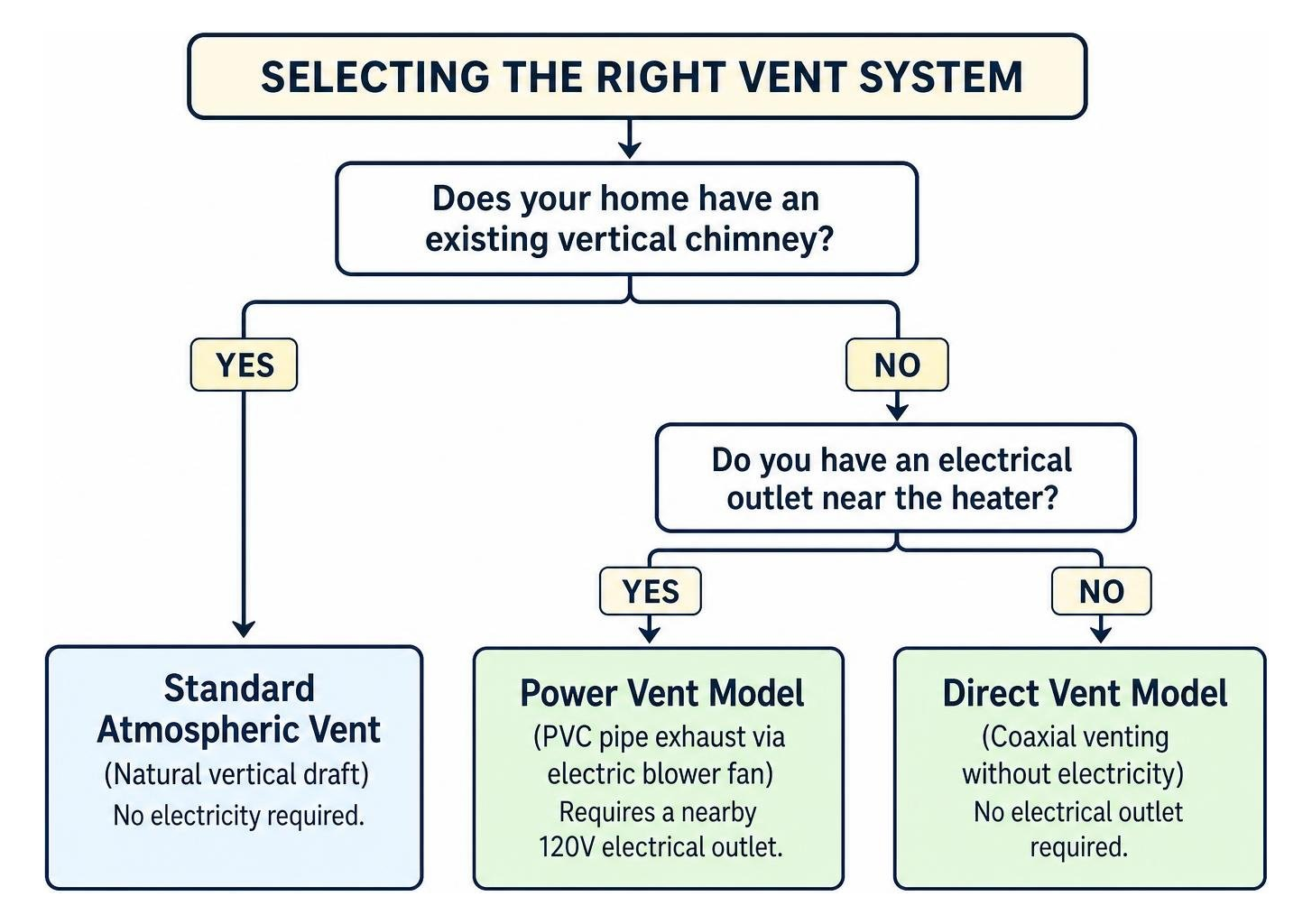
- Standard Atmospheric Vent: Relies on natural thermal buoyancy to send combustion exhaust upward through a vertical metal flue pipe or masonry chimney. It requires no electricity to operate.
- Power Vent: Uses an integrated electric blower motor to push exhaust gases horizontally through side-wall PVC, CPVC, or polypropylene pipes. This design is necessary when no chimney exists, though it requires a nearby 120V electrical outlet.
- Direct Vent / Condensing Systems: Pull outside air directly into a sealed combustion chamber and expel exhaust out the exterior wall. Condensing models squeeze maximum heat out of the flue gases, turning the exhaust cool enough to vent via simple plastic piping while producing condensate liquid that drains safely away.
Reviewing industry benchmarks on gas tank water heater replacement cost standards shows that venting configuration is consistently one of the biggest drivers of hardware pricing.
Breakdown of Labor, Permits, and Code-Required Upgrades
Plumbing labor accounts for roughly 25% to 40% of the complete invoice on a standard installation. Licensed plumbing technicians ensure fuel gas lines are properly sized, test for invisible leaks, confirm proper draft dynamics, and ensure the pressure relief system operates within safety limits.
To review industry-standard installation steps, see our professional installation guidelines for 2026.
Plumbing Labor and the Cost of Replacing 50 Gallon Gas Water Heater Tanks
A typical like-for-like replacement takes a two-person crew approximately three to five hours. This includes shutting off the fuel supply, draining 50 gallons of sediment-laden water, disconnecting existing lines, transporting the heavy tank, securing the new unit, and performing safety tests.
Additional labor factors include:
- Old Unit Haul-Away and Disposal: Responsibly recycling and disposing of an old, heavy water heater often carries a modest fee to cover transit and municipal recycling charges.
- Site Complexity and Access: Tight basements, crawlspaces, attic accesses, or utility closets with narrow clearances require extra maneuvering time and specialized handling equipment.
- Gas Flex and Water Line Connections: Replacing aging copper, galvanized pipe, or worn brass shutoffs with brand-new flexible stainless steel lines ensures clean, leak-free operation.
Understanding these trade variables reveals the cold truth about hot water tank installation when evaluating competing contractor estimates.
Code Compliance, Expansion Tanks, and Safety Upgrades
Plumbing codes are designed around fire safety, explosion prevention, and clean potable water protection. Municipalities regularly update code mandates, which means your replacement will likely need upgrades if your existing water heater is over a decade old.
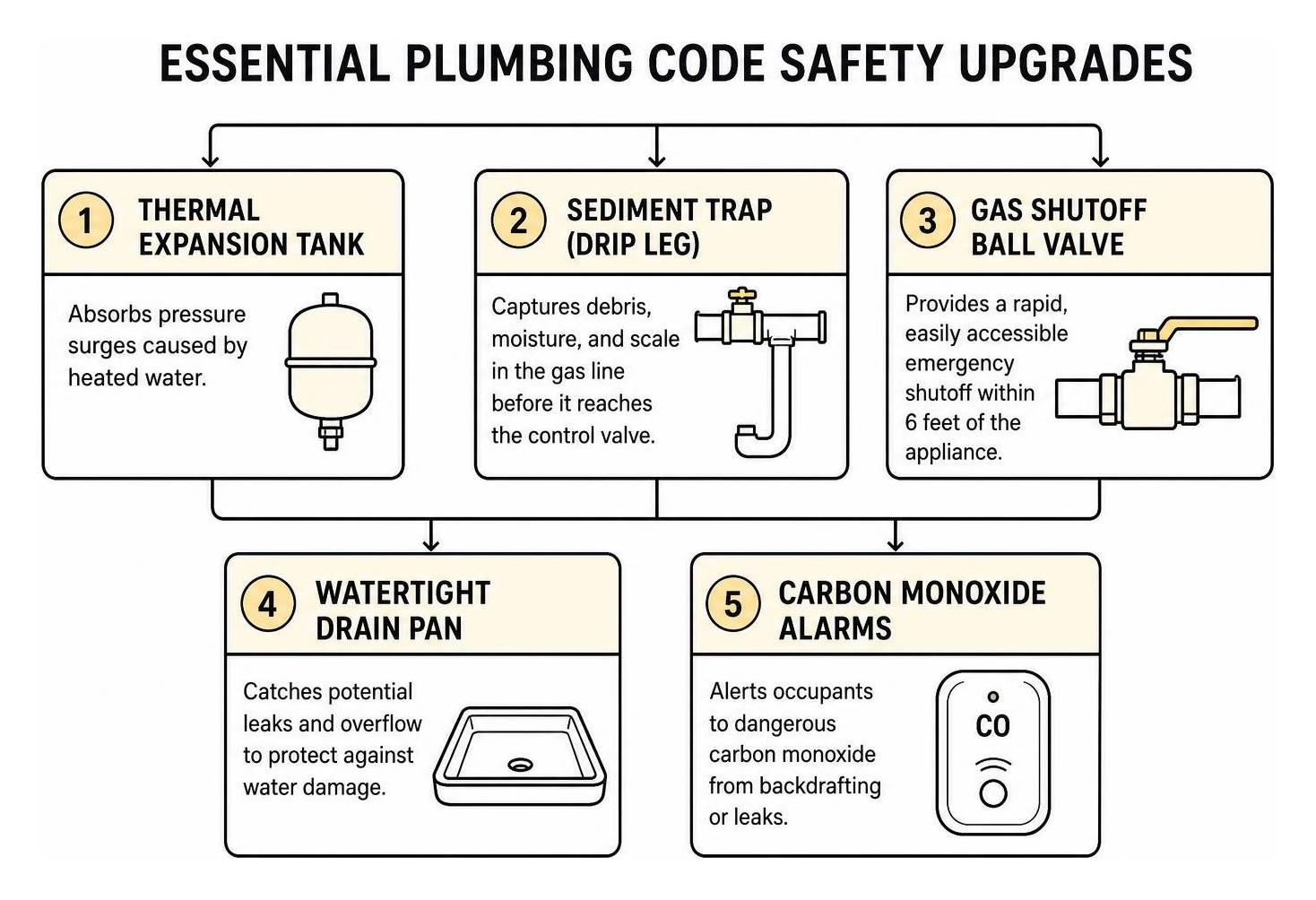
- Thermal Expansion Tanks: When water is heated, it expands. In modern closed-loop plumbing systems (which feature backflow preventers or check valves near the city meter), this expanded volume has nowhere to go. An expansion tank absorbs this thermal spike, preventing stress fractures in your plumbing and heater tank.
- Sediment Traps (Drip Legs): A small downstream pipe configuration that catches pipe scale, moisture, and debris in the gas line before it reaches the delicate gas control valve.
- Gas Shutoff Valves: Modern codes require a quarter-turn, easily accessible gas ball valve within six feet of the appliance.
- Permits and Municipal Inspections: Most municipalities require a plumbing permit for gas appliance installations. A municipal inspector visits the home after installation to verify code compliance, draft venting, and fuel line safety.
Regional Price Variations and Long-Term Operating Costs
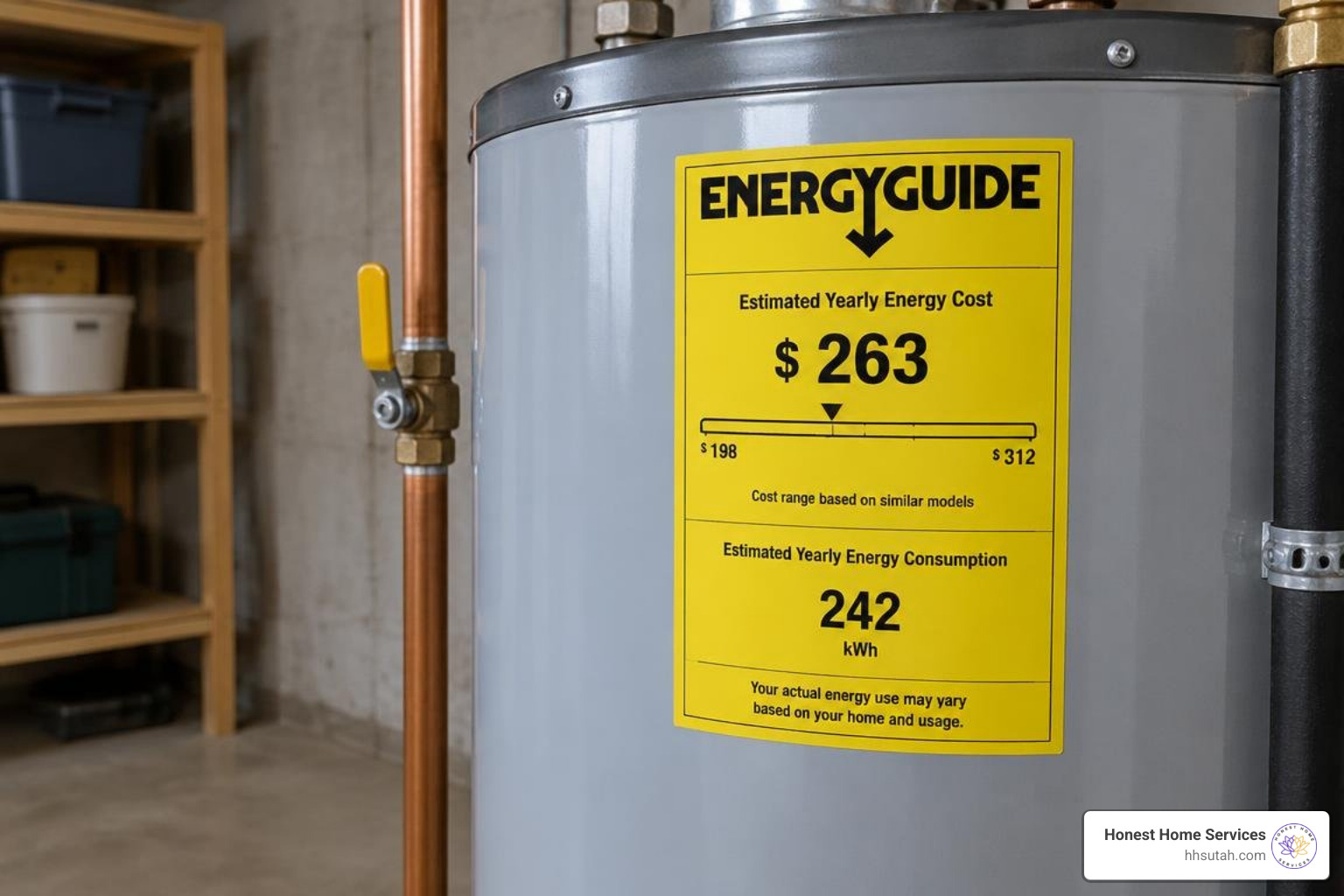
Labor rates and regulatory requirements vary substantially depending on local cost-of-living metrics and state mandates. For broad geographic context, examine state-by-state water heater cost data to see how regional labor rates and shipping logistics affect totals across the nation.
Operating costs should also factor into your decision. Natural gas remains one of the most cost-effective residential fuel sources, delivering significantly lower monthly utility bills compared to standard electric resistance water heaters.

Because a 50-gallon gas unit heats water rapidly using an active burner flame, it recovers hot water supplies much faster than electric elements during high-demand morning routines.
Tank Lifespan, Maintenance, and Energy Rebates
A standard atmospheric or power-vent gas storage heater provides an operational lifespan of 8 to 12 years. Proactive maintenance extends this lifespan significantly:
- Annual Tank Flushing: Draining sediment and mineral buildup from the bottom of the tank prevents the burner from overheating the lower steel shell, keeping heat transfer efficient.
- Anode Rod Inspection: Sacrificial anode rods (made of magnesium or aluminum) intentionally corrode to protect the tank’s internal steel lining from rust. Replacing this rod every three to five years can double the lifespan of your tank.
- Temperature & Pressure Relief (T&P) Testing: Tripping the lever once a year verifies that the safety valve releases freely and seats cleanly without dripping.
Upgrading to high-efficiency or Energy Star-qualified units can also make you eligible for local gas utility rebates and federal energy efficiency tax credits, lowering your net investment.
Tank vs. Tankless: Is Upgrading from a 50-Gallon Tank Worth It?
If your household regularly runs out of hot water, you may consider switching from a traditional 50-gallon storage tank to an on-demand tankless water heater.
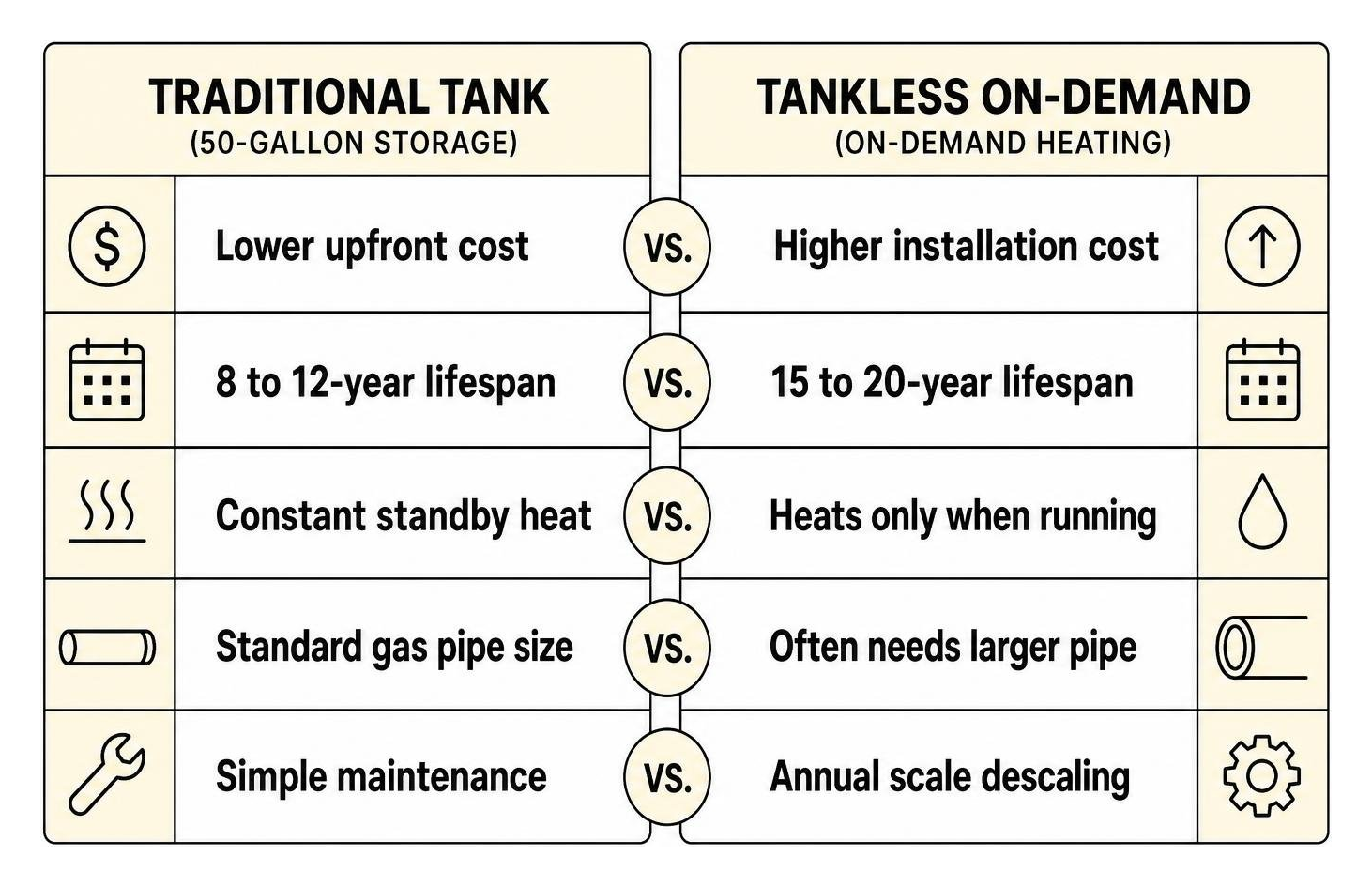
- Installation Requirements: Tankless systems burn gas at a significantly higher rate (BTUs) to heat water instantly. This frequently requires upgrading your gas supply lines and installing dedicated venting pipes through an outside wall.
- Operational Payoff: Tankless water heaters eliminate standby heat loss, saving money on your monthly gas bill. With a lifespan of 15 to 20 years, they last nearly twice as long as traditional tanks, making them a great option for homeowners planning to stay in their homes long term.
Frequently Asked Questions about Gas Water Heater Replacement
How long does it take a professional to replace a 50-gallon gas water heater?
A straightforward like-for-like replacement generally takes 3 to 5 hours. Complex installations that involve running new power-vent lines, relocating the unit, or resizing undersized gas piping may take 6 to 8 hours.
Can a homeowner legally install a gas water heater to save on labor?
While some rural areas permit DIY gas work, most jurisdictions require a licensed plumbing or gas-fitting professional. Improper installations carry severe risks, including carbon monoxide leaks, gas leaks, and water damage. In addition, unpermitted DIY work can void manufacturer warranties and create issues with homeowners insurance coverage in the event of an accident.
When should I repair versus replace my existing 50-gallon gas water heater?
If your water heater is under 8 years old and has a failed thermocouple, bad gas valve, or faulty relief valve, a repair is usually the most cost-effective route. However, if the tank itself is over 10 years old, shows signs of rust along the bottom, or has a leaking internal vessel, replacement is the safest and most practical choice.
For detailed diagnosis and component estimates, browse our detailed guide to water heater repair costs.
Conclusion
Replacing your water heater is an essential investment in your home’s comfort and safety. Taking the time to understand hardware differences, venting styles, and code-required upgrades ensures you can budget accurately without being caught off guard by unexpected line items.
When planning your project, explore the long-term advantages of water heater replacement to see how a modern, energy-efficient system can lower your utility bills and keep hot water running reliably for years to come. Honest Home Services provides honest, reliable, and affordable plumbing and HVAC services across Northern Utah. Our licensed technicians provide transparent quotes and code-compliant installations backed by our satisfaction guarantee. Contact us today to schedule your consultation!