

The Unwelcome Intruder in Your Home
Sewage backup repair is a critical emergency service that involves stopping the source of contamination, safely cleaning and disinfecting affected areas, removing damaged materials, and fixing the underlying plumbing issue—whether it’s a clog, broken pipe, or tree root intrusion. Here’s what you need to know right away:
Immediate Actions:
- Stop using all water (toilets, sinks, showers)
- Evacuate vulnerable people (children, elderly, immunocompromised)
- Call a licensed plumber to fix the blockage or pipe issue
- Contact a professional restoration company for biohazard cleanup
- Document damage with photos for insurance claims
Common Causes:
- Tree roots infiltrating sewer lines
- Grease and solid waste blockages
- Collapsed or broken pipes
- City sewer main backups
A foul odor wafting through your home. Gurgling drains. Water backing up where it absolutely shouldn’t. These are the first signs of a homeowner’s nightmare—a sewage backup. This isn’t just a messy inconvenience; it’s a serious biohazard that can cause extensive property damage and pose significant health risks to your family.
Each year, thousands of homes and businesses across North America experience this crisis due to aging infrastructure, severe weather, or clogged pipes. The sewage water contains dangerous bacteria, viruses, and parasites that can cause severe illnesses like hepatitis A, giardia, and tetanus. The longer contaminated water remains in your home, the higher the risk of irreversible harm to building materials and your health.
Understanding the causes, knowing the immediate steps, and learning about repair options is critical to protecting your family and your property. This guide will walk you through everything you need to know about tackling home sewer and sewage backup repair—from spotting the warning signs to understanding the professional cleanup process, repair methods, and preventative measures you can take.
As Honest Home Services, we’ve been helping Northern Utah homeowners and businesses tackle sewage backup repair and mainline issues for over 20 years, providing 24/7 emergency response and licensed, experienced service. We understand how stressful and hazardous these situations are, which is why we’re committed to transparent pricing, quality workmanship, and getting your home back to safe, clean condition as quickly as possible.
Spotting the Signs and Understanding the Causes
It’s crucial to recognize the early warnings of a sewer line problem before it escalates into a full-blown emergency. If you notice these signs, your main sewer line is likely crying for help.
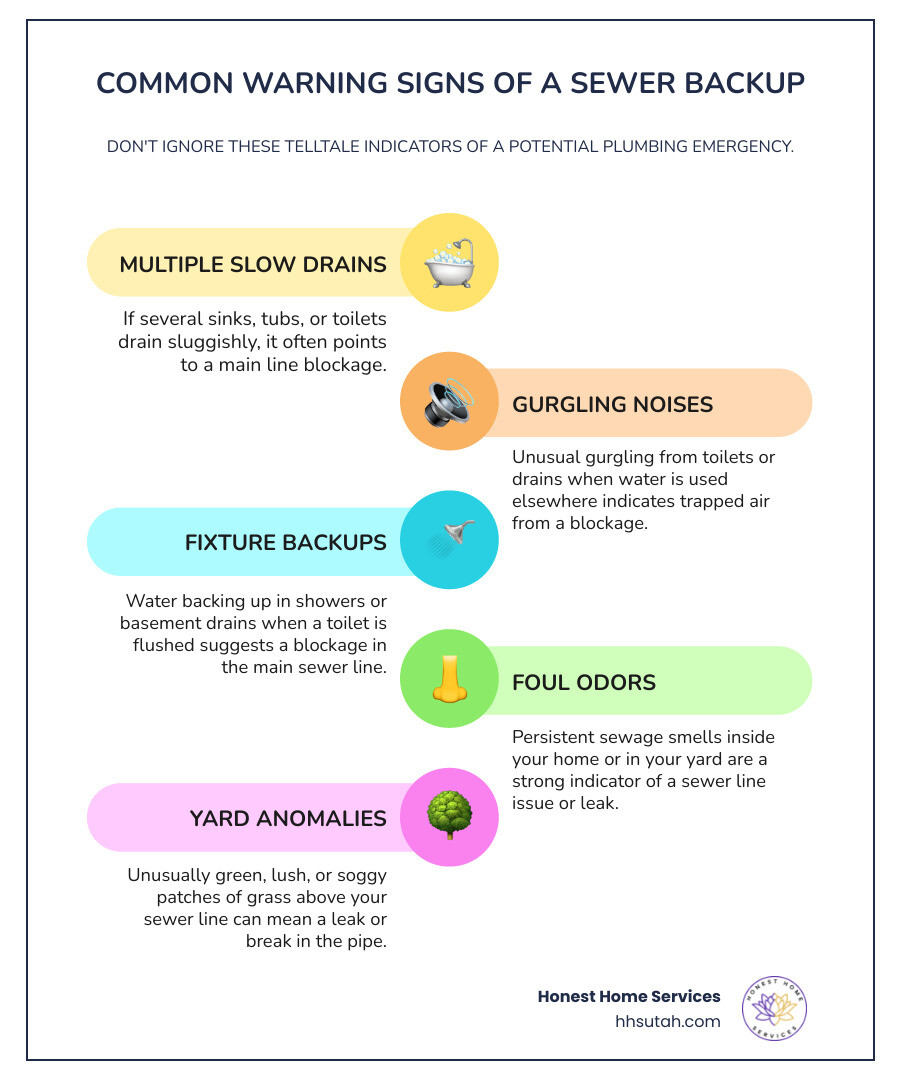
Telltale Signs of a Brewing Backup
Before the main event, your plumbing system often sends out distress signals. Ignoring them can turn a fixable issue into a disaster. Here are the telltale signs we often see:
- Multiple Slow Drains: If more than one drain in your home—like your kitchen sink, bathroom sink, and shower—is draining slowly, it’s a strong indicator of a blockage in the main sewer line, not just a localized clog.
- Gurgling Sounds: Hearing gurgling noises from your toilets or drains, especially when another fixture is in use (like a washing machine or shower), means air is trapped in your plumbing system due to a blockage.
- Water Backing Up in Low-Level Fixtures: When you flush a toilet and water backs up in your basement floor drain, shower, or tub, it’s a classic sign that the main line is obstructed. The water has nowhere else to go but up the path of least resistance.
- Foul Sewage Odors: A persistent, unpleasant odor of sewage indoors or in your yard is a clear warning sign. This indicates that wastewater isn’t flowing correctly and is trapped somewhere it shouldn’t be.
- Soggy or Unusually Green Patches of Grass: If you notice unusually lush, green, or soggy areas in your yard, particularly above where your sewer line runs, it could mean a leak or rupture in the pipe is enriching the soil with wastewater.
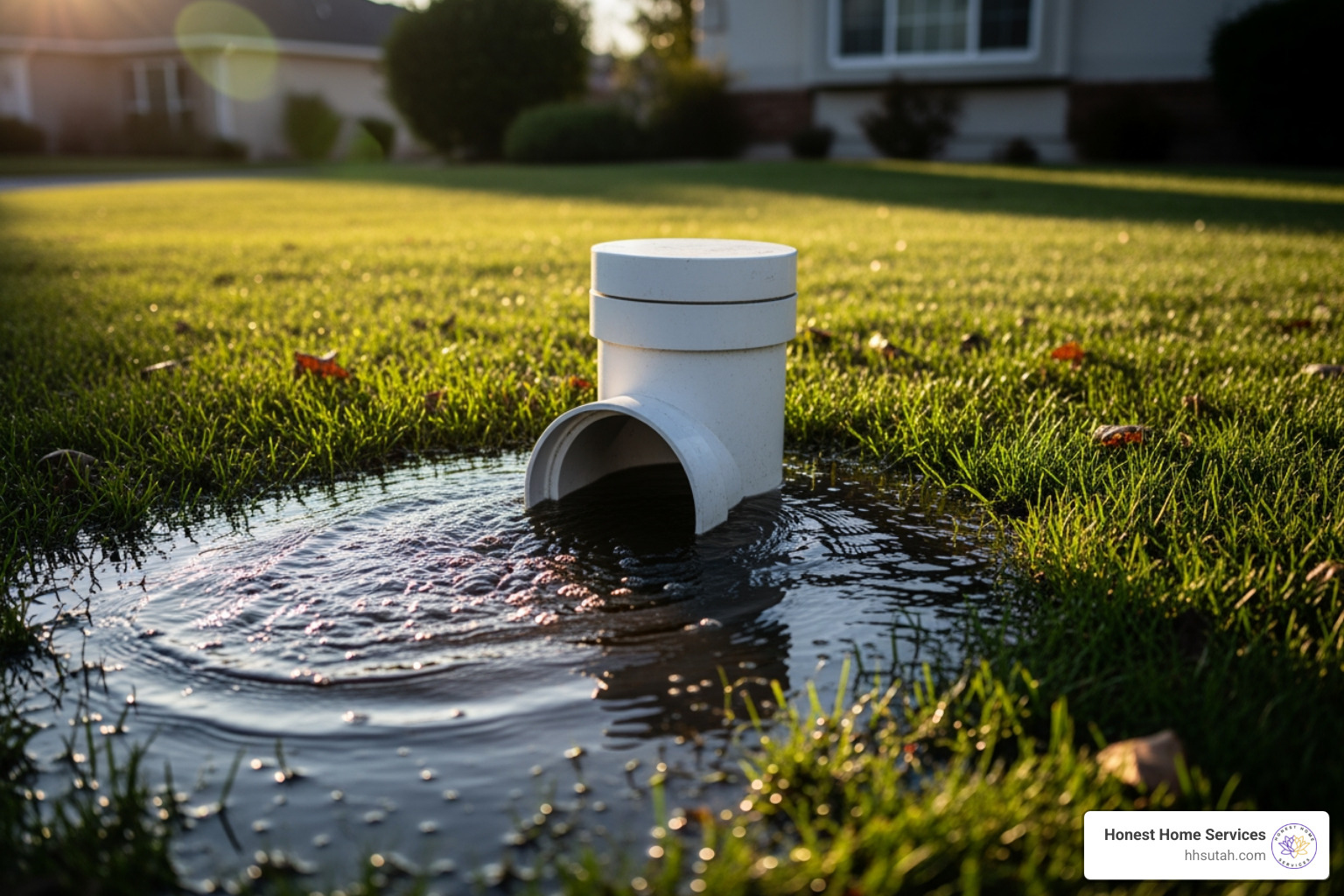
- Sewage Visible in Your Cleanout Pipe: Your sewer cleanout is a capped pipe, usually located outside your home, that provides direct access to your main sewer line. If sewage or wastewater is overflowing from this pipe, you have an active backup.
These signs are more than just nuisances; they’re calls to action. For a deeper dive into diagnosing plumbing issues, you might find our guide on 6 Telltale Signs You Need a Camera Drain Inspection helpful.
Common Culprits Behind Sewer Backups
Understanding why these backups occur is the first step in preventing them. From what we’ve seen across Salt Lake City and Northern Utah, these are the most frequent causes:
- Solid Blockages: We’ve all been tempted to flush things that shouldn’t go down the drain. “Flushable” wipes, paper towels, feminine hygiene products, diapers, cotton swabs, and even excessive toilet paper can accumulate and form stubborn blockages. These aren’t just an issue for your toilet; they can cause significant problems in the main sewer line.
- Grease Buildup: Pouring cooking grease, fats, and oils down the drain is a major no-no. While liquid when hot, they solidify as they cool, clinging to pipe walls and gradually narrowing the pipe’s diameter. Over time, this creates a sticky, impenetrable clog that can trap other debris.
- Tree Root Intrusion: Trees are beautiful, but their roots are relentless. They naturally seek out water and nutrients, and tiny cracks or loose joints in your sewer pipes are an open invitation. Once inside, they grow, forming dense masses that block the flow of wastewater and can even crack or crush the pipes themselves. This is particularly common in older homes with clay or cast iron pipes.
- Aging or Collapsed Pipes: Just like everything else, sewer pipes don’t last forever. Older pipes, often made of clay, cast iron, or Orangeburg, can corrode, crack, sag (creating a “pipe belly” where waste collects), or even collapse due to shifting soil, heavy vehicle traffic, or simply old age. This can lead to significant blockages and require extensive repairs. Our article on Common Plumbing Problems in Older Homes and How to Fix Them covers this in more detail.
- Heavy Rainfall Overwhelming City Mains: While less common for direct backups into your home’s private sewer line, extreme weather events and heavy rainfall can sometimes overwhelm municipal sewer systems. When the public sewer lines can’t handle the volume, it can cause wastewater to back up into homes through their lowest openings, like basement drains.
- Improper Items Flushed: We can’t stress this enough – only flush human waste and toilet paper! Even items labeled “flushable” can wreak havoc on your plumbing and the municipal system.
A Backup Strikes: Your Immediate Action Plan
When sewage is backing up into your home, every second counts. Your immediate actions can significantly reduce health risks and property damage. Safety must be your number one priority.
Step 1: Prioritize Safety and Stop Water Use
A sewage backup is a biohazard. Untreated wastewater is teeming with bacteria, microbes, viruses, and parasites that can cause severe illnesses, respiratory infections, skin rashes, and allergic reactions.
- Evacuate Vulnerable Individuals: If the flooded area cannot be isolated, immediately remove children under 2, adults over 60, and anyone with respiratory ailments or weakened immune systems from the premises.
- Avoid Contact with Sewage Water: Do not wade into the water. Never expose bare skin to sewage. Wear protective gear if you absolutely must approach the affected area (boots, gloves, mask).
- Turn Off Electricity to Affected Areas If Safe: Water and electricity are a dangerous combination. If it’s safe to do so and you can avoid standing in water, turn off circuit breakers to the affected areas and unplug electrical appliances. If not, call your utility company immediately.
- Stop All Water Use: This is critical. Do not flush toilets, run sinks, showers, or washing machines. Every drop of water you use will only add to the backup.
- Do Not Attempt DIY Cleaning with Bleach: While bleach kills germs, it does not remove or kill the contamination from black water. It may clean stains, but the underlying contamination will still pose significant health risks.
For a comprehensive guide on handling plumbing emergencies, check out What to Do in a Plumbing Emergency: A Complete Guide.
Step 2: Call for Professional Help
Once safety is addressed, it’s time to call in the experts. You’ll likely need two types of professionals:
- Contact an Emergency Plumber: Your first call should be to a licensed plumber to address the source of the backup. Our team at Honest Home Services offers 24/7 emergency plumbing services throughout Northern Utah. We can diagnose the problem, whether it’s a simple clog or a more complex pipe issue, and get to work on the repair. For immediate assistance, search for an Emergency Plumber Salt Lake.
- Contact Your City’s Public Works Department: If the backup seems to be affecting multiple homes or is clearly coming from the street, contact your local city’s public works or sanitation department. They can determine if the issue is with the municipal sewer main, which is their responsibility.
- Contact Your Insurance Provider: As soon as the situation is under control, notify your homeowners insurance company. Document the damage with photos and videos before any cleanup begins. This will be crucial for your claim.
Step 3: Contain the Spill and Ventilate
While waiting for professionals, take steps to prevent further spread and mitigate odors:
- Close Doors to the Affected Area: This helps contain the airborne contaminants and odors.
- Open Exterior Windows for Ventilation: If it’s safe to do so, open windows to air out the space. This improves air quality and can help reduce humidity.
- Place Old Towels to Block Seepage Under Doors: Use old towels or rags to create a barrier and prevent the sewage from spreading to other unaffected areas of your home.
- Do Not Use Household Fans That Could Spread Contaminants: While ventilation is good, using fans can aerosolize sewage particles, spreading harmful bacteria and viruses further throughout your home.
The Professional Fix: Cleanup and Sewage Backup Repair
Once the immediate danger is contained, the focus shifts to cleanup and repair. This is a two-part process that often requires different specialists: a plumber to fix the cause and a restoration company to handle the hazardous cleanup.
The Cleanup Process: Decontamination and Restoration
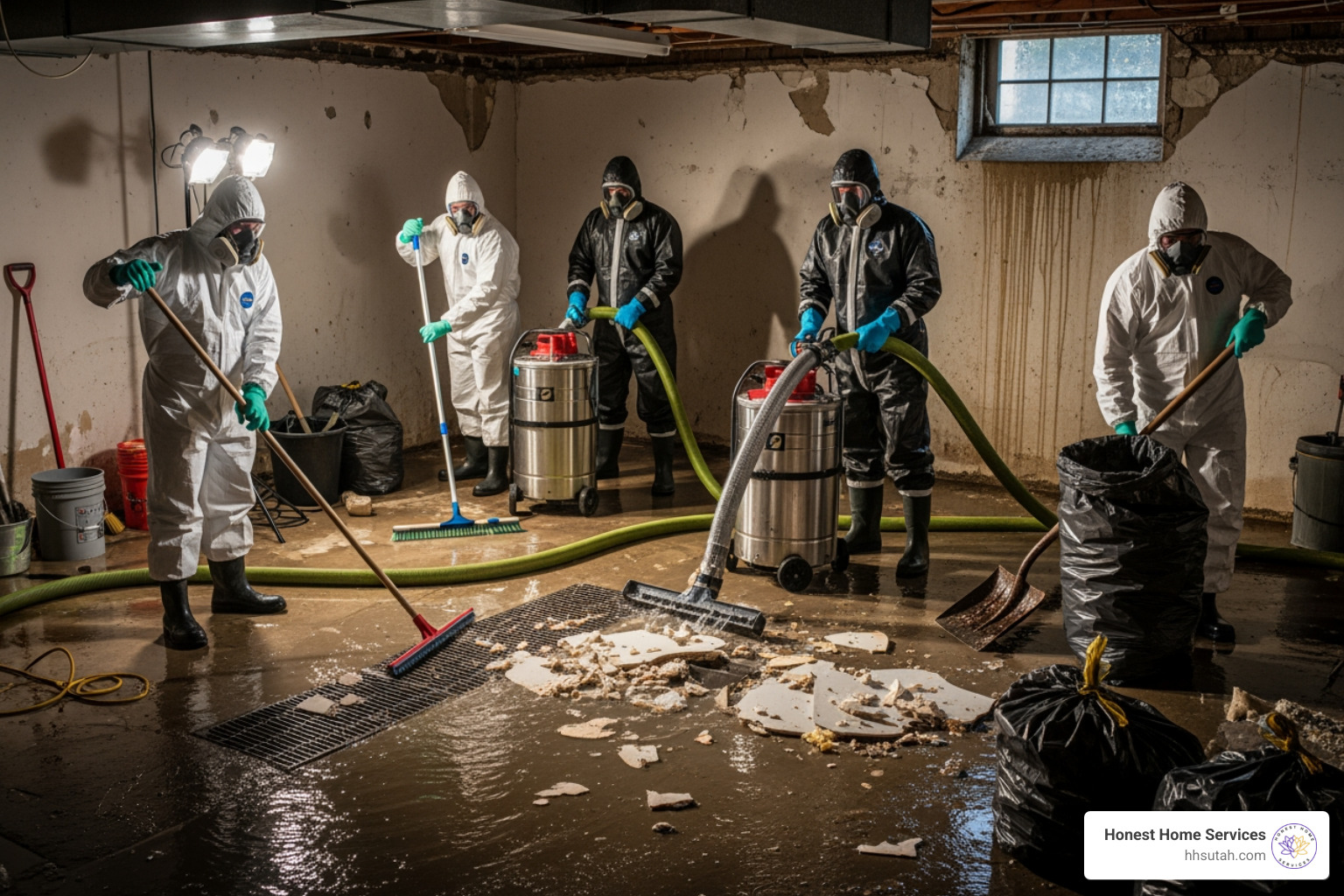
This isn’t just mopping up water; it’s a thorough, multi-step process to ensure your home is safe and healthy again.
- Water Extraction: Professionals use industrial-grade pumps and vacuums to quickly remove standing sewage water. The faster this happens, the less damage and contamination occurs.
- Removal of Contaminated Materials: Unfortunately, porous materials that have come into contact with sewage—like carpeting, padding, drywall, insulation, upholstered furniture, mattresses, and even some wood—are often unsalvageable and must be safely removed and disposed of. This is because microorganisms can penetrate deep into these materials, making complete decontamination impossible. Hard, non-porous surfaces, however, can often be salvaged.
- Sanitization and Disinfection: Once contaminated materials are removed, all affected surfaces (floors, walls, structural elements) are thoroughly cleaned and disinfected using EPA-approved antimicrobial treatments. This step is crucial to eliminate harmful bacteria, viruses, and pathogens.
- Drying and Dehumidifying: High-powered air movers and industrial-strength dehumidifiers are strategically placed to dry out the affected areas completely. This process is carefully monitored to prevent secondary issues like mold growth, which can start rapidly in moist environments.
- Odor Removal: Sewage leaves behind incredibly unpleasant odors. Advanced deodorization techniques, such as thermal fogging or ozone treatments, are used to neutralize lingering smells at their source, not just mask them.
- Structural Repairs and Reconstruction: After cleanup and drying, any damaged structural elements (like subflooring, wall studs, or drywall) are repaired or replaced. This restores your home to its pre-loss condition.
- Mold Prevention: Throughout the process, steps are taken to prevent mold. Proper drying and disinfection are key, and sometimes antifungal treatments are applied.
Methods for Sewage Backup Repair
While restoration companies handle the cleanup, we at Honest Home Services tackle the root cause of the backup. Our licensed plumbers use a variety of methods to repair your sewer line:
- Drain Snaking/Augering: For relatively simple clogs close to the drain opening, a plumbing snake (or auger) can be used to break up or retrieve the obstruction. This is often effective for hairballs or small foreign objects.
- Hydro Jetting: This is a powerful and highly effective method for clearing tough blockages. Hydro jetting uses a specialized hose that blasts high-pressure water (up to 4,000 PSI!) through your pipes, scouring away grease buildup, mineral deposits, and even tree roots. It cleans the entire pipe diameter, making it more difficult for clogs to form again quickly. To learn more about when this service is needed, check out 5 Signs You Need Hydro Jetting for Your Drains.
- Pipe Repair/Replacement: For more severe issues like broken, collapsed, or severely corroded pipes, repair or replacement is necessary.
- Traditional Trenching: This involves excavating a trench to access the damaged section of the pipe, replacing it, and then backfilling the trench. While disruptive, it’s often necessary for completely collapsed pipes or when a large section needs replacing.
- Trenchless Repair: Modern technology offers less invasive options. Methods like pipe lining (inserting a new, cured-in-place pipe inside the old one) or pipe bursting (pulling a new pipe through the old one while fracturing the old pipe) can repair or replace lines with minimal digging. This saves your landscaping and reduces disruption. For expert pipe solutions, explore our Salt Lake City Pipe Repair services.
- Camera Inspection: Before any major repair, a sewer camera inspection is almost always performed. A small, waterproof camera is fed into your sewer line, allowing us to see the exact location and nature of the problem—be it roots, a crack, a sag, or a blockage. This precise diagnosis ensures we recommend the most effective and efficient repair. Our Camera Drain Inspection service is invaluable for this.
Understanding the Costs of Sewage Backup Repair
The cost of sewage backup repair can vary significantly based on several factors:
- Extent of Damage: A minor backup affecting only a small, non-porous area will be far less expensive to clean and repair than a backup that floods a finished basement with carpet, drywall, and furniture.
- Repair Method: Clearing a simple clog with an auger is relatively inexpensive. Hydro jetting costs more but is highly effective. Trenchless pipe repair can be more costly upfront than traditional trenching, but it often saves money on landscaping restoration.
- Cleanup Level Required: Professional biohazard cleanup is expensive due to the specialized equipment, protective gear, and hazardous waste disposal involved. The longer sewage sits, the more extensive and costly the cleanup becomes.
- Insurance Coverage: As we’ll discuss, standard homeowners insurance often doesn’t cover sewage backups, which means you might be bearing the full cost out-of-pocket unless you have a specific rider.
- Typical Cost Ranges: While it’s difficult to give exact figures without an assessment, a simple clog could be a few hundred dollars. A major main line repair with extensive cleanup and restoration could easily run into several thousands or even tens of thousands of dollars.
We at Honest Home Services believe in transparent pricing. We’ll provide a clear estimate before we begin any work, so you understand the costs involved.
Preventing Future Mainline Mayhem
The best way to deal with a sewage backup is to prevent it from ever happening. Proactive maintenance and smart habits can save you thousands of dollars and immense stress.
Proactive Home Maintenance
Regular maintenance is your best defense against plumbing nightmares.
- Preventative Drain Cleaning: Regular drain cleaning, whether DIY or professional, can keep your pipes flowing freely. Avoiding chemical drain cleaners (which can damage pipes) and opting for professional solutions like hydro jetting can prevent buildup. Our Preventative Drain Cleaning Tips Every Homeowner Should Know offers great advice.
- Proper Grease Disposal: Never pour grease, fats, or oils down your drain. Scrape them into a disposable container, let them solidify, and then throw them in the trash. Wipe greasy pans with a paper towel before washing.
- Only Flush Human Waste and Toilet Paper: This cannot be emphasized enough. Even products labeled “flushable” can cause significant problems. Dispose of all other items—wipes, feminine products, cotton balls, dental floss, cigarette butts—in the trash.
- Regular Plumbing Inspections: Schedule annual or biennial plumbing inspections with a trusted professional. We can identify potential issues like tree root intrusion or pipe corrosion early on, before they escalate into costly backups. This is part of The Ultimate Guide to Plumbing Maintenance in Your Home.
- Be Mindful of Landscaping: When planting trees or shrubs, consider their root systems and keep them a safe distance from your sewer lines.
Installing a Backwater Valve
A backwater valve is an incredibly effective device, especially for homes with basements, that can prevent sewage from backing up into your home during a municipal sewer overflow.
- What is a Backwater Valve? It’s a one-way valve installed in your home’s main drain line, typically in the basement or crawl space. It allows wastewater to flow out of your home into the municipal sewer system, but it automatically closes if sewage starts to flow back towards your home.
- How it Works: During heavy rainfall or a city sewer main blockage, pressure can build in the municipal system, forcing sewage backward. The backwater valve senses this reverse flow and closes, preventing the sewage from entering your home. Once the pressure normalizes, the valve reopens.
- Benefits for Homes with Basements: Basements are particularly vulnerable to sewage backups because they are the lowest point in your home’s plumbing system. A backwater valve acts as a critical barrier, protecting your basement from costly and hazardous floods.
- City Rebate Programs: While specific rebates vary by municipality, some cities offer programs to help homeowners with the cost of installing backwater valves. We recommend checking with your local city government in Northern Utah (e.g., Salt Lake City, Layton, Orem) to see if any such programs are available.
- Professional Installation: A backwater valve must be installed correctly by a licensed plumber to function effectively. Our team can assess your home’s needs and ensure proper installation.
Homeowner vs. City Responsibility
Understanding who is responsible for a sewer line issue can save you time and frustration.
- Property Line Distinction: Generally, you, the homeowner, are responsible for the sewer lateral line that runs from your home to the municipal sewer main connection point (often at or near your property line). This includes any clogs, breaks, or root intrusions within that private lateral.
- City Sewer Main Issues: The city or municipality is responsible for the main sewer lines that run under streets and collect wastewater from multiple properties. If the blockage or issue is within this larger public system, it’s their responsibility to fix it.
- Who to Call First: If you suspect a sewage backup, we recommend calling a licensed plumber like Honest Home Services first. We can quickly determine if the problem is on your property or if it’s a municipal issue. If it’s the city’s responsibility, we’ll let you know, and you can then contact your local public works department. If it’s on your property, we’re already there to fix it!
- Understanding Local Ordinances: Responsibilities can sometimes have nuances based on local ordinances. It’s always good to be generally aware of your local city’s specific guidelines regarding sewer line maintenance and responsibility.
Frequently Asked Questions about Sewage Backup Repair
Can I clean up a sewage backup myself?
We strongly advise against attempting to clean up a sewage backup yourself. Sewage water is considered “black water” (Category 3 contamination) and contains dangerous bacteria, viruses, and parasites that pose severe health risks. Exposure can lead to respiratory infections, allergic reactions, skin infections, and gastrointestinal illnesses.
According to homeowner guidance documents, even seemingly minor spills require specific safety protocols and protective gear. Porous materials like carpet, padding, drywall, insulation, upholstered furniture, stuffed animals, mattresses, and books that have come into contact with sewage often cannot be adequately disinfected and must be professionally handled or discarded. While you might be able to clean very small spills on non-porous surfaces like concrete in an unfinished basement, it’s generally best to leave sewage backup repair cleanup to IICRC-certified professionals who have the right equipment, training, and biohazard disposal protocols.
Does homeowners insurance cover sewage backup damage?
This is a critical question, and the answer is often surprising to homeowners. Standard homeowners insurance policies typically do not cover damage caused by sewage backups. This is because standard policies usually cover damage from sudden, accidental events like burst pipes but often exclude damage from water that backs up through sewers or drains.
To be covered, you generally need to purchase a specific add-on or rider to your policy, often called “water backup and sump pump overflow” coverage. This rider specifically covers damage from water that backs up from sewers or drains, or overflows from a sump pump. We always recommend reviewing your insurance policy details carefully and speaking with your insurance agent to understand your specific coverage before an incident occurs. Documenting all damage with photos and videos immediately after a backup is also crucial for any claim you might file.
How long does the cleanup and repair process take?
The timeline for sewage backup repair and cleanup varies significantly depending on the severity of the backup, the extent of contamination, and the type of repair needed:
- Simple Clog Repair: If it’s a straightforward clog in your lateral line that can be cleared with snaking or hydro jetting, the plumbing repair itself might only take a few hours.
- Emergency Cleanup Phase: For a significant backup, the initial emergency cleanup phase—which includes water extraction, removal of contaminated materials, and initial disinfection—typically takes 1 to 3 days. This is the most urgent part to prevent further damage and health risks.
- Full Restoration and Reconstruction: If the backup caused extensive damage to building materials (drywall, flooring, etc.) that require removal, drying, and eventual rebuilding, the full restoration process can take a week or more. Factors like the size of the affected area, the type of materials damaged, and the need for specialized drying can extend this timeline.
Our team at Honest Home Services works efficiently to minimize disruption and get your home back to normal as quickly and safely as possible. We’ll provide a clear timeline estimate after our initial assessment.
Secure Your Home from Sewer Disasters
A sewage backup is a stressful and hazardous event, but with quick, informed action and professional help, you can restore your home to a safe and clean condition. By understanding the signs, causes, and preventative measures, you can protect your property from future mainline mayhem. We understand that this is never a convenient problem, but our goal is to make the solution as straightforward and stress-free as possible.
If you’re in Northern Utah and facing a plumbing emergency or want to schedule a preventative inspection, the licensed experts at Honest Home Services are ready to provide reliable, 24/7 support. We pride ourselves on honest service, fair pricing, and guaranteed customer satisfaction.
Take the first step toward a secure plumbing system by exploring our Salt Lake City Sewer Mainline Repair services today.