
Understanding Your Home’s Main Sewer Line
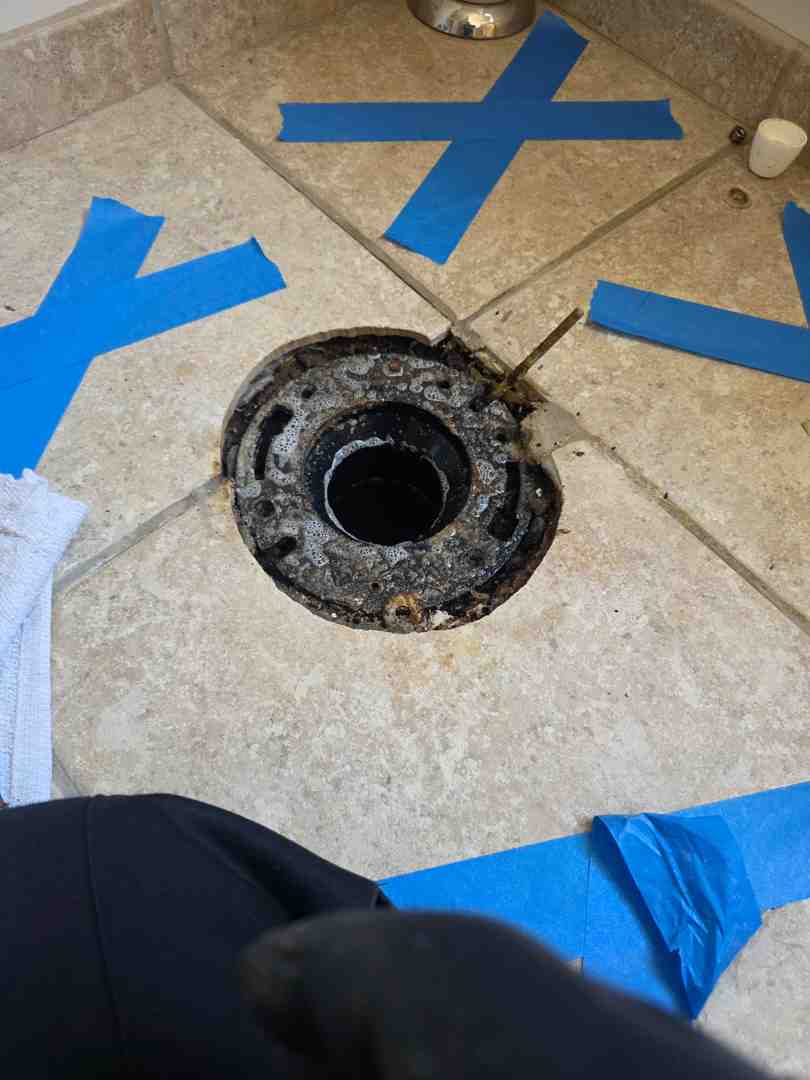
A plumbing clogged main line can quickly cause sewage to back up into your shower or toilets to stop flushing. Here’s what you need to know:
Quick Action Guide:
- Multiple drains backing up indicates a main line problem.
- Stop using water immediately to prevent overflow.
- Locate your sewer cleanout (typically outside near the foundation).
- Call a professional if sewage is backing into your home.
- DIY methods are only for minor clogs; main lines require expert tools.
Your main sewer line is the single pipe carrying all wastewater from your home—from every toilet, sink, and shower—to the municipal sewer or septic tank. A blockage in this line creates a whole-house plumbing crisis that needs immediate attention.
At Honest Home Services, we have over 20 years of experience clearing main line clogs for homeowners and businesses across Northern Utah. We can diagnose a plumbing clogged main line and restore flow quickly, often within 1-3 hours, using professional camera inspections and hydro jetting.
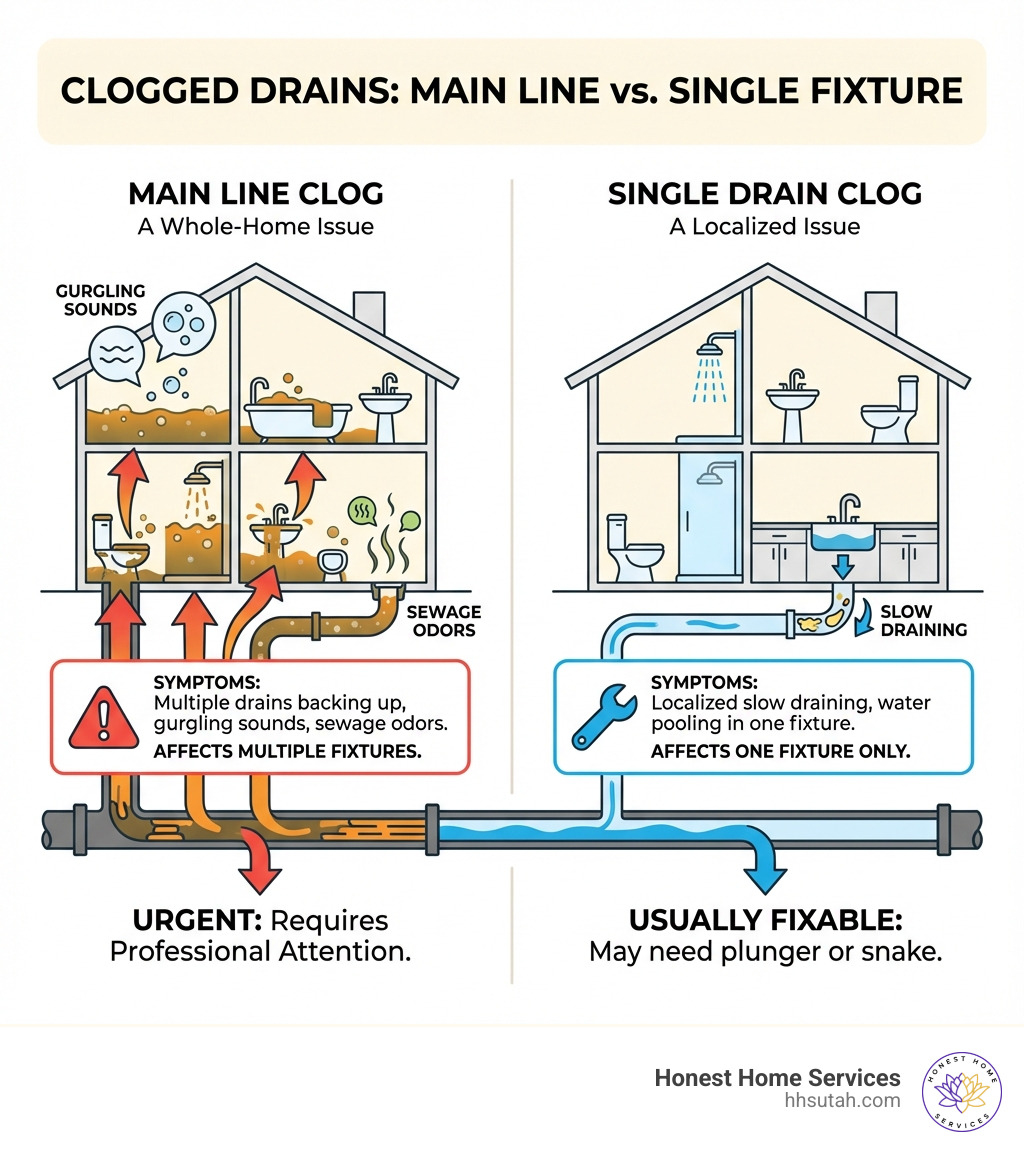
Is It Your Main Line? Telltale Signs of a Major Clog
Distinguishing between a minor drain clog and a severe plumbing clogged main line is crucial. A main line blockage can quickly become a messy and costly emergency. Here are the most common signs:
- Multiple Drain Backups: If water backs up in more than one fixture (e.g., kitchen sink and toilet), the main line is the likely culprit. The wastewater has nowhere to go and overflows into the lowest drains in your home, like a basement shower.
- Slow Draining Fixtures Throughout the House: If all your drains are sluggish, it suggests the main line is struggling. A single slow drain is a local issue; a house-wide slowdown points to a main line problem.
- Gurgling Sounds: Gurgling or bubbling noises from drains or toilets when using other fixtures indicate trapped air trying to escape past a blockage.
- Foul Sewer Odors: A persistent sewer gas smell from your drains is a red flag that wastewater and gases are trapped and backing up into your home.
- Water Backup in Showers/Tubs When Toilets Flush: If flushing a toilet causes water to back up into a nearby tub or shower, the main line is blocked downstream.
- Floor Drain Overflow: Sewage overflowing from a basement floor drain, especially after heavy water use like laundry, is a critical sign of a main line blockage.
- Toilet Water Level Changes: Unexpectedly high or low toilet water levels can signal a pressure change in your system caused by a main drain clog.
Ignoring these signs can lead to significant damage. For more signs, see our guide on Signs You Need Professional Drain Cleaning.
Less Obvious Symptoms to Watch For
Sometimes, a plumbing clogged main line reveals itself through more subtle signs. Catching these early can prevent a major emergency.
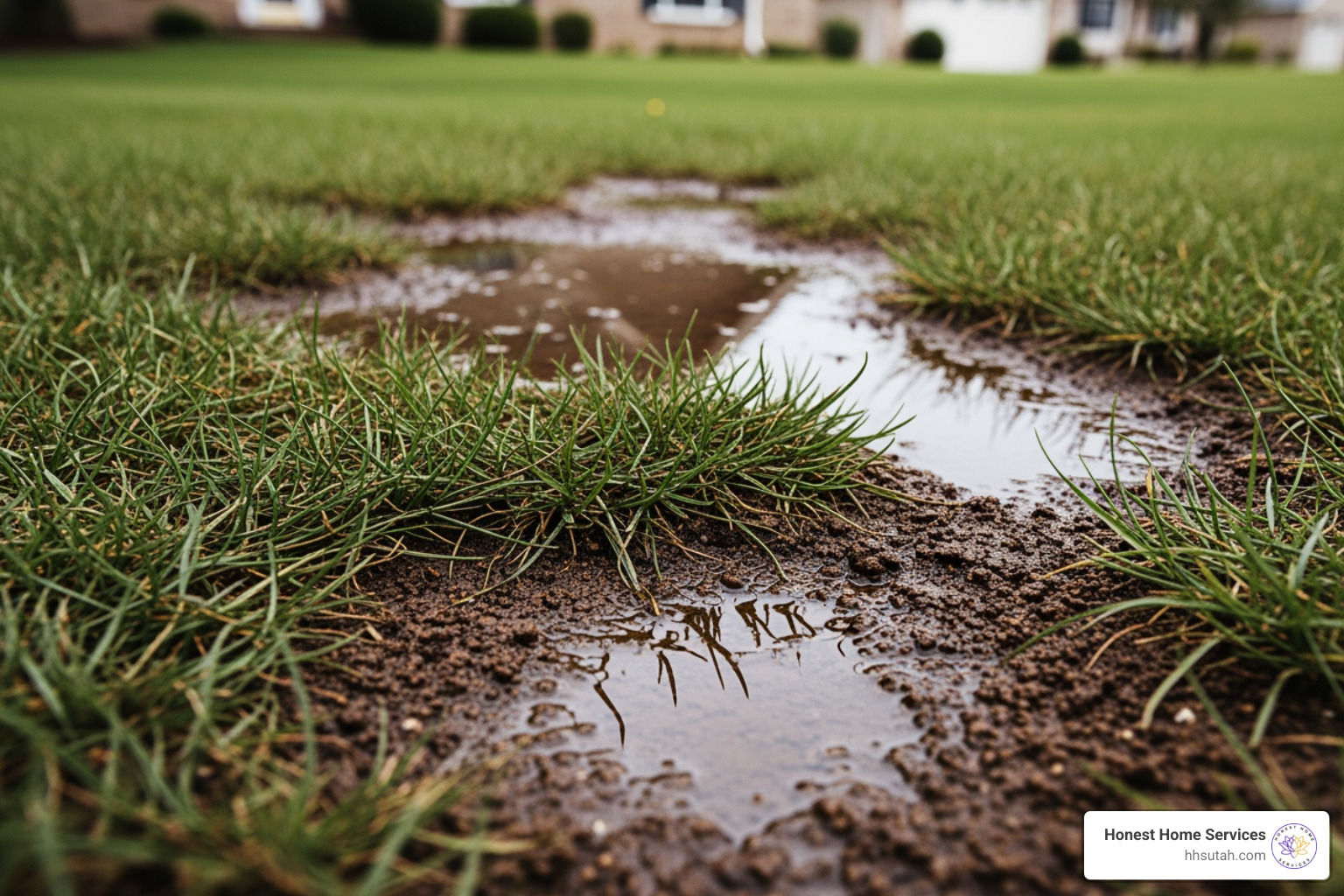
- Unexpected Yard Wet Spots: A soggy patch in your lawn without recent rain could be wastewater leaking from a damaged main sewer line beneath your property.
- Unusually Green Grass: A patch of lawn above your sewer line that is suddenly greener than the rest may be getting “fertilized” by a leaky pipe.
- Pest Problems: A sudden increase in pests like drain flies, cockroaches, or rodents can be linked to a sewer line issue, as they are attracted to the moisture and organic matter from leaks.
- Sudden Utility Bill Increases: An unexplained spike in your water bill might indicate a hidden leak or other issue related to pressure changes from a partial main line clog.
Being vigilant about these less obvious signs can save you from a major headache. For more insights, check out our article on Common Issues with Residential Plumbing.
Differentiating from a Minor Drain Clog
Knowing the difference between a minor clog and a plumbing clogged main line is key. A single affected drain points to a local clog, while multiple affected drains suggest a main line issue. A plunger might fix a small clog, but it won’t resolve a main line blockage and could even make things worse.
Here’s a quick comparison:
| Symptom | Single Drain Clog | Main Line Clog |
|---|---|---|
| Affected Fixtures | Only one (e.g., kitchen sink, bathroom sink, shower) | Multiple fixtures (toilets, sinks, showers, laundry) |
| Drainage Speed | Slow in one specific fixture | Slow in several or all fixtures |
| Gurgling Sounds | Rare or isolated to the affected fixture | Common in multiple drains, especially after use |
| Sewer Odors | Uncommon | Frequent, from multiple drains |
| Water Backups | Confined to the affected fixture | Backs up in multiple fixtures, often lower ones |
| Plunger Effectiveness | Often effective | Rarely effective; can push problem elsewhere |
| Yard Signs | None | Possible wet spots or greener grass |
| Utility Bill Impact | Minimal | Potentially increased water usage |
If your symptoms align with the “Main Line Clog” column, it’s time to call a professional.
The Culprits: What Causes a Plumbing Clogged Main Line?
A plumbing clogged main line is usually the result of several factors. Understanding these causes is the first step in prevention.
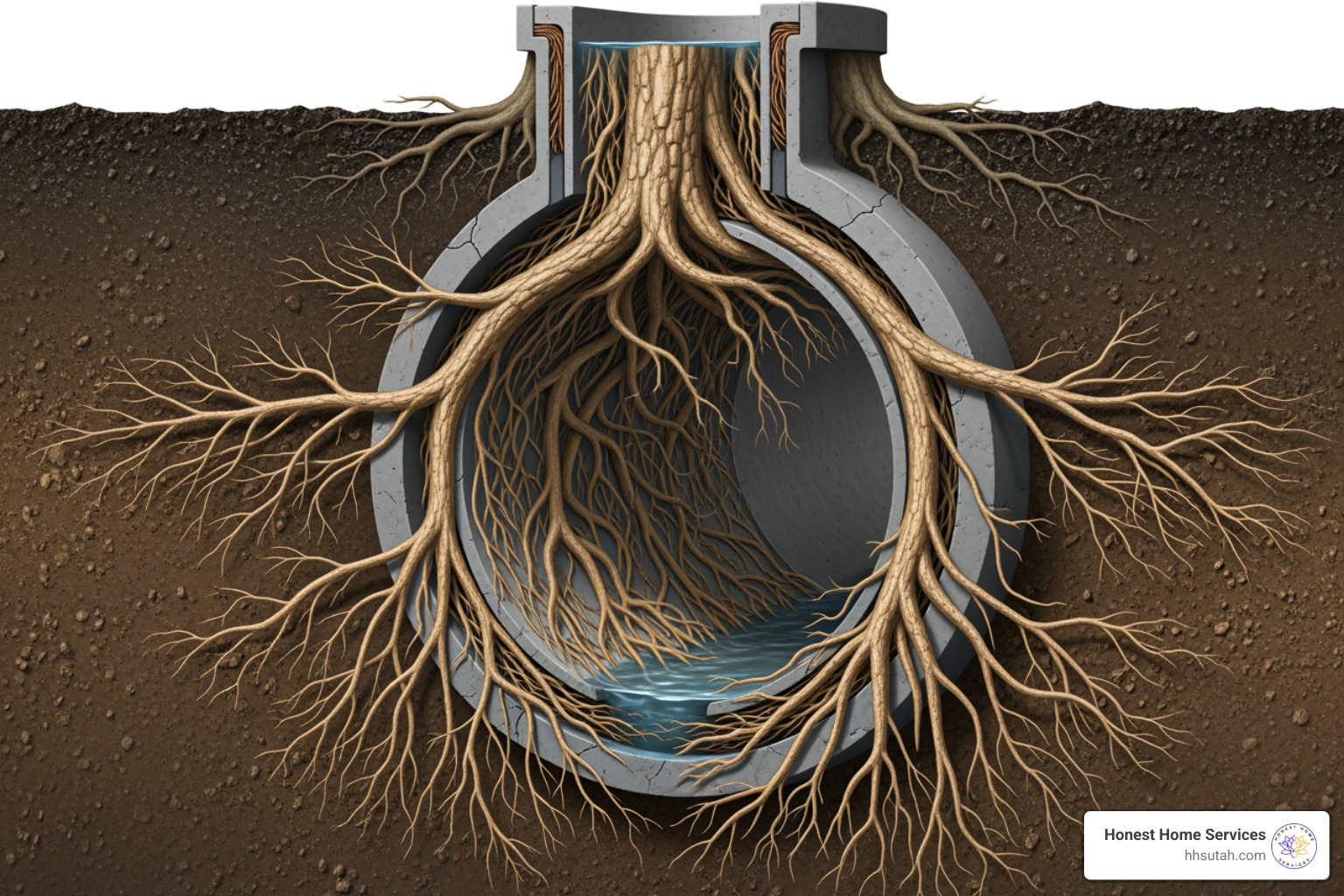
- Tree Root Intrusion: A leading cause, especially in homes with older clay pipes. Tree roots seek moisture and can infiltrate pipes through tiny cracks or loose joints. Once inside, they grow into a dense mass that catches debris and causes a complete blockage.
- Grease and Fats (FOG): Pouring fats, oils, and grease down the drain is a major cause of clogs. FOG cools and solidifies inside pipes, creating a sticky buildup that narrows the pipe and traps other debris, forming a stubborn blockage.
- Foreign Objects: Sewer lines are only designed for human waste and toilet paper. Flushing items like hygiene products, paper towels, cotton swabs, or dental floss will lead to clogs.
- Pipe Deterioration: Over time, pipes can corrode, crack, or sag (create a “belly”) due to age or ground shifts. This is common in older cast iron or clay pipes and leads to debris collection and recurring clogs.
- Scale Buildup: Hard water mineral deposits can build up inside pipes, reducing their diameter and making them more likely to clog.
The Truth About ‘Flushable’ Wipes
Despite the name, so-called “flushable” wipes are a primary cause of main line clogs. They do not break down like toilet paper.
- They Don’t Disintegrate: Most wipes are made of synthetic fibers that don’t dissolve in water.
- They Form Massive Clogs: Wipes accumulate with grease and other debris, creating dense, impassable blockages.
To protect your plumbing and prevent a costly plumbing clogged main line, remember to never flush the following items down your toilet:
- Paper towels
- Facial tissues
- Feminine hygiene products (tampons, pads)
- Cotton swabs or cotton balls
- Dental floss
- Hair (even small amounts)
- Diapers
- Prescription medications
- Kitty litter
- Cooking grease or oil (even if liquid)
The best way to combat these issues is through proactive measures. For more tips on keeping your drains clear, read our Preventative Drain Cleaning Tips Every Homeowner Should Know.
DIY vs. Pro: Tackling a Main Sewer Line Clog
A plumbing clogged main line is a serious issue. While some minor clogs are DIY-friendly, main line blockages usually require professional help. It’s crucial to understand the risks of DIY attempts.
Safety First: When attempting any DIY sewer line work, prioritize safety.
- Wear Protective Gear: Use heavy-duty gloves, eye protection, and old clothes to protect against wastewater bacteria.
- Shut Off Water: If sewage is backing up, turn off your main water supply immediately.
- Ensure Ventilation: Work in a well-ventilated area to avoid inhaling sewer gases.
- Avoid Chemicals: Chemical drain cleaners are often ineffective on main line clogs, can damage pipes, and pose health risks.
For more details on essential safety measures, always refer to expert advice, such as this guide on safe DIY plumbing fixes.
When to Call a Professional: If you see severe signs or your DIY efforts fail, it’s time to call the experts. Main sewer line clogs require specialized tools and expertise. To learn more, consult our guide on When to Call a Professional Plumber: The Ultimate Guide.
How to Attempt Unclogging a Plumbing Clogged Main Line Yourself
If you’re confident the clog isn’t severe, here’s how to attempt clearing a plumbing clogged main line via your sewer cleanout:
- Locate the Sewer Cleanout: Find the capped pipe (3-6 inches in diameter) outside your home near the foundation or in the basement. This is your access point.
- Open the Cleanout Cap: Place a bucket underneath and use a pipe wrench to slowly loosen the cap. Stand aside to avoid any sudden release of wastewater.
- Use a Plumbing Auger (Drain Snake): Use a heavy-duty auger designed for main lines. Feed the cable into the cleanout until you feel resistance. Turn the handle to break up or hook the clog, moving it back and forth gently. Do not force it. Retract the cable slowly.
- Flush the Line: After clearing the clog, run a garden hose into the cleanout for several minutes to flush away remaining debris.
- Test the Drains: Replace the cleanout cap securely. Test all drains and toilets to ensure they flow freely. If problems persist, the clog may not be fully cleared.
For more detailed instructions, you can refer to resources like How to Unclog the Main Household Drain. While DIY can be empowering, it’s crucial to know your limits. For a deeper dive, read our guide on DIY Plumbing: When to Tackle It Yourself and When to Call a Pro.
When to Immediately Call for Emergency Help
Some situations are too dangerous for a DIY approach. If you encounter any of the following, call Honest Home Services for emergency plumbing help in Salt Lake City and Northern Utah:
- Sewage Backing Into Your Home: If raw sewage is backing up into any drains, it’s a health hazard. Stop using water and call for emergency service.
- Visible Pipe Damage: If you see cracks or leaks in your sewer line, DIY attempts can cause more damage.
- DIY Attempts Fail: If your efforts don’t work or the problem returns quickly, the clog requires professional tools.
- Strong Sewer Gas Smell: A persistent, strong sewage odor can indicate a serious break or blockage and is a health risk.
- Signs of a Collapsed Line: A sudden dip in your lawn, new wet spots, or a complete blockage of all drains could mean your sewer line has collapsed.
In these moments, acting quickly can prevent extensive property damage. Learn more in our guide on How to Handle a Plumbing Emergency.
Professional Solutions: How Experts Clear a Clogged Main Line
When facing a stubborn plumbing clogged main line, professionals have the tools to clear it safely. At Honest Home Services, we handle the toughest clogs across Northern Utah.
Our process starts with a thorough assessment to find the clog’s cause and location. Most main line clogs can be cleared in 1-3 hours using advanced methods. For comprehensive services, check out our Salt Lake City Drain Cleaning options.
Camera Inspections and Motorized Augers
We use advanced diagnostic tools to fully understand the problem:
- Video Camera Inspection: We use a high-resolution camera to see inside your pipes. This non-invasive method helps us:
- Pinpoint Blockages: Accurately locate the clog and identify its cause (roots, grease, etc.).
- Assess Pipe Condition: Check for cracks, corrosion, or sags that could cause future problems.
You can learn more about this tool in our article, 6 Telltale Signs You Need a Camera Drain Inspection.
- Professional Motorized Augers: Our powerful motorized augers (drain snakes) have long, robust cables and specialized cutting heads to break through tough clogs like dense debris and roots.
Hydro Jetting: The Ultimate Clean
For the most stubborn clogs, hydro jetting is the most effective solution.
- High-Pressure Water Jets: Hydro jetting uses a specialized nozzle to blast highly pressurized water (up to 4,000 PSI) into your sewer line.
- Scouring Pipe Walls: Unlike an auger, which just punches a hole through a clog, hydro jetting scours the pipe walls, removing years of accumulated grease, scale, and debris.
- Effective on Grease and Roots: Hydro jetting is extremely effective against grease buildup and can even cut through and flush out tree roots.
- Restoring Flow: By cleaning the entire pipe interior, hydro jetting restores its original diameter and flow capacity, reducing the chance of future clogs.
To see hydro jetting in action and understand its benefits, watch this informative video from our drain experts. If you’re experiencing frequent clogs, hydro jetting might be the solution. Find more signs you could benefit from this powerful cleaning method in our article, 5 Signs You Need Hydro Jetting for Your Drains.
Frequently Asked Questions about a Plumbing Clogged Main Line
We understand a plumbing clogged main line brings up many questions. Here are answers to common concerns from homeowners in Northern Utah.
What are the consequences of ignoring a main line clog?
Ignoring a plumbing clogged main line can lead to severe consequences:
- Sewage Backup: Raw sewage can back up into your home, creating an unsanitary mess.
- Property Damage: Wastewater can ruin floors, walls, and furniture.
- Foundation Damage: Persistent leaks can saturate the soil and damage your home’s foundation over time.
- Health Hazards: Raw sewage contains harmful bacteria and pathogens.
- Mold Growth: The excess moisture encourages mold growth, which can cause respiratory issues.
- Higher Repair Costs: A simple clog can become a collapsed pipe, leading to much more expensive repairs like a full sewer line replacement.
Don’t let a minor issue become a catastrophe. For advice on handling emergencies, refer to our guide on What to Do in a Plumbing Emergency: A Complete Guide.
How do I know if the clog is my responsibility or the city’s?
This depends on the clog’s location. As a homeowner, you are typically responsible for the sewer lateral—the pipe running from your home to the city’s main sewer line in the street.
- Your Responsibility: Any clog in the sewer lateral, from your house to the city connection point, is yours to fix.
- City’s Responsibility: If the blockage is in the municipal sewer main itself (often indicated by multiple neighbors having issues), the city is responsible.
If you’re unsure, a professional camera inspection can pinpoint the clog’s location. If it’s a city issue, you’ll need to contact your local public works department.
How much does it cost to clear a main sewer line?
The cost to clear a plumbing clogged main line varies based on several factors:
- Average Cost: Clearing a main line with an auger typically costs a few hundred dollars. More advanced methods like hydro jetting will cost more but provide a more thorough cleaning.
- Factors Affecting Price: The cost depends on the clog’s severity, the method used (auger vs. hydro jetting), and the accessibility of the cleanout.
- Potential for Major Repairs: If the inspection reveals a collapsed or severely damaged pipe, repairs will be more extensive and costly. A full sewer line replacement can range from $3,000 to $25,000.
Addressing the problem promptly is the best way to avoid the highest costs. For an accurate estimate for your situation in Northern Utah, Get a Quote from Honest Home Services.
Conclusion
A plumbing clogged main line is more than just an inconvenience—it’s a critical issue that demands your immediate attention. We’ve walked through the key signs, from obvious multiple backups and gurgling drains to less obvious yard wet spots and pest problems. Understanding these indicators is your first line of defense against potential disaster.
While some minor clogs can be addressed with careful DIY methods, the limitations and risks associated with tackling a main line blockage yourself are significant. For anything beyond the simplest of clogs, or if you’re uncomfortable with the process, the benefits of professional help far outweigh the risks of a botched DIY attempt.
At Honest Home Services, we pride ourselves on providing honest, reliable, and affordable plumbing services across Northern Utah, including Salt Lake City, Davis County, and all surrounding areas. Our local, expert technicians are equipped with advanced tools like camera inspections and hydro jetting to accurately diagnose and efficiently clear your main line, ensuring guaranteed customer satisfaction. Don’t let a main line clog flood your home and your peace of mind.
If you suspect a plumbing clogged main line in your home, don’t wait for the problem to escalate. Contact Us for Salt Lake City Sewer Mainline Repair today, and let our experienced team restore your home’s plumbing to perfect working order.