

A functioning furnace is one of those things you don’t think about until it stops working, usually on the coldest night of the year. That sudden silence, followed by a creeping chill, can be more than just an inconvenience; it can be a genuine emergency. Many homeowners find themselves caught off guard, facing unexpected repair bills and shivering through cold nights while waiting for a technician.
Understanding the common issues that can plague your heating system is the first step toward preventing a mid-winter crisis. From simple fixes to signs of a more serious problem, knowing what to look for can save you time, money, and discomfort. This guide will walk you through the most frequent furnace problems and explain how regular maintenance can keep your home warm and safe all season long. With a little proactive care, you can ensure your furnace operates reliably when you need it most.
Dirty or Clogged Filters
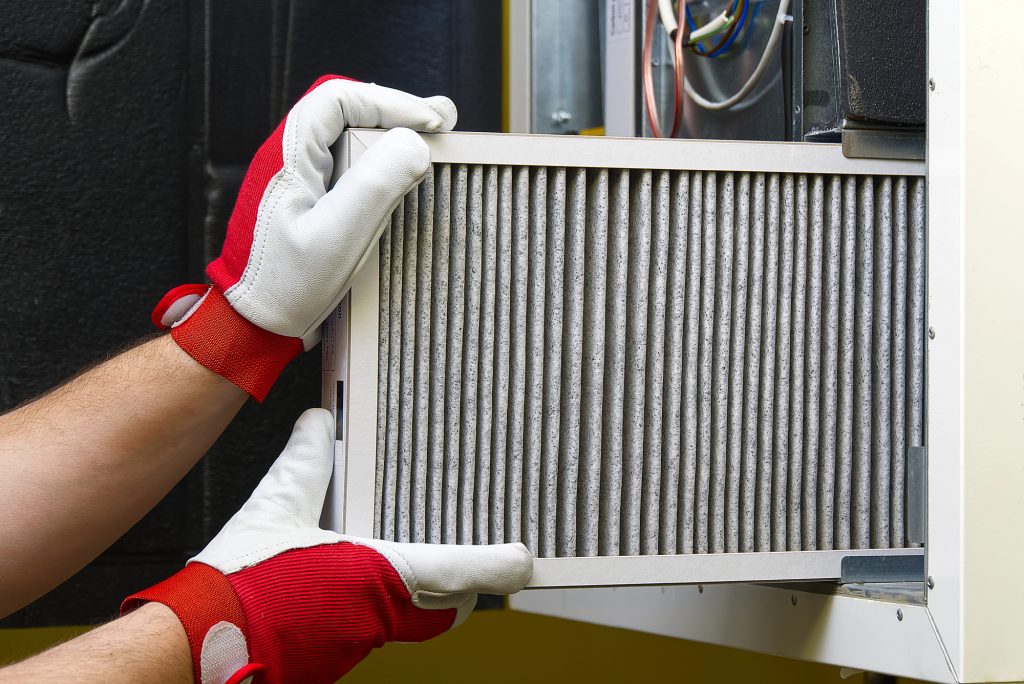
One of the most common and easily preventable furnace issues is a dirty or clogged air filter. The filter’s job is to trap dust, pollen, and other airborne particles, preventing them from circulating through your home and getting into the furnace’s sensitive components. When this filter becomes clogged, it restricts airflow. This forces your furnace to work harder than necessary to pull in air, leading to reduced efficiency and increased energy bills.
This extra strain can cause the furnace’s heat exchanger to overheat and shut down prematurely. In some cases, a severely clogged filter can lead to a complete system breakdown. Regularly changing your filter is a simple but crucial part of furnace maintenance. Most experts, including the team at Honest Home Services, recommend checking your filter monthly and replacing it at least every three months. If you have pets or live with someone who has allergies, you may need to change it more frequently.
Wear and Tear on Mechanical Parts
Like any complex piece of machinery, a furnace is made up of numerous moving parts that can wear out over time. Components such as belts, bearings, and motors are in constant use throughout the colder months. Over years of operation, these parts can degrade, leading to system inefficiencies or outright failure. You might notice unusual noises, like squealing or grinding, which often indicate that a belt has frayed or a bearing is failing.
Ignoring these sounds can lead to more significant damage. A worn-out belt that snaps can cause other parts of the system to fail, resulting in a more expensive repair. Regular professional furnace maintenance is the best way to catch these issues early. During a tune-up, a technician from a trusted company like Honest Home Services will inspect all mechanical components, lubricate moving parts, and replace anything showing signs of excessive wear. This preventative approach ensures your system runs smoothly and extends its lifespan.
Thermostat Malfunctions
Sometimes, the problem isn’t with the furnace itself but with the device that controls it: the thermostat. A malfunctioning thermostat can lead to a variety of heating issues. It might fail to send the correct signals to the furnace, causing it to not turn on, run constantly, or cycle on and off too frequently. This can result in an uncomfortable home and unnecessarily high energy bills.
Common thermostat problems include dead batteries, incorrect settings, or faulty wiring. Before calling for a repair, it’s always a good idea to perform a few basic checks. Ensure the thermostat is set to “heat” and the temperature is set higher than the current room temperature. If it’s a battery-powered model, try replacing the batteries. If these simple steps don’t solve the problem, it may be time to call a professional. A technician can diagnose whether the issue is with the thermostat’s wiring or if the unit needs to be replaced entirely.
Ignition or Pilot Control Problems
furnace maintenance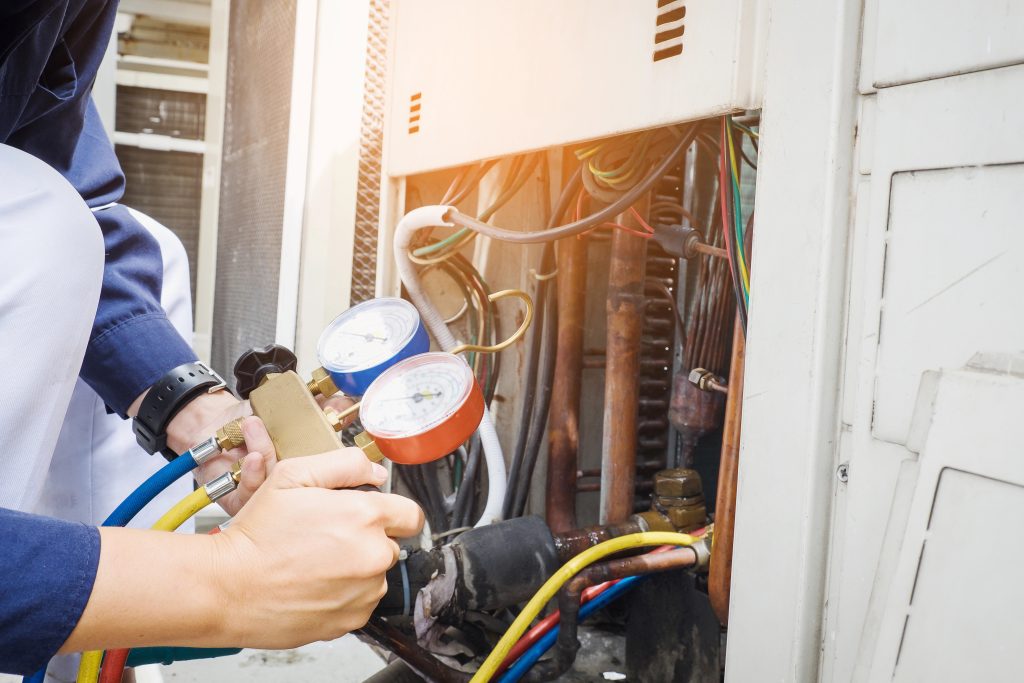
For your furnace to produce heat, it needs to ignite the fuel. Modern furnaces typically use one of two types of ignition systems: an intermittent pilot or a hot surface igniter. An intermittent pilot uses a small flame that only lights when heat is needed, while a hot surface igniter uses an element that glows red-hot to ignite the gas. If either of these systems fails, your furnace won’t be able to produce heat.
Problems with ignition systems can stem from a variety of sources. A thermocouple, which is a safety device that shuts off the gas if the pilot light goes out, can fail. A hot surface igniter can crack and break. Drafts or clogs in the system can also extinguish the pilot light. Issues with the ignition system are serious and involve the gas supply, so they are best handled by a qualified professional. Attempting to fix these problems yourself can be dangerous. An expert from Honest Home Services can safely diagnose and repair the issue, ensuring your furnace operates correctly.
Keep Your Home Warm with Regular Maintenance
Most furnace emergencies don’t appear out of nowhere. They are often the result of small, overlooked issues that grow into major problems over time. The most effective way to avoid a cold-weather catastrophe is through consistent, professional furnace maintenance. An annual tune-up allows a trained technician to inspect, clean, and test your entire heating system.
By scheduling regular service with a reliable provider like Honest Home Services, you can catch potential problems before they lead to a breakdown. This not only ensures your furnace runs efficiently, saving you money on energy bills, but it also extends the life of your unit and provides invaluable peace of mind. Don’t wait for a problem to arise; proactive care is the key to a warm and worry-free winter. Reach out by calling (385) 786-6516