

When Your AC Fan Stops Working: Understanding the Problem
AC fan repair is often needed when your air conditioner turns on but fails to blow cool air, leaving your home uncomfortably warm. Here’s what you need to know right away:
Common AC Fan Issues and Quick Checks:
| Problem | Most Likely Cause | First Step |
|---|---|---|
| Fan won’t spin at all | Tripped circuit breaker or failed capacitor | Check and reset your breaker |
| Fan spins slowly or makes humming noise | Faulty capacitor | Turn off power and call a technician |
| Fan makes loud grinding or squealing | Worn motor bearings or debris | Inspect for obstructions after cutting power |
| System runs but no airflow | Clogged air filter or blower motor issue | Replace your air filter |
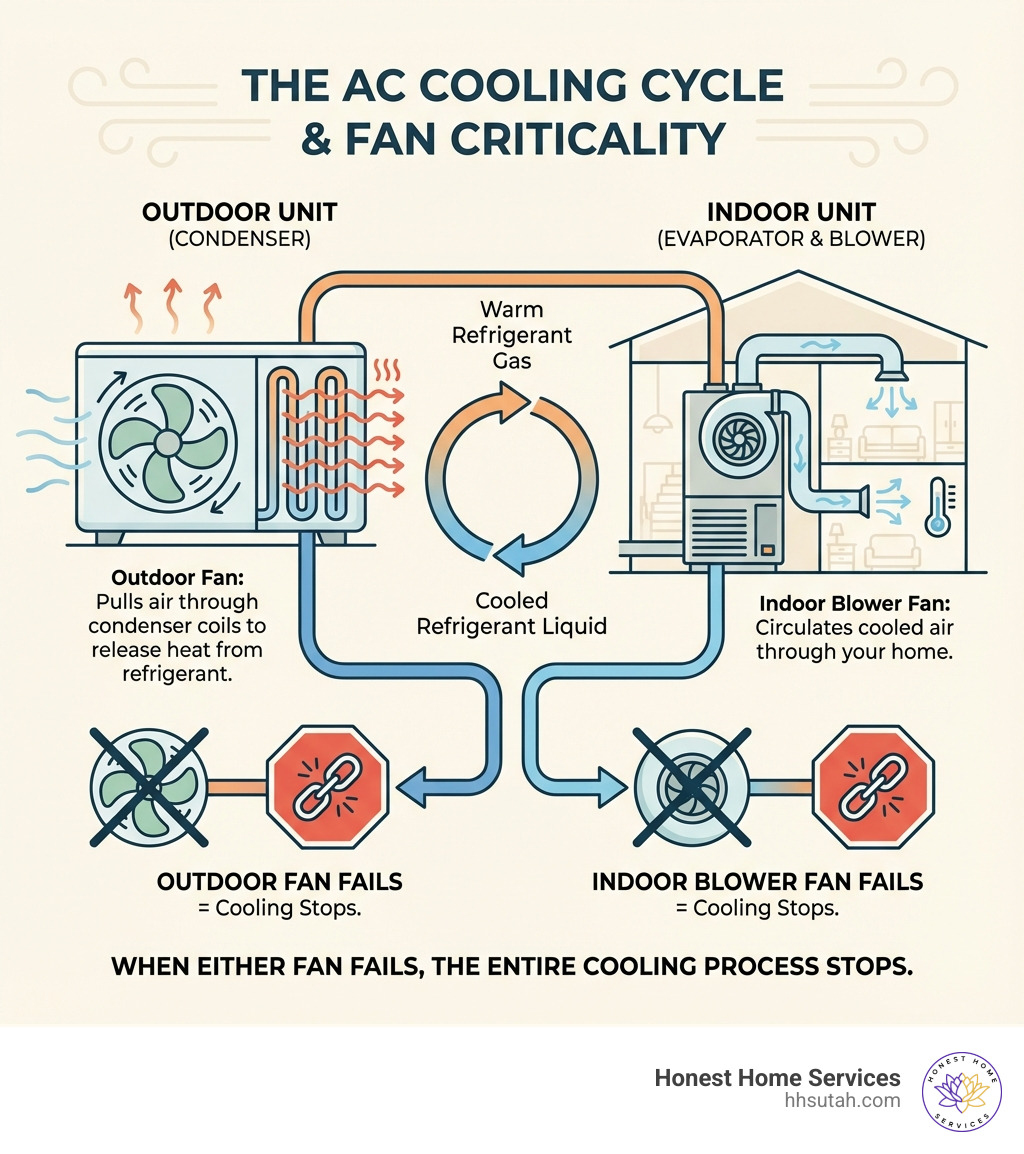
When your AC fan stops spinning on a hot summer day, you know it immediately—your home heats up quickly, and comfort vanishes. The outdoor condensing unit might be running and making noise, but without that fan circulating air over the cooling coils, your system can’t do its job.
The good news? Many AC fan problems have straightforward causes. A tripped circuit breaker, a failed capacitor (a small part that costs about $25), or a clogged air filter can all stop your fan. Some fixes take just minutes and cost nothing. Others require professional help to safely handle electrical components or replace motors.
At Honest Home Services, we’ve been diagnosing and performing AC fan repair for homeowners and businesses across Utah for over 20 years, helping families restore their comfort quickly and affordably. We know how stressful it is when your cooling fails, which is why we focus on clear explanations and transparent pricing.
Signs of a Failing AC Fan and Common Causes
When your AC fan decides to take an unannounced vacation, it’s not just an inconvenience; it’s a sign that something is amiss within your cooling system. Recognizing these warning signs early can save you from a complete system breakdown and a sweltering summer in Northern Utah. The fan’s primary job is to circulate air – whether it’s pulling heat out of your home via the outdoor condenser or pushing cool air through your ducts indoors. When this process is interrupted, your AC unit simply can’t do its job. For more comprehensive information on keeping your home cool, explore our Air Conditioning Services.
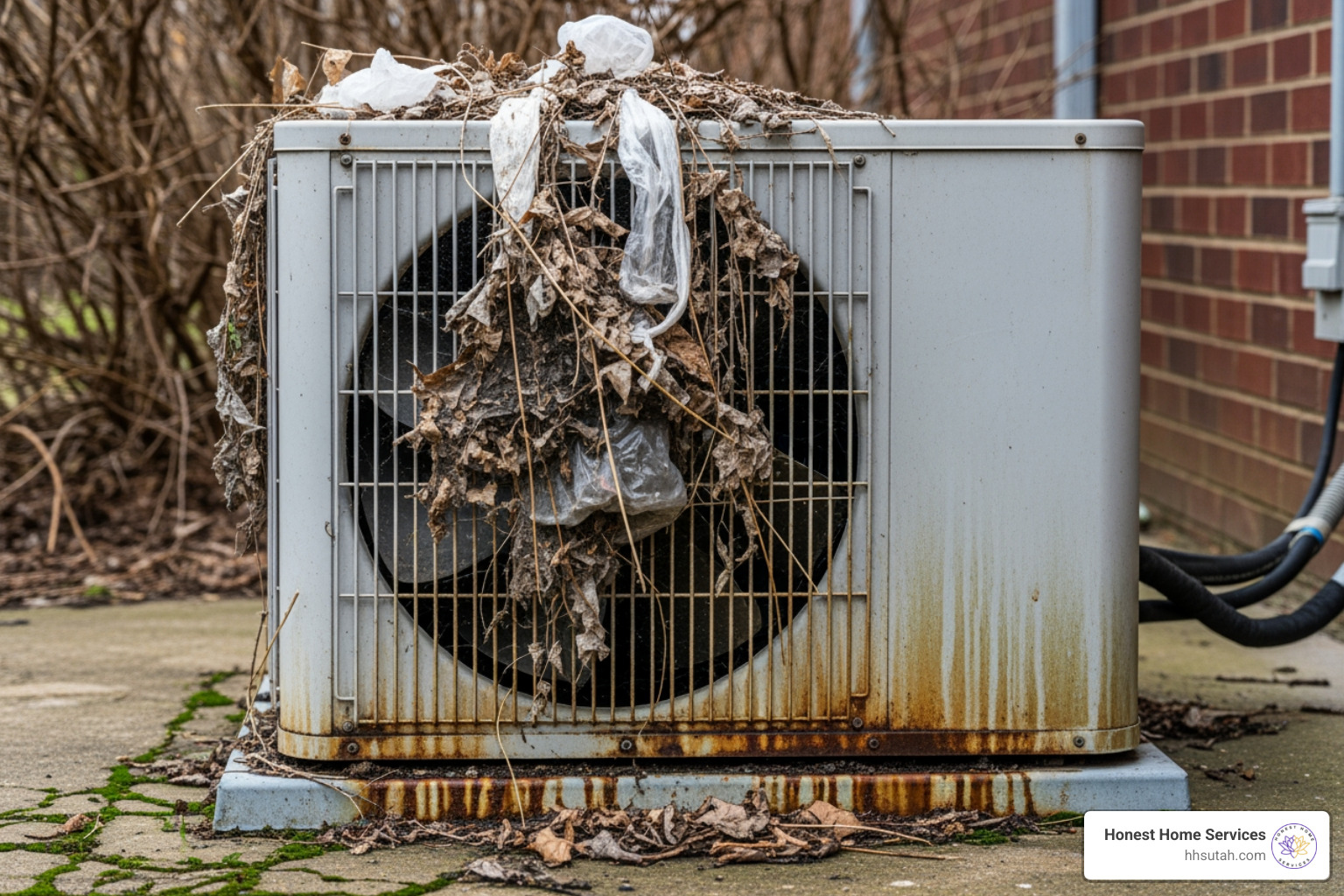
The most common reasons an AC fan stops spinning range from simple electrical glitches to significant component failures. We often see issues like the fan refusing to start, blades moving sluggishly, or the unit emitting strange noises. These symptoms can point to problems such as a motor overheating, which can lead to your system “short cycling” (turning on and off frequently), or deeper issues with the power supply, a faulty capacitor, or even a burnt-out motor. Sometimes, the problem is as straightforward as obstructed fan blades.
What to Look and Listen For
Your AC unit is pretty good at telling you when it’s unhappy, if you know how to interpret its signals.
- Visible Damage: Take a peek at your outdoor unit (after safely shutting off power, of course). Do you see bent fan blades? Is there debris – leaves, twigs, or even small toys – caught in the fan? These obstructions can prevent the fan from spinning freely or damage the blades themselves.
- Humming or Buzzing Sounds: If your AC unit is making a humming or buzzing sound but the fan isn’t turning, it’s a classic sign of trouble. This usually indicates that the fan motor is receiving power but can’t initiate movement, often due to a faulty capacitor or seized motor bearings.
- Burning Smell: A burning smell emanating from your AC unit is never a good sign. This could mean the fan motor is overheating due to excessive strain or a short circuit, and it’s a clear indicator to shut down the unit immediately.
- System Shutting Down Unexpectedly: If your AC unit frequently turns off before reaching the set temperature, or “short cycles,” it could be a symptom of an overworked or failing fan motor that’s causing the system to overheat and trip safety mechanisms.
For more insights into the components that keep your home cool, check out our resources on Air Conditioners.
The Most Common Culprits
Let’s get down to the brass tacks of why your fan might be acting up:
- Tripped Circuit Breaker: This is often the simplest fix. An electrical surge, an overloaded circuit, or even just an aging unit drawing too much power can cause the breaker for your AC unit to trip, cutting off power to the fan.
- Failed Capacitor: The capacitor is like your fan motor’s personal trainer, giving it the initial “jolt” of electricity it needs to start spinning. If this component fails, the motor won’t get that crucial boost and will just sit there humming. Capacitors can degrade slowly, so proactive replacement every five years or so can prevent sudden failures.
- Worn-Out Fan Motor: Like any mechanical part, AC fan motors have a lifespan. While they can last 10-15 years or more with proper maintenance, wear and tear on bearings or internal electrical windings can cause them to seize or burn out.
- Debris in the Unit: Especially for outdoor condenser units, leaves, grass clippings, dirt, and other airborne debris can easily get sucked in and obstruct the fan blades or even damage the motor.
- Broken Fan Belt (Older Units): While most modern AC units use direct-drive fans, some older models, particularly those for indoor blowers, might use a belt to connect the motor to the fan. If this belt is worn, loose, or broken, the fan won’t spin.
DIY Troubleshooting: Your First Steps for AC Fan Repair
Before you pick up the phone to call us (though we’re always happy to help!), there are several basic troubleshooting steps you can safely perform yourself. These DIY solutions can often identify and sometimes even fix simple issues, potentially saving you a service call. We believe in empowering homeowners in Salt Lake City and across Northern Utah with the knowledge to handle minor issues, and it’s a great way to understand your system better. For more useful tips on maintaining your HVAC system, visit our HVAC Tips page.
Essential Safety Precautions
We can’t stress this enough: safety comes first when dealing with any electrical appliance, especially your AC unit.
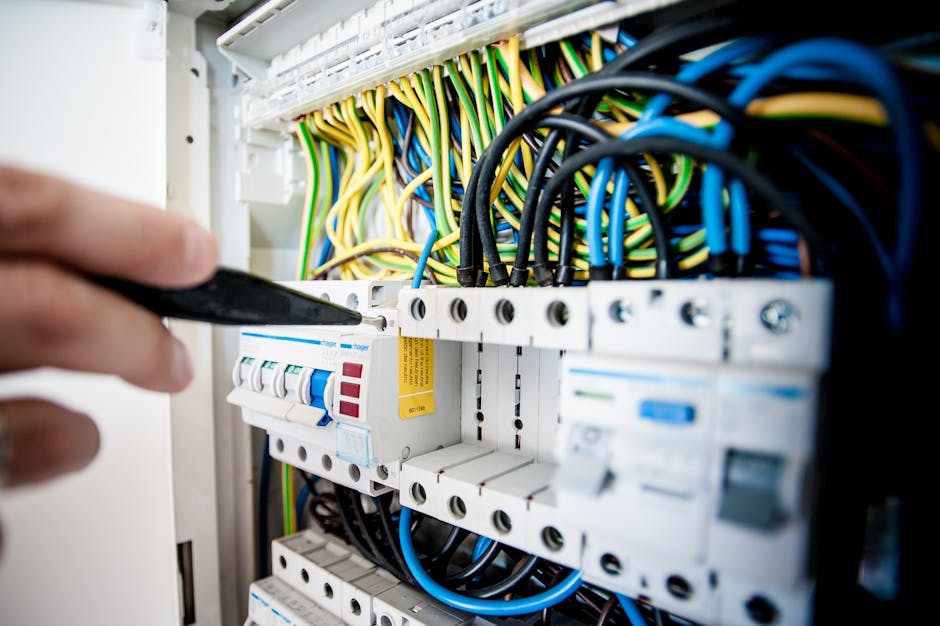
- Turn Off All Power: This is non-negotiable. Locate your main electrical panel (usually in your basement, garage, or utility closet) and switch off the circuit breaker labeled for your AC unit. For the outdoor unit, there’s also an outdoor disconnect switch, typically a small box mounted on the wall near the unit. Pull the lever or flip the switch to ensure all power is cut.
- Use a Voltage Tester: Even after flipping breakers, it’s wise to use a non-contact voltage tester to confirm that no power is flowing to the unit before you touch anything.
- Electrical Shock Risk: Capacitors can store a dangerous electrical charge even after the power is off. Unless you are trained to safely discharge them, it’s best to leave any capacitor inspection or replacement to a professional.
- Sharp Fan Blades: AC fan blades can be surprisingly sharp. Handle them with care and wear appropriate protective gear.
- Safety Gear: We recommend having these on hand for any AC inspection:
- Insulated gloves
- Safety goggles
Basic Troubleshooting Checklist
Once you’ve ensured safety, you can proceed with these simple checks:
- Check Thermostat Settings: It might sound obvious, but we’ve seen it countless times! Ensure your thermostat is set to “Cool” mode and the temperature is set lower than the current room temperature. If it’s on “Heat” or “Off,” your fan won’t engage for cooling. The Department of Energy recommends setting your thermostat to 78°F for optimal comfort and energy efficiency when you’re home. For more energy-saving tips, check out this guide from the Department of Energy.
- Reset the Circuit Breaker: Head to your electrical panel. If the breaker for your AC unit is in the “off” or middle position, flip it firmly to “off” and then back to “on.” Wait a few minutes (some AC units have a built-in delay of up to 10 minutes before restarting) and see if the fan kicks on. If it trips again immediately or frequently, that’s a sign of a deeper electrical issue that needs professional attention.
- Inspect and Clean the Air Filter: A clogged air filter restricts airflow, making your system work harder and potentially leading to overheating and fan issues. Check your indoor air filter. If it’s grey and caked with dust and debris, replace it with a clean one. We recommend checking your filter monthly and replacing it every 1-3 months, especially in homes with pets or allergy sufferers.
- Clear Debris from the Outdoor Unit: With the power safely off, inspect your outdoor condenser unit. Remove any leaves, grass clippings, dirt, or other debris that might be blocking the fan blades or clogging the condenser coils. Use a soft brush or a garden hose (on a gentle setting, avoiding electrical components) to clean the unit.
Deeper Dive: Key Components and Their Role in Fan Failure
Understanding the specific components involved in your AC fan’s operation helps explain why it might stop working. When one part fails, it can create a domino effect, impacting electrical components, mechanical parts, and ultimately, your entire system’s ability to cool your home. For a broader understanding of your home’s climate control, visit our HVAC System resources.
The Role of the Capacitor in AC Fan Repair
The capacitor is a small, cylindrical component in your outdoor unit that plays a huge role in your AC fan’s operation. Its job is to store an electrical charge and then release it in a powerful “jolt” to help the fan motor start spinning. Think of it as the starting pistol for a race – without it, the motor might hum, but it won’t get off the starting line.
- Signs of a Faulty Capacitor: The most common sign of a failing capacitor is a humming noise coming from your outdoor unit without the fan spinning. Visually, a capacitor that is bulging on top or leaking fluid is a clear indicator that it’s failed and needs replacement. Since capacitors can retain a dangerous charge, we strongly advise against touching or attempting to replace one yourself unless you are a trained professional.
- Proactive Replacement: Capacitors can degrade slowly over time, providing less startup power. Since they are relatively inexpensive (often around $25 for the part), it pays to proactively replace yours about every five years as part of your regular AC maintenance. This can prevent a sudden fan failure and protect your fan motor from overworking.
How Electrical Issues Stop Your Fan
Beyond just a faulty capacitor, various electrical problems can bring your AC fan to a grinding halt.
- Tripped Breakers from Overloads: As mentioned, a tripped circuit breaker is a common culprit. This can happen due to power surges, an aging motor drawing too much current, or the unit overheating. If your breaker trips frequently, it’s a warning sign of an underlying issue that needs investigation.
- Blown Fuses: Your outdoor unit might have fuses in its disconnect block. If these blow, they’ll cut power to the unit, including the fan. Replacing fuses can be a DIY task if you’re comfortable with electrical work, but if they blow again, it signals a more serious problem.
- Faulty Wiring: Loose, corroded, or damaged wiring (sometimes even chewed by rodents!) can interrupt the electrical flow to your fan motor, preventing it from operating. Faulty wiring is a serious electrical issue that requires professional attention for safety.
- AC Contactor Failure: The AC contactor is a crucial electrical relay in your outdoor unit. It uses low-voltage power from your thermostat to switch the high-voltage current to the compressor and condenser fan. If this mechanical relay wears out, your fan and compressor won’t receive power. AC contactors are often at the top of the list of common air conditioning repairs.
For a deeper dive into all things cooling, explore our Air Conditioning section.
The Surprising Link: Clogged Air Filters and Fan Problems
You might wonder how a small, inexpensive air filter could possibly affect your AC fan. Well, it’s a classic example of how a small problem can snowball into a bigger one for your entire HVAC system.
- Restricted Airflow: A clogged air filter severely restricts the amount of air that can pass through your indoor unit. This means your blower fan (the indoor fan that circulates air through your home) has to work much harder to pull air in.
- System Overheating: This restricted airflow leads to your entire system struggling. The outdoor unit (with its fan) also becomes less efficient because the refrigerant isn’t exchanging heat properly due to the indoor unit’s struggles. This can cause the fan motor to overheat as it tries to compensate.
- Blower Motor Strain: The indoor blower motor is under immense strain when it tries to force air through a dirty filter. This constant overwork can lead to premature wear and tear, eventually causing the motor to fail or the fan to stop working effectively.
- Frozen Evaporator Coils: Perhaps the most dramatic consequence of a clogged filter is the freezing of your evaporator coils. With insufficient warm air passing over them, the refrigerant inside the coils gets too cold, causing moisture to freeze on their surface. This block of ice then further impedes airflow, creating a vicious cycle that can completely halt your system’s cooling capacity and even cause the indoor fan to stop working as a safety measure.
- Reduced Efficiency: A clogged filter means your AC system runs inefficiently, consuming more energy and delivering less comfort, all of which put a strain on all its components, including both the indoor and outdoor fans.
When to Call a Professional and The Importance of Maintenance
While we encourage homeowners in Northern Utah to handle basic AC troubleshooting, there’s a clear line where professional help becomes not just advisable, but necessary. Dealing with complex electrical components or heavy mechanical parts requires specialized knowledge, tools, and safety protocols that most DIYers don’t possess. Our team at Honest Home Services is always ready to step in when you need expert AC fan repair.
| Feature | DIY AC Fan Repair | Professional AC Fan Repair |
|---|---|---|
| Cost (Parts) | $25 (capacitor), $150 (universal motor) | $25 (capacitor), $250 (motor) |
| Cost (Labor) | $0 (your time) | $250-$550+ (technician expertise) |
| Total Cost Range | $25 – $150 | $250 – $800 (including installation) |
| Complexity of Task | Basic checks (thermostat, breaker, filter, debris) | Capacitor replacement, motor replacement, wiring repair, contactor replacement, deeper diagnostics |
| Required Tools | Screwdriver, soft brush, garden hose, safety gear | Multimeter, specialized wrenches, capacitor discharge tool, wire crimpers, diagnostic equipment |
| Safety Risks | Moderate (electrical shock, sharp blades) | Low (trained professionals with safety gear) |
| Likelihood of Success | High for simple issues, low for complex component failures | High for all issues |
| Warranty Implications | May void warranty if not done correctly | Typically maintains warranty, often comes with labor warranty |
| Time Savings | Immediate for simple fixes, potentially longer for part sourcing & self-learning | Fast diagnosis and repair by experienced technician |
For any AC repair needs, big or small, don’t hesitate to reach out to us at AC Repair.
Understanding the Cost of Professional AC Fan Repair
When it comes to replacing an AC fan motor, the typical cost range for professional service, including installation, falls between $250 and $800. This range can vary depending on several factors:
- Motor Type: Different AC units use different types of fan motors. More specialized or higher-efficiency motors can be more expensive.
- AC Brand and Model: Some brands or older models might require specific, harder-to-find parts, which can drive up the cost.
- Warranty Status: If your unit is still under warranty, the cost of the part might be covered, leaving you to pay for labor only.
- Labor vs. Parts Cost: While a universal replacement motor might cost a DIYer about $150, the professional cost includes the technician’s expertise, diagnostic time, and labor. A typical breakdown might see parts costing around $250 and labor around $250-$550, for a total around $500. While doing it yourself can save you the labor cost (an average savings of about $350), it also comes with inherent risks and requires specific knowledge.
If you suspect your fan motor needs replacing, we can guide you on selecting the proper replacement motor. We’ll check the model and manufacturer number of your existing motor to find an exact match or a suitable money-saving upgrade.
Preventative Maintenance to Avoid Future Problems
The best way to deal with AC fan repair is to avoid needing it in the first place! Preventative maintenance is key to extending the life of your AC unit and ensuring it runs efficiently throughout the hot Utah summers.
- Annual Tune-Ups: We can’t emphasize this enough. Scheduling annual AC tune-ups with a qualified HVAC technician is the single most effective way to prevent costly breakdowns. During a tune-up, we’ll inspect all components, including the fan motor and capacitor, clean coils, check refrigerant levels, and identify potential issues before they become major problems.
- Cleaning Condenser Coils: The outdoor condenser coils can get dirty with dust and debris, especially in our dry climate. This buildup reduces heat transfer and makes your system work harder, straining the fan motor. Regular cleaning of these coils ensures optimal performance.
- Regular Filter Changes: As discussed, a clean air filter is vital for proper airflow and preventing strain on your indoor blower motor and the entire system.
- Extending Component Lifespan: With consistent maintenance, AC fan motors can last 10-15 years or more. Proactive replacement of inexpensive parts like capacitors every five years can also significantly extend the life of your motor and compressor.
For detailed information on keeping your system running smoothly, explore our Air Conditioning Tune-Up services and our guide to Air Conditioning Maintenance.
Frequently Asked Questions about AC Fan Problems
Why is my AC fan not spinning but the unit is on and humming?
A humming sound without fan movement strongly suggests a problem with the run capacitor or a seized fan motor. The capacitor provides the initial power to start the motor, and if it fails, the motor can’t get started. It could also be a seized motor due to worn-out bearings. If you hear a hum, immediately shut off power to the unit at the breaker to prevent further damage to the motor. This issue typically requires professional diagnosis and repair, as capacitors can hold a dangerous electrical charge.
Can I just push-start my AC fan with a stick?
While this might temporarily get the fan spinning, it’s a dangerous practice that only masks the underlying problem, which is likely a bad capacitor or a failing motor. You risk damaging the fan blades, the motor, or injuring yourself. This is not a recommended or safe fix. If the fan needs a “push” to start, it’s a clear sign that a component (most often the capacitor) needs to be replaced by a qualified technician.
How often should I replace my AC air filter?
For most 1-inch filters, you should check them monthly and replace them every 1-3 months. Homes with pets, smokers, or allergy sufferers may need more frequent changes (as often as monthly). A clean filter is crucial for proper airflow, maintaining system efficiency, preventing your system from overheating, and extending the lifespan of your AC fan and other components. It’s an easy, inexpensive maintenance task that can prevent many common AC problems.
Stay Cool and Comfortable with a Working AC
When your AC fan stops spinning, it can quickly turn a comfortable home into a sauna. We understand the urgency and frustration that comes with a malfunctioning AC unit, especially during the peak cooling season in Northern Utah. Remember these key takeaways: prioritize safety by always shutting off power before any inspection, perform basic troubleshooting steps like checking your thermostat, circuit breaker, and air filter, and understand the critical role components like the capacitor play.
The value of regular preventative maintenance cannot be overstated. It’s the best defense against unexpected breakdowns and costly AC fan repair. While some simple issues can be addressed with DIY efforts, knowing when to call for professional help is crucial for both your safety and the longevity of your AC system.
At Honest Home Services, we are dedicated to providing honest, reliable, and affordable plumbing, heating, and AC services across Salt Lake City, Davis County, Kaysville, Farmington, Bountiful, and surrounding areas. Our local, expert technicians are available with 24/7 emergency support, guaranteeing your satisfaction with fair pricing and top-notch service.
For a comprehensive guide to keeping your entire system in top shape, check out our Air Conditioning Maintenance and Repairs: Your Total Guide.
Don’t let a faulty AC fan leave you sweating. If you’ve tried the basic troubleshooting and your AC fan still isn’t working, or if you suspect a more complex issue, it’s time to call in the professionals. We’re here to help you restore comfort to your home. Contact us for reliable home services in Salt Lake City today!