
Why Drain Odor Matters in Your Home
Drain odor removal is a common household challenge that signals more than just an unpleasant smell—it’s often a sign that your plumbing needs attention. Whether it’s a foul whiff from your kitchen sink, a musty smell from the bathroom, or a persistent sewer gas odor, these issues can quickly make your home uncomfortable and may even pose health risks.
Quick Solutions for Drain Odor Removal:
- Pour boiling water down the drain to break up grease and biofilm (caution: not for PVC pipes)
- Use baking soda and vinegar: Pour ½ cup baking soda, then 1 cup vinegar, wait 30 minutes, flush with hot water
- Check your P-trap: Run water in unused drains to refill the water seal that blocks sewer gases
- Clean visible debris: Remove hair, food particles, and gunk from drain openings and strainers
- Call a professional if odors persist after DIY attempts or if multiple drains are affected
No one wants to walk past their sink and get hit with an awful smell. The good news? Most drain odors have simple causes like decomposing food particles, hair buildup, or a dry P-trap—and many can be fixed with household items you already own. The cost of ignoring these smells can be significant: the average professional drain cleaning runs about $220, but addressing odors early with preventative maintenance can save you from more expensive repairs down the line.
At Honest Home Services, we’ve spent over 20 years helping Northern Utah homeowners tackle drain odor removal and restore freshness to their homes. Our licensed team understands that a smelly drain isn’t just unpleasant—it’s a problem that needs fast, effective solutions.
What’s That Smell? Identifying the Common Causes of Drain Odors
A smelly drain isn’t just a nuisance; it’s a clear signal that your plumbing system needs attention. The source of these unpleasant odors can range from simple buildup to more serious plumbing issues. Understanding what causes them is the first step in effective drain odor removal.
Buildup in Your Pipes: Biofilm, Grease, and Grime
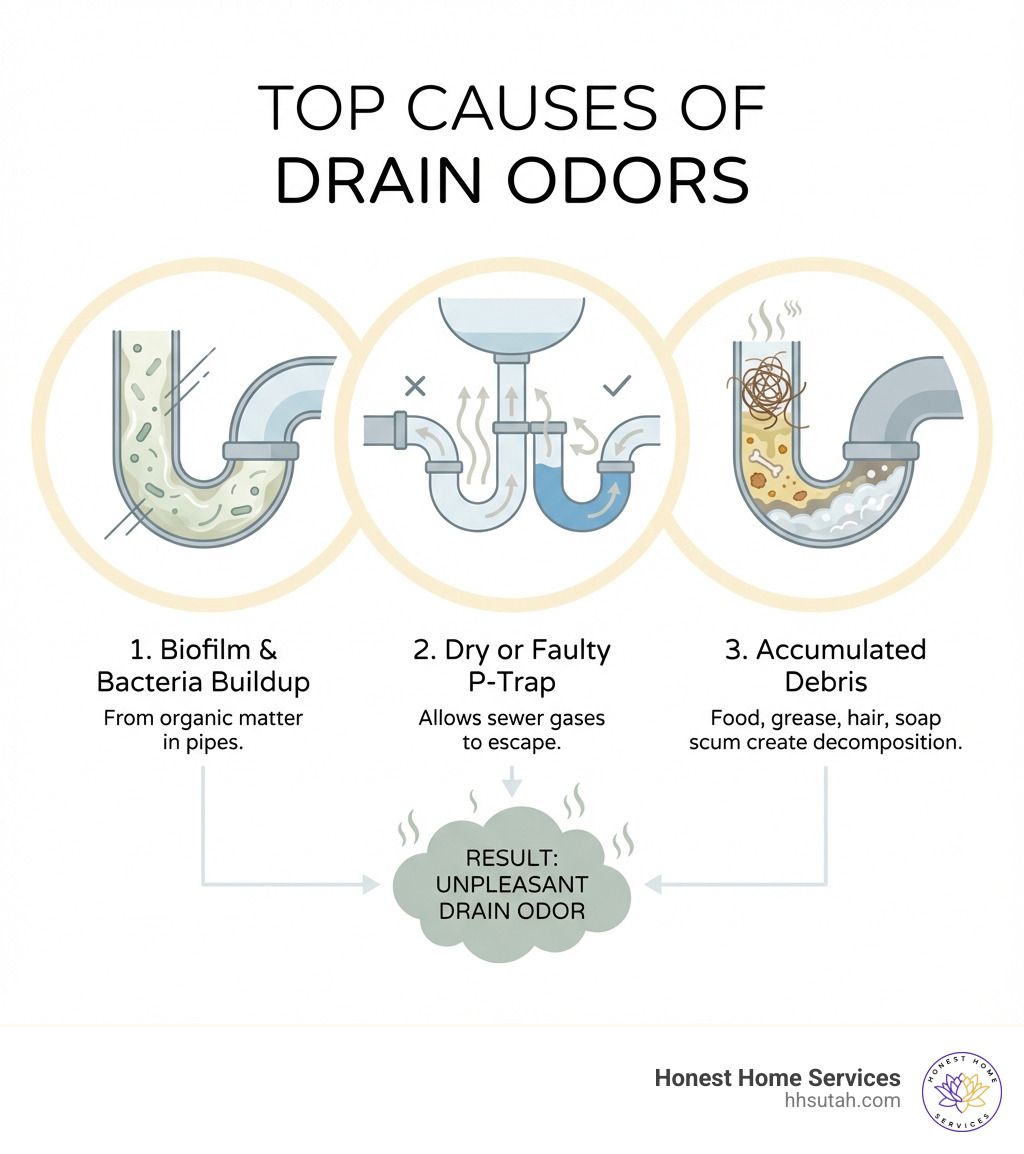
One of the most frequent culprits behind smelly drains is the accumulation of organic matter within your pipes. This gunk creates a breeding ground for odor-producing bacteria.
Here’s what typically contributes to this buildup:
- Decomposing Food Residues: In kitchen drains, food particles—especially those from garbage disposals—can get trapped and decompose, releasing foul smells. These decomposing residues are a prime food source for bacteria.
- Fats, Oils, and Grease (FOG): When FOG goes down the drain, it cools and solidifies, coating the inside of pipes. This sticky layer not only traps other debris but also harbors bacteria, leading to a rancid odor.
- Hair and Soap Scum: Bathroom drains, particularly in showers and sinks, are notorious for collecting hair. This hair then intertwines with soap scum, toothpaste, and skin cells, forming dense clogs. This warm, moist environment is ideal for bacterial growth, which feeds on the organic matter and produces a rotten egg or musty smell.
- Biofilm: This is a slimy layer of microorganisms that adheres to the inside surfaces of your pipes. Biofilm thrives on the organic matter mentioned above, and the bacteria within it produce gases that cause that characteristic drain smell.
These accumulations can lead to Clogged Drains and persistent odors. We often see these issues in homes throughout Salt Lake City, Davis County, and other Northern Utah areas.
Plumbing Problems: The P-Trap and Venting System
Sometimes, the odor isn’t just from gunk in the pipes; it’s a sign of a deeper issue with your plumbing system’s design or function.
- Dry P-Trap: The P-trap is a U-shaped section of pipe directly beneath your sink, shower, or tub. Its purpose is to hold a small amount of water, creating a barrier that prevents sewer gases from entering your home. If a drain isn’t used frequently, especially in guest bathrooms or utility sinks, the water in the P-trap can evaporate. This allows sewer gas, which is formed by bacteria living on organic matter in the sewer system, to waft directly into your living space. A dry P-trap is often the easiest cause to fix, and it’s a common reason for odors in infrequently used fixtures in Northern Utah homes.
- Obstructed Vent Pipe: Your home’s plumbing system includes vent pipes that extend through the roof. These vents allow fresh air into the drainage system, helping wastewater flow smoothly and, crucially, allowing sewer gases to escape outdoors. If a vent pipe becomes obstructed by leaves, debris, or even a bird’s nest, sewer gases can get trapped and seek an alternative exit—your drains. This can lead to a persistent sewer smell and even gurgling noises from your drains or toilets.
- Broken Toilet Wax Seal: If you notice a persistent sewage smell around your toilet, it may indicate a broken wax seal. This seal forms an airtight barrier between the toilet and the drainpipe. When compromised, sewer gases can escape directly from the toilet base. This is a more serious issue that often requires professional attention.
These plumbing issues can be more complex than simple clogs and may indicate Common Plumbing Issues in Older Homes and How to Address Them.
Your First Line of Defense: DIY Drain Odor Removal
Once you’ve identified the potential cause of your drain odor, it’s time to tackle it! Many common drain smells can be eliminated with simple, effective DIY methods using household items you likely already have.
The Classic Baking Soda & Vinegar Method for Drain Odor Removal
This is a powerhouse combination for drain odor removal and a staple in our DIY Plumbing Fixes Every Homeowner Should Know guide. It’s safe, effective, and environmentally friendly.
How can baking soda and vinegar be used to clean a smelly drain?
Here’s a step-by-step guide:
- Clear the Drain: First, remove any visible debris, hair, or food particles from the drain opening. This ensures the mixture can get to the source of the odor.
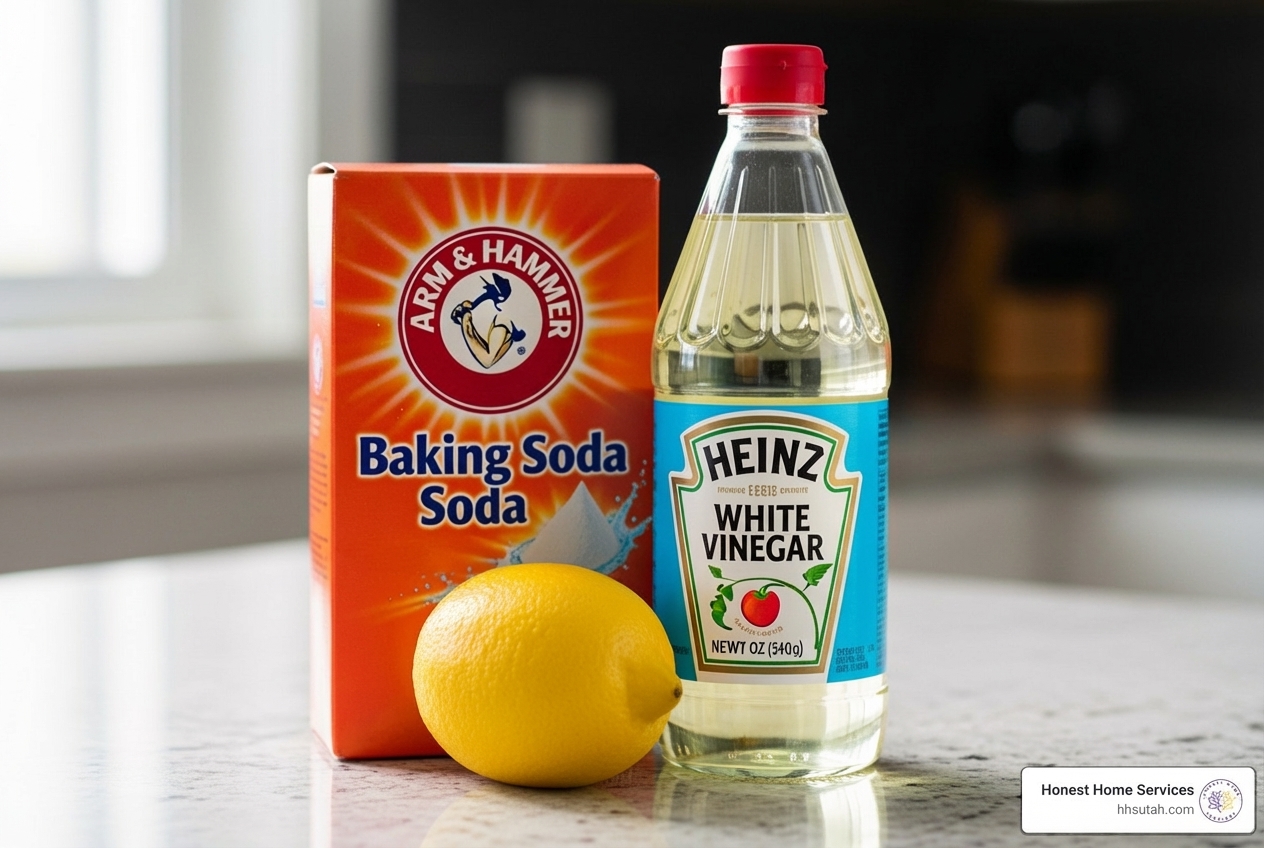
- Pour Baking Soda: Pour about ½ cup of baking soda directly down the smelly drain.
- Add White Vinegar: Follow the baking soda with 1 cup of white vinegar. You’ll immediately hear a fizzing sound—this is the chemical reaction at work, helping to break down grease, grime, and odor-causing bacteria.
- Plug and Wait: Quickly plug the drain or cover the opening to contain the fizzing action and allow the mixture to work its magic deep within the pipes. Let it sit for at least 30 minutes, or up to an hour for stubborn odors.
- Flush with Hot Water: After the waiting period, flush the drain with a pot of very hot (but not boiling for PVC pipes) water. This washes away the loosened debris and leaves your drain smelling fresh.
This method is particularly effective for kitchen sinks, bathroom sinks, and shower drains in homes across Northern Utah.
Other Effective Home Remedies
Beyond the classic baking soda and vinegar, several other home remedies can be highly effective for drain odor removal:
- Boiling Water Flush: For simple grease or soap scum buildup, a kettle of boiling water can work wonders. Pour it slowly down the drain in two to three stages. The heat helps to melt and flush away greasy residues.
- Caution: While effective, avoid using boiling water on PVC pipes if your plumbing system is older or if you’re unsure of its condition, as extremely hot water can soften or damage some PVC materials.
- Ice Cubes and Coarse Salt (for Garbage Disposals): If your kitchen sink’s garbage disposal is the source of the smell, this trick works wonders. Add a handful of ice cubes to the disposal, sprinkle coarse salt on top, and run the disposal for about 30 seconds. The ice and salt work together to ‘scrub’ away any debris and residue from the blades and walls of the disposal, then rinse with hot water.
- Citrus Peels: For a fresh scent and some gentle cleaning, toss a few citrus peels (lemon, orange, or lime) into your garbage disposal and run it with cold water. The oils in the peels help deodorize, and the peels themselves provide a light scrubbing action.
- Running Water for Dry P-Traps: As we mentioned, a dry P-trap is a common cause of sewer gas odors, especially in less-used bathrooms. Simply run water through the affected fixture for 1-2 minutes to refill the P-trap. For infrequently used floor drains, pouring a cup of vegetable oil into the drain can create a barrier that prevents evaporation and keeps sewer gases at bay for longer.
Here’s a quick list of simple DIY drain freshening tips:
- Monthly Flush: Make it a habit to flush all drains monthly with hot water.
- Drain Screens: Use screens to catch hair and food particles.
- Citrus & Ice: Regularly clean garbage disposals with ice and citrus peels.
- Baking Soda Boost: Sprinkle baking soda down drains weekly, let it sit, then rinse.
Safely Using Cleaners and Chemicals
While natural remedies are often our first recommendation, sometimes you need a little extra help. When using commercial or chemical cleaners for drain odor removal, safety is paramount.
- Enzyme-Based Cleaners: These are a fantastic option for dissolving organic matter like food particles, grease, and soap scum. Enzyme cleaners contain beneficial bacteria that “eat” away at the buildup, making them safe for your plumbing and septic systems. We recommend searching for eco-friendly products that are designed to be safe for your community’s plumbing system. Follow the product’s instructions carefully, often letting them sit overnight to work effectively.
- Bleach Safety: Bleach can be used to disinfect drains and kill odor-causing bacteria, but it must be used with extreme caution.
- Dilution: Always dilute bleach. A common recommendation is a 20% solution (1 cup of liquid chlorine bleach to 4 cups of water).
- Application: Pour the diluted bleach slowly around the edges of the drain to ensure it coats the sides. If using in a garbage disposal, briefly turn it on while pouring.
- Waiting Time: Allow the bleach to remain undisturbed for about 10 minutes.
- Flush: Flush the drain with hot water for two minutes.
- Ventilation: Ensure the area is well-ventilated.
- Never Mix: Crucially, never mix bleach with other cleaning chemicals (like ammonia or other drain cleaners). This can create toxic fumes that are extremely dangerous.
- Metal Contact: Prolonged contact with metals can cause pitting or discoloration.
- Personal Protection: Wear gloves and eye protection.
For more detailed instructions on safe disinfection, refer to resources like How to Disinfect a Drain. For all your plumbing care, check out our Plumbing Tips.
Beyond the Basics: When Odors Signal a Deeper Issue
While many drain odors can be resolved with DIY solutions, sometimes a persistent smell is a sign of a more significant problem. Knowing when to escalate your drain odor removal efforts from home remedies to professional intervention is crucial for the health of your home and family.
The P-Trap’s Crucial Role in Odor Prevention
We’ve mentioned the P-trap, but its importance in drain odor removal cannot be overstated. It’s a simple, yet ingenious, piece of plumbing.
What is the role of the P-trap in preventing drain odors, and how can it be addressed if it’s the cause?
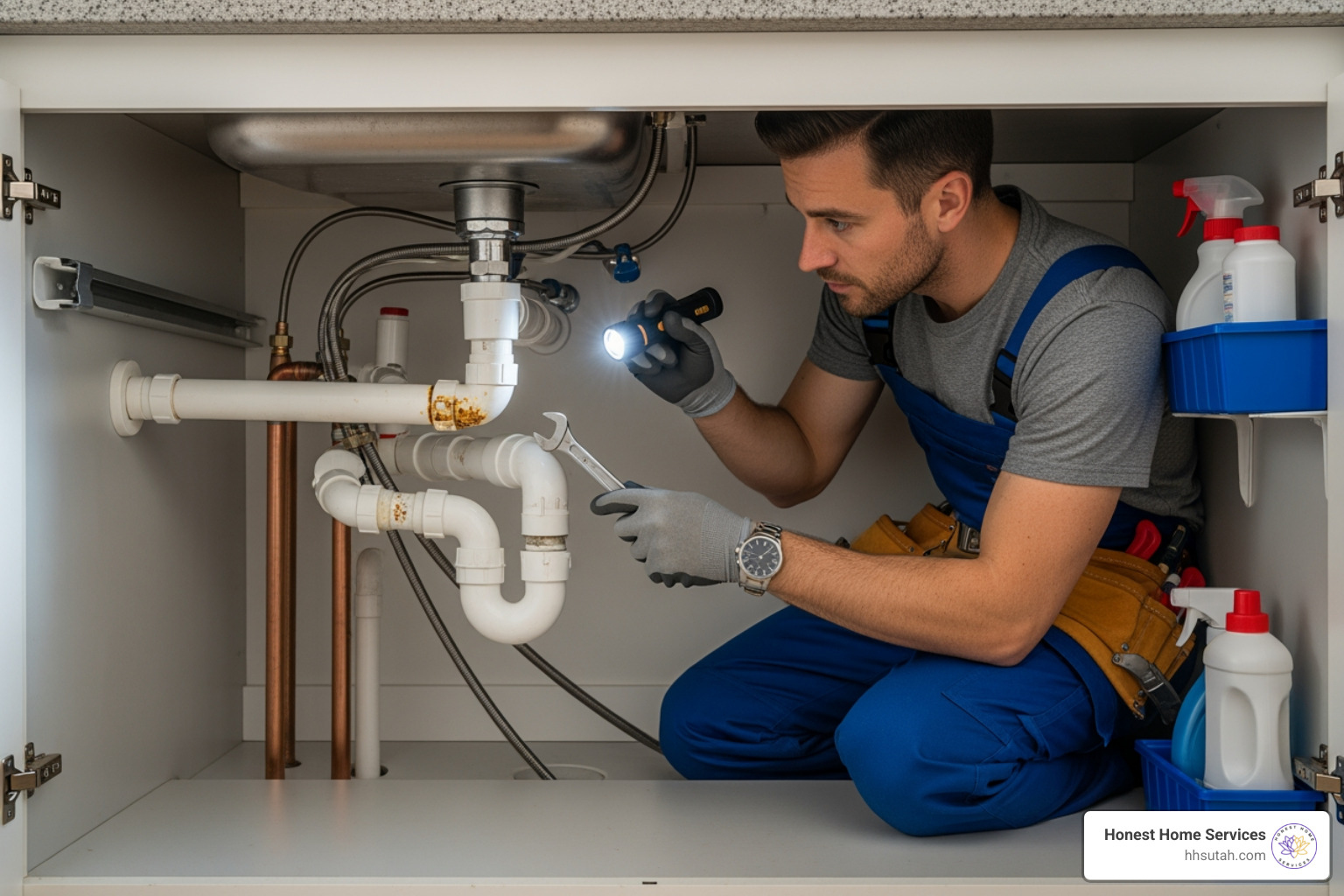
The P-trap’s primary role is to create a water seal barrier. The water held in its U-bend acts as a physical block, preventing noxious sewer gases from traveling up the drainpipe and into your home. Without this water barrier, sewer gases (including hydrogen sulfide and methane) would freely enter your living space.
How P-traps Dry Out: As discussed, P-traps most commonly dry out in fixtures that aren’t used regularly, such as guest bathrooms, utility sinks, or even basement floor drains. The water simply evaporates over time.
Addressing a Dry P-Trap: The easiest fix is to simply run water through the fixture for a minute or two. This refills the trap, restoring the water seal. For very infrequently used drains, especially floor drains, you can pour a cup of vegetable oil into the drain after running water. The oil floats on top of the water, slowing down evaporation and prolonging the effectiveness of the water seal.
Cleaning the P-trap: If the P-trap is suspected of holding odor-causing gunk, it can be cleaned manually. This is a bit more involved but can be a highly effective method for drain odor removal:
- Prepare: Place a bucket directly underneath the P-trap to catch any water and debris.
- Unscrew: Carefully unscrew the slip nuts on both sides of the P-trap.
- Remove Gunk: Lower the P-trap and empty its contents into the bucket. You’ll likely find a surprising amount of hair, soap scum, and other debris.
- Rinse: Thoroughly rinse the P-trap with hot water, ensuring all gunk is removed.
- Reattach Securely: Carefully reattach the P-trap, ensuring the slip nuts are tightened sufficiently to prevent leaks. Run water to test for leaks.
This process is a direct and effective way to eliminate odors originating from within the P-trap itself.
Signs of a Serious Plumbing Problem
Sometimes, a persistent drain odor points to a more significant underlying issue that home remedies just can’t fix.
What are the signs that a drain has a more serious issue beyond a simple odor?
Look out for these red flags:
- Persistent Odors After DIY Attempts: If you’ve tried various home remedies and the smell keeps returning, it’s a strong indicator that the problem is deeper than surface-level buildup.
- Recurring Clogs: Drains that frequently clog, even after clearing them, suggest a chronic issue further down the line.
- Gurgling Noises: Unusual gurgling sounds coming from your drains or toilet when water is used elsewhere in the house can signal a blocked vent pipe or a partial sewer line obstruction.
- Slow Drainage in Multiple Fixtures: If more than one sink, tub, or toilet is draining slowly, it often points to a clog or issue in the main drain line rather than an isolated fixture problem.
- Sewage Backup: This is the most alarming sign. If wastewater is backing up into your sinks, tubs, or toilets, it indicates a severe blockage in your main sewer line.
- Wobbly Toilet or Water Around Base: A wobbly toilet, or a persistent sewage smell around the toilet base, can mean the wax seal is broken, allowing sewer gases to escape. Replacing a wax seal is possible but involves lifting the toilet, which many homeowners find uncomfortable.
- Musty/Earthy Smell with Visible Moisture/Mold: If the odor is accompanied by dampness, discoloration, or visible mold on walls, ceilings, or under sinks, it indicates a hidden leak that is fueling mold growth.
For these more complex issues, a professional plumber has specialized tools like camera drain inspections to pinpoint the exact problem. Learn more about these diagnostics in 6 Telltale Signs You Need a Camera Drain Inspection. These are clear indicators that you’re dealing with Plumbing Problems that require expert attention.
Potential Health Risks of Persistent Sewer Gas
Ignoring persistent sewer gas odors isn’t just unpleasant; it can pose potential health risks.
What are the potential health risks associated with persistent sewer gas odors from drains?
Sewer gas is primarily composed of methane, but it also contains hydrogen sulfide, ammonia, and other gases produced by decomposing organic matter.
- Hydrogen Sulfide (H2S): This gas is responsible for the characteristic “rotten egg” smell. While low levels might just cause an unpleasant odor, prolonged exposure, even to low concentrations, can lead to symptoms like headaches, nausea, and eye irritation. Higher concentrations can affect the respiratory system, causing coughing, shortness of breath, and even more severe issues.
- Methane: While methane itself is relatively non-toxic, it is an asphyxiant at high concentrations, meaning it can displace oxygen, potentially leading to dizziness or even loss of consciousness. More critically, methane is highly flammable and explosive in sufficient quantities, posing a severe safety hazard.
- Mold Growth and Mycotoxins: Persistent leaks or moisture from plumbing issues, often indicated by a musty, earthy, or damp odor, can lead to hidden mold growth. Mold can begin to colonize and grow within 24 to 48 hours of a material becoming wet. Certain species of mold, like Stachybotrys chartarum, produce toxic compounds called mycotoxins. Long-term exposure to these mycotoxins, typically found in areas with prolonged, serious water damage, can potentially lead to more severe, systemic health issues, including respiratory problems, allergic reactions, and neurological symptoms. The musty odor is often the first and most reliable sign of hidden mold growth. Learn more about the dangers of Mycotoxins from mold.
For the safety and well-being of your family in Northern Utah, addressing these odors promptly and professionally is essential.
Proactive Prevention: Keeping Your Drains Odor-Free for Good
The best defense against smelly drains is a good offense! By adopting simple daily and weekly habits, along with regular maintenance, you can significantly reduce the chances of needing intensive drain odor removal in the future.
Daily and Weekly Habits for Fresh Drains
What are some preventative measures to keep drains from smelling in the first place?
Incorporating these practices into your routine can make a big difference:
- Run Water in Unused Drains: This is especially important for fixtures like guest bathrooms or utility sinks. Running water for a minute or two once a week will refill the P-trap, maintaining that crucial water seal against sewer gases.
- Avoid Pouring Grease Down the Drain: This is a golden rule for kitchen sinks. Hot oil or grease will solidify as it cools, sticking to your pipes and trapping food particles, leading to clogs and odors. Instead, pour any grease into a disposable container, let it solidify, and then discard it in the trash. Refer to What not to pour down the drain for more guidance.
- Use Drain Strainers: Simple drain screens or strainers in your kitchen sink, bathroom sink, and shower can catch food particles, hair, and soap scum before they enter your pipes. Clean these strainers regularly to prevent accumulation.
- Scrape and Rinse Dishes: Before loading dishes into the dishwasher, scrape off all food scraps into the trash. This prevents food from accumulating in your dishwasher’s drain system and the shared plumbing.
- Flush with Cold Water After Use (Garbage Disposal): When using your garbage disposal, always run cold water before, during, and for at least 30 seconds after use. Cold water helps solidify grease, allowing the disposal to grind it more effectively, and the continuous flow helps flush debris through the pipes.
- Use Bathroom Exhaust Fans: Regularly use your bathroom exhaust fan during and after showers to reduce humidity. This helps prevent moisture-related odors and mold growth in the bathroom environment.
These habits are key to Preventative Drain Cleaning Tips Every Homeowner Should Know.
The Importance of Regular Maintenance
Beyond daily habits, scheduled maintenance can keep your plumbing system in top shape and prevent unpleasant surprises.
- Monthly Drain Flush: A monthly flush with boiling water (for non-PVC pipes) or a baking soda and vinegar treatment can help keep pipes clear of minor buildup before it becomes a problem.
- Annual Professional Inspection: We recommend an annual professional plumbing inspection for homes in Northern Utah. Our expert technicians can identify potential issues like developing clogs, leaky pipes, or problems with your venting system before they lead to significant odors or damage. We use advanced tools like sewer cameras to inspect the inside of your pipes, ensuring everything is flowing as it should. This proactive approach can save you money and headaches in the long run.
For a comprehensive guide to keeping your home’s plumbing healthy, check out The Ultimate Guide to Plumbing Maintenance in Your Home and our Plumbing System Maintenance resources.
When to Call the Professionals for Drain Odors
While many drain odor removal solutions are within reach of the average homeowner, there comes a time when professional help is not just advisable but necessary.
When is it necessary to call a professional for drain odor issues?
Here are the situations where it’s best to call in the experts at Honest Home Services:
- DIY Methods Have Failed: If you’ve diligently tried various home remedies—baking soda and vinegar, boiling water, cleaning the P-trap—and the odor persists or quickly returns, it’s a strong indicator of a deeper, more complex issue.
- Persistent Sewage Smell: A constant, strong sewer gas odor that doesn’t dissipate after addressing P-trap issues could signal a serious problem like a cracked sewer pipe, a damaged vent line, or a broken wax seal around a toilet. These require professional diagnosis and repair.
- Water Backing Up or Multiple Drains Affected: If water is backing up into your fixtures, or if several drains in your home (e.g., a toilet, shower, and sink) are experiencing slow drainage or odors simultaneously, it points to a blockage in your main sewer line. This is beyond DIY capabilities and needs specialized equipment.
- Suspected Main Line Clog: Main line clogs can lead to significant water damage and health hazards if not addressed promptly. Professional plumbers use tools like hydro-jetting and drain snakes to clear these stubborn blockages effectively.
- Unidentifiable Source: If you can’t pinpoint the source of the smell after a thorough inspection, a professional can use camera drain inspections to visually identify obstructions, cracks, or other damage deep within your plumbing system.
- Health Concerns: If anyone in your household is experiencing symptoms like headaches, nausea, or respiratory irritation that coincide with the sewer gas smell, do not delay in calling a professional.
The average cost of drain cleaning averages $220 for a professional visit, but this investment can prevent far more costly repairs down the line if a serious problem is left unaddressed. Our local, expert technicians are equipped to handle any drain issue, from simple clogs to complex sewer line problems, ensuring effective drain odor removal and lasting solutions for our Northern Utah neighbors. For more guidance, see When to Call a Professional Plumber.
Conclusion: Your Partner in a Fresh and Healthy Home
Drain odor removal is a critical aspect of home maintenance that impacts both comfort and health. We’ve explored the common culprits behind those unpleasant smells—from everyday buildup of biofilm, grease, hair, and food particles to more serious plumbing issues like dry P-traps, blocked vents, or compromised sewer lines.
The journey to a fresh-smelling home begins with diagnosing the cause. We encourage you to first try safe and effective DIY solutions like the classic baking soda and vinegar method, boiling water flushes, or simply refilling a dry P-trap. These preventative measures and simple home remedies are often all it takes to banish minor odors.
However, recognizing the signs of a deeper issue—persistent smells, recurring clogs, gurgling drains, or multiple affected fixtures—is key. Ignoring these warnings can lead to potential health risks from sewer gas exposure and more expensive repairs.
At Honest Home Services, we are committed to helping our Northern Utah community maintain healthy, odor-free homes. For persistent drain odors in Northern Utah, trust our experts to restore freshness to your home with our professional Salt Lake City Drain Cleaning services. We provide honest, reliable, and affordable plumbing solutions, backed by guaranteed customer satisfaction. Don’t let a smelly drain detract from your home’s comfort—contact us today!