
Why Your Drains Keep Clogging with Hair
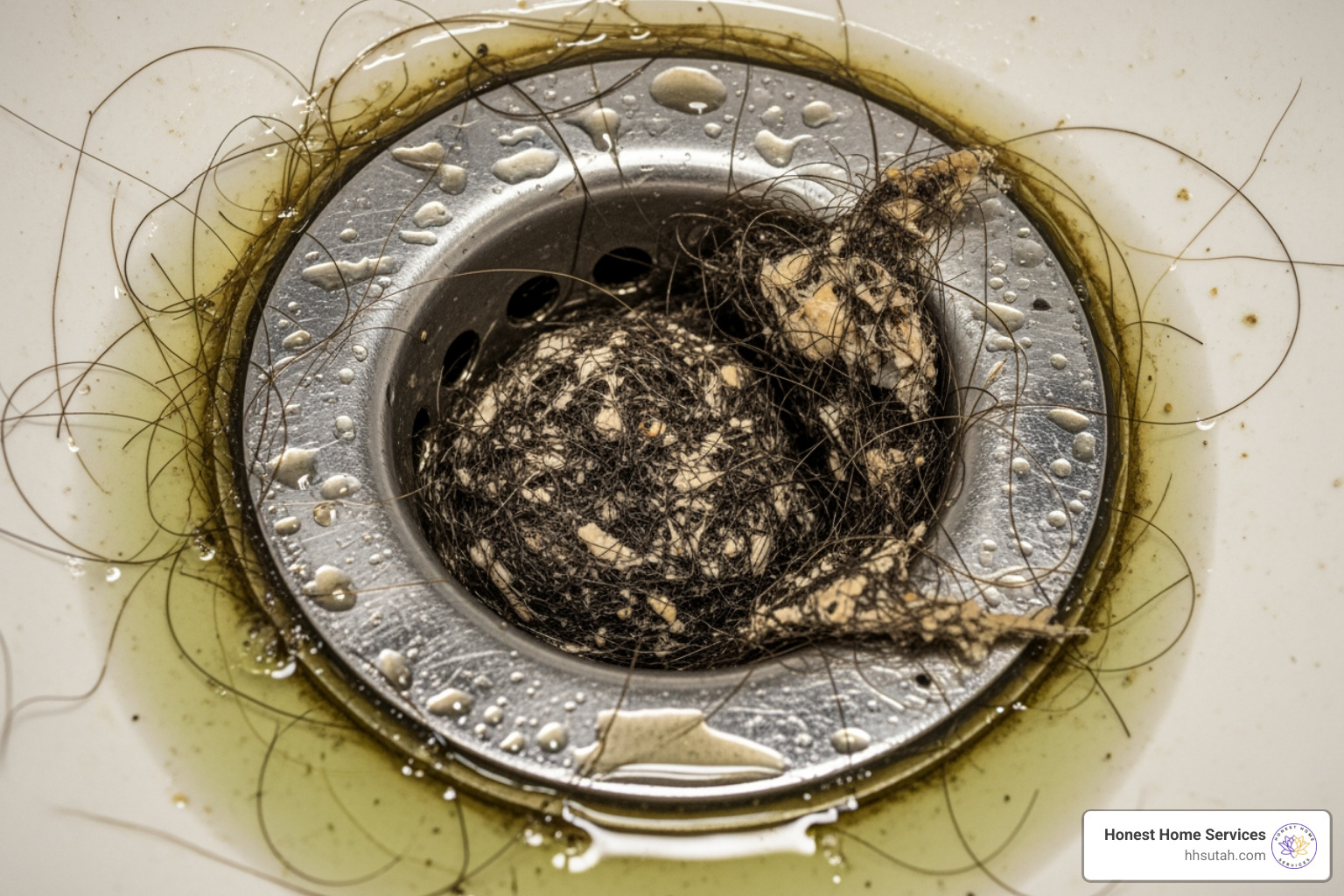
Hair clog removal doesn’t have to be complicated or expensive. Here’s what you need to know right away:
Quick Hair Clog Removal Methods:
- Manual Removal – Use a drain snake or bent wire hanger to pull out hair clumps (works in minutes)
- Natural Solution – Pour 1 cup baking soda + 1 cup vinegar, wait 15 minutes, flush with boiling water
- Physical Extraction – Remove drain cover and use pliers to grab visible hair (wear gloves)
- Prevention – Install a hair catcher or mesh strainer to stop clogs before they start
If your shower or sink is draining slowly—or worse, not draining at all—you’re dealing with one of the most common household plumbing problems. The issue isn’t just the hair itself. Hair combines with soap scum, shampoo residue, body oils, and mineral deposits to create a stubborn, solid mass that blocks your pipes. Even short hairs from shaving can accumulate over time and cause serious drainage issues.
The good news? Most hair clogs can be cleared without harsh chemicals or expensive service calls. You just need to understand why they form and which removal method works best for your situation.
At Honest Home Services, we’ve cleared countless hair clogs throughout Northern Utah over the past 20+ years, and we’ve seen every type of drain disaster imaginable. Our experience with Hair clog removal has taught us that the right approach depends on the severity of your clog and the tools you have available.
The Telltale Signs of a Hair Clog
Before we dive into how to tackle a hair clog, let’s talk about how to spot one. Recognizing the signs early can prevent a minor inconvenience from turning into a major plumbing headache.
One of the most common indicators of a hair clog is water draining slowly. You might notice that after a shower, the water lingers in the tub longer than it should, or your sink takes an age to empty. This slow drainage happens because the accumulated hair and debris reduce the pipe’s diameter, restricting water flow.
Another clear sign is puddles forming in the shower or sink. If the water isn’t draining at all, or is backing up, it means the clog has become a solid blockage. Imagine standing in ankle-deep water during your morning shower – not exactly a refreshing experience!
You might also hear gurgling sounds coming from your drains. This noise occurs when air gets trapped and then released as water tries to push past the obstruction. It’s like your drain is trying to tell you, “Help me, I’m suffocating!”
Finally, and perhaps most unpleasantly, foul odors emanating from the drain are a strong hint. Hair, soap scum, and other organic matter trapped in the pipes can begin to decompose, leading to a truly unpleasant smell. This odor can sometimes be accompanied by mold growth if the damp, dark environment of a clogged drain is left unchecked. If you’re experiencing any of these signs, it’s time to take action.
Common Culprits That Bind Hair Together
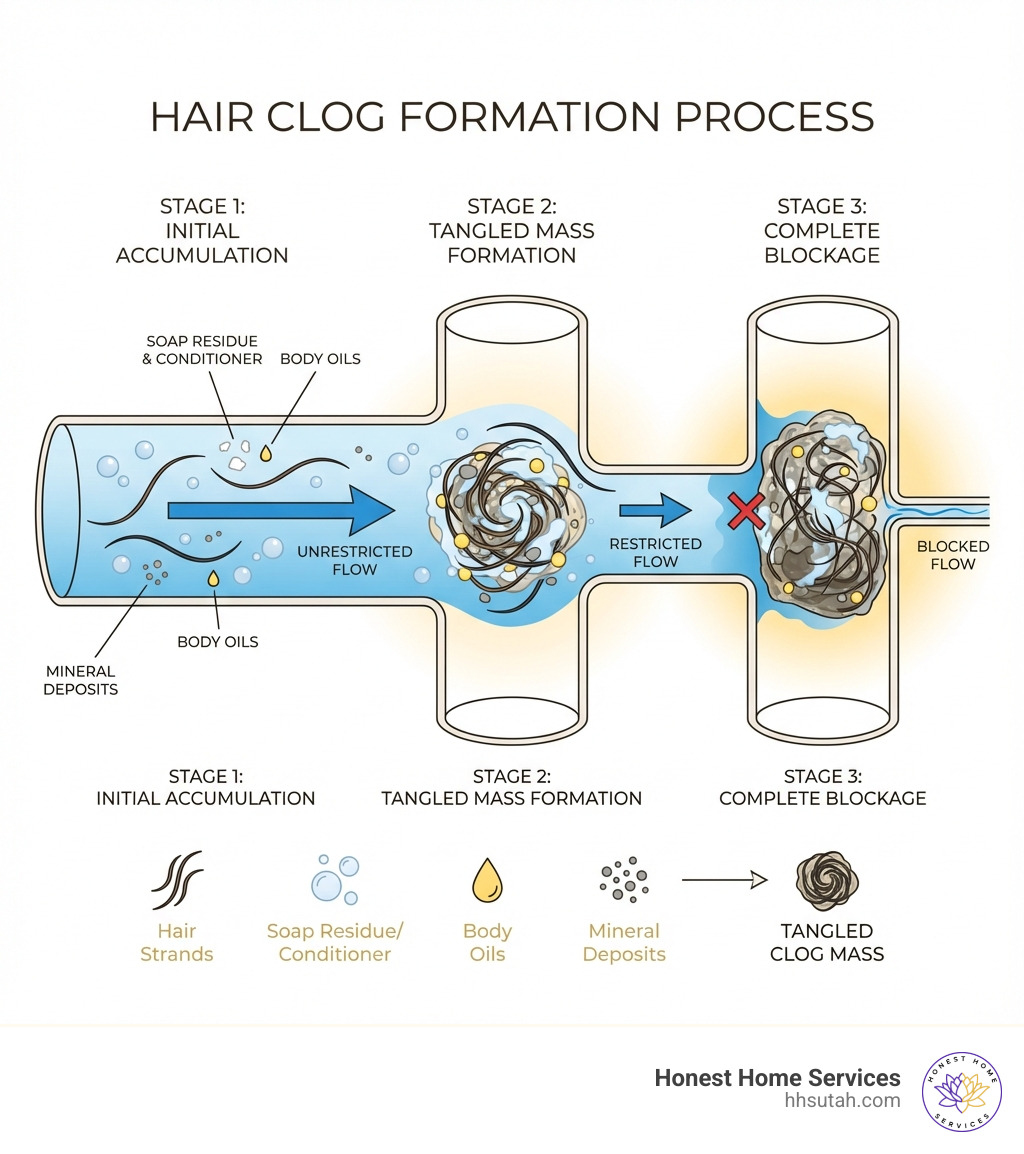
Hair alone, while thin, is surprisingly resilient and can easily flow down the drain. However, the real problem begins when hair meets its partners in crime: soap residue, conditioner, body oils, and shampoos. These substances coat the hair, making it sticky and creating a perfect binding agent.
As we wash our hair, shower, or even shave, loose strands and shorter hairs inevitably make their way into the drain. These hairs then snag on any rough edges or existing grime within the pipes. Once a few strands get caught, the sticky residue from our personal care products starts to adhere to them, forming a larger, more cohesive mass. Over time, this mass grows, collecting more hair, dirt, and even mineral deposits from hard water, eventually becoming a formidable blockage.
It’s a vicious cycle: the more hair and products that go down, the bigger and tougher the clog becomes. This accumulation creates a solid mass that can result in slow-draining water, a total lack of drainage, or even mold growth, as the research points out. Even though most shower drains have holes that are nowhere near small enough to block an average hair clump, these combined elements quickly create a problem.
Step-by-Step Guide to Hair Clog Removal
Now that we understand the enemy, let’s talk about how to defeat it. We’ll explore several effective methods for hair clog removal, from manual tools to natural solutions.
Manual Hair Clog Removal with Tools
When it comes to getting rid of a stubborn hair clog, sometimes you just need to get in there and physically remove the culprit. Manual tools are often the most effective and immediate solution for hair clogs because they literally pull the hair out.
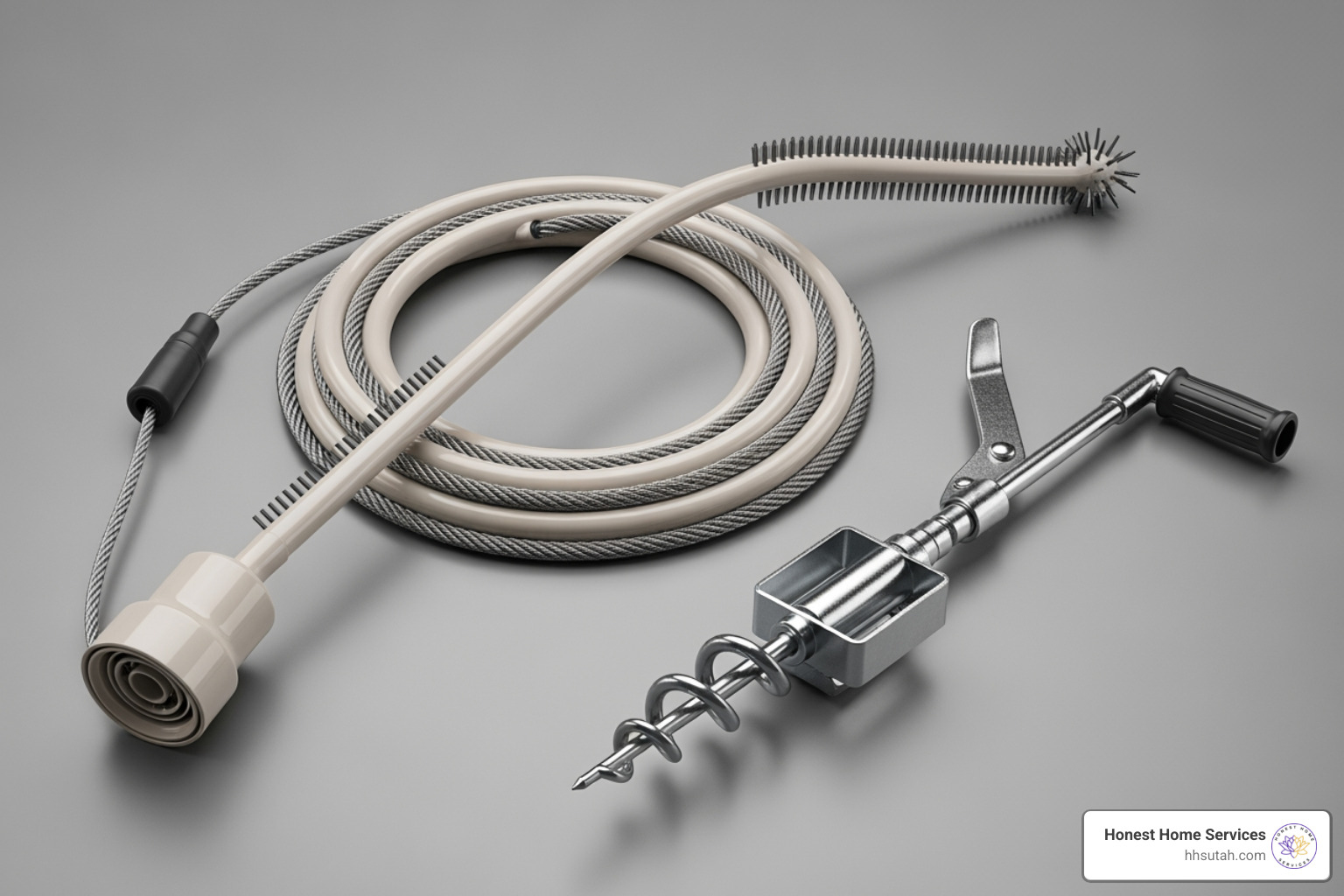
The most popular tools for this job are drain snakes (also known as plumber’s snakes) and augurs. These flexible tools are designed to steer the twists and turns of your drainpipe to reach and extract the clog.
How Drain Snakes and Augers Work:
A drain snake is typically a long, flexible piece of metal or plastic with a barbed or clawed end. You feed it into the drain, pushing it until you feel resistance-that’s usually the clog. Then, you either twist the snake to entangle the hair or use a handle to activate claws that grab onto the hairball. Once the hair is secured, you carefully pull the snake back out, bringing the nasty clog with it. It’s not glamorous, but it’s incredibly effective!
There are various types:
- Plastic Drain Snakes: These are often disposable or semi-disposable, featuring small barbs along their length to snag hair. They’re inexpensive and great for shallow clogs.
- Hand Augers: These typically have a longer, stronger cable and a crank handle. They can reach deeper into pipes and are more robust for tougher clogs.
- Motorized Augers: For really serious or deep clogs, professional plumbers use motorized augers that offer significant power.
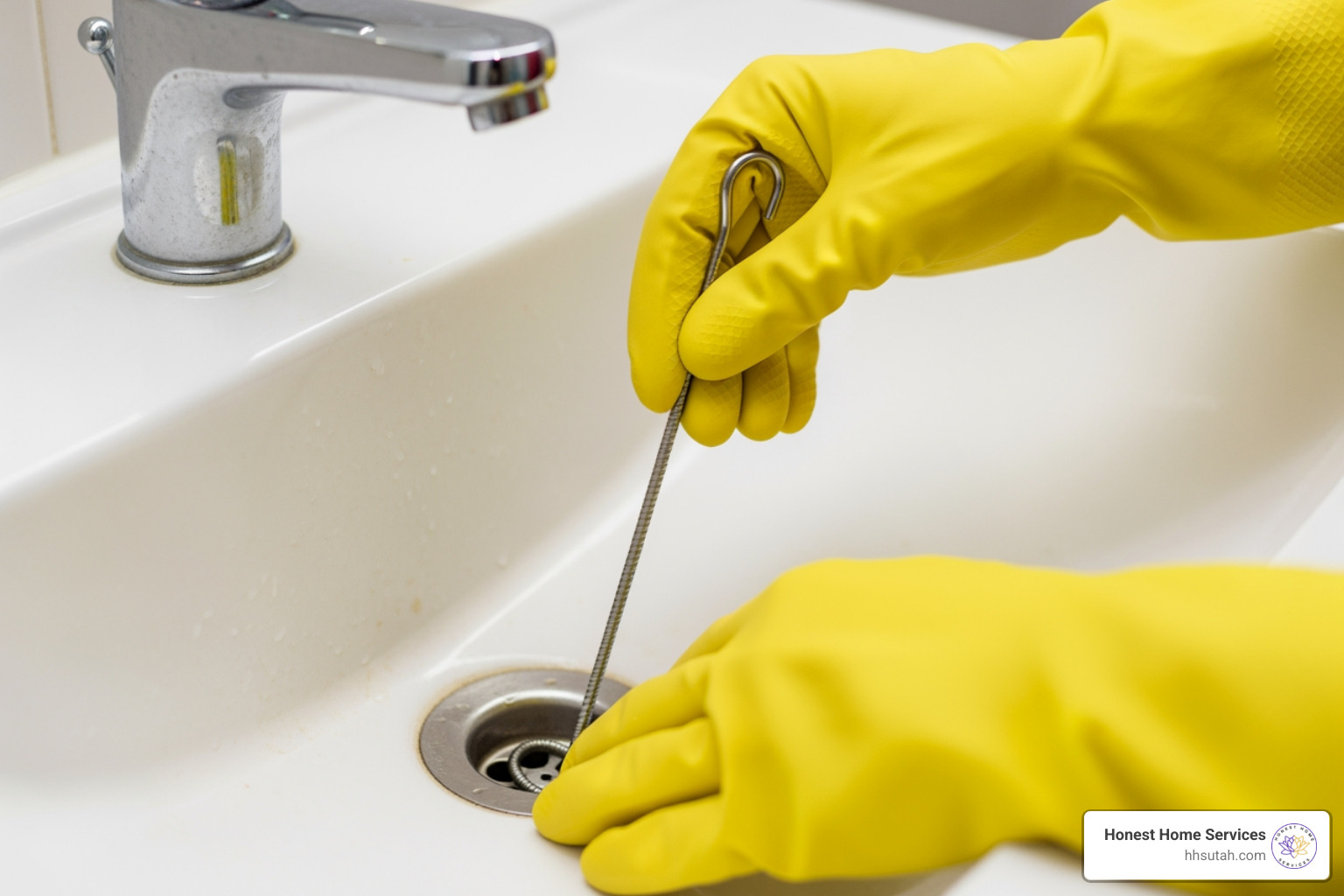
For visible or shallow clogs, you might not even need a full snake. Pliers (needle-nose work best) or a wire hanger method can do the trick. If you can see the hair just below the drain cover, carefully remove the cover, put on some safety gloves (trust us on this one), and use the pliers to pull out the hair clump. If it’s a bit further down, straighten a wire coat hanger, bend a small hook at one end, and fish around for the hair. Just be careful not to scratch your pipes, especially if they’re older. Some sources advise against wire hangers due to potential pipe damage, so use this method with caution and only for very accessible clogs.
When using any manual tool, always wear rubber gloves to protect your hands and to avoid direct contact with the grime. After removing the clog, run hot water for a few minutes to flush out any remaining debris.
Natural DIY Hair Clog Removal Methods
If you’re looking for a gentler, more environmentally friendly approach to hair clog removal, or if you prefer to avoid chemicals, several natural DIY methods can be quite effective for minor to moderate clogs.
Our go-to recommendation is the baking soda and white vinegar method. This dynamic duo creates a fizzing chemical reaction that can help break down the gunk binding the hair together.
Here’s how to do it:
- First, pour a kettle of boiling water down the drain. This helps to loosen any grease or soap scum.
- Next, pour one cup of baking soda down the drain.
- Immediately follow with one cup of white vinegar.
- You’ll hear and see fizzing – this is good! Cover the drain with a stopper or a rag to contain the reaction and let it sit for about 15-30 minutes, or even overnight for tougher clogs.
- Finally, flush the drain again with another pot of boiling water. Repeat if necessary.
You can also try a solution of salt water in conjunction with baking soda and vinegar. The abrasive nature of salt can help scrub away some of the buildup.
It’s important to note what not to use: bleach. While bleach is a great disinfectant and stain remover, as some experts point out, it is not a great drain clog remover. In fact, mixing bleach with other cleaners (especially acidic ones like vinegar) can create dangerous fumes. Stick to the safe and effective methods we’ve outlined.
These natural methods are best for clogs that are still draining slowly but not completely blocked. They work by dissolving the organic matter that’s holding the hair together, rather than physically removing the hair itself.
The Pros and Cons of Chemical Cleaners
Chemical drain cleaners are a common go-to for many homeowners because they promise quick and easy clog removal. But like most shortcuts, they come with a set of benefits and significant drawbacks, especially for hair clog removal.
Benefits of Chemical Drain Cleaners:
- Convenience: They are readily available and require minimal effort – just pour and wait.
- Speed: Some formulations can work relatively quickly on certain types of clogs, dissolving organic matter.
- Effectiveness (for specific clogs): Products specifically designed for hair clogs (like some gel formulas) can dissolve hair, soap scum, and grease.
Drawbacks of Chemical Drain Cleaners:
- Pipe Damage Risk: Many chemical cleaners are highly caustic or acidic, which can corrode or damage your pipes over time, especially older ones or PVC. This can lead to costly repairs.
- Toxic Fumes: They often release strong, noxious fumes that can be harmful if inhaled. Good ventilation is crucial.
- Environmental Impact: The chemicals can be harsh on the environment once they enter the wastewater system.
- Septic System Safety: Many chemical cleaners are not safe for homes with septic systems, as they can kill the beneficial bacteria needed for proper functioning.
- Ineffectiveness on Solid Masses: If the hair clog is a dense, solid mass, chemical cleaners might only partially dissolve it, or not at all, leaving you with a drain full of corrosive chemicals and a still-clogged pipe.
- Never Mix: Mixing different chemical drain cleaners, or using them after attempting natural methods, can create dangerous chemical reactions and toxic gases.
When to Use Chemicals:
We generally advise against chemical drain cleaners as a first resort. If you must use them, choose products specifically formulated for hair clogs and ensure they are explicitly stated as safe for your type of pipes and septic system (if applicable). For instance, products like Green Gobbler claim to be bleach-free and non-corrosive, designed to specifically target hair without harming pipes.
Safety Precautions:
- Always read and follow the manufacturer’s instructions carefully.
- Ensure adequate ventilation by opening windows and turning on exhaust fans.
- Wear protective gear, including eye protection and rubber gloves.
- Never mix different chemical products.
- Do not use chemical cleaners if the drain is completely blocked and standing water is present, as the chemicals can sit in the pipe and cause damage.
Here’s a quick comparison of the different methods:
| Method | Cost | Effectiveness (Hair Clogs) | Safety (Pipes/User) | Speed |
|---|---|---|---|---|
| Manual Tools | Low to Moderate (one-time purchase) | High (physical removal) | High (no chemicals) | Immediate to Moderate |
| Natural DIY | Very Low (household items) | Moderate (dissolves binding agents) | High (non-toxic) | Moderate to Slow |
| Chemical | Low to Moderate | Moderate to High (dissolves hair) | Low (pipe damage, toxic fumes) | Fast to Moderate |
How to Prevent Future Hair Clogs
An ounce of prevention is worth a pound of cure, especially when it comes to hair clogs. Implementing simple preventative measures can save you a lot of hassle, time, and potential repair costs. As we always say at Honest Home Services, good habits keep your plumbing happy! We even have more tips in our article about Preventative Drain Cleaning Tips Every Homeowner Should Know.
The Power of Drain Protectors
The simplest and most effective way to prevent hair from going down the drain is to catch it before it gets there. This is where drain protectors shine.
Hair catchers and drain strainers are devices placed over or inside the drain opening to trap hair and debris while allowing water to flow through. There’s a wide variety to choose from, catering to different drain types and aesthetic preferences:
- Mesh Screens: These typically sit over the drain and have fine mesh to catch even small hairs. They are affordable and easy to clean.
- Silicone Catchers: Often designed to fit inside the drain, these flexible catchers (like the popular TubShroom or ShowerShroom) have a basket-like structure or small holes that trap hair around them. They are highly effective and often blend seamlessly with your drain.
- Stainless Steel Strainers: Durable and long-lasting, these can be mesh-style or basket-style, offering a more robust solution.
- Wall-Mounted Hair Catchers: For those who tend to clean hair off their body and place it on the shower wall, these adhere to the wall and have “grabbers” to collect the hair.
The key to their effectiveness is regular cleaning. A hair catcher full of hair won’t allow water to drain, defeating its purpose. We recommend emptying and rinsing your hair catcher after every shower or bath, or at least every few uses, to ensure optimal performance.
List of Different Types of Drain Protectors:
- Simple flat mesh screens (metal or plastic)
- Silicone in-drain hair catchers (e.g., TubShroom)
- Basket-style strainers that fit into the drain
- Pop-up drain stoppers with integrated hair catchers
- Wall-mounted hair collectors for shower walls
Simple Habits for Clog-Free Drains
Beyond drain protectors, incorporating a few simple habits into your routine can significantly reduce the likelihood of hair clogs.
- Brushing Hair Before Showering: This might sound obvious, but brushing your hair thoroughly before stepping into the shower removes a significant amount of loose hair that would otherwise end up down the drain. This is especially helpful for those with long hair or pets.
- Weekly Hot Water Flush: Once a week, after everyone is done showering, pour a large pot of boiling water down your drains. This isn’t usually enough to break up a serious clog, but it can help dissolve minor grease, soap scum, and grime buildup before they can contribute to a larger clog.
- Avoiding Oily Products: Some conditioners, body oils, and heavy shampoos can leave behind residues that, when combined with hair, create a stickier, more formidable clog. While you don’t need to stop using your favorite products, being mindful of rinsing thoroughly can help.
- Gathering Loose Hair: If you notice hair on the shower walls or floor, make a habit of picking it up and disposing of it in the trash, rather than letting it wash down the drain. This small act can make a big difference over time.
- Monthly Drain Top Cleaning: Take a moment once a month to remove your drain cover and give the immediate area a good scrub. You’d be surprised how much hair and gunk can accumulate just beneath the surface.
By combining the use of effective drain protectors with these simple habits, you’ll be well on your way to enjoying reliably clog-free drains.
When DIY Isn’t Enough: Calling a Professional Plumber
While many hair clogs can be resolved with DIY methods, there are times when it’s best to call in the professionals. Ignoring persistent issues or attempting complex repairs beyond your skill level can lead to more significant damage and costly repairs down the line. We’ve seen it all, and sometimes, a little professional help saves a lot of headaches (and money!).
Here are clear signs it’s time to call Honest Home Services for your hair clog:
- Recurring Clogs: If you’re constantly battling the same drain clog, even after trying various DIY methods, it indicates a deeper issue. The clog might be further down the pipe, or there could be a more complex problem at play.
- Multiple Drains Blocked: If not just one, but several drains in your home (e.g., your shower, sink, and toilet) are experiencing slow drainage or are completely blocked, this points to a main sewer line issue, not just a localized hair clog. This is definitely a job for the experts.
- No Success with DIY Methods: You’ve tried plunging, snaking, baking soda and vinegar, and still, the water won’t drain. Don’t keep pouring chemicals or forcing tools down the drain, as this can damage your pipes. It’s time to surrender and call a pro.
- Sewage Smell or Backup: This is a serious red flag. If you detect a strong sewage smell coming from your drains or, even worse, experience sewage backing up into your fixtures, it indicates a significant blockage in your main sewer line. This requires immediate professional attention to prevent health hazards and extensive property damage.
- Low Water Pressure Throughout the House: While not a direct sign of a clog, if you’re experiencing widespread low water pressure, it could be related to a blockage in your main water line, which can sometimes be exacerbated by drain issues.
At Honest Home Services, we specialize in comprehensive drain cleaning services, including advanced techniques like hydro-jetting, which can thoroughly clear even the most stubborn clogs. You can learn more about when these services are needed in our articles Signs You Need Professional Drain Cleaning and 5 Signs You Need Hydro Jetting for Your Drains. We’re available 24/7 for emergency support throughout Northern Utah, including Salt Lake City, Davis County, and surrounding areas. Our expert technicians are equipped to diagnose and resolve any drain issue, big or small, ensuring your plumbing is flowing freely again.
Frequently Asked Questions about Hair Clogs
We hear a lot of questions about hair clogs, and we’re always happy to share our expertise. Here are some of the most common ones we get from homeowners in Northern Utah.
How often should I clean my drains to prevent hair clogs?
The frequency of drain cleaning to prevent hair clogs really depends on your household’s habits and the amount of hair going down the drain. However, we recommend a multi-tiered approach:
- Hair Catchers: If you use a hair catcher or drain strainer, ideally you should clean it after every use. This prevents hair from building up on the catcher itself and ensures water can always drain freely. It’s a quick, easy step that makes a huge difference.
- Hot Water Flush: Performing a weekly hot water flush (pouring a pot of boiling water down the drain) can help dissolve minor soap scum and grease buildup before they become problematic.
- Drain Top Cleaning: Once a month, take the time to remove your drain cover and physically clean any visible hair and grime that has accumulated just below the surface.
- Deep Cleaning/Natural Methods: If you notice slower drainage even with preventative measures, apply a natural DIY method like the baking soda and vinegar solution every 1-3 months as a maintenance step.
Consistency is key! Regular, small efforts are far more effective than waiting for a complete blockage to occur.
Can chemical drain cleaners damage my pipes?
Yes, absolutely. This is a critical point we can’t stress enough. While many chemical drain cleaners promise a quick fix, most are highly caustic or acidic, and they could slowly damage plumbing pipes over time. They work by creating a chemical reaction that generates heat, which can soften PVC pipes or corrode older metal pipes.
The danger increases if the cleaner sits in a completely blocked drain for too long, as the concentrated chemicals can cause significant deterioration, leading to leaks or even burst pipes. They can also harm your septic system by killing the beneficial bacteria crucial for waste breakdown.
That’s why we generally advise caution and recommend exploring manual or natural methods first. If you do opt for a chemical solution, choose one specifically designed for hair (often a gel formula) and ensure it explicitly states it’s safe for your type of pipes and septic system. Always follow safety precautions to protect yourself and your plumbing.
What’s the most effective non-chemical way to remove a hair clog?
From our experience, the most effective non-chemical way to remove an existing hair clog is through manual removal using a drain snake or auger. These tools are designed to physically reach into the pipe, entangle the hair, and pull the entire clog out.
- Drain Snakes (or “Hair Snakes”): These flexible tools with barbs or claws are excellent at snagging hairballs that are too deep for pliers. They provide immediate results by extracting the physical blockage.
- Pliers or Wire Hanger Method: For visible or very shallow clogs, carefully removing the drain cover and using needle-nose pliers or a bent wire hanger to fish out the hair clump can be highly effective. Remember to wear gloves!
- Plungers: A plunger can sometimes dislodge a hair clog by creating suction and pressure, but it’s often more effective for less dense clogs or those combined with other debris.
While natural methods like baking soda and vinegar are great for maintenance and minor clogs by dissolving the binding agents, they may not be powerful enough to completely break down a dense hairball on their own. For definitive, immediate removal of a stubborn hair clog without chemicals, a drain snake is usually your best bet.
Keep Your Drains Flowing Freely
We’ve covered a lot of ground today on hair clog removal, from understanding why these pesky blockages form to a variety of effective solutions. The journey to clog-free drains starts with recognizing the early signs like slow drainage or foul odors, and understanding that hair, combined with common bathroom products, is the primary culprit.
For most minor clogs, you have powerful tools at your disposal: manual methods like drain snakes and augers for physical extraction, and natural DIY solutions like the baking soda and vinegar fizz for dissolving buildup. While chemical cleaners offer convenience, we urge caution due to their potential to damage pipes and create hazardous fumes.
Prevention is key. Installing simple drain protectors like hair catchers and adopting habits like brushing your hair before showering and regular hot water flushes can drastically reduce your chances of ever facing a stubborn hair clog.
However, sometimes a clog is just too tough, too deep, or indicates a larger plumbing issue. If you’re dealing with recurring clogs, multiple blocked drains, or that unmistakable sewage smell, it’s a clear sign that DIY isn’t enough. For persistent clogs that DIY methods can’t fix, it’s time to call in the experts for professional Salt Lake City Drain Cleaning.
At Honest Home Services, we’re always here to help homeowners in Salt Lake City, Davis County, and throughout Northern Utah. Our experienced technicians are equipped with the right tools and knowledge to tackle any drain challenge, ensuring your home’s plumbing flows smoothly and efficiently. Don’t let a hair clog ruin your day – reach out to us for honest, reliable service!