

The first freeze of the season often arrives unexpectedly. You might wake up one morning to frost on the windows and a chill in the air, only to discover that when you turn on the faucet, nothing comes out. Or worse, you might hear the sound of rushing water coming from the basement. Frozen pipes are one of the most common and damaging issues homeowners face during the colder months, yet they are entirely preventable if you take the right steps ahead of time.
Water expands when it freezes, creating immense pressure inside your pipes. When that pressure becomes too great, even sturdy metal or plastic pipes can crack and burst. The result is often significant water damage that can cost thousands of dollars to repair, not to mention the inconvenience of being without running water in the middle of winter. Fortunately, getting your home ready for the cold doesn’t have to be a nightmare. With a few strategic adjustments and perhaps a little help from the professionals at Honest Home Services, you can keep your plumbing safe all season long.
This guide will walk you through exactly how to winterize plumbing systems effectively. We will cover everything from insulating exposed pipes to managing your outdoor faucets. By taking action now, you can enjoy a cozy, worry-free winter knowing your home is protected against the elements.
Why is it important to winterize plumbing?
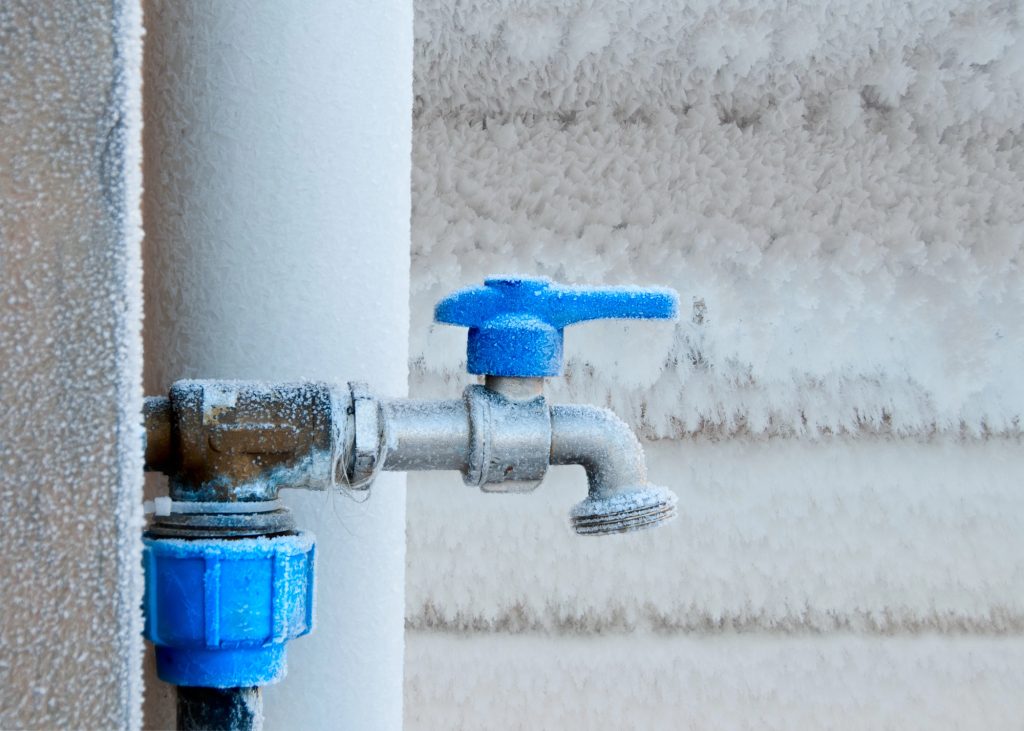
frozen pipes
Understanding why you need to protect your pipes starts with understanding what happens to water when temperatures drop. Unlike most substances that contract when they get cold, water expands. This expansion creates a powerful force. When water freezes inside a confined space like a plumbing pipe, the ice pushes outward against the pipe walls. If the ice creates a blockage, the pressure between the blockage and the faucet increases dramatically, which is actually what usually causes the pipe to burst.
A burst pipe can dump hundreds of gallons of water into your home in a very short amount of time. This can ruin drywall, flooring, furniture, and personal belongings. It can also lead to mold growth if the moisture isn’t dried out immediately and thoroughly. Preparing your plumbing for freezing temperatures is an essential part of home maintenance that protects your investment and saves you from the stress of an emergency repair. The team at Honest Home Services sees the aftermath of frozen pipes every year, and they always emphasize that prevention is far cheaper and easier than restoration.
Start with your outdoor faucets and hoses
One of the most vulnerable parts of your plumbing system sits right outside your exterior walls. Garden hoses and outdoor spigots are directly exposed to freezing air, making them the first place ice will form. If you leave a garden hose attached to the faucet during freezing weather, the water inside the hose can freeze and back up into the pipe inside the wall. This is a classic recipe for an interior leak that you might not notice until the ice thaws and water starts pouring into your basement or crawl space.
The process to secure these areas is straightforward. You should begin by disconnecting all garden hoses, draining them of any residual water, and storing them in a shed or garage for the season. Once the hoses are removed, locate the interior shut-off valve for your outdoor faucets. This valve is usually found in the basement, utility room, or crawl space. Turn this valve to the off position, and then go back outside to open the faucet. This allows any remaining trapped water to drain out, leaving the pipe empty and safe from freezing. If your home does not have interior shut-off valves, installing frost-free faucet covers is a good alternative layer of protection.
Insulate vulnerable pipes in unheated areas
insulate pipes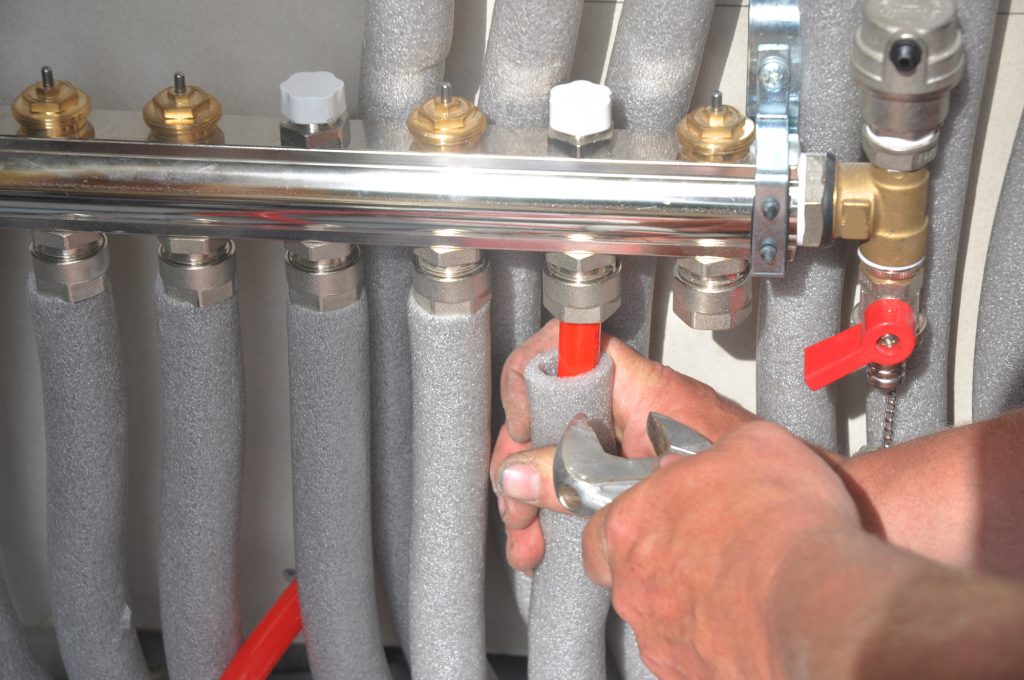
The pipes most likely to freeze are those located in unheated areas of your home. This includes pipes running through attics, basements, crawl spaces, and garages. Because these spaces often lack insulation or direct heat sources, the temperature can drop rapidly when the weather turns cold. Even pipes inside cabinets against exterior walls can be at risk if the insulation in the wall is poor.
You can significantly reduce the risk of freezing by adding insulation directly to the pipes. Foam pipe insulation sleeves are inexpensive and easy to install. They simply slip over the pipes and can be secured with tape or zip ties. For areas that get particularly cold, you might consider using heat tape. This is an electrical cable that you wrap around the pipe before adding insulation. When plugged in, it provides gentle heat to keep the pipe warm. If you are unsure which pipes are most vulnerable or how to apply heat tape safely, Honest Home Services can assess your home and recommend the best insulation strategy for your specific layout.
Seal drafts and cracks around the home
Cold air is a relentless enemy of your plumbing. Even a tiny crack in your home’s exterior or a gap around a window can let in enough freezing air to cause a nearby pipe to freeze. It is essentially like aiming a cold blast of air directly at your plumbing. To winterize plumbing effectively, you must look beyond the pipes themselves and consider the envelope of your house.
Take a walk around the exterior and interior of your home to look for gaps. Pay close attention to areas where cable lines, vents, or pipes enter the house. These penetrations are often not sealed tightly. Using caulk or expanding spray foam to seal these gaps will keep the cold air out and the warm air in. In the basement or crawl space, check for broken windows or vents that might remain open. Closing and sealing these openings ensures that the ambient temperature in these unheated spaces stays just high enough to prevent freezing.
How can indoor temperature management help?
Maintaining a consistent temperature inside your home is vital, even when you are not there. Many homeowners make the mistake of turning the heat down too low in an attempt to save on energy bills, especially when they go on vacation. However, if the temperature inside the walls drops below freezing, your pipes are at risk.
You should keep your thermostat set to at least 55 degrees Fahrenheit at all times, day and night. This provides a buffer of warmth that helps keep the internal structure of the house, and the pipes within it, above freezing. If you are planning to be away from home for an extended period, this rule is even more critical. Coming home to a flooded house is a terrible way to end a vacation. Additionally, you might consider opening cabinet doors under your kitchen and bathroom sinks. This simple action allows the warmer air from your living space to circulate around the pipes hidden inside the cabinetry, which is particularly helpful for sinks located on exterior walls.
What should you do on extremely cold nights?
cold nights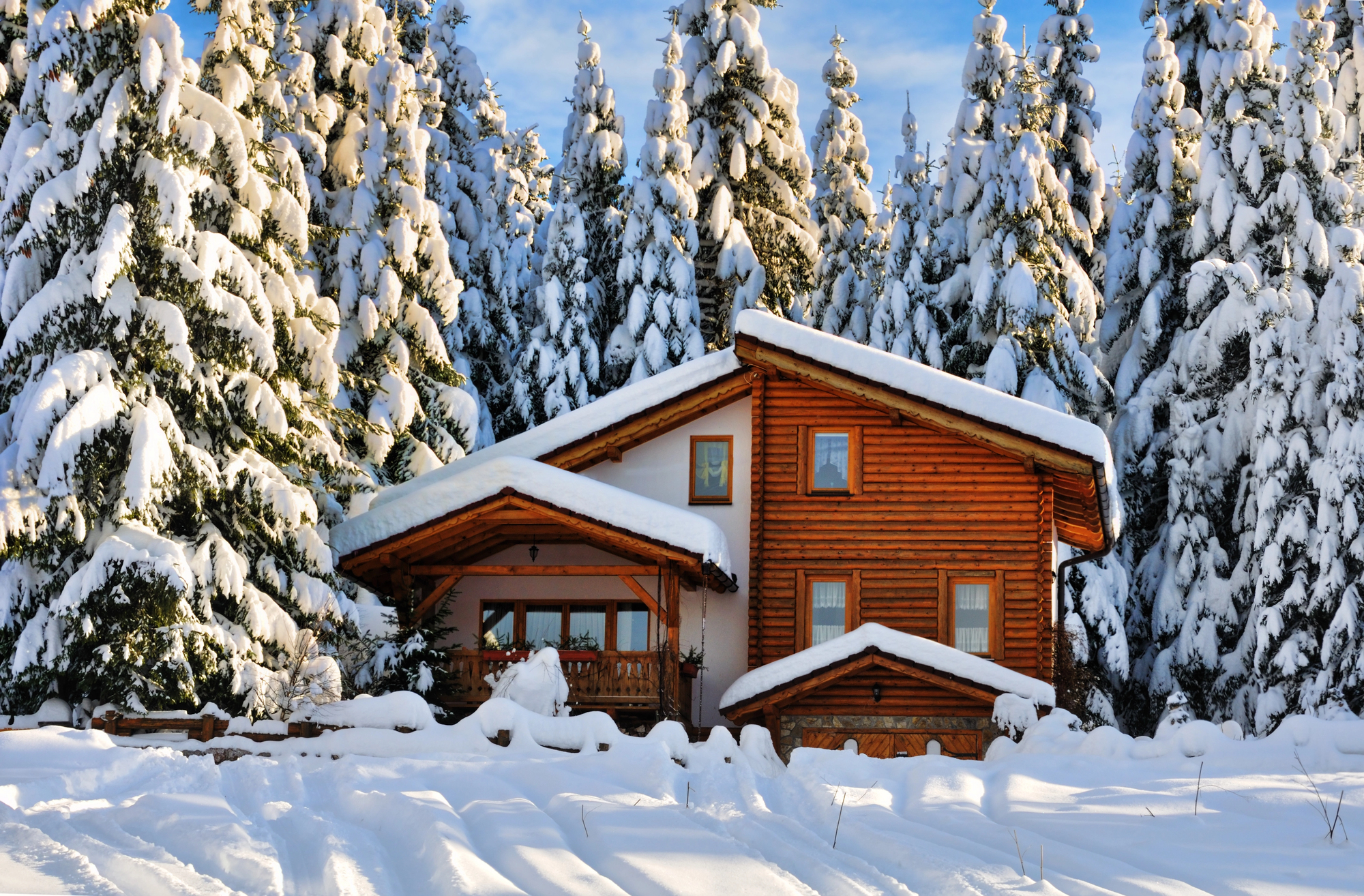
When the forecast predicts deep freezes or sub-zero temperatures, sometimes insulation and sealing aren’t quite enough. On these cold nights, you can use moving water to your advantage. Water that is flowing, even slightly, is much harder to freeze than standing water.
You can allow a faucet that is served by exposed pipes to drip slowly. It does not need to be a heavy stream; a steady drip of cold water is usually sufficient to relieve pressure in the system and prevent a blockage from forming. While this does waste a small amount of water, the cost is negligible compared to the cost of repairing a burst pipe. This trick serves as a last line of defense when the temperature drops dangerously low.
The importance of a professional plumbing inspection
While there are many DIY steps you can take to protect your home, there is no substitute for a professional eye. A plumbing system is complex, and vulnerabilities aren’t always visible to the untrained observer. A professional inspection can identify hidden risks that might otherwise go unnoticed until it is too late.
Honest Home Services specializes in preparing plumbing systems for the winter. Their technicians can perform a comprehensive audit of your home’s plumbing. They can drain your water heater to remove sediment, check your sump pump to ensure it can handle melting snow, and inspect your insulation levels. If you have a sprinkler system, they can blow out the lines to ensure no water remains underground to freeze and crack the piping. Having a partner like Honest Home Services means you aren’t just guessing whether you’ve done enough; you are ensuring your home is ready for whatever winter brings.
Stay warm and worry-free this winter
Winterizing your plumbing might seem like a chore, but it is an essential responsibility for any homeowner. The peace of mind that comes from knowing your pipes are protected allows you to truly enjoy the comfort of your home during the cold season. By insulating pipes, sealing drafts, managing your outdoor faucets, and keeping your heating consistent, you are building a defense against one of winter’s most destructive forces.
If you ever feel overwhelmed by the process or simply want the assurance that the job is done right, remember that professional help is available by calling (385) 786-6516. Honest Home Services is dedicated to helping homeowners navigate these seasonal challenges with expertise and care. Don’t wait for the first freeze warning to appear on the news. Take action today to winterize plumbing in your home, and you can look forward to a safe, dry, and cozy winter.